
Landscape photographers in 2024 have more excellent full frame camera options than ever before. Whether you prioritize resolution for massive prints, dynamic range for sunrise and sunset scenes, weather sealing for rugged outdoor use, or portability for long hikes, the best full frame cameras for landscape photography deliver serious image quality and creative flexibility. At Unique Photo, we regularly help photographers compare full frame systems based on real-world shooting needs, from mountain vistas to coastal long exposures.
In this guide, we’ll break down what makes a great landscape camera, which full frame features matter most, and how to choose the right setup for your workflow. We’ll also touch on lenses, education, editing, and printing so you can build a complete landscape photography kit with help from Unique Photo.
What Makes the Best Full Frame Camera for Landscape Photography?
When photographers search for the best full frame camera for landscape photography, they’re usually looking for a balance of image quality, reliability, and field usability. Full frame cameras remain a top choice because they offer wide dynamic range, strong low-light performance, and access to high-quality ultra-wide lenses.
Here are the most important factors to consider:
- Resolution: Higher megapixel counts help capture fine textures in rocks, foliage, skies, and distant detail.
- Dynamic range: Essential for preserving highlight and shadow detail in high-contrast scenes.
- Weather sealing: Valuable for shooting in mist, wind, rain, snow, and dusty environments.
- In-body image stabilization: Helpful for handheld landscape work, especially in fading light.
- Lens ecosystem: A great camera body matters, but lens selection is just as important for landscape photography.
- Battery life and ergonomics: Important for long days outdoors and cold weather shooting.
- Portability: Hikers and travel shooters may prefer lighter full frame mirrorless systems.
For many photographers, the “best” camera comes down to how they shoot. Someone focused on giant gallery prints may want maximum resolution, while an adventure landscape shooter may prioritize lighter gear and durability.
Are Full Frame Cameras Better for Landscape Photography?
Full frame cameras are not the only tools capable of stunning landscape images, but they are often the preferred format for serious enthusiasts and professionals. A full frame sensor can provide broader tonal range, improved performance at lower ISO values, and a wider field of view with ultra-wide lenses compared to smaller sensor formats.
That said, the real advantage in landscape photography comes from the complete system: camera body, lens quality, tripod technique, filters, editing workflow, and final output. Unique Photo often recommends photographers think beyond the body alone and consider how the entire setup supports their goals.
Best Full Frame Camera Features for Landscape Photography in 2024
If you’re narrowing down the best full frame cameras in 2024 for landscapes, pay special attention to these practical features:
- High-resolution sensor options: Cameras in the 45MP to 60MP range are especially appealing for detailed scenic work.
- Base ISO performance: Clean files at low ISO remain a major benefit for landscape shooters using tripods.
- Electronic viewfinder quality: A sharp EVF makes composing in bright outdoor conditions easier.
- Articulating or tilting screen: Useful for low-angle foreground compositions and tripod work.
- Focus bracketing: Great for maximizing front-to-back sharpness.
- Pixel shift or high-res modes: Some full frame cameras offer advanced multi-shot resolution modes for static scenes.
- Dual card slots: Preferred by many photographers for backup and organization during travel.
These features can make a big difference in the field, especially when conditions change quickly or when you are trying to extract maximum detail from a dramatic scene.
Best Types of Full Frame Cameras for Landscape Photography
Rather than choosing one single winner for every photographer, it’s more useful to break the category into use cases. The best full frame camera for your landscape photography may fall into one of these groups:
High-Resolution Full Frame Cameras
These are ideal for photographers who want extremely detailed files for large prints, commercial landscape work, or heavy cropping. High-resolution bodies are especially attractive for fine art output and editorial uses.
Best for: Large prints, gallery work, detailed textures, panoramic stitching.
Balanced Hybrid Full Frame Cameras
Some photographers want a camera that performs well for landscapes but can also handle travel, portraits, and occasional video. These balanced full frame bodies offer excellent image quality without always pushing file sizes to the extreme.
Best for: Travel photographers, enthusiasts, all-around use.
Lightweight Full Frame Mirrorless Cameras
If you hike long distances or fly often, a more compact full frame mirrorless camera may be the smartest option. Weight matters, especially when you’re carrying lenses, filters, water, and outdoor gear.
Best for: Backpacking, adventure landscapes, road trips.
Rugged Outdoor-Oriented Full Frame Cameras
For photographers who regularly shoot in difficult weather or challenging terrain, durability and weather sealing can be just as important as sensor specs.
Best for: Harsh conditions, seascapes, winter landscapes, backcountry shooting.
Mirrorless vs DSLR for Landscape Photography
In 2024, most photographers shopping for the best full frame landscape camera are looking at mirrorless systems. Mirrorless cameras offer real-time exposure preview, excellent EVFs, compact form factors, advanced autofocus, and increasingly strong battery performance. They also benefit from fast-growing lens ecosystems.
That said, some photographers still love full frame DSLRs for their optical viewfinders, long battery life, and proven field reliability. If you already own high-quality DSLR lenses, sticking with that system may still make sense. But for most new buyers, full frame mirrorless is where the market is moving, and Unique Photo can help compare systems based on both current needs and future lens investments.
Why Lenses Matter as Much as the Camera Body
No discussion of the best full frame cameras for landscape photography in 2024 is complete without talking about lenses. A camera body captures the file, but the lens shapes the scene, controls edge-to-edge sharpness, and determines how effectively you can work with wide compositions.
For many landscapes, photographers prefer focal lengths from 14mm to 24mm for expansive scenes, though standard zooms and short telephotos are also excellent for isolating details in mountains, forests, and desert environments.
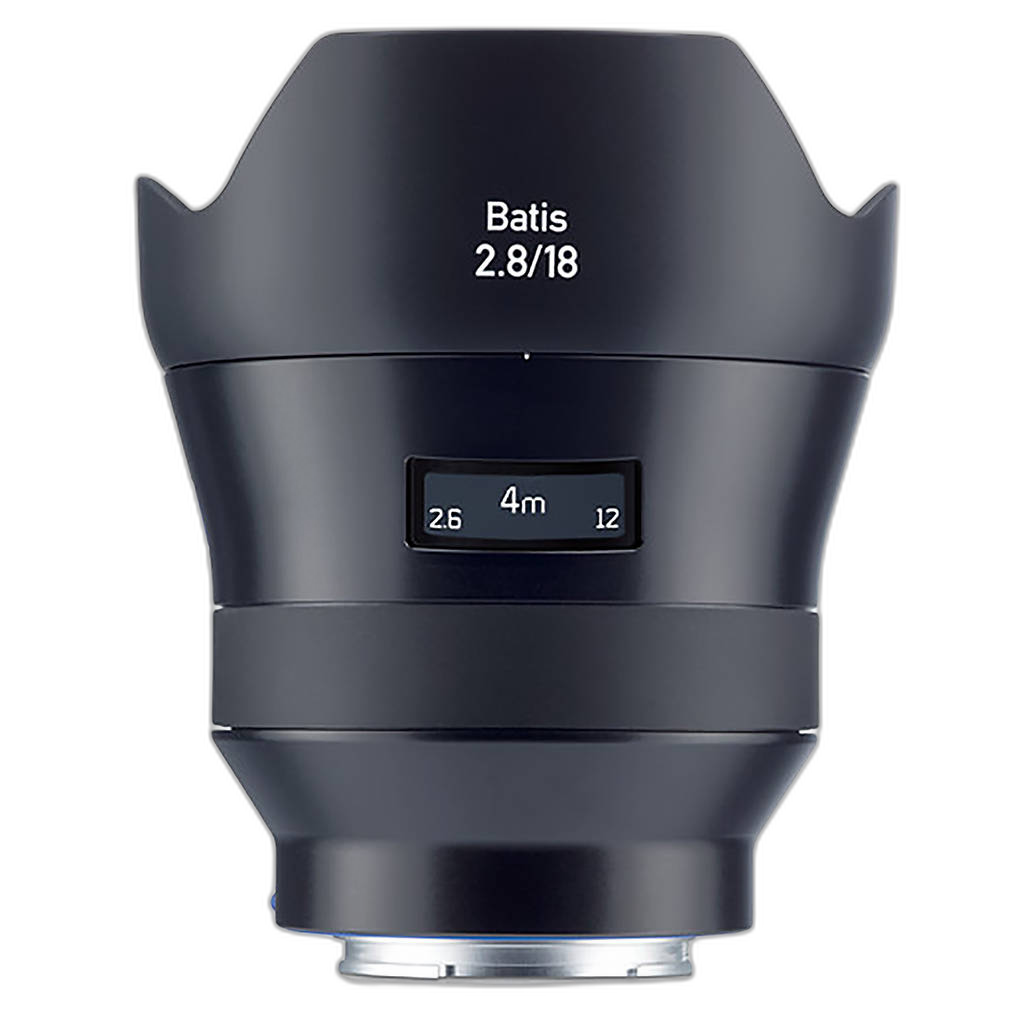
One strong example for Sony shooters is the Zeiss Batis 18mm f/2.8 AF lens for Sony Full Frame E-Mount Cameras. An 18mm prime is a compelling choice for landscape photography because it provides a dramatic wide-angle view while remaining highly practical for foreground-to-background compositions.
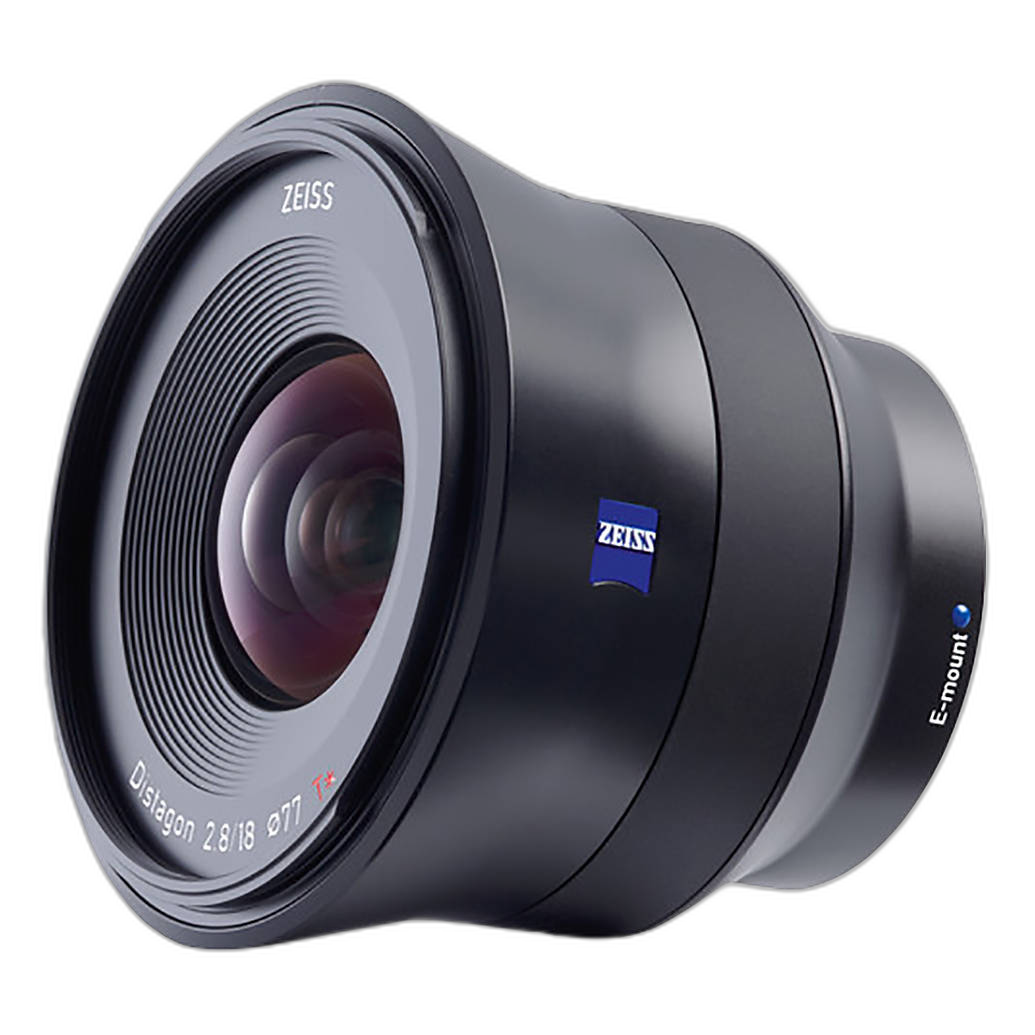
The Zeiss Batis 18mm f/2.8 AF lens can be particularly appealing for landscape photographers who want:
- Ultra-wide full frame coverage
- A compact lens for hiking and travel
- Premium optics from Zeiss
- Sony E-mount compatibility within a full frame mirrorless workflow
If you’re building a Sony full frame landscape kit, Unique Photo is a great place to explore wide-angle lens options alongside camera body comparisons.
How Much Resolution Do You Really Need for Landscape Photography?
One of the biggest questions buyers ask is whether they need 24MP, 33MP, 45MP, or 60MP for landscapes. The answer depends on output and workflow.
- 24MP to 30MP: Plenty for most online sharing, magazine use, and moderate print sizes.
- 33MP to 45MP: A sweet spot for many landscape photographers who want more flexibility without enormous files.
- 45MP to 60MP and beyond: Excellent for fine art printing, commercial use, and aggressive cropping.
Higher resolution is not automatically better for every photographer. Bigger files require more storage, faster computers, and more processing time. If your work ends up mostly on social media or in modest prints, you may be better served by a balanced full frame camera with strong dynamic range and excellent handling.
Dynamic Range and Low ISO Performance for Landscapes
Dynamic range is one of the most important qualities in a landscape camera. Sunrise and sunset scenes often include bright skies and dark foregrounds, and a camera with strong dynamic range gives you more room to recover detail when editing RAW files.
Landscape photographers often shoot at base ISO on a tripod, which makes low ISO image quality especially valuable. Full frame cameras continue to stand out here, providing flexible files that hold up well in post-production. If your style involves dramatic tonal transitions, moody weather, or subtle shadow recovery, this is a key specification to prioritize.
Best Full Frame Landscape Camera for Hiking and Travel
If you hike frequently, weight becomes a major factor. The best full frame camera for hiking landscapes in 2024 is often not the biggest or highest-resolution model. Instead, many photographers benefit most from a lighter mirrorless body paired with a compact wide-angle lens.
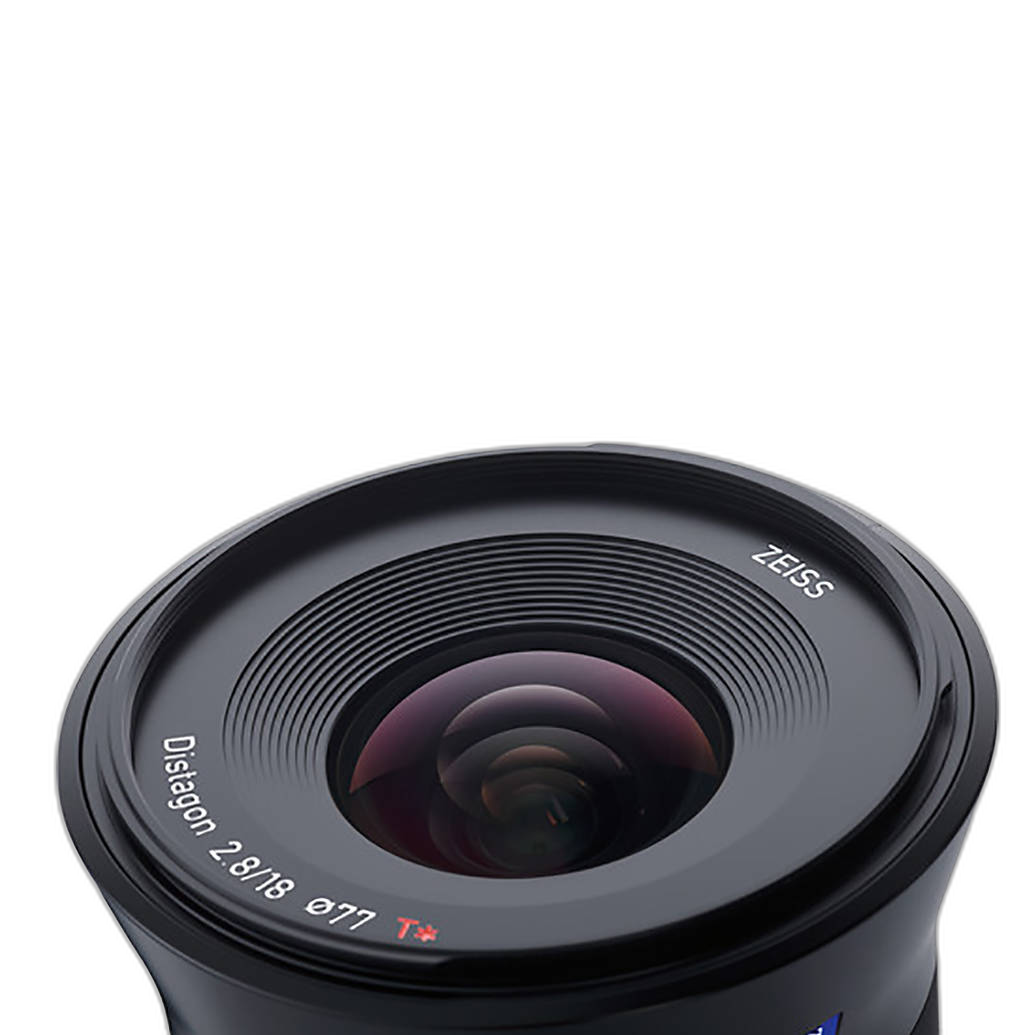
This is another reason lens selection matters. A lightweight full frame kit can still deliver professional results if the optics are strong. A lens like the Zeiss Batis 18mm f/2.8 fits nicely into this conversation because it offers a wide field of view in a relatively travel-friendly format.
When planning a hiking-friendly landscape setup, consider:
- Total system weight
- Weather resistance
- Battery life
- Tripod compatibility
- Filter options
- Packability for travel or long treks
Useful Accessories for Full Frame Landscape Photography
Even the best camera body needs support from the right accessories. At Unique Photo, landscape photographers often pair full frame cameras with:
- Sturdy tripods for long exposures
- Circular polarizers and neutral density filters
- Remote releases or self-timer workflows
- Weather-resistant camera bags
- Extra batteries and memory cards
- Lens cleaning tools for field use
Accessories may not be as exciting as a new camera, but they can dramatically improve consistency in the field.
Learning Landscape Photography Beyond the Gear
Choosing the best full frame camera is only part of the journey. Composition, timing, weather awareness, post-processing, and print presentation all shape the final image. Unique Photo offers learning opportunities that can help photographers build those skills.
For example, Macro and Landscape Photography at Duke Farms with Michael Downey is a relevant educational option for photographers who want hands-on landscape experience and real-world guidance.

Educational opportunities like this can be especially valuable if you’re transitioning into full frame photography and want to make the most of your new system.
Post-processing is also a major part of modern landscape work. Editing and Enhancing Landscape and Nature Photography with Photoshop reflects the importance of refining color, contrast, local adjustments, and detail after capture.
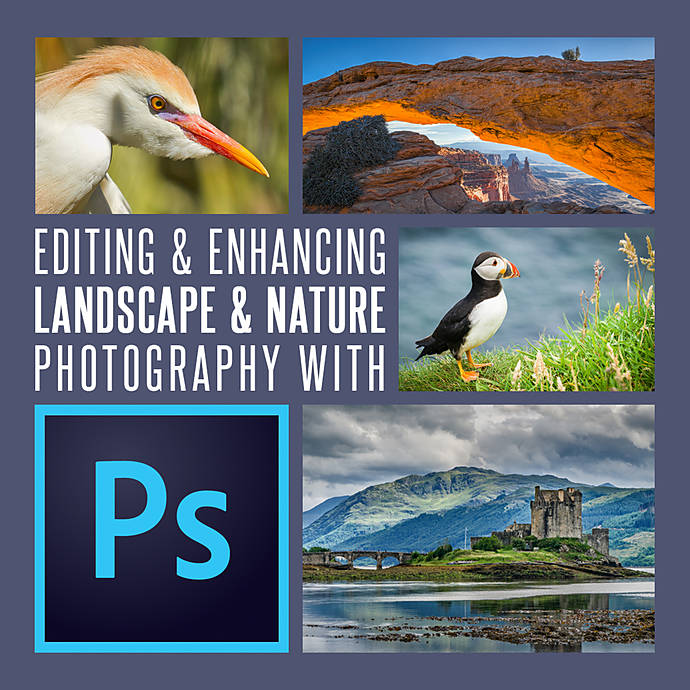
Many photographers discover that improving editing skills unlocks more image quality than upgrading camera gear alone.
Printing Your Landscape Photos
One of the biggest benefits of full frame landscape photography is the ability to create beautiful prints. High-resolution files, wide dynamic range, and strong lenses all come together when your work leaves the screen and becomes something tangible.
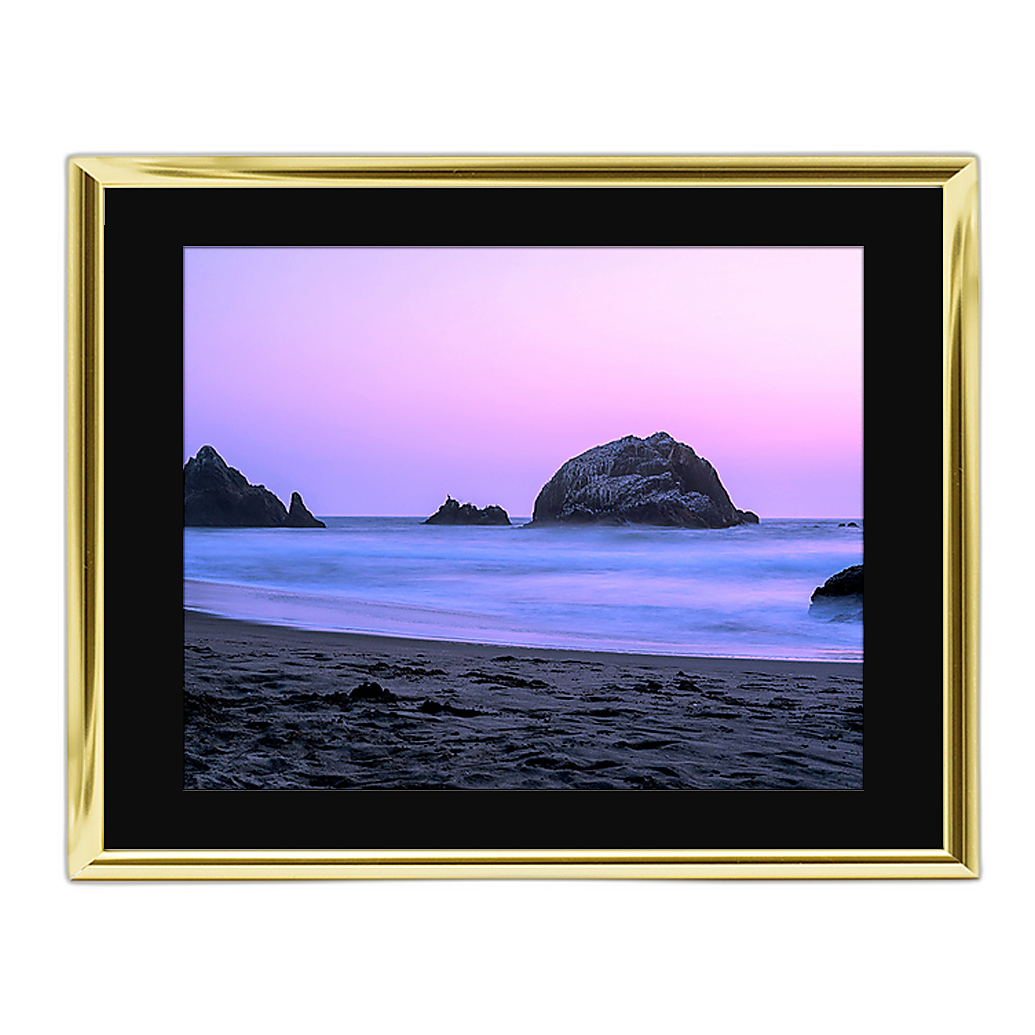
Unique Photo offers products and services that can help photographers showcase finished landscape images. For example, a display option like the 20x16 Custom Gold Metal Frame, Black Mat with Glass can be a stylish way to present a favorite scenic image at home or in an office.
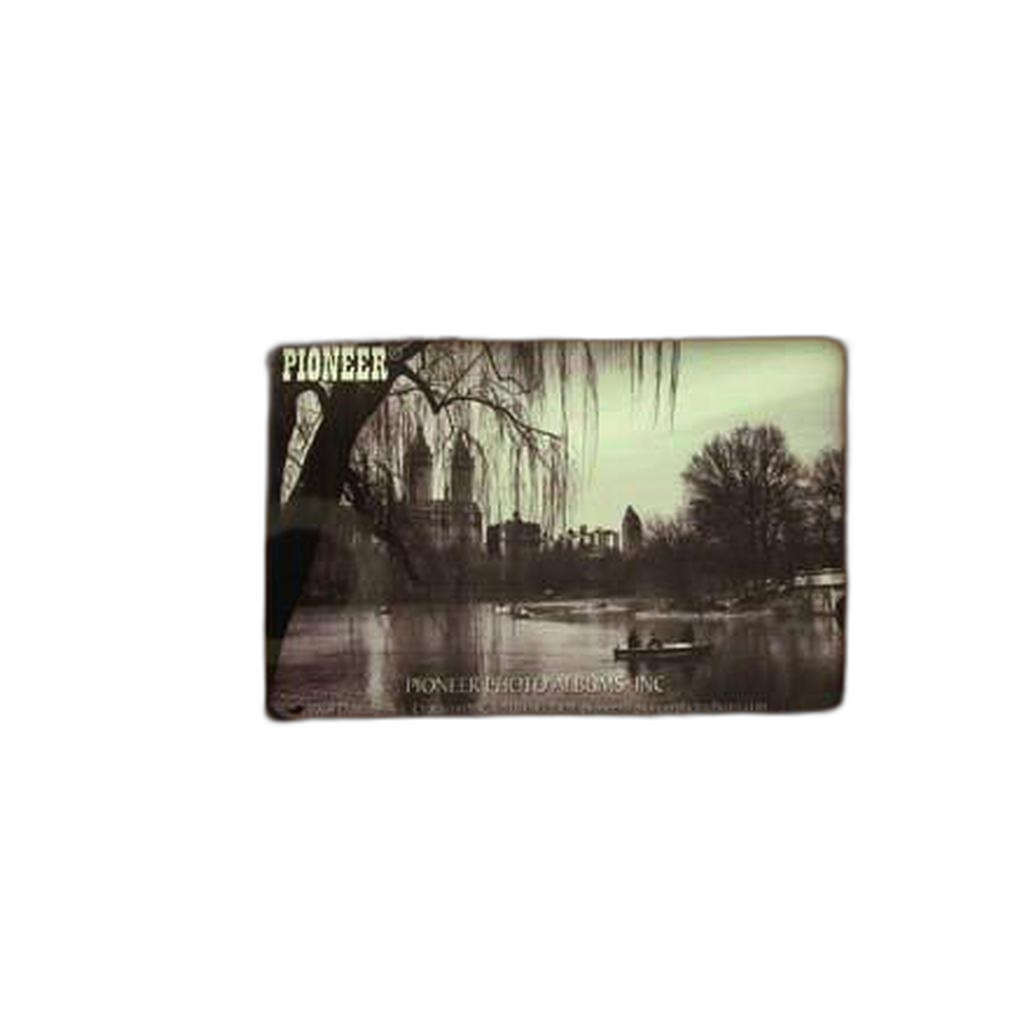
Photographers who like organizing printed memories may also appreciate a traditional album option such as the Pioneer 4 x 6 In. Embossed Leather Frame Photo Album.
Printing your landscapes is one of the best ways to evaluate sharpness, color, and composition. It also reinforces why sensor quality and lens choice matter so much.
How to Choose the Right Full Frame Camera for Your Landscape Style
If you’re still deciding, ask yourself these questions:
- Do you print large or mostly share online?
- Do you hike long distances with your gear?
- Do you prefer ultra-wide scenes or compressed telephoto landscapes?
- Will you also use the camera for portraits, wildlife, or video?
- Do you already own lenses in a specific mount?
- How important are weather sealing and rugged build quality?
The best full frame camera for landscape photography in 2024 is the one that fits your shooting habits, output goals, and budget. Unique Photo can help photographers compare bodies, lenses, classes, and finishing options to build a complete creative workflow.
Final Thoughts on the Best Full Frame Cameras for Landscape Photography in 2024
Full frame cameras remain an outstanding choice for landscape photography thanks to their image quality, dynamic range, and access to excellent lenses. In 2024, the strongest options generally fall into four categories: high-resolution bodies for maximum detail, balanced all-around cameras, lightweight mirrorless models for hiking, and rugged systems for demanding outdoor conditions.
As you compare your options, remember that the best landscape setup includes more than the camera body. Wide-angle lenses like the Zeiss Batis 18mm f/2.8 for Sony full frame users, thoughtful editing, continued education, and quality printing all play a role in the final result. Unique Photo is a valuable resource for exploring gear, improving your technique, and turning finished landscape files into prints you’ll actually enjoy displaying.
For internal linking opportunities, consider directing readers to relevant Unique Photo pages for full frame mirrorless cameras, wide-angle lenses, landscape photography classes, photo printing and custom framing, and photo albums for finished work.