If you’re buying your first interchangeable-lens camera, one question still comes up again and again: mirrorless vs DSLR for beginners. In 2024, both systems can deliver beautiful photos, sharp video, and room to grow—but they feel very different in day-to-day use. At Unique Photo, we help new photographers compare camera systems based on what actually matters: size, autofocus, ease of use, lens choices, budget, and long-term value.
The short answer? For most first-time buyers in 2024, mirrorless cameras are the best choice for beginners. They’re lighter, more modern, and often easier to use thanks to real-time previews, advanced autofocus, and strong video features. That said, DSLRs still make sense for some shoppers—especially if you want a lower-cost used setup, longer battery life, or prefer a traditional optical viewfinder experience.
What Is the Difference Between Mirrorless and DSLR Cameras?
The biggest difference between a mirrorless camera and a DSLR camera is how they show you the image.
A DSLR uses a mirror and optical viewfinder. When you look through the finder, you’re seeing directly through the lens via mirrors and prisms. A mirrorless camera removes that mirror mechanism and instead uses either the rear screen or an electronic viewfinder to display a live digital preview.
For beginners, this affects the shooting experience in several ways:
- Mirrorless: live exposure preview, face/eye detection, quieter shooting, smaller bodies
- DSLR: optical viewfinder, strong battery life, familiar handling, often excellent used-market value
If you’re learning photography, a mirrorless camera can be especially helpful because what you see on screen is usually very close to what your final image will look like. That immediate feedback can shorten the learning curve.
Is Mirrorless Better Than DSLR for Beginners in 2024?
For most people starting out, yes—mirrorless is generally better than DSLR for beginners in 2024. Camera brands have invested heavily in mirrorless development, which means many newer features are showing up there first.
Why beginners often prefer mirrorless:
- Easier exposure preview: You can see brightness, white balance, and color changes before taking the photo.
- Better autofocus: Eye detection and subject tracking are especially useful for portraits, pets, and family photography.
- Stronger video features: If you want to create YouTube videos, reels, or hybrid content, mirrorless usually wins.
- Smaller kits: A lighter camera is easier to carry and more likely to come with you.
At Unique Photo, many entry-level and enthusiast buyers naturally lean toward mirrorless because it offers a more current shooting experience and a clearer upgrade path.
When a DSLR Still Makes Sense for First-Time Camera Buyers
Even though mirrorless dominates the conversation, DSLRs are not obsolete for beginners. In fact, a DSLR can still be a smart first camera if your priorities line up with its strengths.
A DSLR may be right for you if:
- You want the lowest possible cost on a used body and lenses
- You prefer an optical viewfinder instead of an electronic display
- You shoot for long periods and value battery life
- You mainly care about still photography rather than video
Because so many photographers have upgraded to mirrorless, the used DSLR market can offer excellent value. But if you’re starting from scratch and plan to build a system over time, mirrorless is often the safer long-term investment.
Mirrorless vs DSLR Image Quality: Will Beginners Notice a Difference?
Many first-time buyers assume mirrorless automatically means better image quality. In reality, image quality depends more on sensor size, lens quality, and photographer technique than on whether the camera is mirrorless or DSLR.
A beginner using a good DSLR and quality lens can absolutely create professional-looking images. Likewise, a mirrorless camera won’t magically improve photos if lighting, composition, and settings are off.
Where mirrorless can help beginners is consistency. Features like subject detection, exposure preview, and in-body stabilization on some models can make it easier to get sharp, well-exposed images more often.
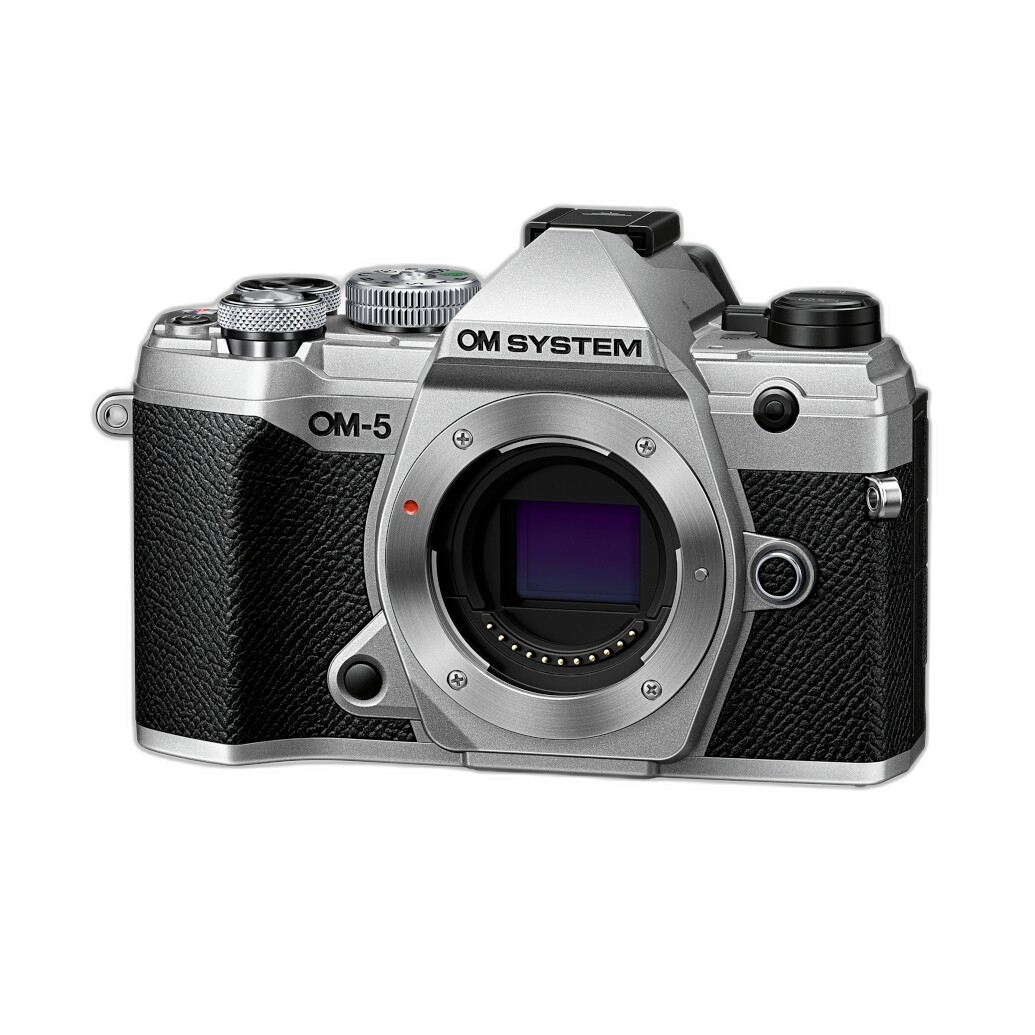
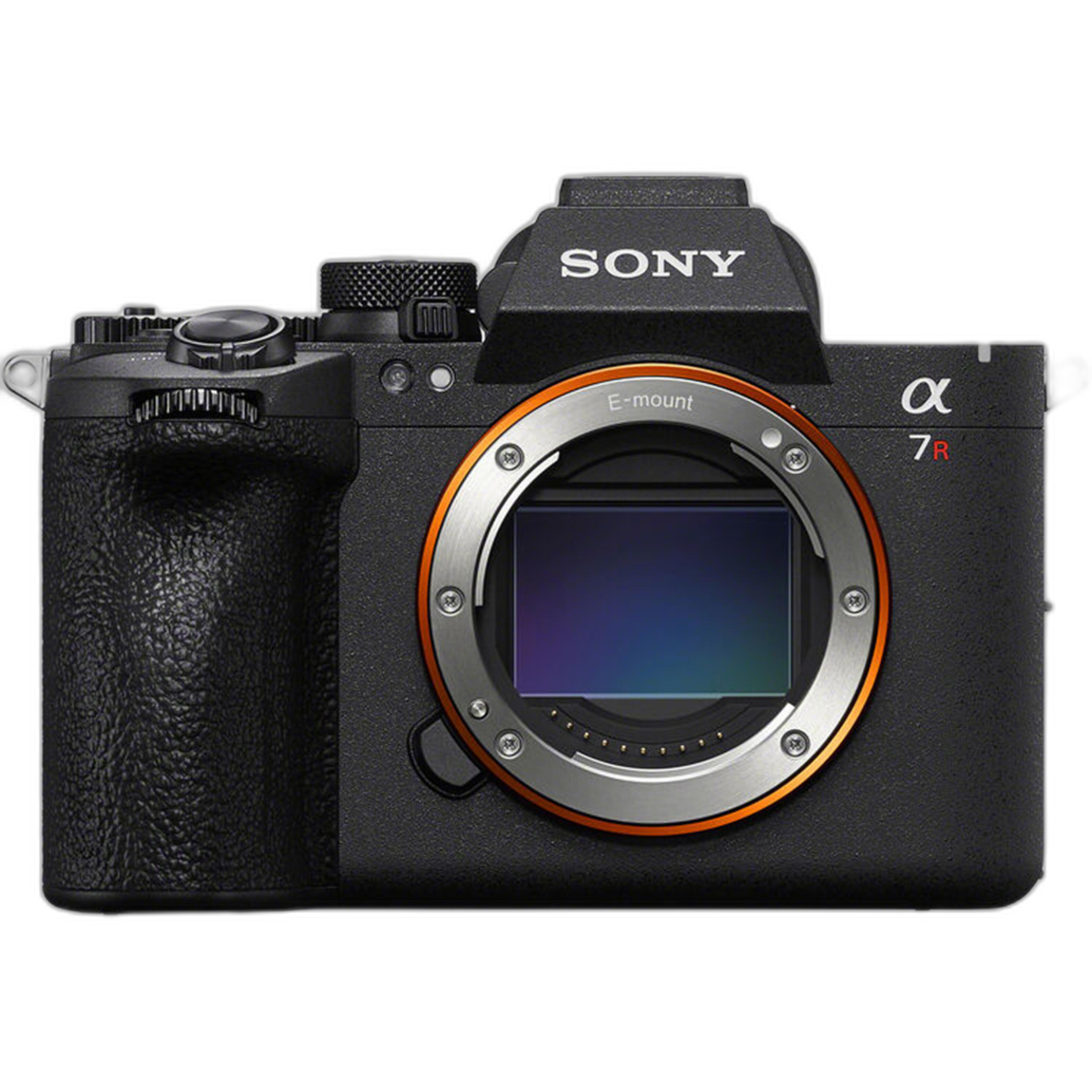
For example, models like the OM SYSTEM OM-5 Mirrorless Camera are appealing to newer photographers who want portability plus advanced tools in one compact package. On the high end, cameras like the Sony a7R VI Mirrorless Camera showcase just how far mirrorless technology has come, though that level of camera is more aspirational than entry-level for most beginners.
Are Mirrorless Cameras Easier to Learn On?
For many beginners, yes. One of the biggest benefits of mirrorless is the live feedback. When you change shutter speed, aperture, or ISO, you can often see the impact immediately on screen or in the electronic viewfinder.
That helps new photographers understand:
- How exposure works
- How white balance changes image color
- How depth of field shifts with aperture
- When focus is landing on the right subject
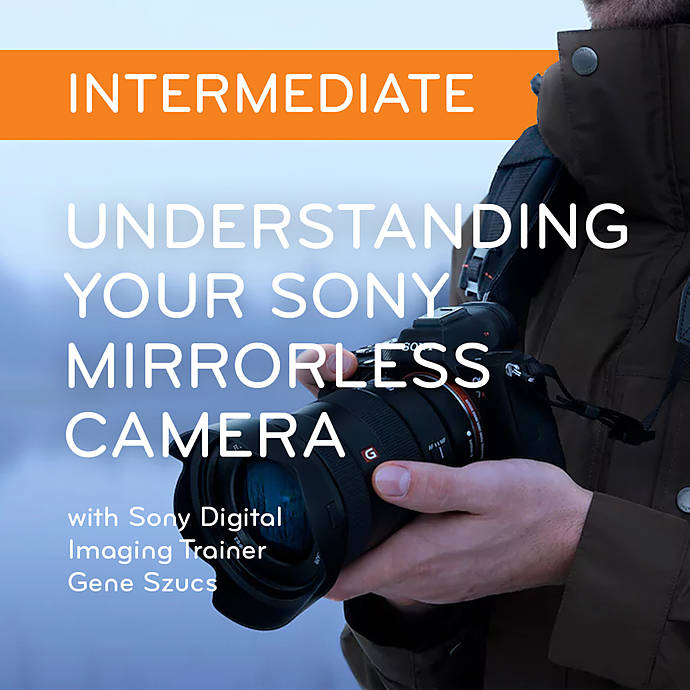
Learning is also easier when you have access to education. Unique Photo offers classes and training opportunities for photographers building their skills. For Sony users moving beyond the basics, options like Understanding Your Sony Mirrorless Camera: Intermediate show how education can help you get more from your gear faster.
Mirrorless vs DSLR for Travel, Family Photos, and Everyday Use
If your first camera will be used for vacations, family events, kids, pets, or day trips, mirrorless often has the edge. A smaller body and lighter kit make a real difference when you’re carrying your camera all day.
Popular beginner-friendly advantages include:
- Compact size: easier to fit in a bag
- Silent or quiet shooting: helpful for events and candid moments
- Fast eye autofocus: useful for children and pets that won’t stay still
- Better mobile workflow: many newer mirrorless systems are built with fast sharing in mind
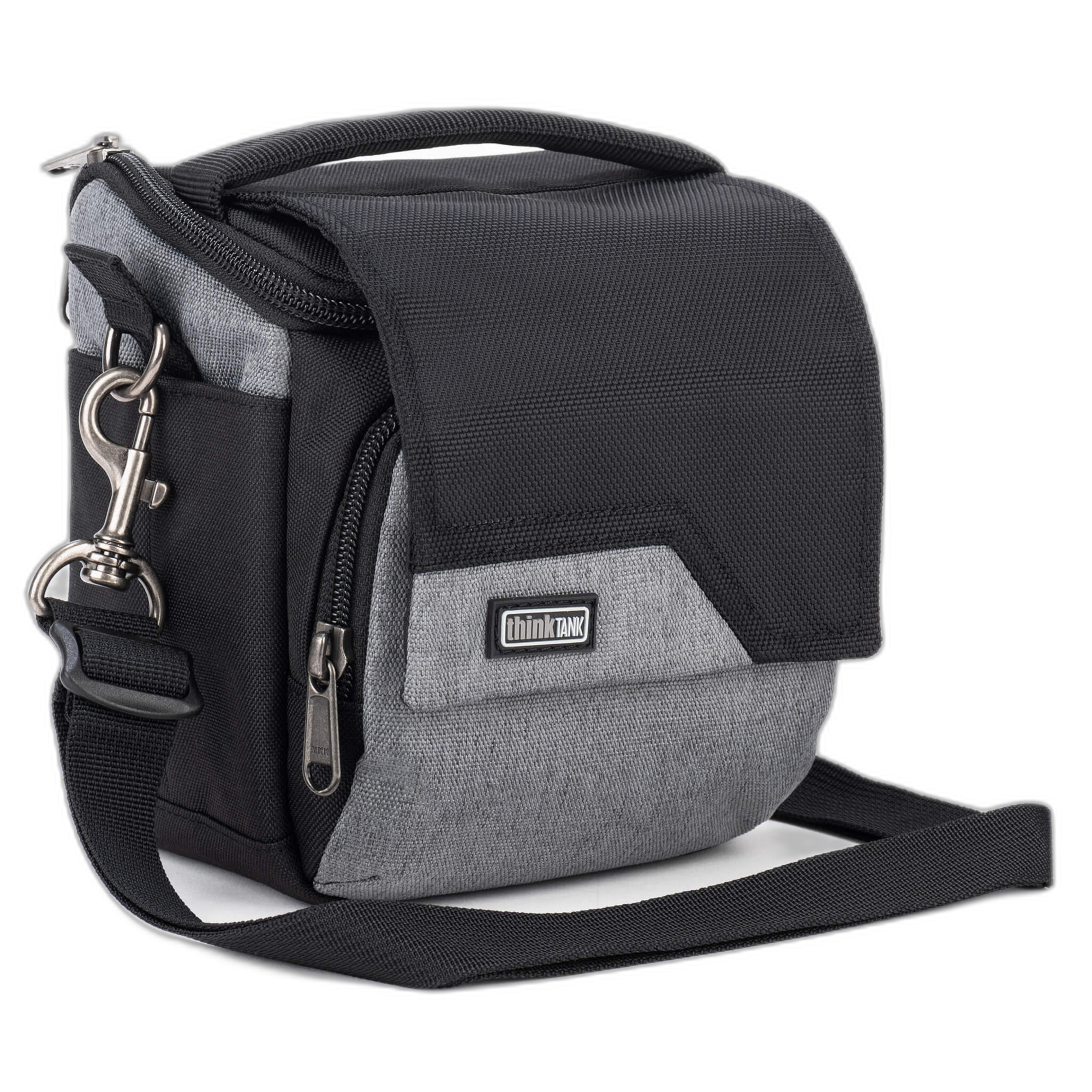
Accessories matter too. A compact carrying solution such as the Think Tank V2 Mirrorless Mover 10 Cool Grey pairs naturally with smaller mirrorless setups and helps beginners protect gear without adding bulk.
Best Camera Type for Beginner Video Creators
If you want to shoot both photos and video, mirrorless is usually the clear winner. In 2024, beginner creators often want one camera for stills, vlogging, short-form video, and travel content. Mirrorless systems are generally better suited to that hybrid role.
Why mirrorless is better for beginner video:
- Reliable face and eye autofocus during recording
- Strong live view and articulating screen options on many models
- Better support for modern video features
- Smaller setups for handheld shooting or gimbals
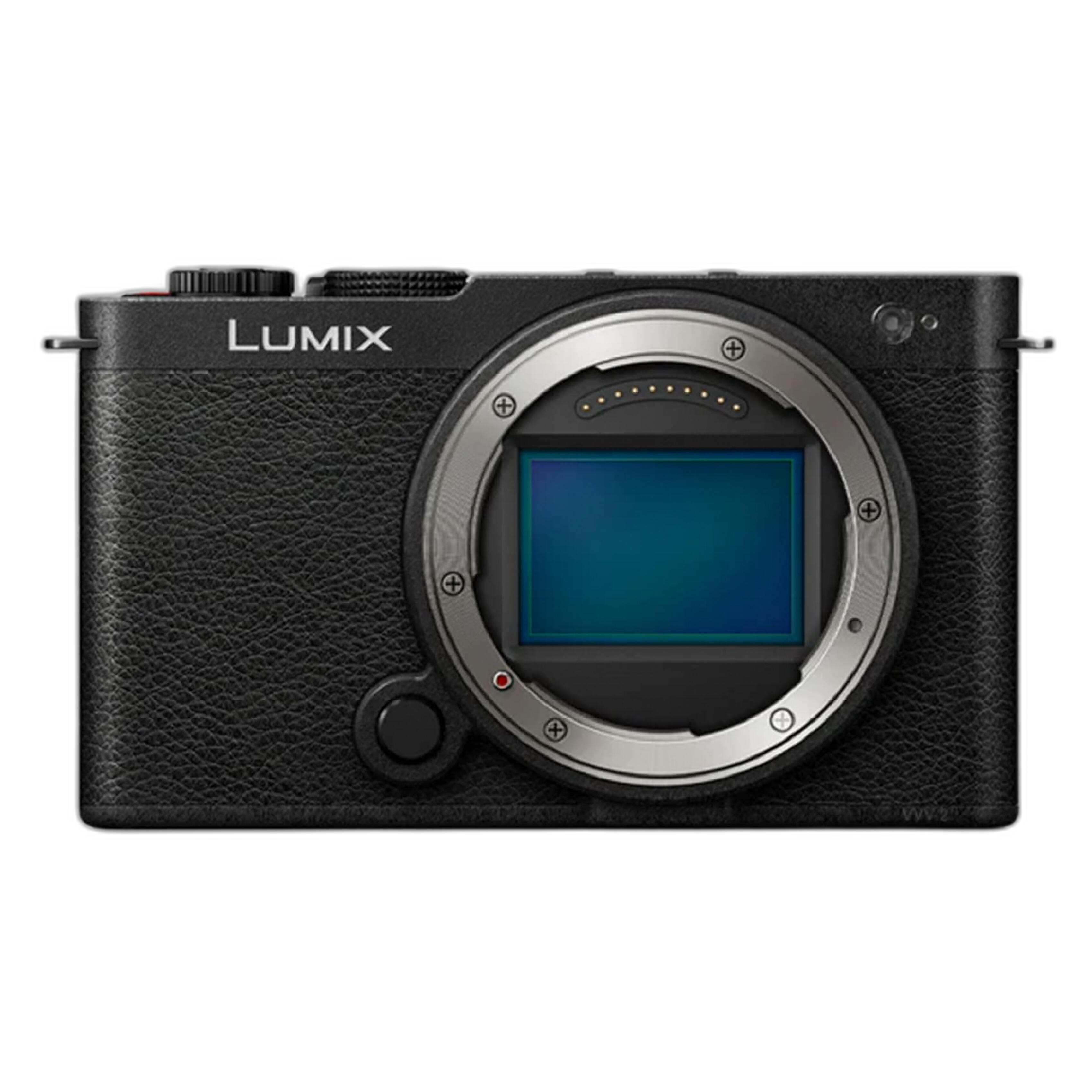
Used mirrorless gear can also be an excellent value for creators. Depending on your budget, a pre-owned option from Unique Photo—such as a Used Panasonic LUMIX S9 Mirrorless Camera, Used Canon EOS R3 Mirrorless Digital Camera, or a more compact used mirrorless body—may let you access modern features at a friendlier price point.
Are DSLRs Cheaper Than Mirrorless Cameras for Beginners?
They can be—especially on the used market. If your main goal is to get the most camera for the least money, a used DSLR kit may still be worth considering. Older DSLR bodies and lenses can offer great results for casual photography.
However, beginners should think beyond the initial price. Ask yourself:
- Will I want better autofocus later?
- Do I plan to shoot video?
- Do I want a system with the newest lens and body development?
- Do I care about compact size for travel and daily use?
Sometimes a slightly higher initial investment in mirrorless makes more sense if it prevents an upgrade a year later. Unique Photo’s mix of new and used gear can be especially helpful here, since beginners can compare value across different systems instead of focusing only on sticker price.
What About Used Mirrorless Cameras for Beginners?
Used mirrorless cameras are one of the smartest shopping categories in 2024. They offer many of the benefits beginners want—modern autofocus, compact design, and good video tools—without the cost of buying brand-new flagship equipment.
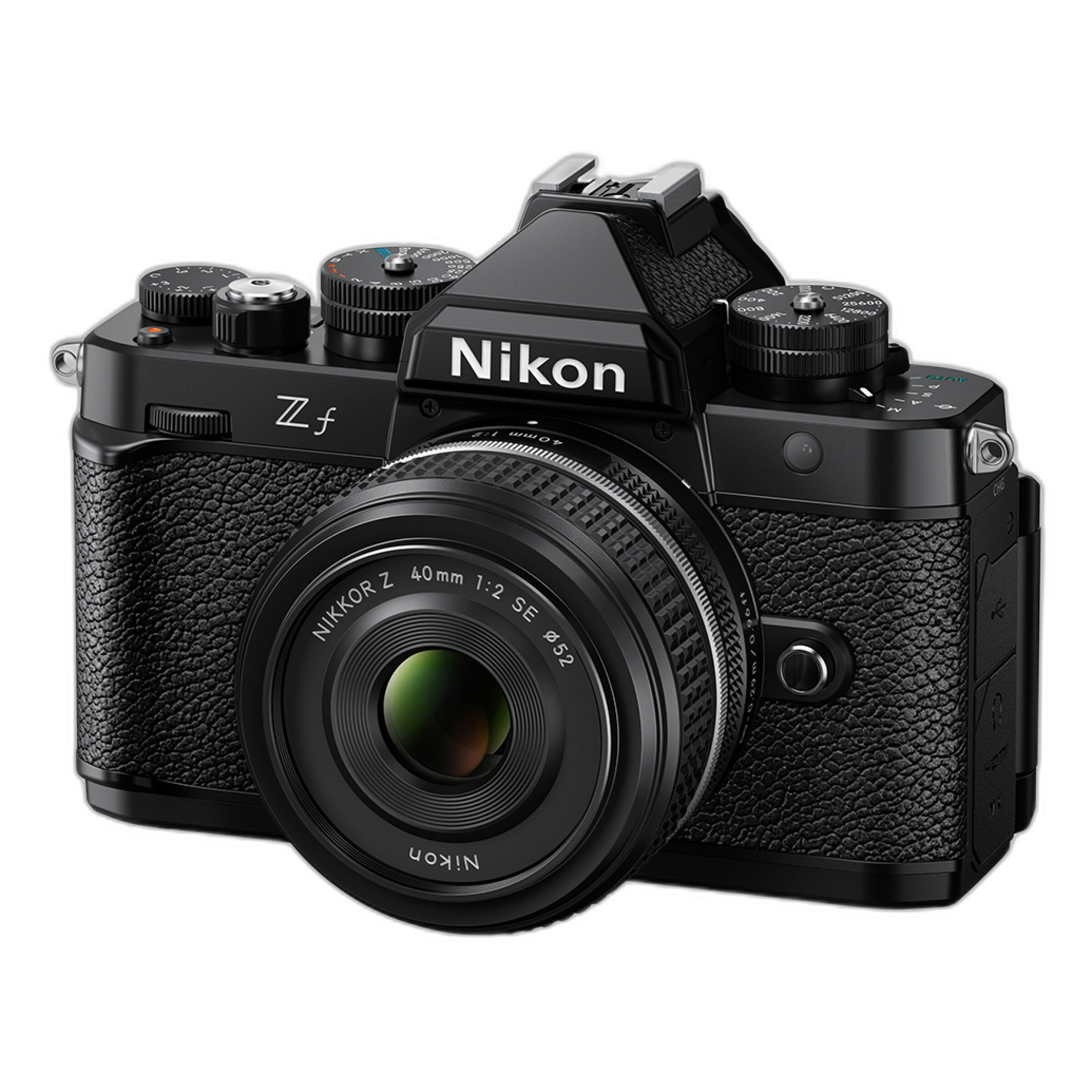
For example, a pre-owned model like the Used Nikon Zf Mirrorless Camera with 40mm f/2 SE Lens or a compact option such as the Used Canon M100 Mirrorless Camera w/ 15-45mm Lens can make the jump into photography much more accessible. Shopping used through a trusted retailer like Unique Photo can also provide more confidence than buying from an unknown source.
How to Choose Between Mirrorless and DSLR as a Beginner
If you’re still unsure, use this simple checklist:
Choose mirrorless if you want:
- The easiest learning curve
- Modern autofocus and tracking
- Better video performance
- A smaller, lighter camera system
- A future-focused platform
Choose DSLR if you want:
- The best bargain in used gear
- A traditional optical viewfinder
- Long battery life
- A photography-first setup with lower upfront cost
For most new photographers in 2024, mirrorless checks more boxes. But the best beginner camera is the one you’ll actually carry, use, and enjoy learning with.
Final Verdict: Mirrorless vs DSLR for Beginners in 2024
So, which is best for beginners: mirrorless or DSLR? In 2024, mirrorless is the better choice for most people. It’s easier to learn on, stronger for hybrid photo/video use, and better aligned with where the camera industry is headed. DSLRs still offer great value, especially on the used market, but they’re no longer the default recommendation for first-time buyers.
If you’re shopping for your first camera, Unique Photo is a great place to compare new and used mirrorless options, explore bags and accessories, and find educational resources that help you learn faster. In particular, consider linking your next steps to internal category pages and resources such as Mirrorless Cameras, Used Cameras, Camera Bags, and Photography Classes so readers can move naturally from research to purchase.
Whether you start with a compact beginner body or dream about advanced models down the road, the right system is the one that supports your creativity from day one.