Best Compact Travel Cameras in 2024: FAQ for Smart Packing
Choosing a travel camera in 2024 is less about finding a single “best” model and more about matching the camera to the way you actually travel. Some photographers want premium image quality in the smallest possible package, while others prioritize zoom range, simplicity, or a camera that complements a smartphone rather than replaces it.
At Unique Photo, we help travelers sort through those tradeoffs every day. Below, we answer the most common questions about compact travel cameras, small-sensor performance, smartphone photography, and whether compact mirrorless add-ons really make sense on the road.
1. What makes a great compact travel camera in 2024?
A strong travel camera needs to balance size, speed, image quality, battery life, and convenience. In practical terms, the best compact travel camera is the one you will actually carry from breakfast to sunset, through airports, museums, city walks, and day trips. A camera that is technically impressive but left in the hotel room is less useful than a smaller model that is always within reach.
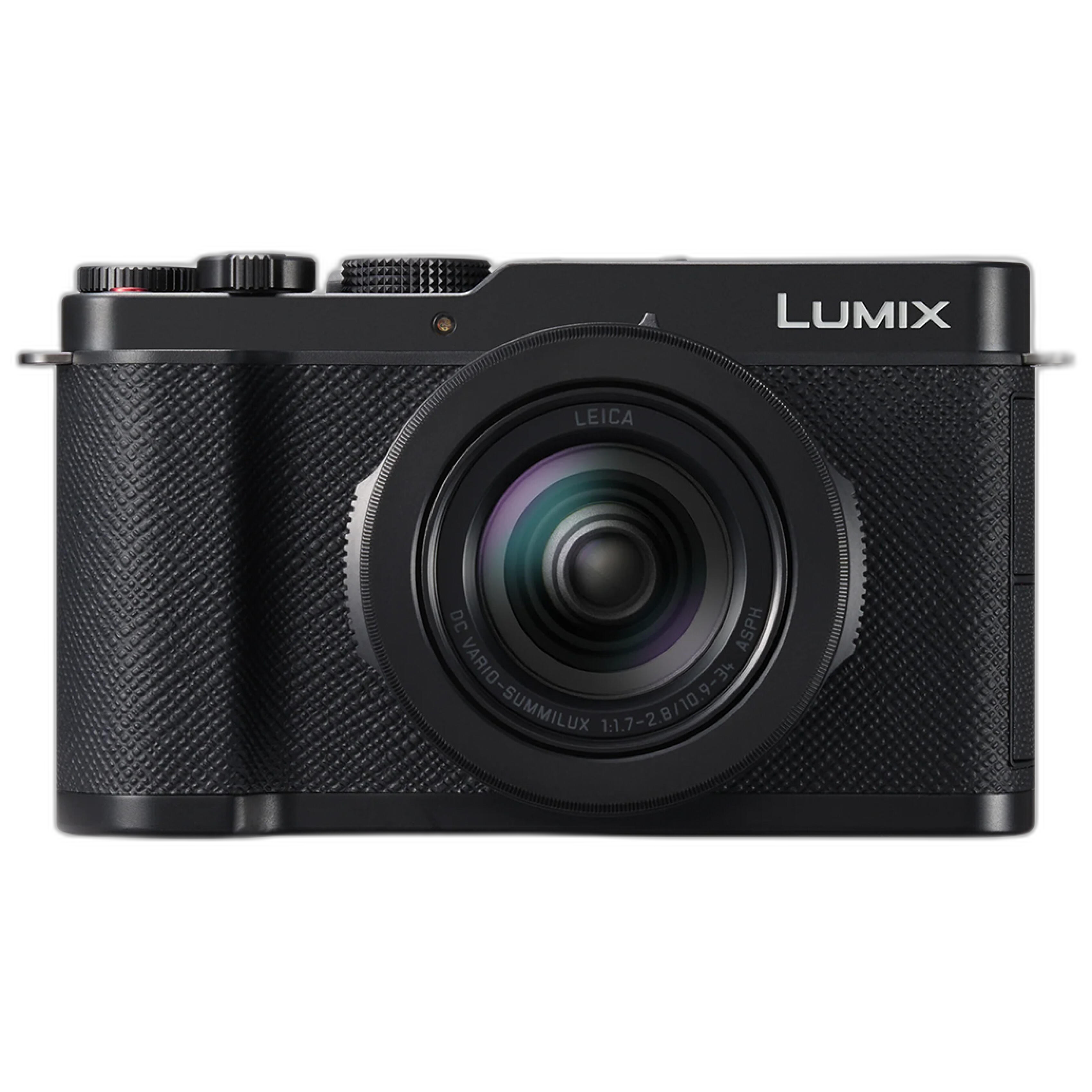
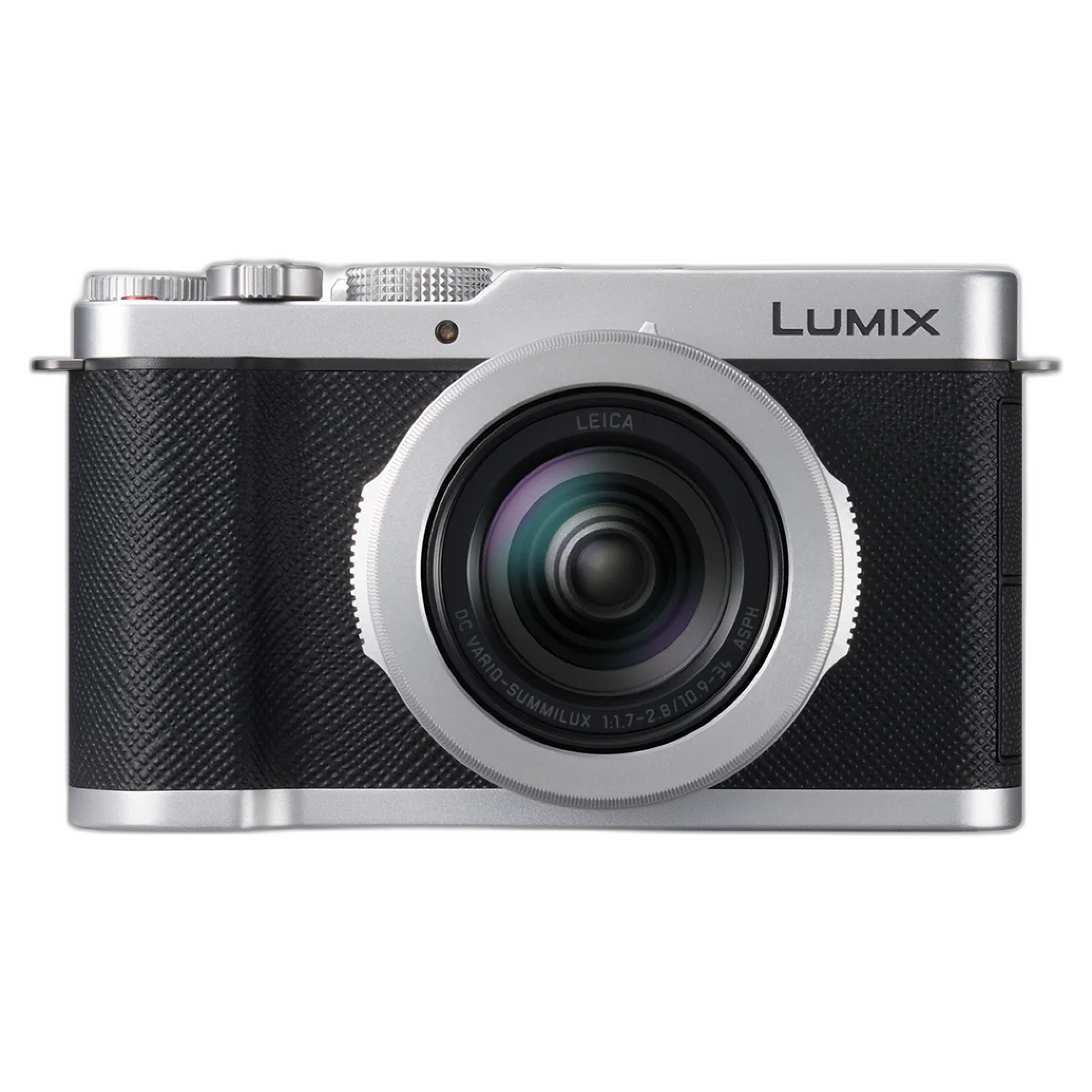
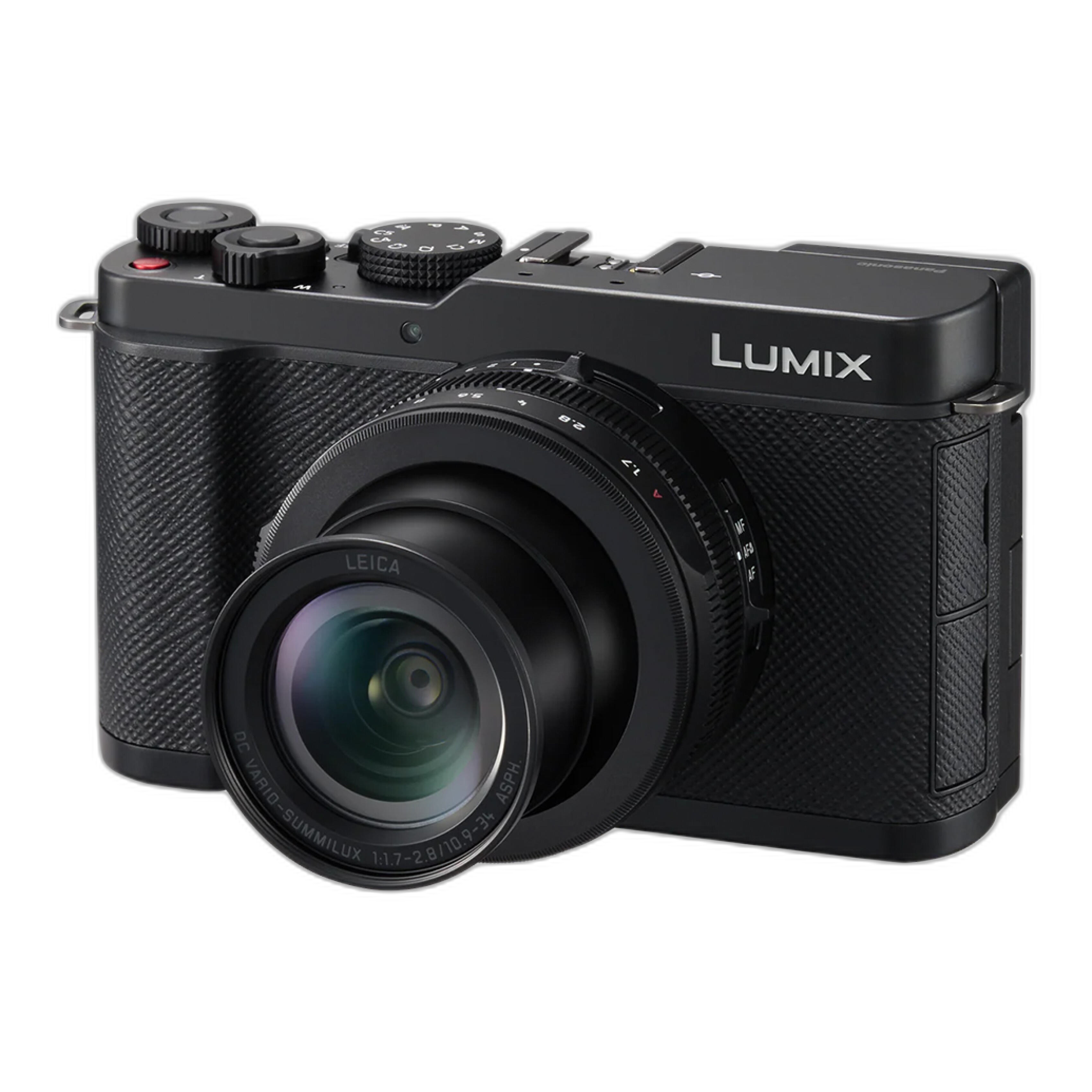
For many travelers, that means looking for a compact body with a versatile built-in lens, dependable autofocus, and easy wireless transfer to a phone. If you want a straightforward all-in-one option, the Panasonic Lumix L10 M4/3 Compact Camera offers a more photography-focused experience than a phone, while staying far more portable than a full-sized interchangeable-lens setup.
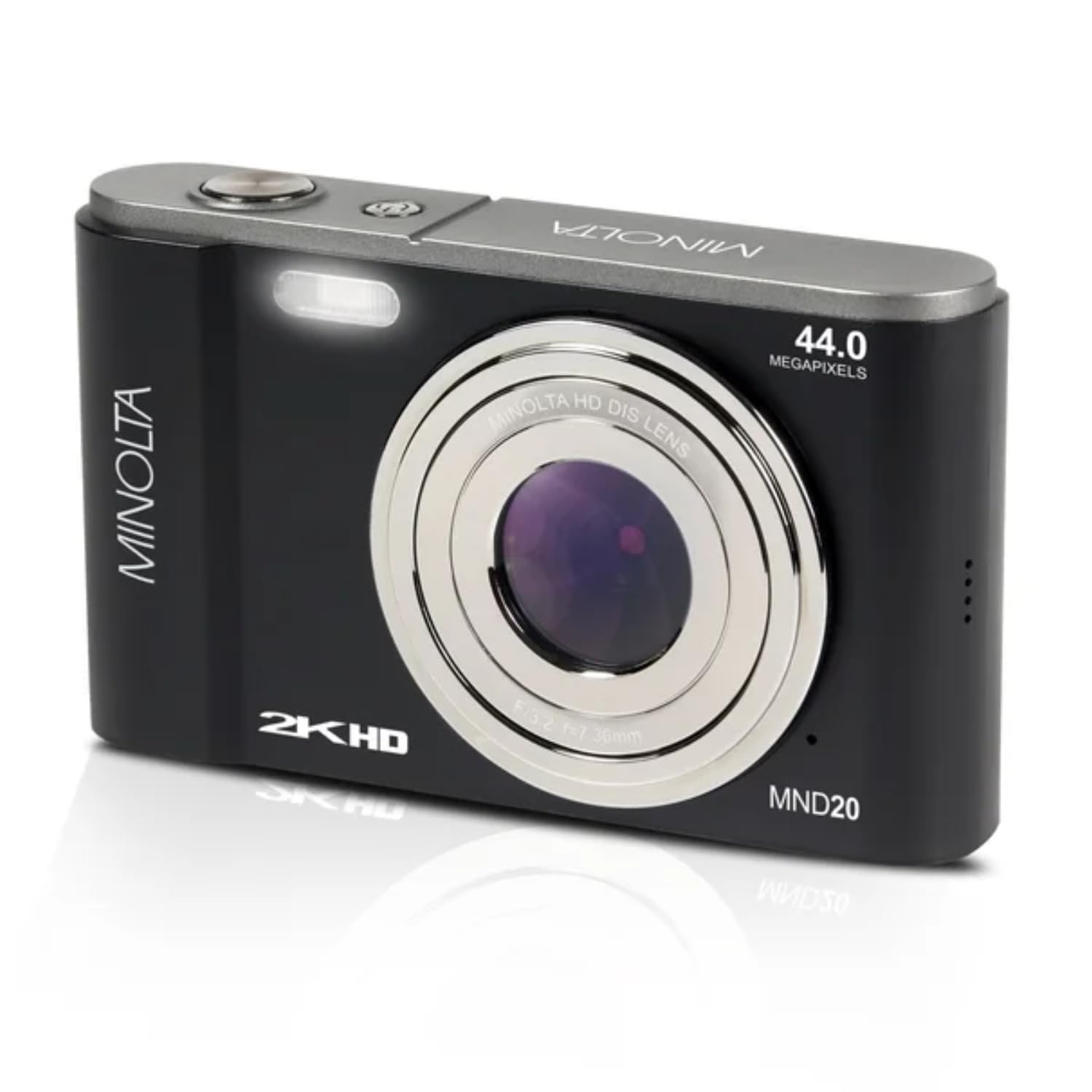
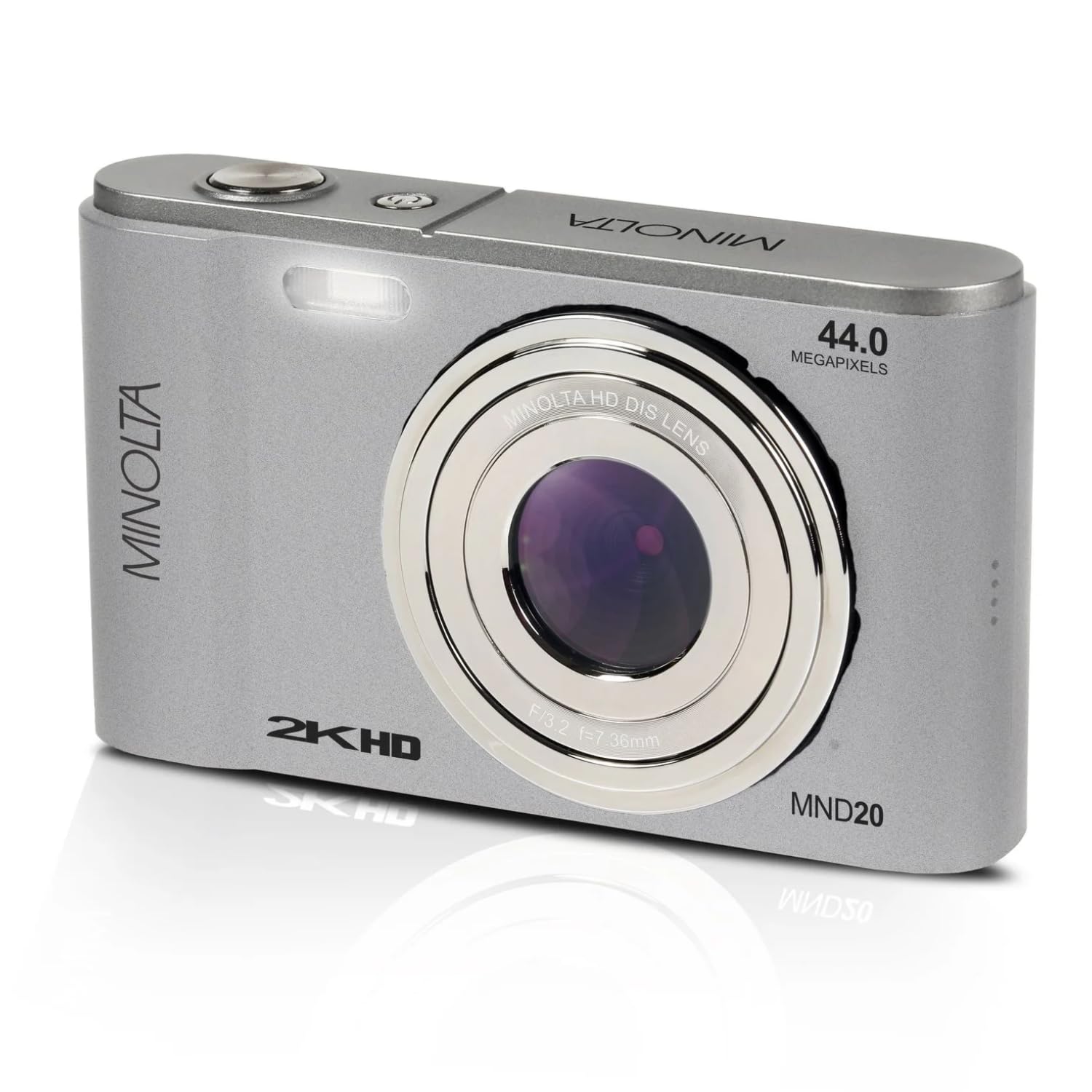
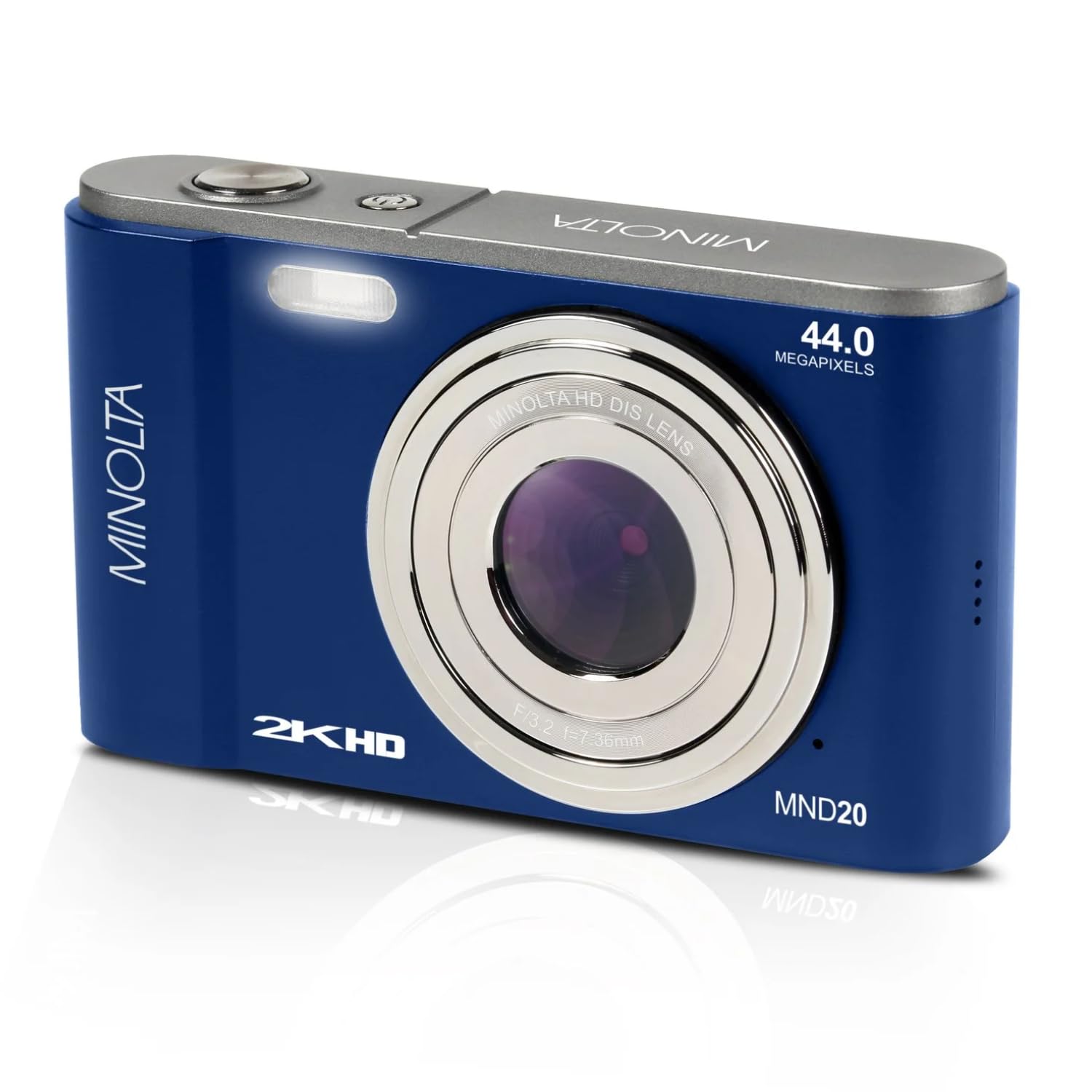
Budget-conscious travelers may also prefer simple point-and-shoot options such as the Minolta MND20 series, which gives casual shooters an easy, lightweight camera for vacations, family trips, and everyday sightseeing.
2. How does a premium compact compare with a fixed-lens enthusiast camera like the Fujifilm X100VI?
This is one of the biggest travel-camera decisions today: do you want maximum pocketability, or do you want a more immersive photographic tool with stronger handling and a larger sensor? In real-world travel use, premium pocket cameras tend to win on convenience. They slip into a jacket pocket or small sling, draw less attention, and are easier to carry all day.
Fixed-lens enthusiast cameras in the X100-style category appeal to photographers who value a specific shooting experience: a larger sensor, direct controls, and a single focal length that encourages intentional composition. The tradeoff is flexibility. A compact zoom camera can adapt more easily to architecture, food, landscapes, and casual portraits without forcing you to “zoom with your feet” in crowded or restricted spaces.
If your priority is travel practicality, a compact model like the Panasonic Lumix L10 is often the easier companion. If your priority is a more deliberate, premium still-photography workflow, a larger fixed-lens camera may feel more satisfying. The key question is whether you want a camera that disappears into your day or one that becomes part of your creative process.
3. Can a smartphone replace a dedicated travel camera?
For many travelers, a smartphone is good enough for quick snapshots, social sharing, and casual video. Modern phones are excellent in bright light, especially for wide scenes, food, selfies, and computational HDR images. They are also unbeatable for convenience because they are already in your pocket and connected to editing and sharing apps.
That said, a dedicated camera still offers real advantages for serious travel photography. A purpose-built camera generally provides better ergonomics, longer shooting sessions without thermal or battery issues, more tactile control, and optical zoom options that preserve quality better than digital crop methods. If you like editing files later, printing your images, or photographing subjects beyond the phone’s default perspective, a compact camera remains a worthwhile upgrade.
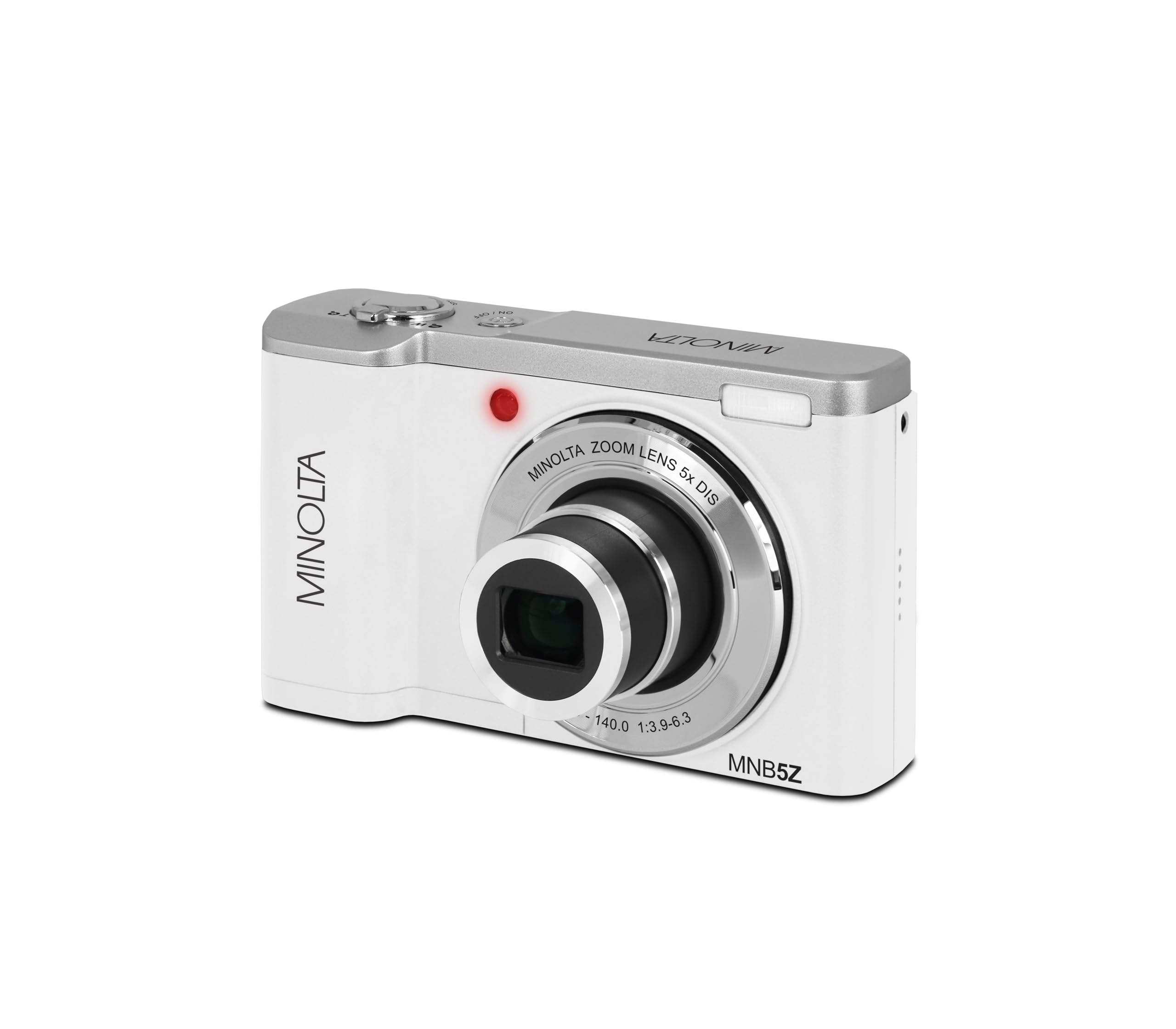
A practical strategy is to let the phone handle convenience and let the camera handle moments you care about most. For example, you might use your smartphone for maps, quick clips, and social posts, then rely on a compact like the Panasonic Lumix L10 or a zoom-capable model such as the Minolta MNB5Z when you want more framing flexibility.
4. What are the best tips for getting better image quality from a small-sensor travel camera?
Small-sensor cameras can produce very pleasing travel photos when used thoughtfully. The biggest improvement usually comes from technique rather than settings menus. First, give the camera as much light as possible. Shoot outdoors in daylight, near windows, or during golden hour when the light is softer and more flattering.
Second, keep ISO as low as practical. Higher ISO settings introduce more noise on smaller sensors, so if your subject is not moving, brace yourself against a wall, use a stable stance, or set the camera down briefly to maintain sharper results. Third, avoid overusing digital zoom; optical zoom or physically moving closer will usually preserve better detail.
It also helps to expose carefully. Protect highlights in bright scenes, especially when photographing reflective buildings, beaches, or snow. If your camera offers burst shooting, use it for moving subjects to improve your odds of getting one perfectly sharp frame. Finally, pay attention to lens cleanliness—compact cameras ride in pockets and bags, and a quick wipe can dramatically improve contrast.
Entry-friendly options like the Minolta MND20 are best used in good light and for everyday travel moments where portability matters more than extreme low-light performance.
5. Should I bring a compact camera with zoom, or is a fixed focal length better for travel?
Zoom is often the more practical choice for travel. It helps when you are photographing a distant landmark, framing details on a building, capturing candid moments across a street, or composing around crowds. On a fast-moving trip, versatility often beats purity.
A fixed focal length can still be fantastic if you know your style. Many street and documentary photographers love the consistency and discipline of a single angle of view. But for a general-purpose vacation camera, built-in zoom reduces missed opportunities and lets one device cover more situations without additional lenses.
This is why compact zoom models remain popular with travelers. If you want a lightweight camera that can adapt from city scenes to family portraits to scenic overlooks, consider options like the Panasonic Lumix L10 or the Minolta MNB5Z, depending on your budget and desired level of control.
6. Is it worth carrying lens adapters for compact mirrorless bodies while traveling?
Usually, only if you have a very specific reason. Lens adapters can be fun and creatively rewarding, especially if you want to use a favorite legacy lens or achieve a distinct rendering style. But for travel, they often add bulk, complexity, and setup time. That can work against the whole point of a compact system.
Adapters may also affect autofocus performance, handling balance, and overall speed. On a travel day, convenience matters: security checks, long walks, changing weather, and limited bag space all favor a simple, self-contained setup. If your goal is easy packing and fast shooting, a compact camera with a strong built-in lens is often the smarter choice.
Our advice is simple: if you are traveling specifically to make photographs and are comfortable with a slower, more deliberate workflow, adapters can be worthwhile. If you are traveling with family, on a work trip, or trying to stay light, skip the adapter and bring the most capable compact you can comfortably carry.
7. Are action-style compact cameras a good alternative for travel?
They can be excellent, depending on the trip. If your travel plans include hiking, biking, beaches, boats, skiing, or fast-paced behind-the-scenes video, an action-oriented compact can be more useful than a traditional point-and-shoot. These cameras are built for movement, quick mounting, and immersive footage.
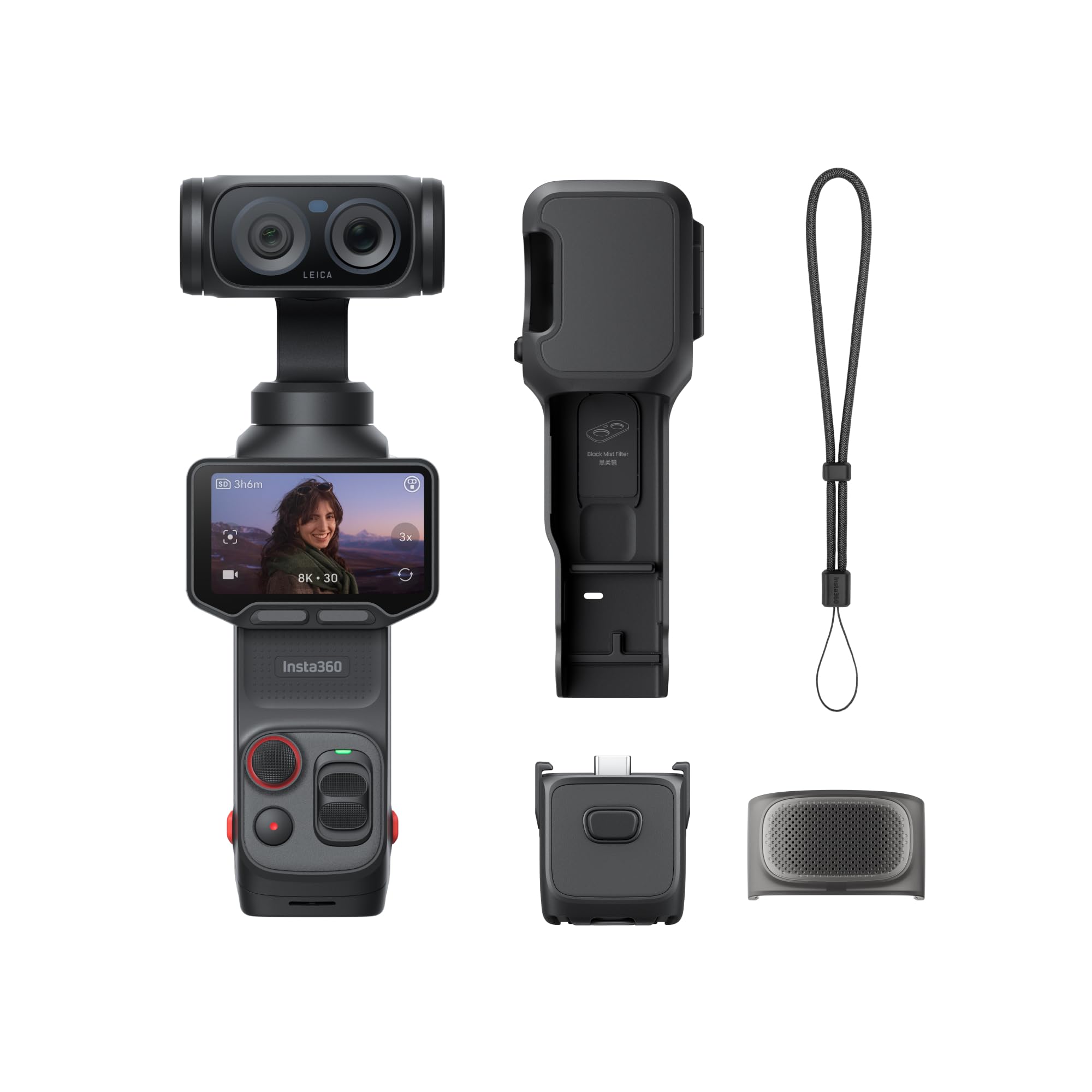
The Insta360 Luna Ultra Standard Bundle is a strong example for travelers who care more about capturing dynamic experiences than traditional still-photography ergonomics. It is especially appealing for creators who want short-form video, POV clips, and travel storytelling that a phone cannot always capture as reliably in challenging conditions.
If your trip is centered on adventure content, an action camera may pair beautifully with your smartphone. If your focus is classic travel photography—architecture, food, portraits, city scenes—a more conventional compact camera will usually be easier to compose with and more comfortable for stills.
8. What is the best compact travel camera choice for different types of travelers?
The best choice depends on how you shoot. If you want the most balanced dedicated-camera option for general travel photography, a compact model like the Panasonic Lumix L10 is a smart place to start. It suits travelers who want better handling and a more camera-centric experience than a smartphone alone can provide.
If you want an affordable vacation camera for casual use, the Minolta MND20 line is approachable, lightweight, and easy to toss into a day bag. Travelers who want more zoom reach may prefer the Minolta MNB5Z, especially for sightseeing and family travel where framing flexibility matters.
For adventure creators and hybrid travelers who prioritize video and immersive capture, the Insta360 Luna Ultra Standard Bundle stands out as a specialized complement to a phone. And if you enjoy the character of older premium compacts, checking Unique Photo’s used selection—such as a Leica D-Lux series camera when available—can be a great way to find a travel-friendly classic with strong optical pedigree.
Ultimately, the right travel camera is the one that fits your pace, your bag, and your style of photography. If you are building a lightweight kit for your next trip, Unique Photo can help you compare compact cameras, choose the right features, and find a travel-ready option that makes sense for the way you shoot.