Best Beginner Lenses for Portrait Photography in 2024
Choosing your first portrait lens can feel harder than buying your first camera body. New photographers usually want flattering perspective, strong background blur, reliable autofocus, and a price that still leaves room in the budget for memory cards, lighting, or a camera bag.
At Unique Photo, we help beginners sort through the real priorities: focal length, aperture, subject distance, and system compatibility. This FAQ breaks down the most common portrait lens questions for 2024 and highlights a few strong options available at Unique Photo for photographers building a portrait kit.
Is a 50mm f/1.8 still the best budget portrait lens?
For many photographers, a 50mm f/1.8 is still one of the smartest entry points into portrait photography. It is usually affordable, lightweight, and fast enough to create pleasing background separation. On a full-frame camera, 50mm works well for half-body portraits, casual headshots, and everyday people photography. On APS-C, it behaves more like a short telephoto, which can be even better for tighter portraits.
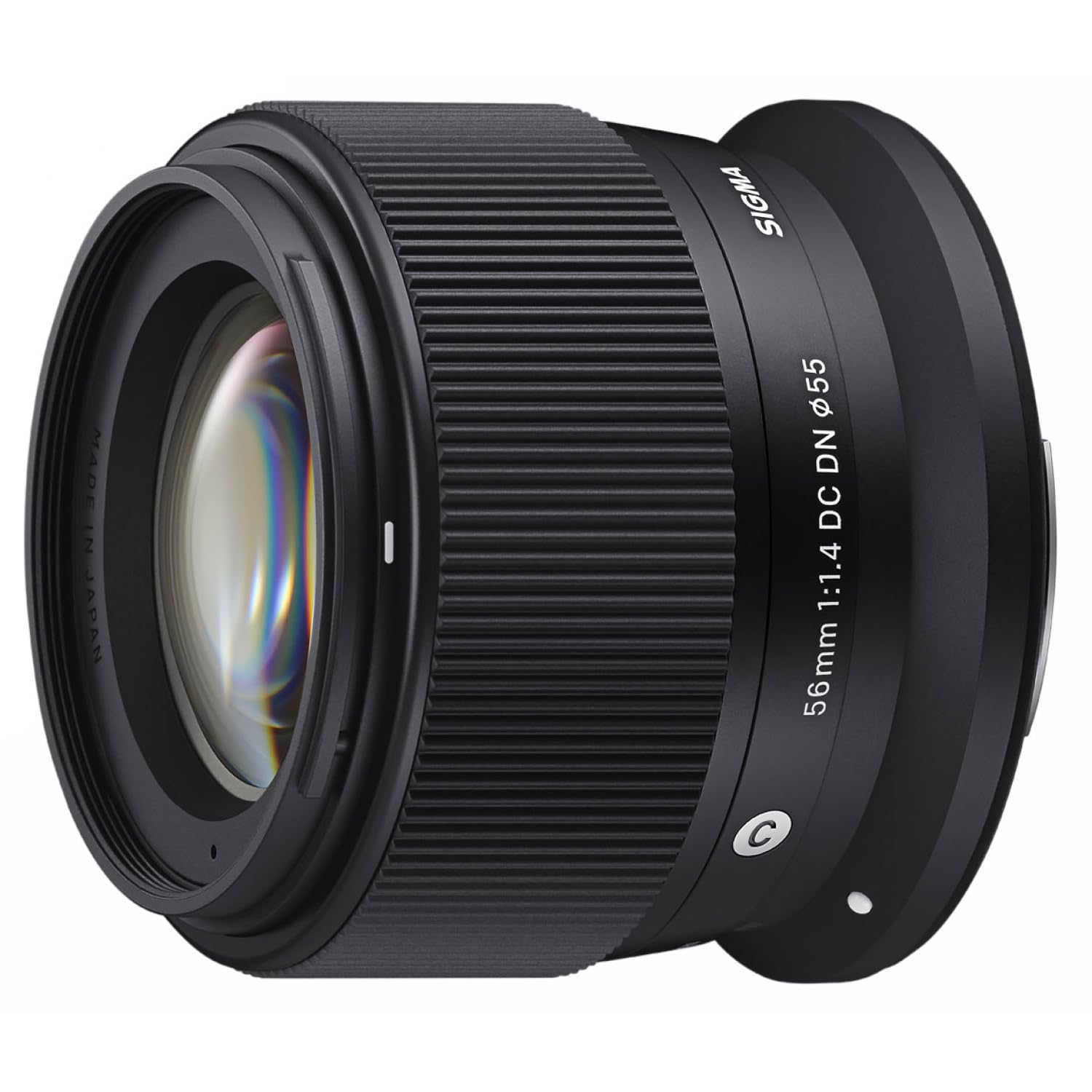
That said, it is not automatically the best choice for everyone. If you shoot on APS-C or Micro Four Thirds and want a more classic portrait look, a lens in the 45mm to 56mm range may be more flattering than a standard 50mm equivalent. For example, the Sigma 56mm f/1.4 DC DN Contemporary for Canon RF is an excellent portrait-friendly option for Canon APS-C mirrorless users who want strong subject isolation without jumping to a much larger or more expensive lens.
If your goal is simply to get started with portraiture on a budget, a 50mm-class lens remains relevant. But in 2024, beginners have more system-specific options that may suit portrait work even better than the traditional recommendation.
How do I choose between 50mm, 56mm, 75mm, and 85mm for portraits?
The best focal length depends on the kind of portraits you want to make. Shorter focal lengths let you include more of the scene, while longer lenses compress perspective and make it easier to blur busy backgrounds.
50mm or 56mm is a strong starting point for beginners because it is flexible. A lens like the Sigma 56mm f/1.4 on APS-C gives you a flattering angle of view for head-and-shoulders portraits and can also handle detail shots or tighter environmental portraits.
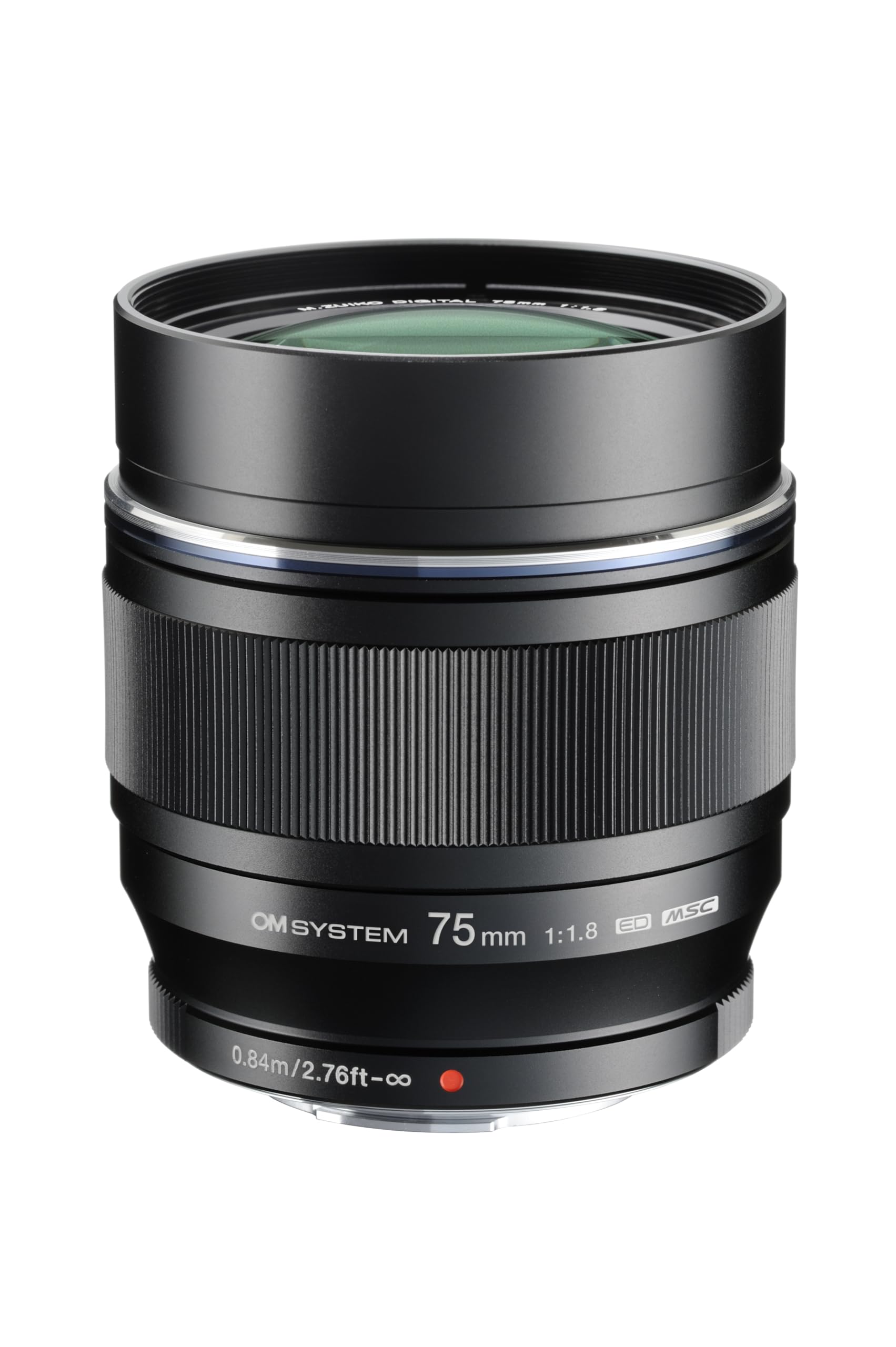
75mm or 85mm is often preferred for more classic portrait rendering. These focal lengths let you step back, avoid facial distortion, and create a more polished look. For Micro Four Thirds users, the OM SYSTEM M.Zuiko Digital ED 75mm f/1.8 is a standout choice for crisp, elegant portraits with strong separation.
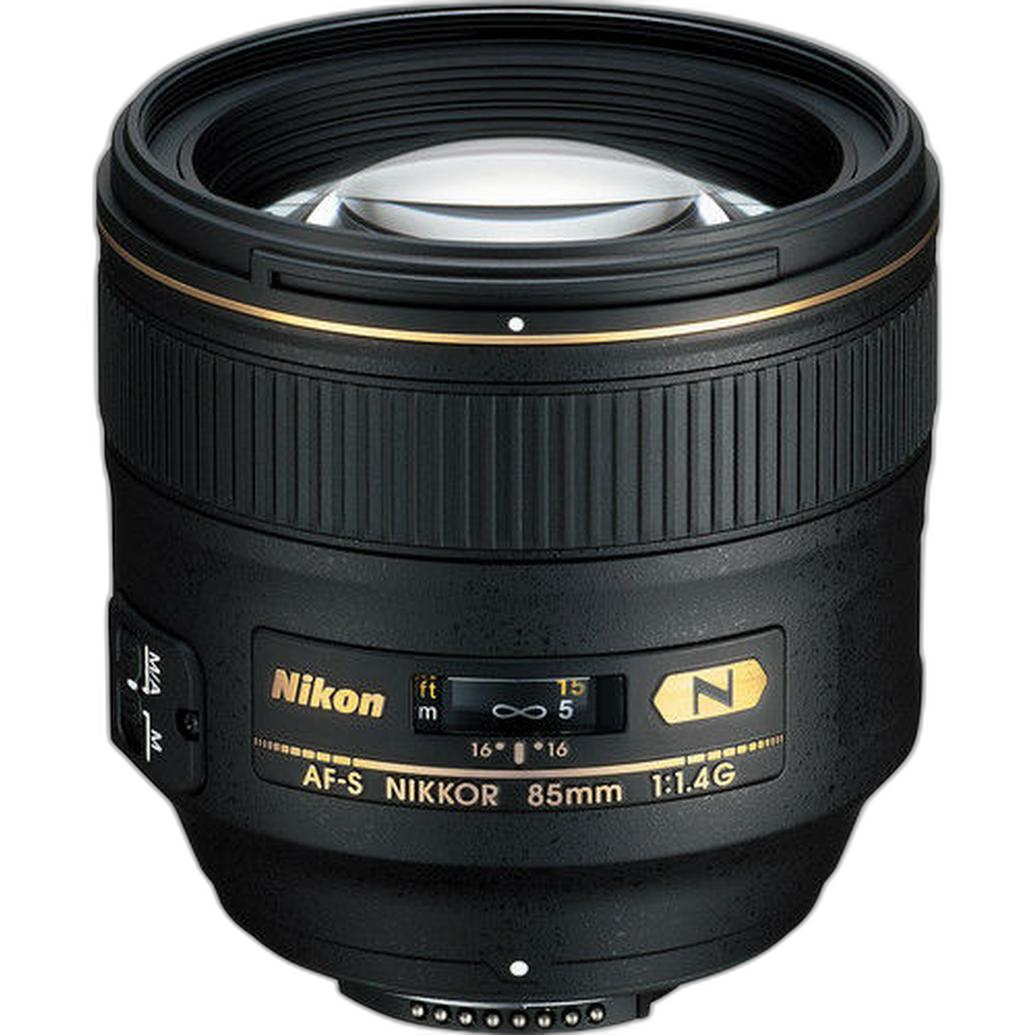
For full-frame DSLR photographers who want a premium portrait look, the Nikon AF-S Nikkor 85mm f/1.4G remains a beautiful example of why 85mm is so respected for portraiture. It offers the flattering compression and shallow depth of field many portrait shooters love.
In practical terms, 50mm or 56mm is easier to live with as an all-around first portrait lens, while 75mm and 85mm are stronger if your main goal is dedicated portrait work.
How do newer Sigma and Tamron-style third-party primes compare to OEM lenses?
Modern third-party lenses have improved dramatically. Today, many photographers choose Sigma or Tamron because they deliver sharp optics, fast apertures, and compact designs at prices that are often easier for beginners to justify than premium first-party glass.
For example, the Sigma Contemporary line has become especially popular with mirrorless users who want a strong balance of image quality and value. The Sigma 56mm f/1.4 DC DN Contemporary for Canon RF is a good example of a lens that appeals to beginners and enthusiasts alike because it offers portrait-friendly focal length, bright aperture, and manageable size.
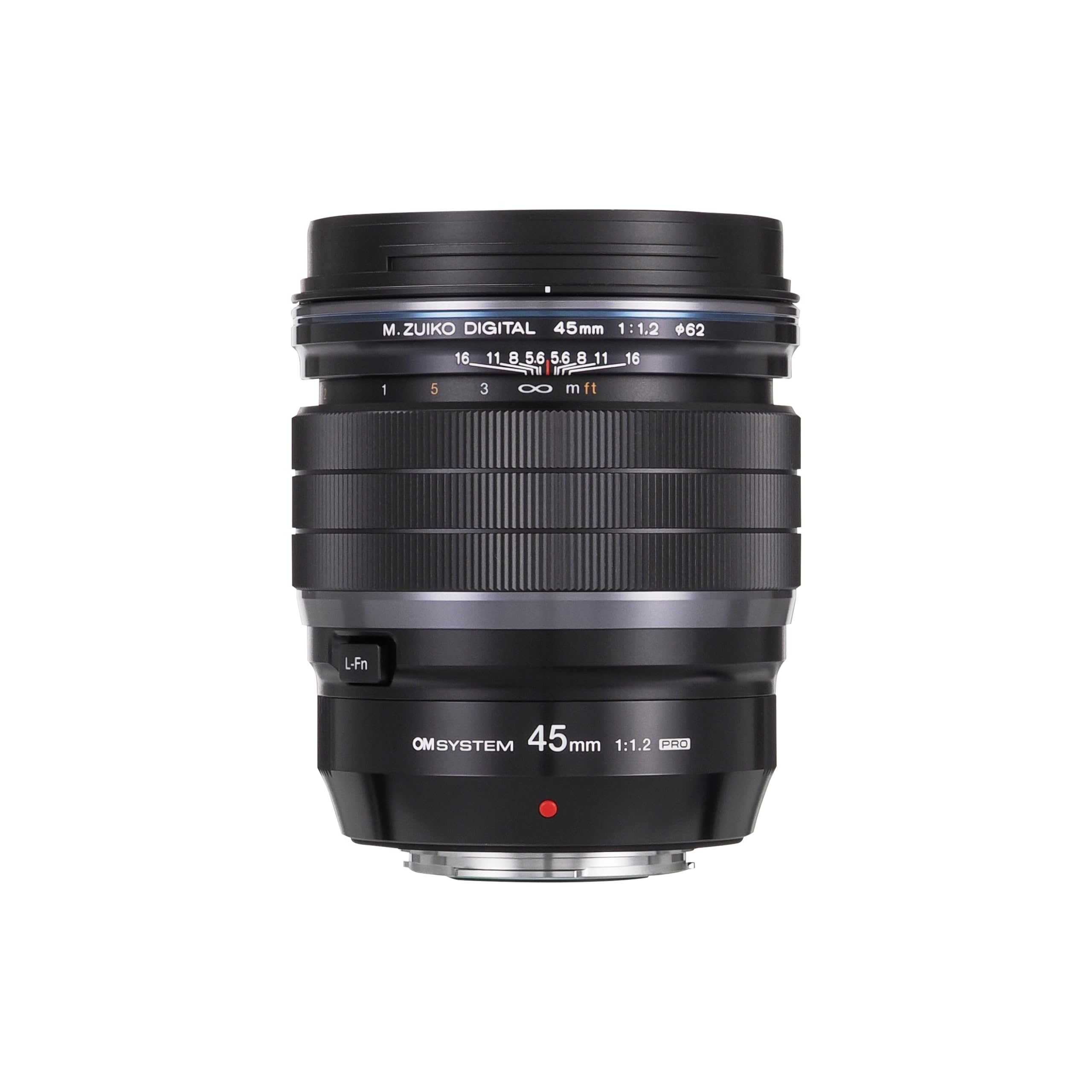
Meanwhile, first-party and premium system lenses still offer advantages in some cases, including weather sealing, lens-body integration, specialized controls, and in certain systems, the highest-end autofocus optimization. If you shoot Micro Four Thirds and want a more premium portrait option, the OM SYSTEM M.Zuiko Digital ED 45mm f/1.2 PRO delivers a brighter aperture and pro-level build quality for photographers ready to invest more heavily in portrait work.
The short answer is that newer third-party primes are often excellent, especially for beginners. OEM glass still matters, but you no longer need to assume that third-party automatically means compromise.
Are third-party lenses reliable for autofocus on mirrorless cameras?
In most current mirrorless systems, reputable third-party lenses are very reliable for everyday portrait use. Eye detection, face tracking, and subject recognition have made portrait autofocus much easier than it was a few years ago, and many recent third-party primes work very well with those systems.
That said, reliability is not just about whether autofocus works. It is also about how it behaves in dim light, how consistently it locks onto eyes at wide apertures, and whether the lens keeps up when a subject is moving. For static portraits, seated sessions, and casual lifestyle work, lenses like the Sigma 56mm f/1.4 DC DN Contemporary for Canon RF are often an excellent fit for beginners.
If you shoot events, fast-moving children, or portraits in challenging low light, you may place a higher premium on top-tier lens-body communication or pro-level optics. In that case, stepping up to a premium option within your system can make sense. But for many first-time portrait shooters, today’s third-party autofocus performance is more than good enough to produce professional-looking results.
Should I prioritize aperture or focal length for environmental portraits?
For environmental portraits, focal length usually matters first. These images are about showing your subject in context, so you need a lens wide enough to include surroundings without creating awkward distortion. A very fast aperture helps, but it does not replace the framing flexibility of the right focal length.
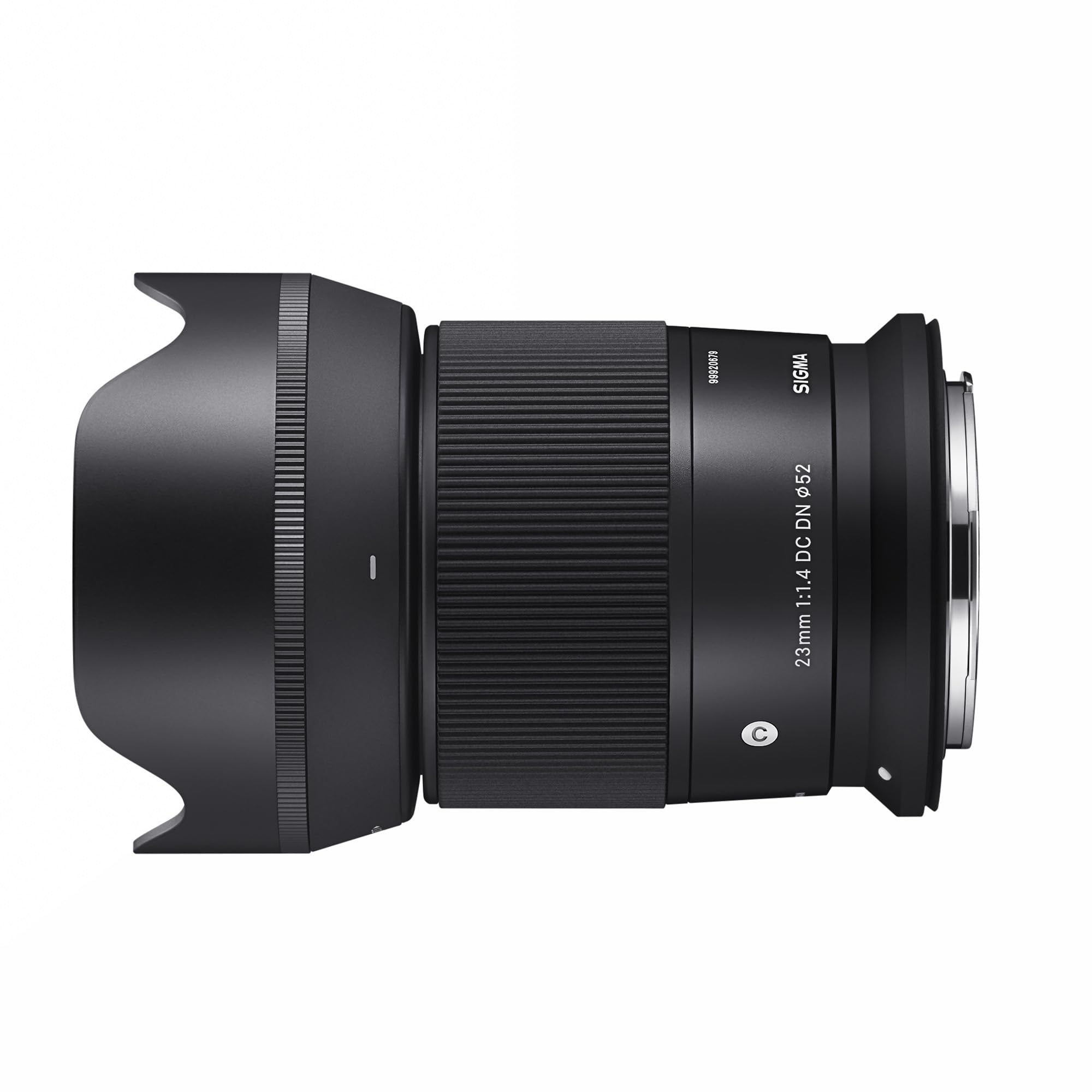
If you want to photograph someone in a studio, home, café, workspace, or outdoor location with the background playing an important role, a lens in the 23mm to 50mm equivalent range can be a better choice than an 85mm-style portrait lens. For Canon RF APS-C users, the Sigma 23mm f/1.4 DC DN Contemporary is a compelling environmental portrait option because it gives you a natural field of view with enough speed for low light and selective focus.
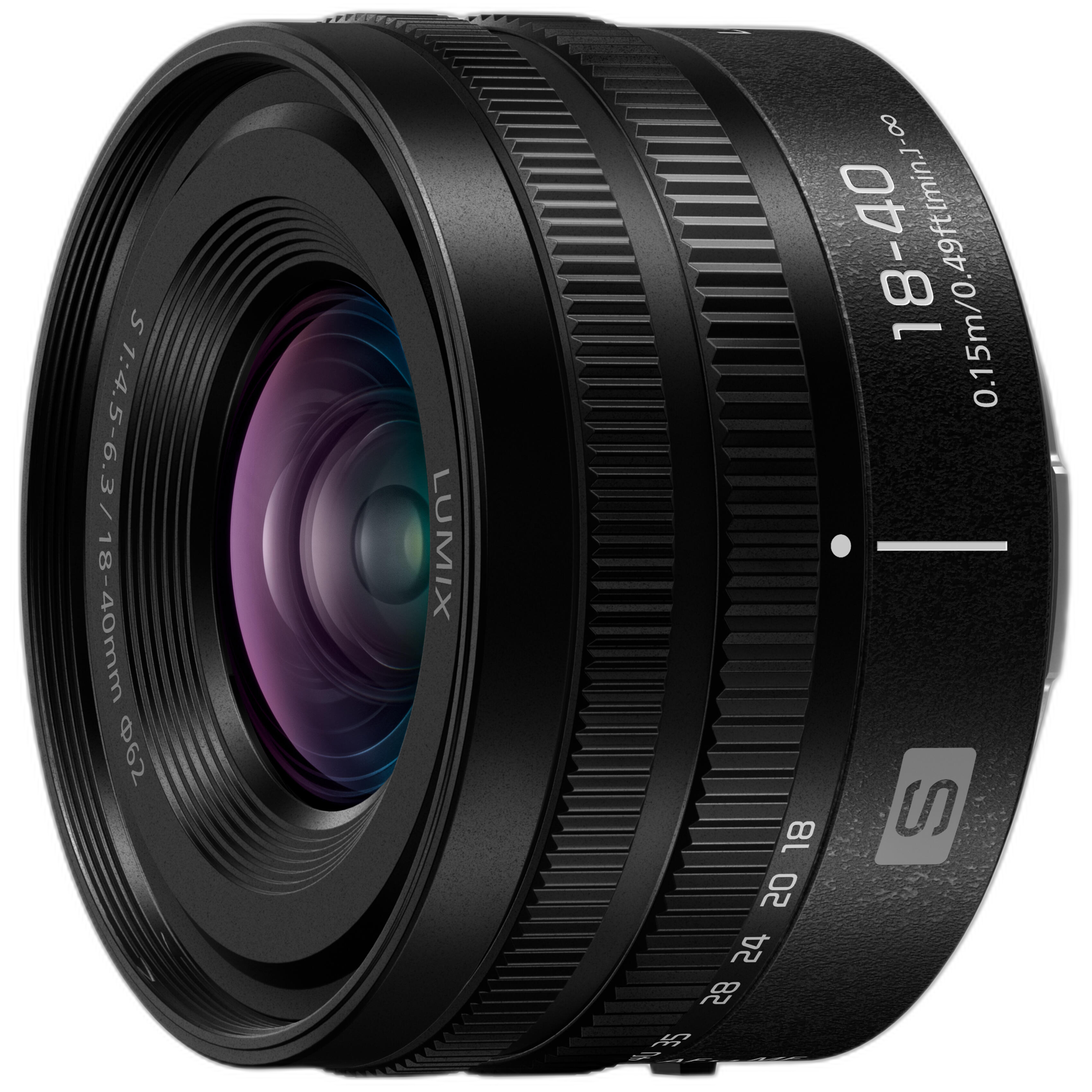
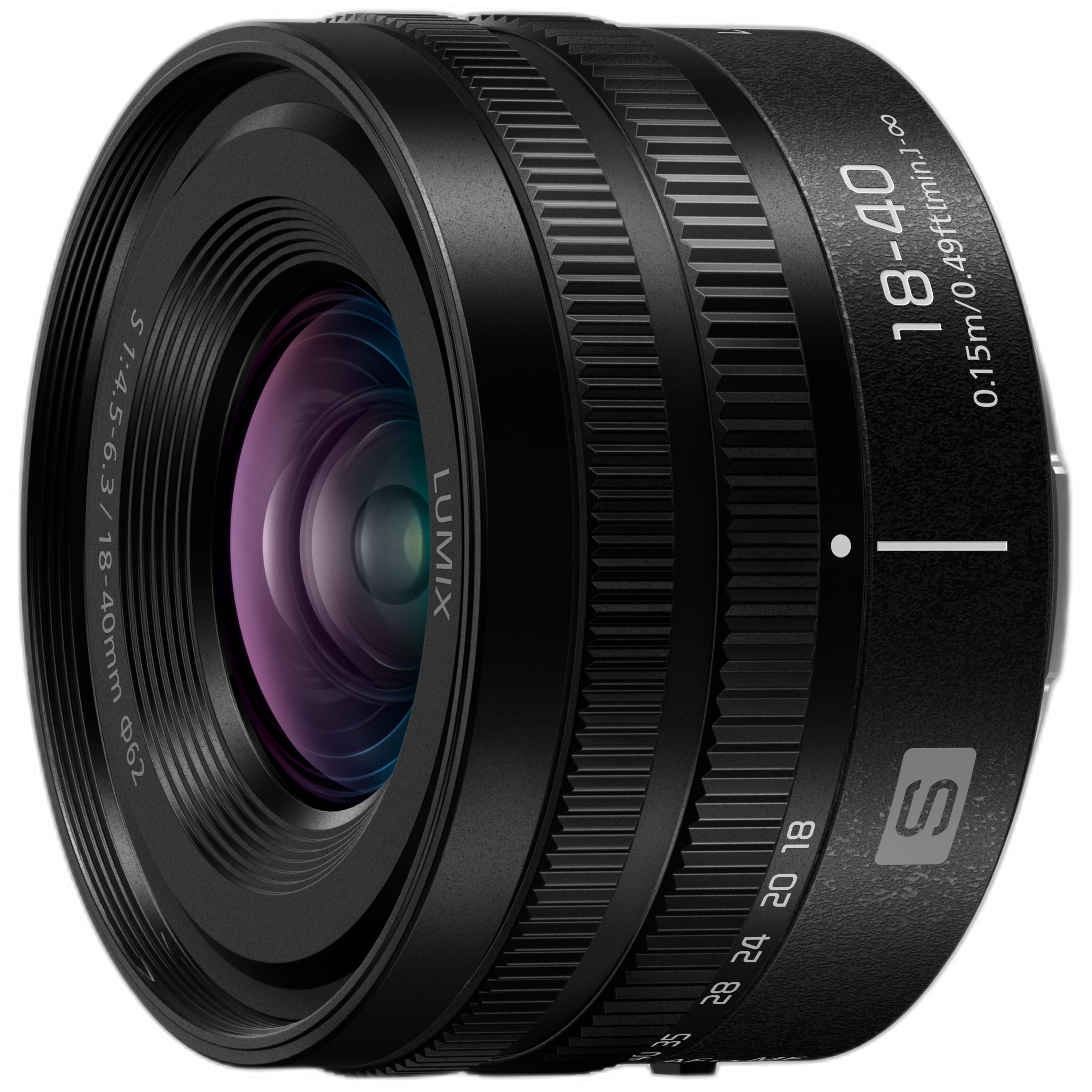
For full-frame shooters who want even more scene coverage, a compact zoom can also be useful, especially if you are learning what focal lengths suit your style. The Panasonic LUMIX S 18-40mm F4.5-6.3 is not a traditional shallow-depth portrait lens, but it can be a practical tool for environmental portraits, travel portraits, and location scouting when flexibility matters more than extreme background blur.
If your portraits need storytelling and context, prioritize focal length and composition first. If your main goal is creamy bokeh and tighter framing, prioritize a faster portrait prime.
Do I need an f/1.2 or f/1.4 lens to make portraits look professional?
No. A fast aperture can absolutely help, but professional-looking portraits come from a combination of lighting, posing, background selection, and camera-to-subject distance. Beginners often overestimate how much a wider aperture alone will transform their images.
An f/1.4 or f/1.2 lens gives you more subject separation, better low-light performance, and a more premium rendering style. That is why lenses like the OM SYSTEM M.Zuiko Digital ED 45mm f/1.2 PRO appeal to serious portrait shooters. But if you are still learning, a less expensive fast prime can produce excellent results while being easier on your budget.
In many cases, stepping a few feet farther from the background and placing your subject in better light will improve your portraits more than spending extra for the widest possible aperture. Start with a lens that fits your shooting style and camera system, then upgrade when your needs become more specific.
What is the best beginner portrait lens for Canon RF APS-C users?
For Canon RF APS-C photographers, one of the most attractive portrait options in this lineup is the Sigma 56mm f/1.4 DC DN Contemporary for Canon RF. It offers a flattering portrait perspective, a bright aperture, and a relatively compact design that makes it approachable for beginners.
If you want something wider for environmental portraiture, the Sigma 23mm f/1.4 DC DN Contemporary for Canon RF is a smart complement. Together, these two focal lengths create a simple and highly usable portrait kit: one lens for tighter portraits and one for portraits that include more of the scene.
Photographers shopping carefully should also consider used gear. The Used Sigma AF 56MM F/1.4 DC DN Contemporary for Canon RF - Excellent can be a particularly strong value for beginners who want to maximize image quality while keeping costs under control.

What are good portrait options for Micro Four Thirds beginners?
Micro Four Thirds photographers have several excellent portrait choices, especially if they want compact gear with serious image quality. The OM SYSTEM M.Zuiko Digital ED 75mm f/1.8 is a superb option for photographers who want a classic portrait look with strong background compression and impressive sharpness.
For those who want a more premium, more versatile portrait prime, the OM SYSTEM M.Zuiko Digital ED 45mm f/1.2 PRO is another excellent choice. It is especially attractive for photographers who shoot in lower light, want a brighter aperture, or prefer a focal length that is easier to use indoors than a longer 75mm lens.
Between these two, the 45mm f/1.2 PRO is often the more flexible everyday portrait lens, while the 75mm f/1.8 is ideal when you specifically want that more compressed, classic portrait feel.
Is buying used a smart way to start portrait photography?
Absolutely. Buying used can be one of the smartest ways for beginners to build a portrait kit without overspending. It may allow you to step up to a better lens sooner, or free up budget for essentials like a flash, memory cards, or a second focal length.
At Unique Photo, used gear can be especially appealing for photographers who are testing a new style or system. For example, the Used Sigma AF 56MM F/1.4 DC DN Contemporary for Canon RF - Excellent offers a practical route into portrait photography for Canon RF APS-C users. Likewise, photographers looking for an affordable flexible lens can consider the Used Panasonic LUMIX S 18-40mm F4.5-6.3 - Excellent for broader environmental work.
The key is to buy from a trusted retailer with clear grading and reliable support. That gives beginners more confidence than taking a chance on an unknown private-party listing.
The best beginner portrait lens in 2024 depends less on internet consensus and more on your camera system, shooting space, and preferred style. Whether you want a budget-friendly portrait prime, a premium telephoto look, or a flexible lens for environmental portraits, Unique Photo has new and used options to help you build the right kit with confidence.