Entering a photo contest can be exciting, but it also raises a common question: do you need expensive camera gear to create contest-worthy images? The short answer is no. While advanced cameras and premium lenses can expand your options, strong contest submissions usually come from a combination of vision, timing, technical control, and thoughtful editing. At Unique Photo, photographers regularly ask whether upgrading gear will improve their odds in competitions, and the answer is more nuanced than simply buying the most expensive setup available.
This guide covers the best camera gear choices for photo contests, the camera settings that help create impactful images, and how to decide when gear truly matters.
Do you need expensive camera gear for photo contests?
One of the most searched questions around photography competitions is whether professional equipment provides an edge. Expensive gear can help in specific situations, but it is rarely the only reason an image stands out to judges.
High-end cameras can offer:
- Better dynamic range
- Cleaner high ISO performance
- Faster autofocus
- Higher burst rates
- Greater durability and reliability
Those advantages matter for wildlife, sports, low-light events, and commercial-level print quality. However, many winning images are successful because of:
- Compelling subject matter
- Emotional impact
- Creative composition
- Excellent light
- Strong storytelling
In other words, expensive camera equipment can improve consistency and flexibility, but it does not replace photographic skill. Unique Photo carries gear for every level, from used film cameras to advanced digital systems, and that range reflects a key truth: great work can come from many formats.
What camera settings help create impactful contest images?
If you want to improve your chances in a photography contest, your camera settings should support the story you are trying to tell. The best settings depend on the subject, but a few principles apply across genres.
Aperture: control focus and mood
Aperture affects both exposure and depth of field.
- Wide apertures like f/1.8 to f/2.8 can isolate subjects and create dramatic separation.
- Mid-range apertures like f/4 to f/8 are useful for portraits, documentary work, and street photography.
- Narrow apertures like f/11 to f/16 help keep landscapes and architecture sharp front to back.
For contest submissions, use aperture deliberately. Judges often respond to images where focus supports the subject rather than feeling accidental.
Shutter speed: freeze action or show motion
Shutter speed defines whether a moment feels crisp or dynamic.
- 1/500 sec and faster works well for sports, wildlife, and active subjects.
- 1/125 sec to 1/250 sec is often sufficient for everyday handheld work.
- Slower shutter speeds can create artistic blur in water, traffic, dance, or panning shots.
Intentional motion can make an image more memorable in a contest, but only when it feels purposeful.
ISO: keep image quality under control
Use the lowest ISO that still allows your desired shutter speed and aperture. Noise is not always a problem, especially in documentary or monochrome work, but excessive noise can reduce print quality and distract from important details.
Modern cameras handle high ISO better than ever, yet careful exposure still matters. If your contest requires large prints, cleaner files can be a real advantage.
White balance and color accuracy
Incorrect white balance can weaken a submission fast. Even creative color treatments should feel intentional. If you shoot RAW, you have more flexibility later, but setting a consistent white balance in camera can help you visualize the final result more accurately.
RAW vs JPEG for contest entries
For serious contest work, shooting RAW is usually the better choice. RAW files preserve more highlight and shadow detail, making it easier to fine-tune exposure and color without degrading image quality. JPEG may be sufficient for casual shooting, but RAW gives you more control for final submission prep.
What gear matters most for photography competitions?
If budget is limited, it helps to prioritize the gear categories that most directly affect image quality and usability.
1. Lenses often matter more than camera bodies
A strong lens can have a bigger visual impact than upgrading to a newer camera body. Sharpness, contrast, flare control, focal length, and maximum aperture all influence the look of an image.
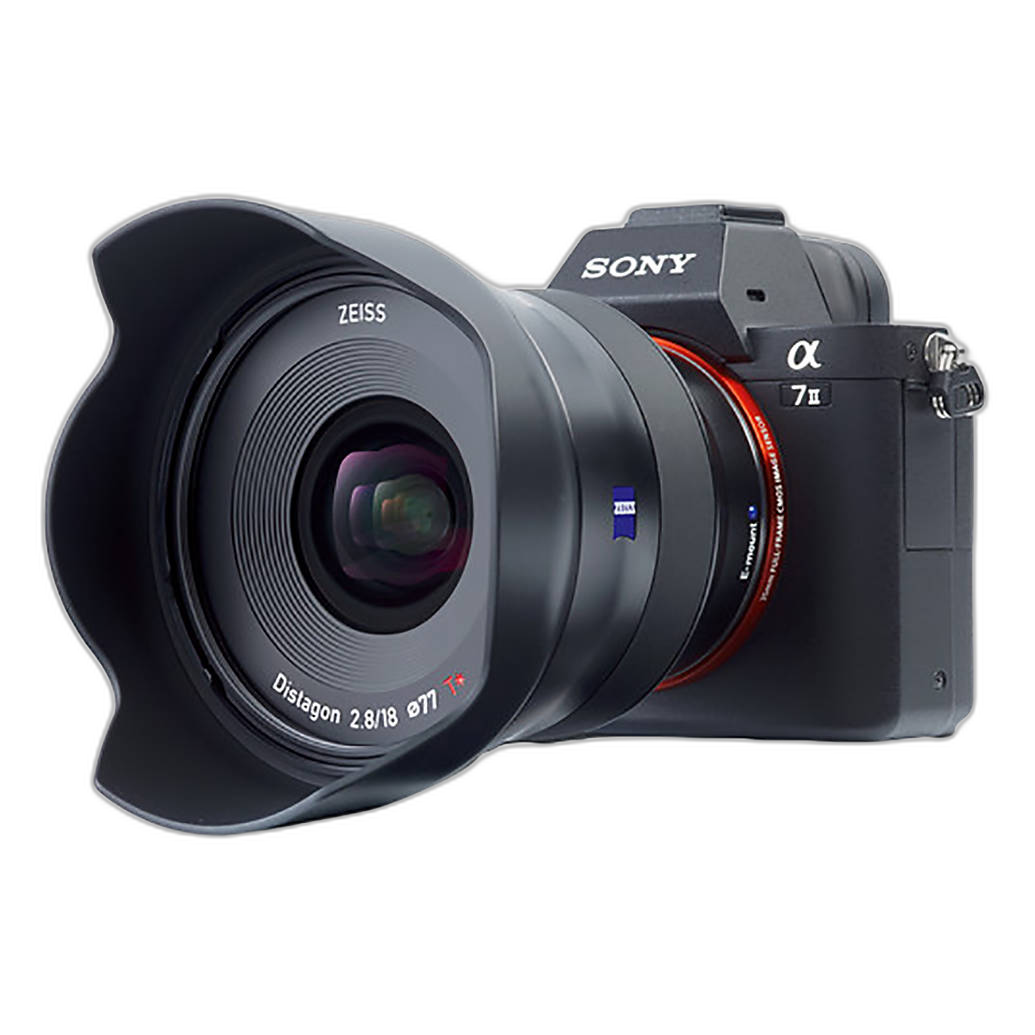
For example, a wide-angle lens can be incredibly useful for landscape, travel, environmental portraiture, and architecture contests. The Zeiss Batis 18mm f/2.8 for Sony E-Mount is the kind of lens photographers look at when they want dramatic perspective, high-quality optics, and strong edge-to-edge performance.
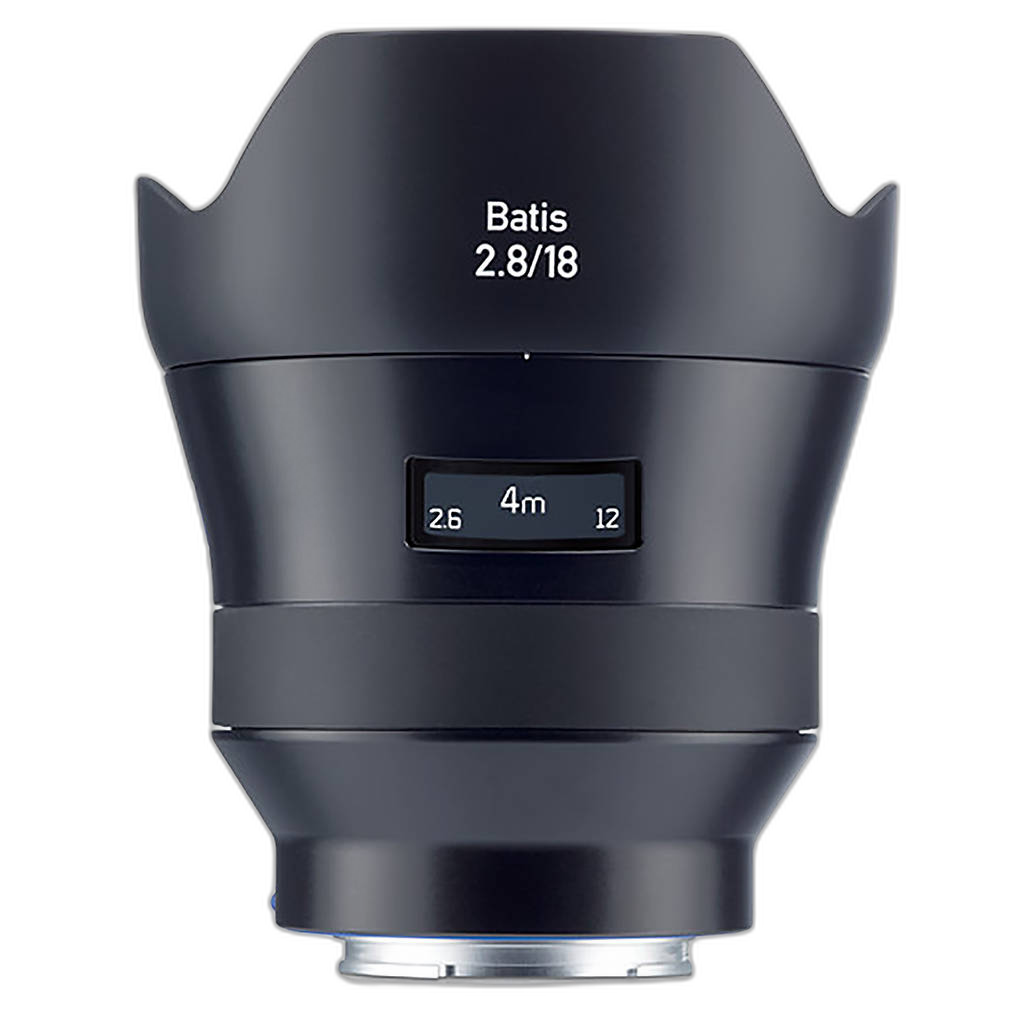
Premium lenses do not guarantee a winning image, but they can give you more clarity, better rendering, and greater confidence in challenging scenes.
2. Reliable power matters during important shoots
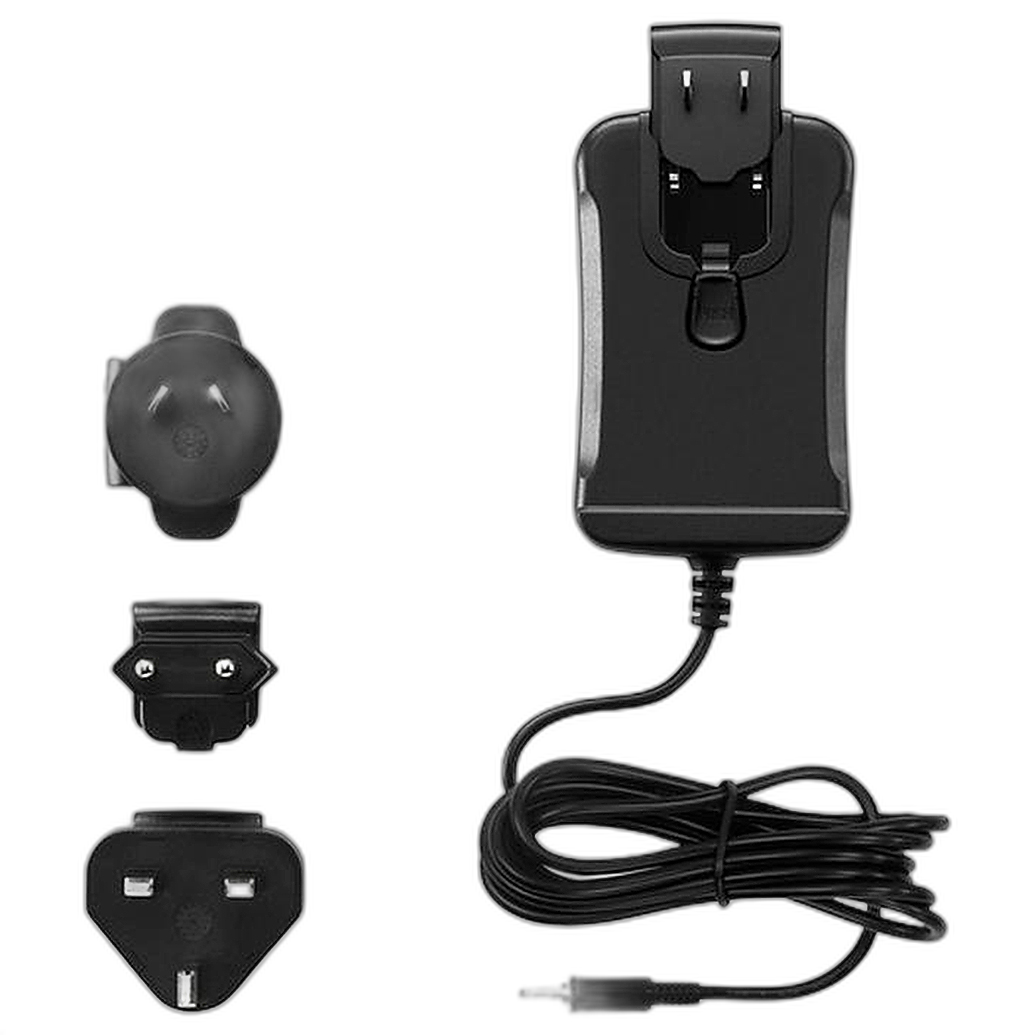
Nothing is more frustrating than losing power during a key moment. If you are building images specifically for competitions, reliability becomes part of the process. Accessories like the Blackmagic Design Power Supply for Pocket Cinema Camera are a reminder that support gear matters too, especially for hybrid creators capturing stills and video projects for multimedia contests.
3. Protection and readiness help you shoot more consistently
A contest-worthy image often comes from being prepared when the right light or moment appears. A practical camera bag can make a bigger difference than people expect. The Nomatic Luma Camera Pack 18L is an example of a streamlined carry solution that helps photographers keep essential gear organized and accessible.
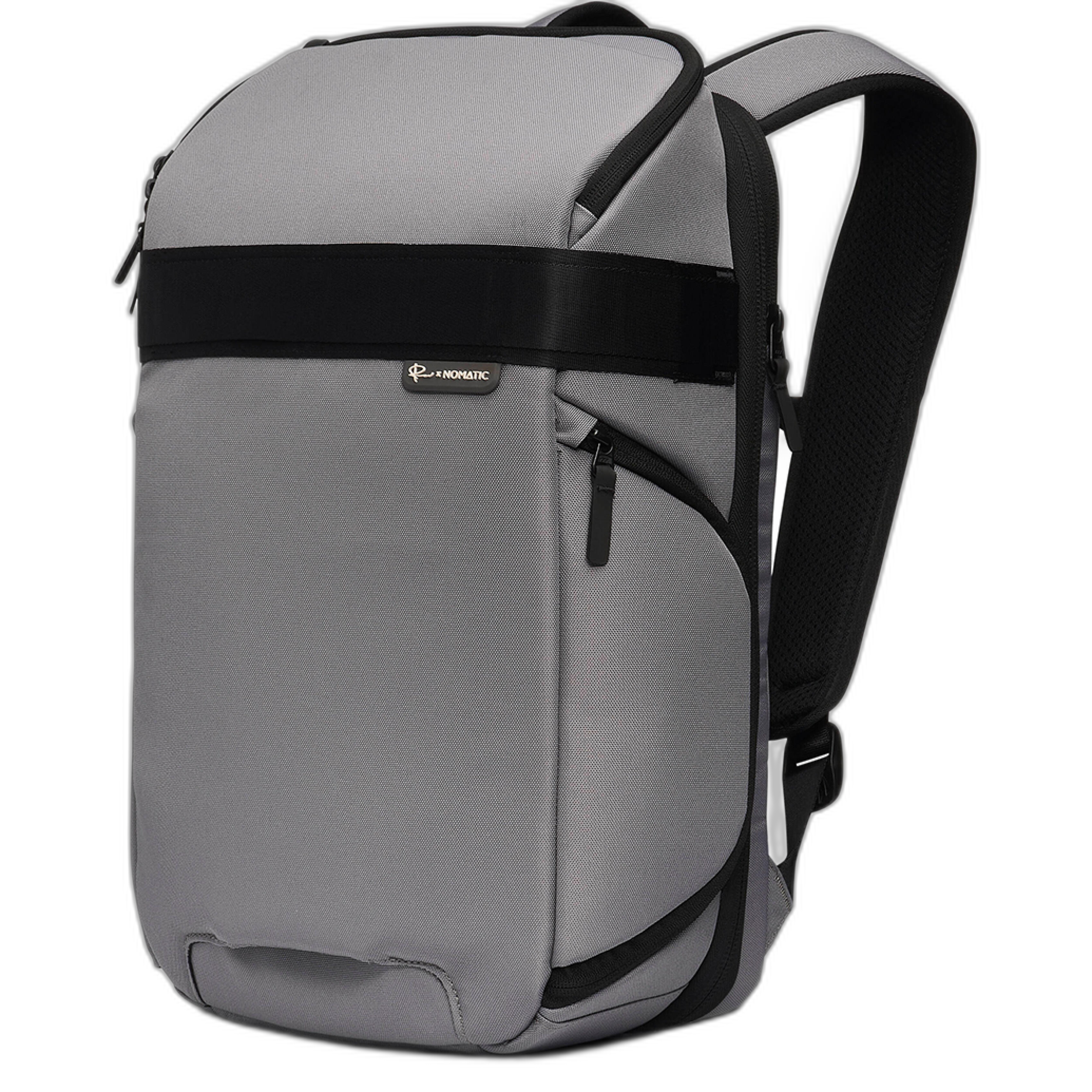
When your gear is protected and easy to access, you are more likely to react quickly and stay focused on composition.
4. Warranties can matter for serious creators
If you rely on your equipment for major shoots, travel, or repeated contest production, warranty coverage may be worth considering. Products like the RED Extended Warranty for KOMODO-X can be relevant for creators using cinema systems in competition-related projects.

At Unique Photo, support products are part of the larger conversation because dependable gear helps you stay in the field longer and shoot with fewer interruptions.
Can older or used cameras still produce contest-worthy photos?
Absolutely. Many photographers create remarkable images with used, vintage, and film cameras. In fact, the unique rendering of older equipment can help an image stand apart when used intentionally.
Film cameras, instant cameras, and classic lenses can all produce distinctive work. A used camera with character may not offer modern autofocus or high ISO performance, but it can inspire a slower, more deliberate process. That approach often leads to stronger composition and storytelling.
Unique Photo’s used selection is relevant here because photographers entering contests do not always need the latest body. Sometimes a thoughtfully chosen used camera or lens is a smarter creative investment than chasing specs alone.
Best camera settings by genre for photo contests
Different genres call for different technical choices. Here are some starting points for common contest categories.
Landscape photography contest settings
- Aperture: f/8 to f/11
- ISO: 100 to 200
- Shutter speed: as needed, often with tripod support
- Focus: single-point AF or manual focus for precision
- File type: RAW
Wide lenses are often useful here, especially when emphasizing foreground and depth.
Portrait photography contest settings
- Aperture: f/1.8 to f/4 depending on desired depth
- ISO: as low as practical
- Shutter speed: 1/160 sec or faster for handheld shooting
- Focus: eye AF or precise single-point focus
- Lighting: soft, directional light often produces the best results
Judges often respond to expression, connection, and lighting more than gear price.
Wildlife and action photography contest settings
- Aperture: f/2.8 to f/5.6 depending on subject distance
- Shutter speed: 1/1000 sec or faster
- ISO: Auto ISO can be useful
- Focus: continuous AF
- Drive mode: high-speed burst
Here, more advanced camera bodies may offer a noticeable advantage, but timing and fieldcraft are still essential.
Street and documentary contest settings
- Aperture: f/4 to f/8
- Shutter speed: 1/250 sec or faster
- ISO: Auto ISO for changing light
- Focus: zone focus or continuous AF depending on style
- Color: choose monochrome or color intentionally
Impact in these categories usually comes from storytelling and timing.
How judges evaluate contest photos
While every competition is different, judges often look for a mix of:
- Originality
- Technical execution
- Composition
- Emotional resonance
- Relevance to the theme
- Print or presentation quality
This is why expensive equipment only provides a partial advantage. A technically perfect image with no emotional or conceptual strength may lose to a simpler frame with stronger storytelling.
Does better gear improve your odds of winning?
Better gear can improve your odds when it solves a real creative or technical problem. Examples include:
- You need better autofocus for birds in flight
- You need cleaner files for low-light event coverage
- You need a wider lens for immersive landscape work
- You need higher resolution for large print competitions
But if your current limitation is composition, subject selection, editing discipline, or consistency, then upgrading gear may not change your results very much. A smarter path is often to improve technique first, then invest where your style actually demands more capability.
Tips for creating stronger contest submissions
- Study the contest theme carefully. Relevance matters.
- Edit ruthlessly. Submit your strongest image, not your safest one.
- Avoid overprocessing. Strong edits should support the image, not overwhelm it.
- Check technical quality at 100%. Look for missed focus, artifacts, and distracting elements.
- Print-test if needed. Some images look great on screen but fall apart in print.
- Ask for feedback before submitting. A second opinion can reveal weak spots.
- Keep shooting intentionally. Contest-winning images rarely happen by accident alone.
Final thoughts on photo contest gear and settings
The best camera gear for photo contests is the gear that helps you execute your vision reliably. Sometimes that means a premium lens, dependable accessories, or a better way to carry your kit. Other times it means mastering the camera you already own. Expensive equipment can offer advantages, but it is not a substitute for timing, light, composition, and story.
At Unique Photo, photographers can explore everything from used camera gear and lenses to bags, accessories, power solutions, and protection plans, making it easier to build a kit around real creative goals instead of assumptions. If you are preparing for your next contest, focus first on what your images need most.
For readers browsing Unique Photo, useful next steps could include exploring internal category pages for used cameras, mirrorless lenses, camera bags and cases, and power accessories to build a contest-ready setup that matches your style and budget.