Introduction: Choosing Stability for Real-World Documentary Work
For documentary shooters, the gimbal-versus-handheld debate is not really about trends—it is about reliability, speed, and whether your camera setup helps or slows you down in the field. In vérité environments, breaking news situations, long interview days, and fast-moving follow-doc work, a dedicated handheld camcorder can often be the more practical stabilization tool than a motorized gimbal. While gimbals shine for floating cinematic movement, they also add setup time, balancing complexity, battery management, and operational compromises when you need onboard audio, long zoom reach, fast reframing, and all-day comfort.
That is where JVC’s professional handheld camcorder lineup stands out. Models like the JVC GY-HC500U, GY-HC550, GY-HM250U, and GY-HM180U are purpose-built for documentary acquisition: compact enough to stay mobile, stable enough to shoot handheld effectively, and equipped with integrated zoom lenses, professional ergonomics, and broadcast-friendly features that make them strong alternatives to a gimbal-heavy workflow.
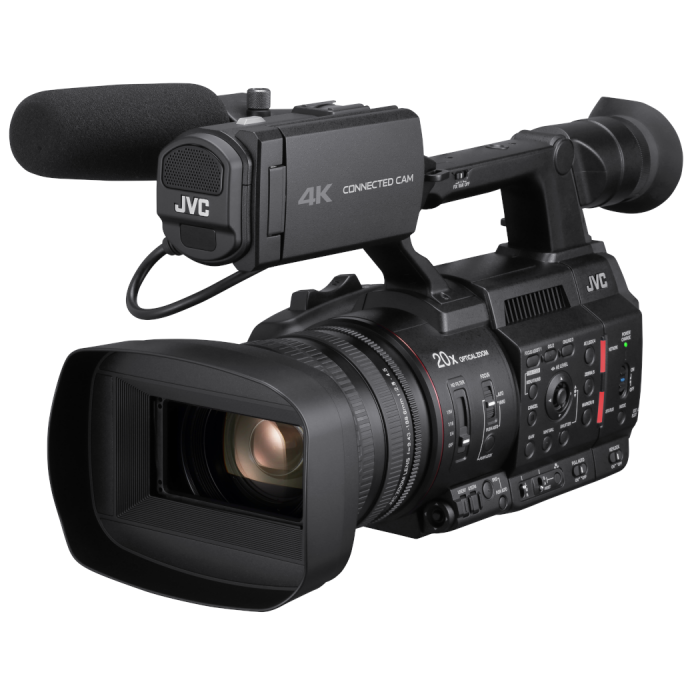
If your work depends on reacting quickly rather than staging movement, these cameras are worth serious consideration. For many documentary filmmakers, the better question is not “Do I need a gimbal?” but “Which handheld camcorder gives me the most stable, flexible, and production-ready shooting platform?”
Why Handheld Camcorders Still Matter More Than Ever
Documentary production rarely happens under controlled conditions. You may be walking backward through a crowd, grabbing an interview in a hallway, reframing from a wide establishing shot to a tight reaction, and feeding clean audio to your editor—all within minutes. In those scenarios, traditional handheld camcorders offer a kind of functional stabilization that goes beyond motorized smoothing.
A properly designed handheld camera body adds contact points, balanced weight distribution, and a form factor that helps absorb micro-jitters naturally. Combined with optical stabilization, servo zoom control, deep handgrips, top handles, and ENG-style handling, a good camcorder can produce steadier real-world footage than many shooters achieve with a gimbal under pressure.
JVC’s documentary-friendly models are especially compelling because they balance mobility with professional practicality. They are not just cameras that can be handheld—they are cameras designed to be handheld all day.
Key Models to Consider for Documentary Stabilization
JVC GY-HC500U: The Best All-Around Handheld Documentary Option
The JVC GY-HC500U Handheld Connected Cam 1in 4K Professional Camcorder is one of the strongest picks here for documentary shooters who want premium image quality with a shoulder-friendly, hand-friendly form factor. Its 1-inch sensor helps deliver a more refined image than smaller-sensor camcorders while still preserving the operational strengths that make handheld work so effective.
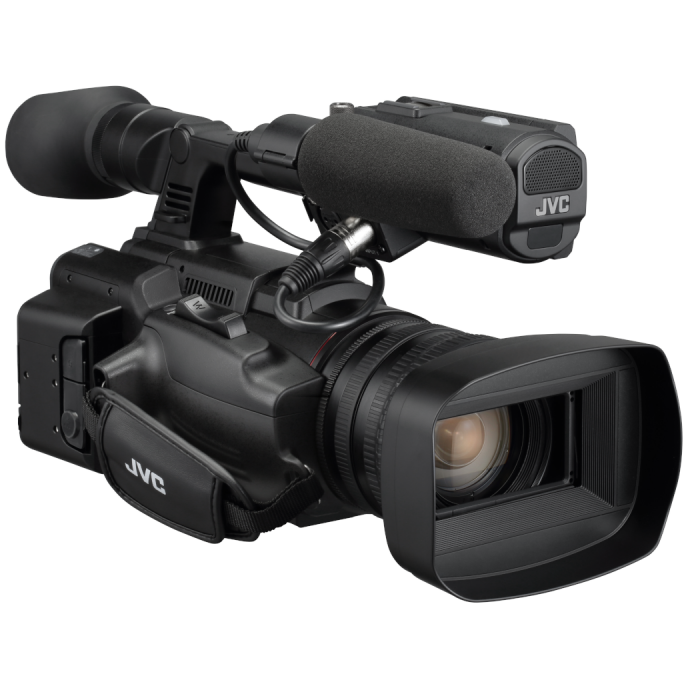
In practical use, the HC500U sits in a sweet spot: more serious and broadcast-oriented than entry-level handhelds, but still faster and easier to deploy than a mirrorless camera on a gimbal rig. The integrated lens, documentary-ready ergonomics, and connected workflow features make it especially attractive for journalists, event documentarians, and corporate doc teams who need to move fast.
For shooters asking whether to invest in a gimbal or improve their handheld package, the HC500U makes a strong case for investing in the camera first. It supports steadier shooting through design rather than requiring an external stabilization system to make the setup usable.
JVC GY-HC550: Broadcast-Level Documentary Capability
The JVC GY-HC550 Handheld Connected Cam 1in 4K Broadcast Camcorder pushes further toward broadcast and high-end field production. For documentary teams working in live environments, hybrid streaming/broadcast contexts, or demanding editorial pipelines, this model offers a more robust feature set while retaining the same core benefit: excellent handheld usability.
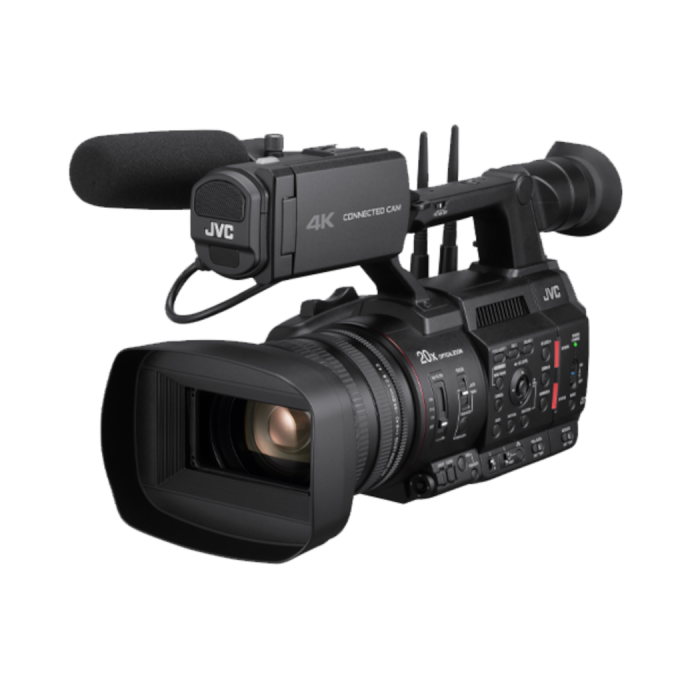
What makes the HC550 so relevant to the gimbal debate is that it reinforces a key documentary truth: stabilization is not only about smooth movement, but also about maintaining control while capturing usable footage. The HC550’s integrated professional design gives operators the confidence to reframe instantly, hold longer takes, and maintain production sound and zoom functionality without the operational compromises a gimbal often introduces.
JVC GY-HM250U: Compact, Travel-Friendly, and Efficient
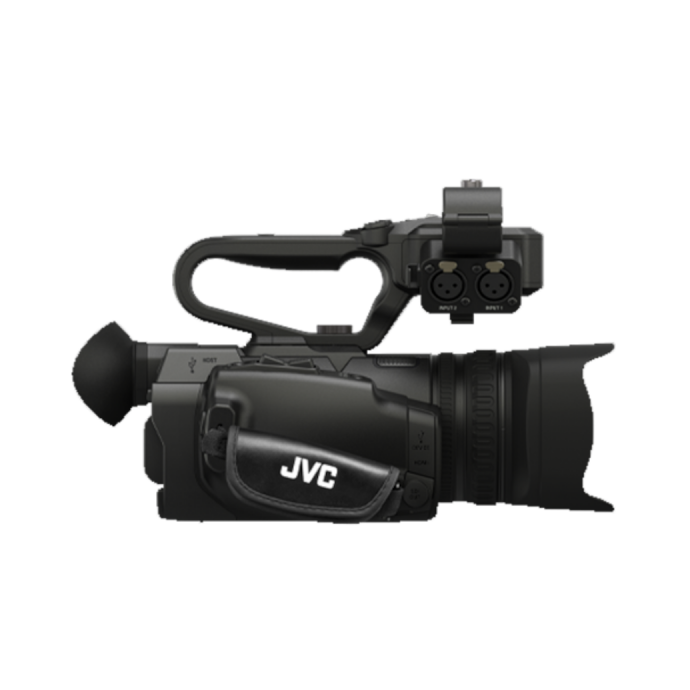
If your documentary work involves travel, tight spaces, quick setup, or small crews, the JVC GY-HM250U Compact Handheld Camcorder with Integrated 12x Lens is a very smart choice. It is smaller and easier to carry than the HC-series options, which can make a real difference for run-and-gun production, nonprofit field stories, educational docs, and web-first journalism.
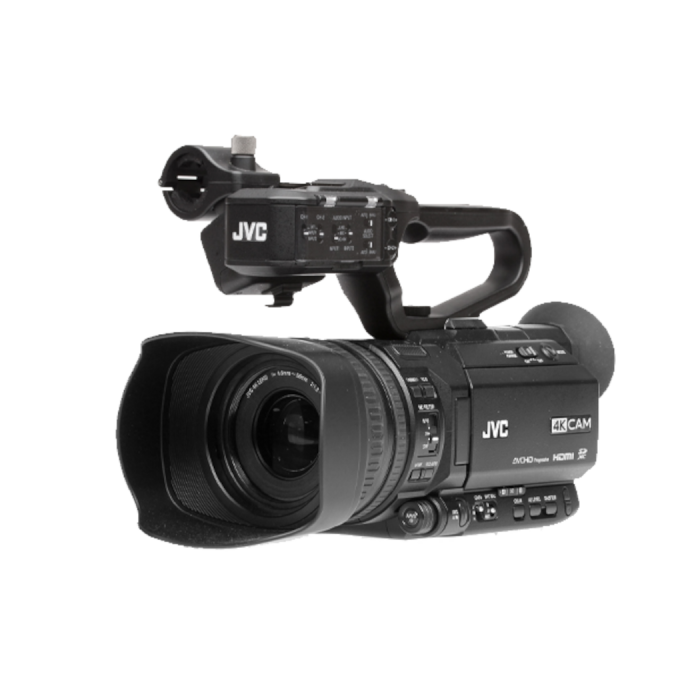
The HM250U is a reminder that a lighter handheld camera can sometimes outperform a gimbal setup simply because you will actually use it more often. There is less friction between seeing the shot and capturing it. You can work quickly, stay discreet, and still benefit from integrated zoom, proper controls, and a body shape intended for handheld operation.
JVC GY-HM180U and GY-HM170U: Budget-Conscious Documentary Tools
For filmmakers entering documentary production or building a lower-cost field kit, the JVC GY-HM180U and JVC GY-HM170U deserve attention. These models retain the core strengths of the handheld camcorder concept: integrated lensing, compact professional form factor, and easier handheld operation than many interchangeable-lens hybrid camera builds.
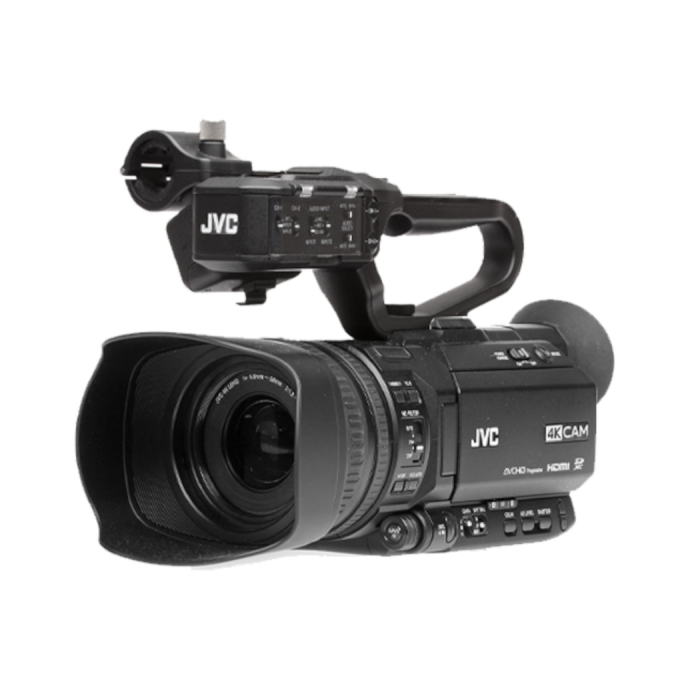
The HM180U, with HD-SDI connectivity, may be particularly appealing if your documentary work crosses into live production or multi-camera environments. The HM170U offers a leaner package for straightforward field capture. Neither is trying to replace a cinema camera on a gimbal; instead, they offer a cleaner, simpler way to get stable, usable documentary footage with fewer accessories.
Specialized Variants: HC500SPCU, HC500MC, and HM250SP
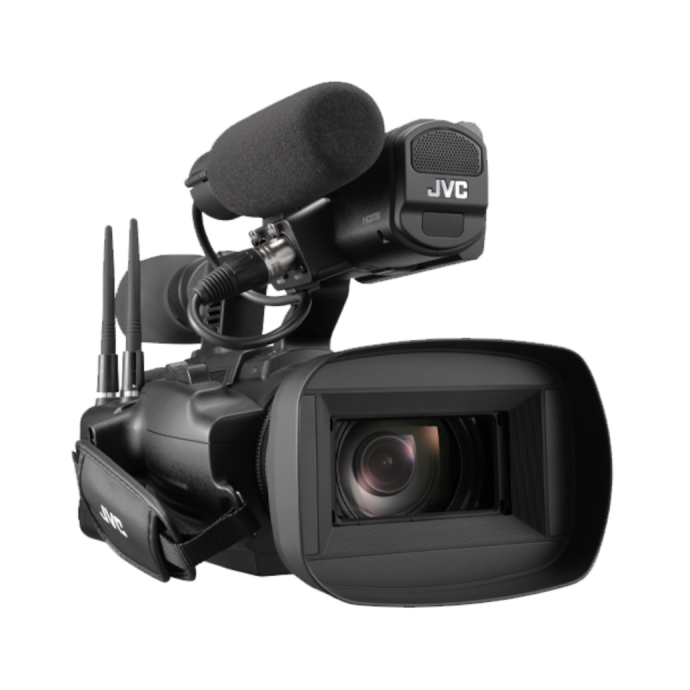
Some of the listed JVC variants are more specialized, including the GY-HC500SPCU, GY-HC500MC, and GY-HM250SP. While their feature emphasis may be tailored to sports, motion analysis, or niche production tasks, they still illustrate the broader strength of JVC’s handheld platform: purpose-built cameras that keep operators mobile without requiring a complicated stabilization rig.
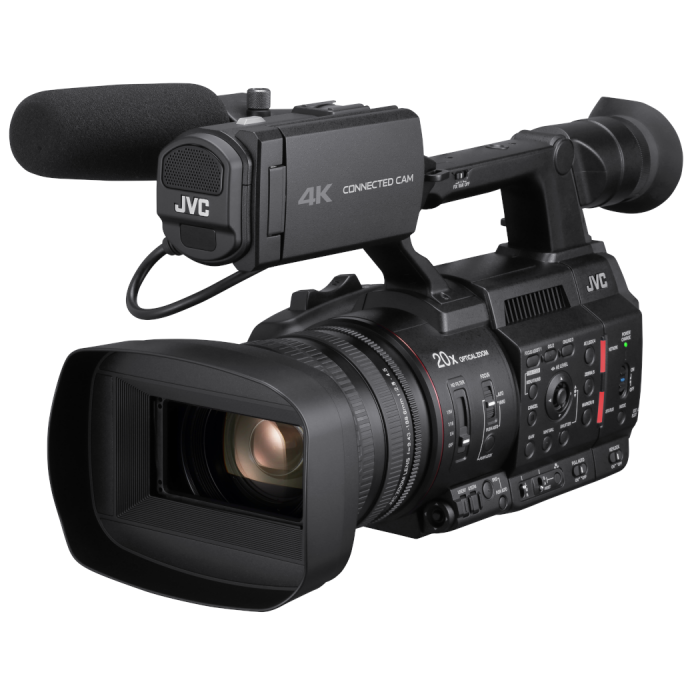
For documentary shooters with crossover needs—such as athletics, education, institutional storytelling, or specialized event coverage—these models may offer workflow benefits beyond basic image capture.
Gimbal vs. Handheld: What Actually Matters in Documentary Shooting
Speed of Deployment
A handheld camcorder wins easily when speed matters. There is no balancing procedure, no separate axis tuning, and no awkward transition when switching between low-angle motion shots and eye-level interview framing. In documentary shooting, those delays cost real moments.
JVC handheld camcorders are ready to work almost immediately. That responsiveness is often more valuable than the ultra-smooth motion a gimbal can provide.
Integrated Zoom Lens Advantage
One of the biggest reasons handheld camcorders remain superior for many docs is the integrated powered zoom lens. On a gimbal, zooming is often limited, awkward, or disruptive to balance and shot consistency. With a JVC handheld camcorder, you can move from wide to tight instantly without rebuilding your setup.
That flexibility is crucial for observational filmmaking, live events, and field interviews where you cannot physically reposition every time you need a new composition.
Better Audio and Production Practicality
Documentaries live or die by sound. Camcorders like these are built with production workflows in mind, allowing easier use of onboard microphones, XLR audio solutions, and event-ready operation. A gimbal setup can complicate access to controls, cable routing, and operator monitoring.
For solo shooters especially, handheld camcorders simplify the entire capture process.
Fatigue Over Long Shooting Days
While gimbals can reduce visible shake, they often increase physical fatigue. Holding a gimbal-loaded camera away from the body for hours is exhausting. A properly gripped handheld camcorder, by contrast, is designed for long-form operation. The body shape, handle placement, and balance help reduce strain and improve control over time.
When a Gimbal Still Makes Sense
To be fair, gimbals still have a place in documentary production. They are useful for cinematic walk-throughs, establishing shots, controlled following shots, and polished branded-doc visuals. But they tend to work best as a supplemental tool, not the foundation of a documentary camera package.
If you have to choose one primary system, a documentary-focused handheld camcorder is often the more versatile investment.
Pros and Cons of Choosing a Handheld Camcorder Over a Gimbal Setup
Pros
- Faster setup and immediate readiness for unpredictable moments
- Integrated zoom lens is far more practical for documentary reframing
- More natural ergonomics for long handheld shooting sessions
- Better support for professional audio and field production workflows
- Less gear complexity, fewer batteries, and fewer balancing issues
- Compact all-in-one design reduces rigging time and travel burden
Cons
- Will not replicate the floating cinematic motion of a high-quality gimbal
- Handheld footage still depends on operator technique
- Integrated-lens camcorders offer less lens-swapping creativity than cinema or mirrorless systems
- Some productions may still want a gimbal for select B-roll sequences
Which JVC Model Is Best for Your Documentary Style?
Choose the JVC GY-HC500U if you want the best overall balance of image quality, professional features, and documentary-friendly handheld performance.
Choose the JVC GY-HC550 if your documentary work overlaps with broadcast, streaming, or high-end field production and you want a more advanced connected camcorder platform.
Choose the JVC GY-HM250U if compact size, portability, and efficiency are your priorities.
Choose the JVC GY-HM180U or GY-HM170U if you want a more budget-conscious entry into professional handheld documentary shooting.
Verdict: For Most Documentary Shooters, Handheld Beats Gimbal as the Primary Tool
If your documentary work is reactive, people-driven, and logistically unpredictable, a professional handheld camcorder is usually the smarter primary investment than a gimbal. JVC’s lineup demonstrates why: these cameras are built for fast deployment, stable handheld operation, integrated zoom flexibility, and professional field reliability.
Among the options here, the JVC GY-HC500U stands out as the most compelling recommendation for many documentary filmmakers, while the GY-HC550 is ideal for users who need higher-end broadcast-oriented capability. The GY-HM250U remains an excellent compact alternative for smaller crews and travel-heavy production.
For filmmakers shopping for a documentary-ready handheld camcorder, Unique Photo is a trusted place to buy these JVC professional video cameras and compare the right model for your shooting style.