If you split your time between stills and video, choosing the right camera is less about chasing specs and more about finding a system that keeps up with both workflows. Hybrid shooters need dependable autofocus, strong image quality, practical video features, and handling that feels natural whether you're capturing portraits, events, interviews, or travel content. Below are practical tips to help you choose the best camera for hybrid photo/video shooting, along with a few standout Panasonic LUMIX options and a support accessory that can make a real difference in everyday use.

1. Start with the kind of hybrid work you actually do
Match the camera to your shooting balance
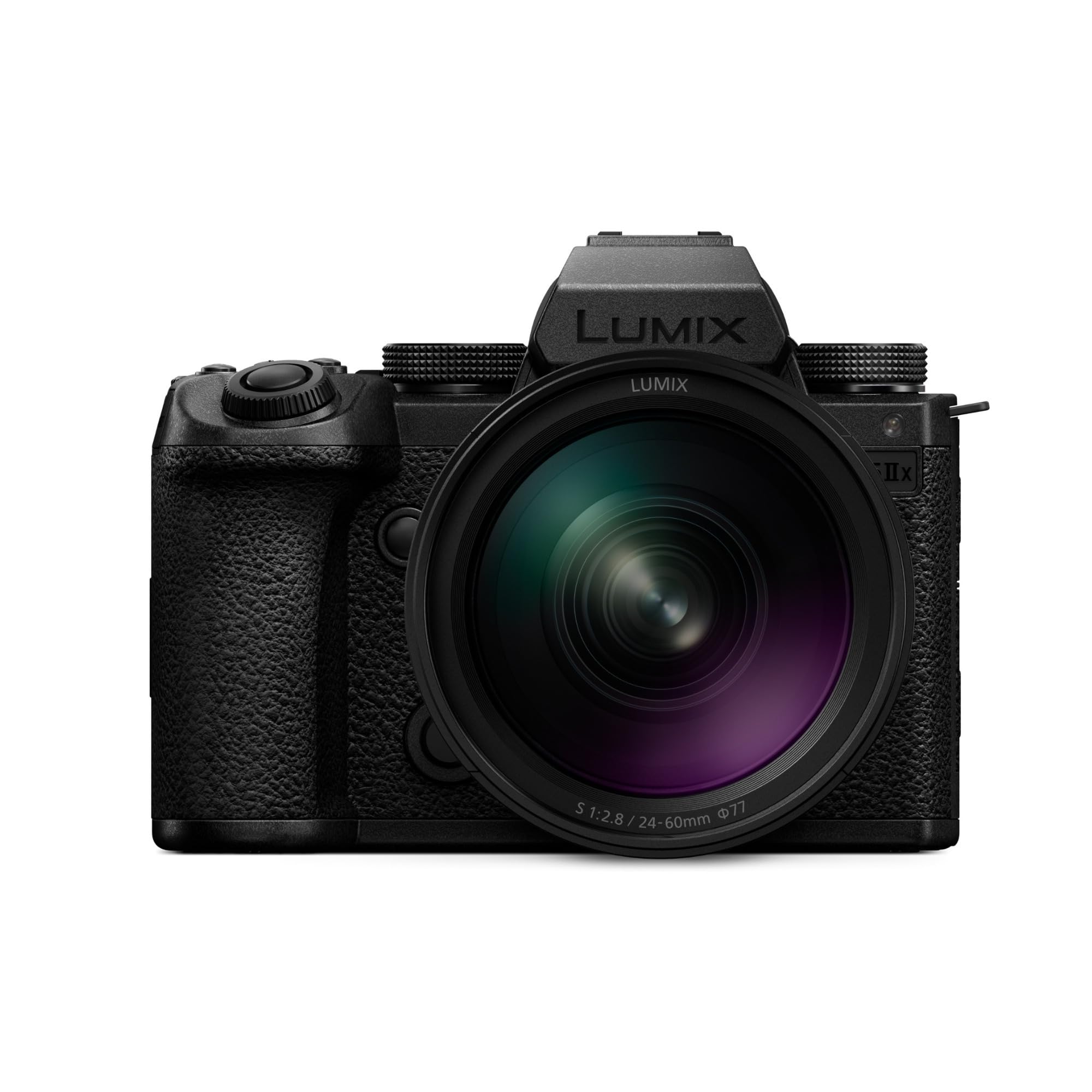
Some creators are truly 50/50 between photo and video, while others lean more heavily toward one side. If your work centers on weddings, corporate content, social media, or documentary-style storytelling, a camera like the Panasonic LUMIX S5IIX Hybrid Full Frame Mirrorless Camera is a strong fit because it is designed with serious hybrid use in mind. It gives shooters a balanced platform for high-quality stills and advanced video capture without feeling like a compromise in either direction.
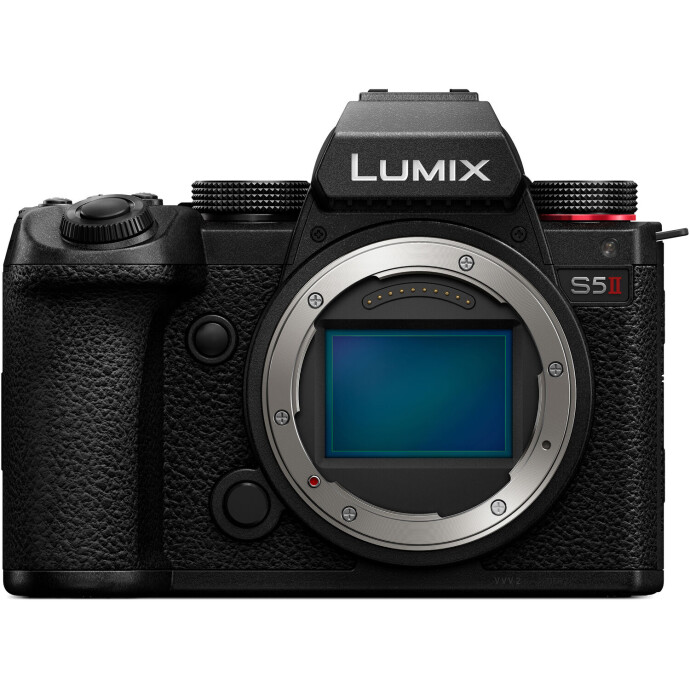
If you want a slightly more accessible entry into full-frame hybrid shooting, the Panasonic LUMIX S5II Hybrid Full Frame Mirrorless Camera is also worth a close look. It offers a lot of the versatility hybrid shooters want in a body that can handle day-to-day content creation, portraits, events, and video production with confidence.
2. Prioritize autofocus and stabilization for real-world shooting
These two features save more shots than almost anything else
Hybrid creators often move quickly between handheld video clips and spontaneous stills. That means autofocus performance and stabilization should be near the top of your checklist. Cameras in the LUMIX S series, such as the Panasonic LUMIX S5II and S5IIX, are compelling because they are built for creators who need reliable subject tracking and smoother handheld operation across different shooting situations.
Whether you're filming a walk-and-talk segment, grabbing event candids, or transitioning from tripod video to handheld photo coverage, strong autofocus and stabilization help reduce missed moments and make your footage look more polished with less effort.
3. Think about lens flexibility, not just the body
A practical kit can be the smartest hybrid investment
For many hybrid shooters, a standard zoom is the best place to start. A kit like the Panasonic Lumix S5IIX with 24-60mm f/2.8 Lens Kit makes a lot of sense because that focal range covers a wide variety of needs: environmental portraits, interviews, travel scenes, behind-the-scenes content, and general-purpose video work. A fast standard zoom also keeps your setup flexible without needing constant lens swaps.
If you know you'll be jumping between stills and motion all day, buying a body-and-lens combination instead of building a kit from scratch can simplify the decision and get you working faster.
4. Decide how much video power you truly need
Choose advanced features when your projects demand them
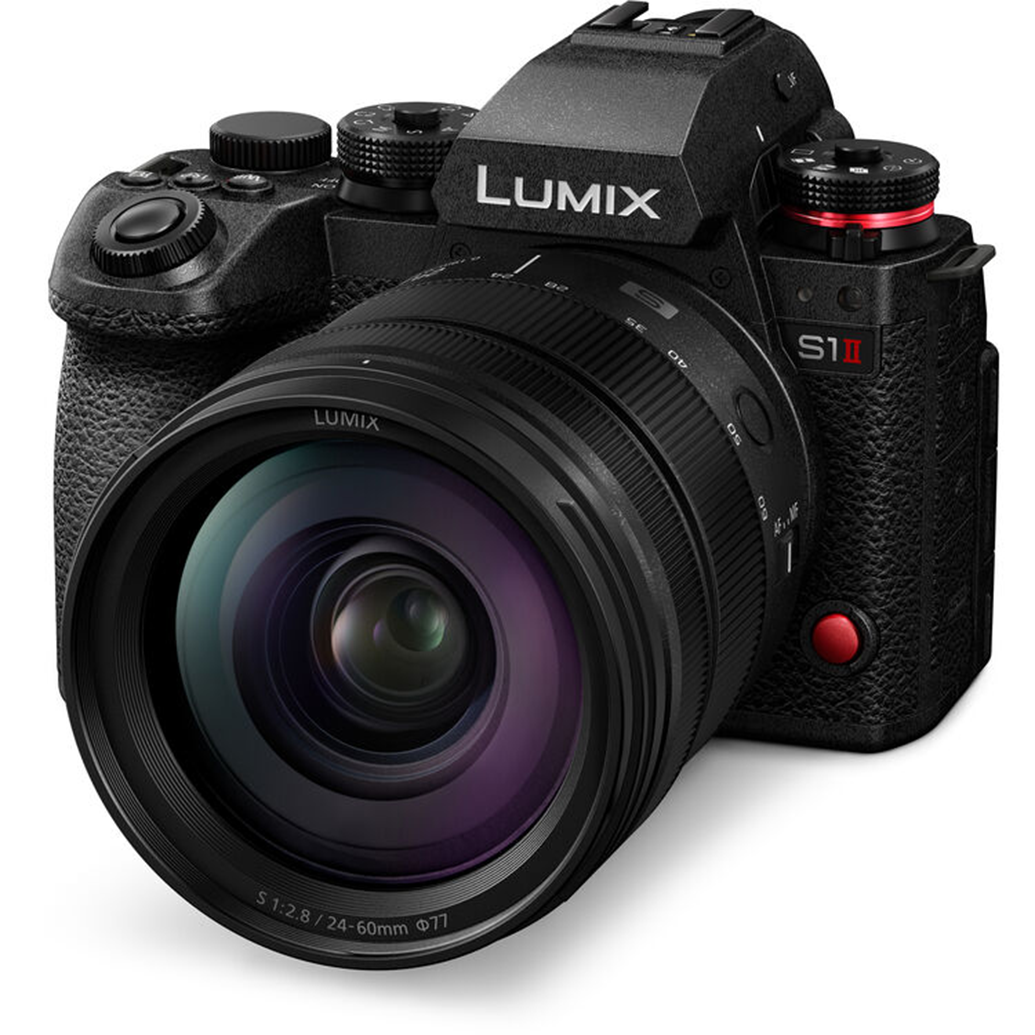
Not every hybrid shooter needs the same level of video capability. If you're delivering more demanding commercial, branded, or cinematic work, stepping up to a camera like the Panasonic Lumix S1II with 24-60mm f/2.8 Lens Kit can be a smart move. For creators who need a more robust imaging platform while still maintaining hybrid versatility, it offers a higher-tier option within the LUMIX ecosystem.
On the other hand, if your primary need is dependable photo quality with strong video performance for content creation, interviews, and events, the S5II or S5IIX may be the better balance of performance, size, and value.
5. If still photography leads your workflow, look at resolution too
Hybrid does not always mean equal emphasis
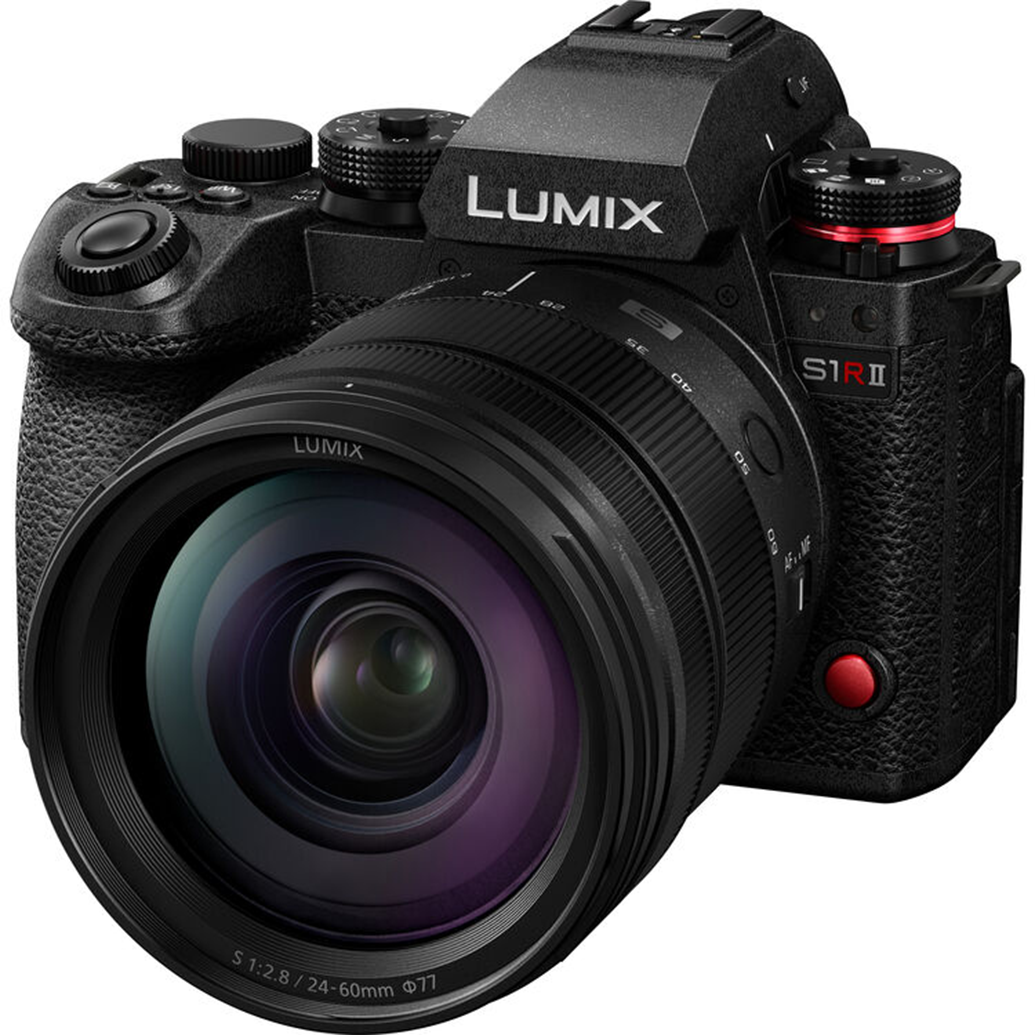
Some hybrid shooters earn their living primarily from stills but need excellent video as part of the package. In that case, resolution can matter more, especially for commercial, editorial, landscape, or studio photographers who crop heavily or produce large final outputs. The Panasonic Lumix S1RII with 24-60mm f/2.8 Lens Kit is worth considering for shooters who want a hybrid-capable camera with a stronger emphasis on high-end photographic output.
The best hybrid camera is the one that fits your client work, not just the one with the most features on paper. If photo detail is your priority, it makes sense to choose accordingly.
6. Don’t overlook support gear that helps you switch faster
A good head can make hybrid shooting much smoother
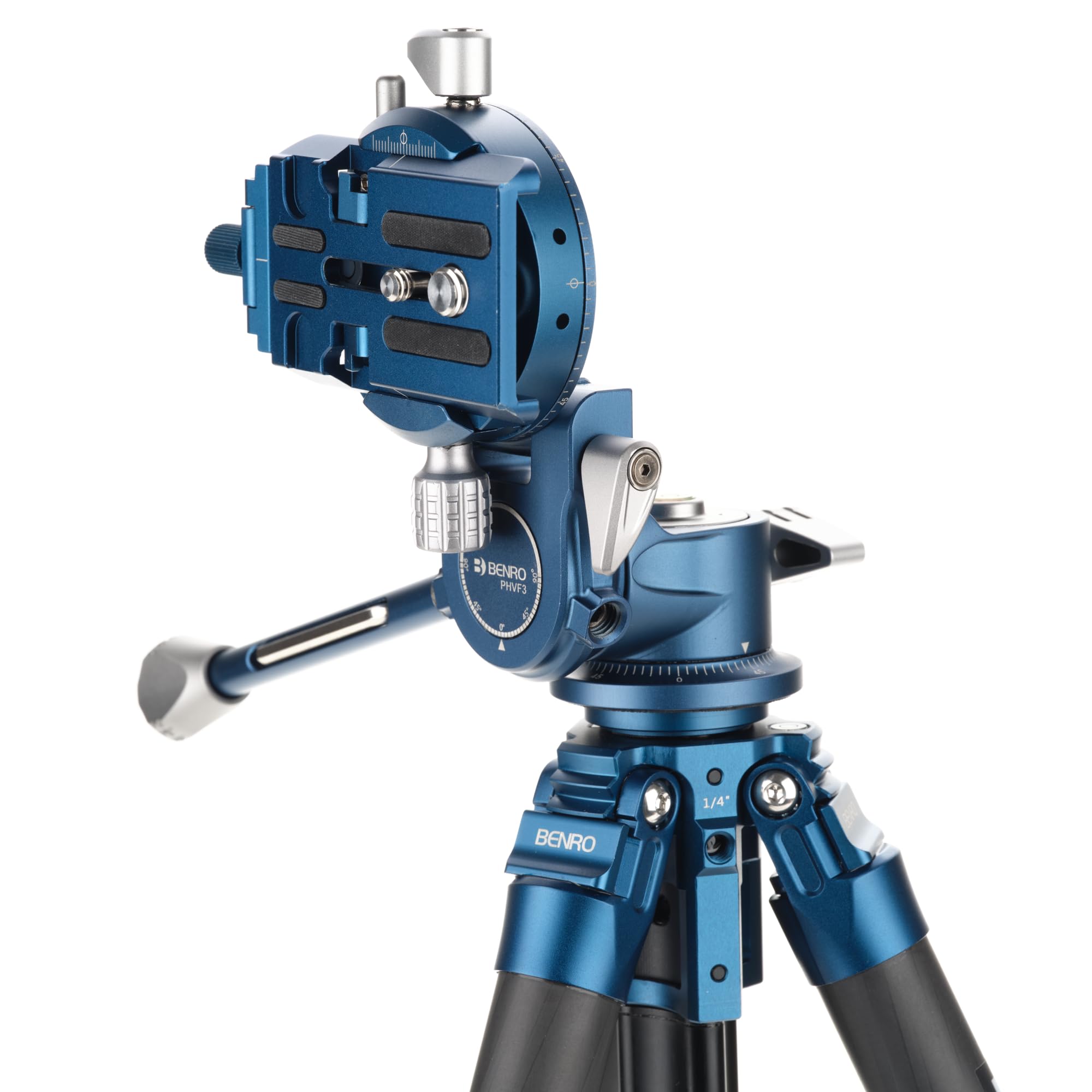
Hybrid shooting often means moving from still compositions to fluid video movements in the same session. That's where the Benro Photo/Video 3 Series Hybrid Flip Head can be especially useful. It is a practical addition for shooters who want support that accommodates both photography and video without needing separate setups. For tripod-based interviews, product demos, landscapes, or studio work, a hybrid head can streamline transitions and reduce friction on set.
Small workflow improvements add up, especially when you're trying to stay nimble and efficient during client jobs.
7. Consider used or opened-box gear to stretch your budget
Hybrid kits can get expensive, so shop strategically
If you're building a full hybrid setup with lenses, support gear, memory, audio, and lighting, buying used or opened-box can be a smart way to maximize value. The Used Panasonic LUMIX S5II Hybrid Full Frame Mirrorless Camera - Excellent is a great example for shooters who want strong hybrid performance while keeping more of their budget available for accessories and lenses.
Likewise, an option like the *Opened Box* Panasonic Lumix S5IIX with 24-60mm f/2.8 Lens Kit can be especially attractive if you want a more advanced hybrid package at a better price point. For many creators, getting into the right system matters more than buying every component brand new.
8. Choose a camera you’ll want to carry and use consistently
The best hybrid camera is the one that fits your workflow every day
It is easy to get caught up in specifications, but real-world usability matters just as much. A camera that feels intuitive, balances well with your preferred lens, and supports both your photo and video process without slowing you down is usually the right choice. For many hybrid shooters, the Panasonic LUMIX S5II and S5IIX line hits that sweet spot by offering strong all-around capability in a format that works across many types of assignments.
If you need to scale upward, the S1II and S1RII kits give you room to grow while staying in a familiar family of tools.
Conclusion
The best camera for hybrid photo/video shooters depends on how you work, what you deliver, and where you want your kit to grow. A balanced body like the Panasonic LUMIX S5II or S5IIX, a versatile lens kit, and helpful support gear like the Benro Photo/Video 3 Series Hybrid Flip Head can create a setup that feels ready for almost anything. If you're comparing options for your next hybrid camera, Unique Photo is a great place to explore current Panasonic LUMIX bodies, kits, and value-minded used gear to build a system that works for you.