Introduction: A Beginner-Friendly Guide to Low-Light Photography
For photographers trying to get better low-light images without relying on flash, the biggest challenge is usually not gear alone—it is understanding technique. Shaky photos, noisy files, missed focus, and muddy colors are all common problems when the light drops. That is why Rocky Nook Enthusiast's Guide Night & Low-Light Photo by Alan Hess stands out as a smart recommendation for beginners who want clear, practical direction rather than more equipment.
Instead of acting like a technical manual that overwhelms new photographers, this book is positioned as an approachable learning tool for anyone who wants to improve handheld evening shots, cityscapes, night scenes, interiors, and available-light photography. For a topic like better low-light photos without flash, that makes it especially relevant.
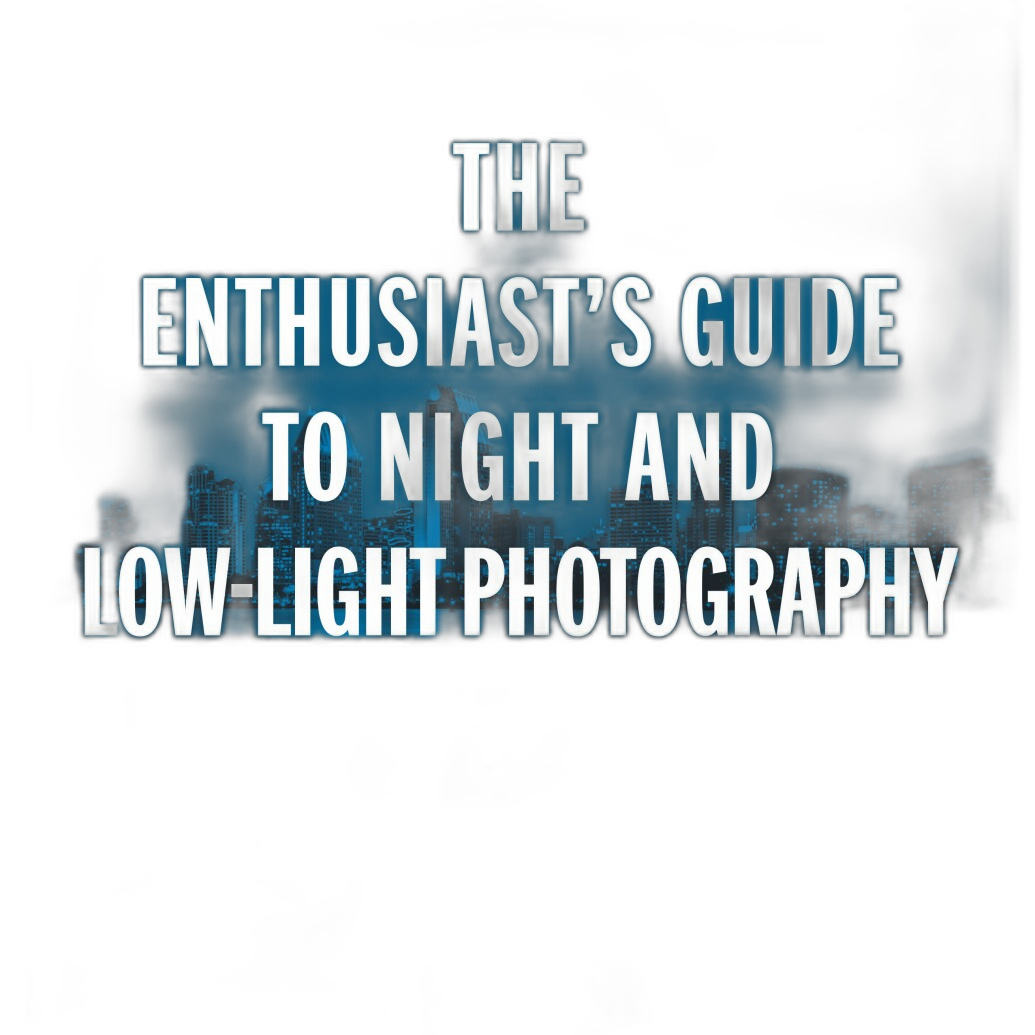
While some products in the low-light category naturally point photographers toward adding artificial light, this guide keeps the focus where many beginners need it most: camera settings, exposure choices, support techniques, and visual problem-solving. If your goal is to shoot confidently in dim conditions using the light already there, this book is a strong place to start.
What Makes This Book Relevant for the No-Flash Beginner?
The topic of low-light photography often gets tangled up with flash gear, strobes, and modifiers. But many beginners specifically want to avoid flash because they prefer natural ambience, do not want to disturb a scene, or are simply still learning the basics. This book addresses that gap well by centering the foundational skills that actually improve low-light results: stability, timing, exposure balance, lens and camera behavior, and scene awareness.
That makes the Rocky Nook guide less of an accessory and more of a practical training resource. Rather than buying your way out of bad low-light results, it encourages learning the techniques that improve photos with the gear you already own.
Key Features
Clear Explanations for Exposure in Dim Conditions
One of the strongest qualities a beginner low-light book can have is the ability to explain the tradeoff between shutter speed, aperture, and ISO without making it feel abstract. This guide is valuable because low-light photography depends heavily on exactly those compromises. To shoot without flash, photographers need to know when to accept a slower shutter, when to raise ISO, and when depth of field matters less than simply getting a usable image.
A good instructional guide in this category helps readers understand that low-light success is rarely about one magic setting. It is about choosing the right compromise for the subject, whether that is a still city scene, a person near a window, or a restaurant interior.
Useful Guidance for Night and Available-Light Situations
Because the book specifically targets night and low-light photography, it aligns naturally with real beginner scenarios. These include street scenes after sunset, indoor ambient portraits, event spaces, holiday lights, and travel photography at dusk. Beginners often struggle because these situations all behave differently. A guide like this helps build the judgment needed to adapt.
That practical emphasis is what makes the book review-worthy in this context. It is not just about settings in theory; it is about understanding why one low-light scene demands steadiness and patience while another demands anticipation and timing.
Accessible Learning Format for New Photographers
For beginners, a photography book succeeds when it reduces hesitation. The Rocky Nook Enthusiast's Guide format is generally well suited to photographers who are still building confidence. Rather than assuming expert-level familiarity, it tends to support structured learning. That is important for low-light work, where uncertainty often leads to missed shots.
If you are learning how to shoot without flash, an accessible reference can be more helpful than endlessly searching fragmented online tips. Having one resource centered on the subject helps build consistency in your shooting approach.
Encourages Technique Over Dependency on Extra Gear
One reason this product fits the topic so well is that it supports a technique-first mindset. Beginners often think poor low-light photos mean they need a flash immediately. In reality, many issues come from camera shake, underexposure, poor focusing habits, or misunderstanding how far ISO can be pushed. This book helps redirect the focus toward solving those problems before adding more complexity.
That makes it especially helpful for photographers who want to preserve atmosphere and avoid the flatter, more direct look that on-camera flash can sometimes create.
How It Compares to the Flash-Based Alternative
Since the topic is specifically about better low-light photos without flash, it is worth noting that some available products in this category, such as the Godox Lux Junior Retro Camera Flash or used Canon flash units, serve a different purpose. They can absolutely help in dark environments, but they change the lighting rather than teaching you how to work with existing light.
For many beginners, flash can be useful later. But for learning available-light photography, this Rocky Nook book is the more on-topic recommendation. It helps photographers understand ambient exposure and image-making fundamentals first.
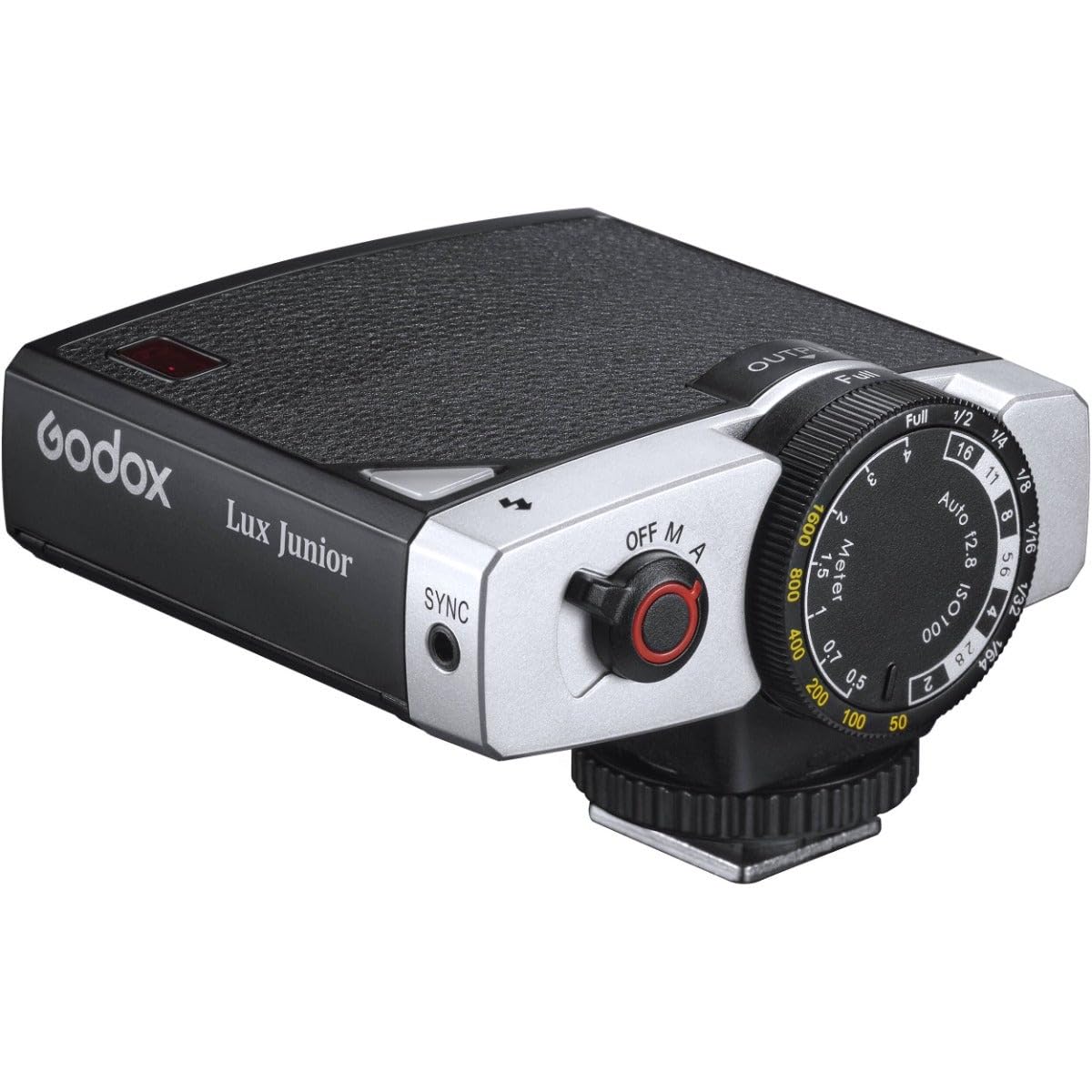
That contrast actually strengthens the case for the book: if you want to master low-light scenes naturally, knowledge is the more important first investment.
Pros and Cons
Pros
- Beginner-friendly focus on night and low-light photography
- Relevant for photographers who want to shoot without flash
- Helps build foundational skills instead of pushing more gear
- Useful for a wide range of real-world shooting scenarios
- A practical educational resource that can improve results with your current camera setup
Cons
- It is a learning resource, not an instant hardware solution
- Photographers looking specifically for artificial lighting tools will need different products
- Best results still depend on practice and applying the techniques consistently
Who Should Buy It?
This book is best suited for beginner and early intermediate photographers who:
- Want cleaner, sharper low-light images without using flash
- Prefer natural-looking ambient light
- Need help understanding exposure choices in dark scenes
- Are frustrated by blurry or noisy night photos
- Want a structured learning resource instead of piecing together random tips online
It is especially useful for mirrorless and DSLR users who know the basics of their camera but want to get more confident when the sun goes down.
Verdict
The Rocky Nook Enthusiast's Guide Night & Low-Light Photo by Alan Hess is an excellent fit for the topic of beginner tips for better low-light photos without flash because it addresses the real issue: technique. Rather than steering new photographers straight toward artificial lighting, it helps them understand how to work with the light already available.
As a review pick, it stands out for its relevance, accessibility, and practical value. If you are serious about improving your low-light photography in a natural, no-flash way, this is the kind of resource that can make a meaningful difference in your results. For photographers ready to learn instead of guess, it is an easy recommendation.
You can buy the Rocky Nook Enthusiast's Guide Night & Low-Light Photo from Unique Photo, a trusted destination for photography gear, accessories, and educational tools.