Best Camera for Hybrid Photo/Video Shooters: How to Choose and Build a Smarter Kit
Hybrid shooters demand a camera that nails stills and video without slowing you down. Rather than chasing specs alone, focus on how features work together: color, autofocus, stabilization, power, and ergonomics. Use these practical tips to find the right body and round out a kit that’s ready for anything—interviews at noon, portraits at sunset, and b‑roll after dark.
Key Tips for Hybrid Success
1) Prioritize a modern sensor and robust codecs
Look for oversampled 4K/6K readouts for crisp detail and controlled moiré, plus 10‑bit 4:2:2 recording for flexible color grading. Having both efficient Long GOP (for long shoots) and All‑I (for easier editing) is a bonus. Keep an eye out for tools like waveform, vectorscope, and shutter angle for video‑first control.
2) Fast, reliable autofocus matters for both stills and video
Hybrid work lives or dies by focus. Prioritize phase‑detect AF with subject detection for faces, eyes, animals, and vehicles. Ensure AF performance holds up in low light and during continuous recording, and test how well it transitions between subjects for documentary or event work.
3) Stabilization: IBIS + lens choice = smoother results
In‑body image stabilization (IBIS) is incredibly helpful for handheld video and low‑light stills. Pair it with wide, light primes or lenses with optical stabilization when possible. Wider focal lengths naturally minimize shake and are easier to keep steady for gimbal or run‑and‑gun work.
4) Build a versatile wide prime as your hybrid anchor
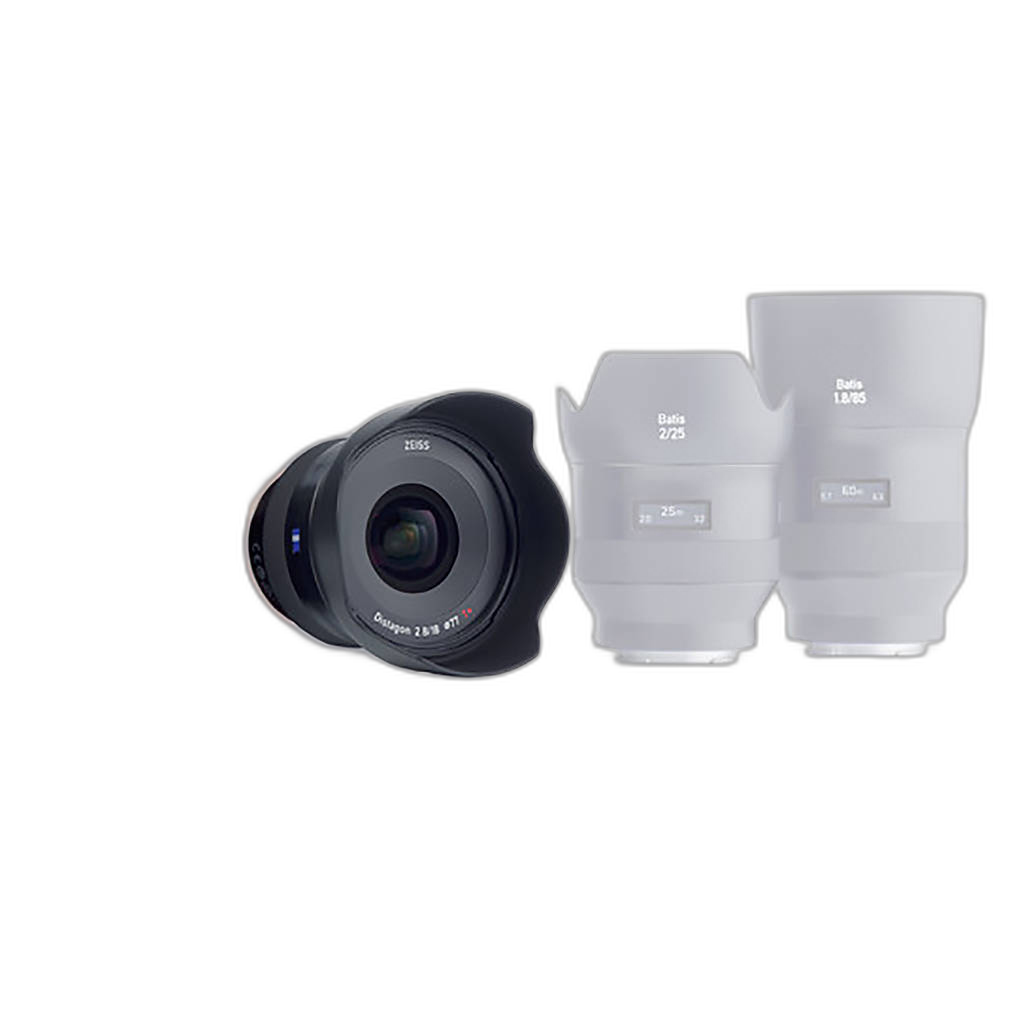
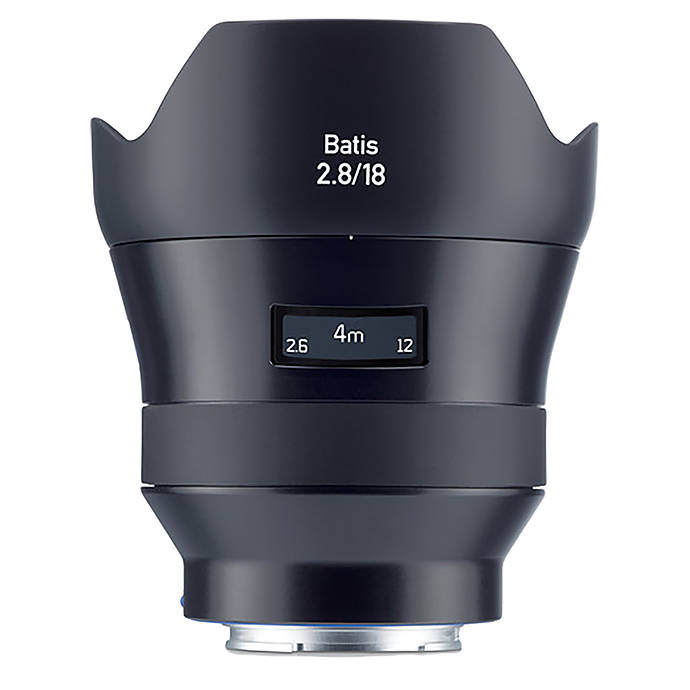
A fast, corrected wide‑angle prime lets you shoot interiors, landscapes, and handheld video with minimal distortion. On Sony full‑frame, the Zeiss Batis 18mm f/2.8 provides excellent sharpness and weather‑sealing in a compact form factor—great for gimbal work and dynamic establishing shots.
5) Power planning: hot‑swap batteries and external power
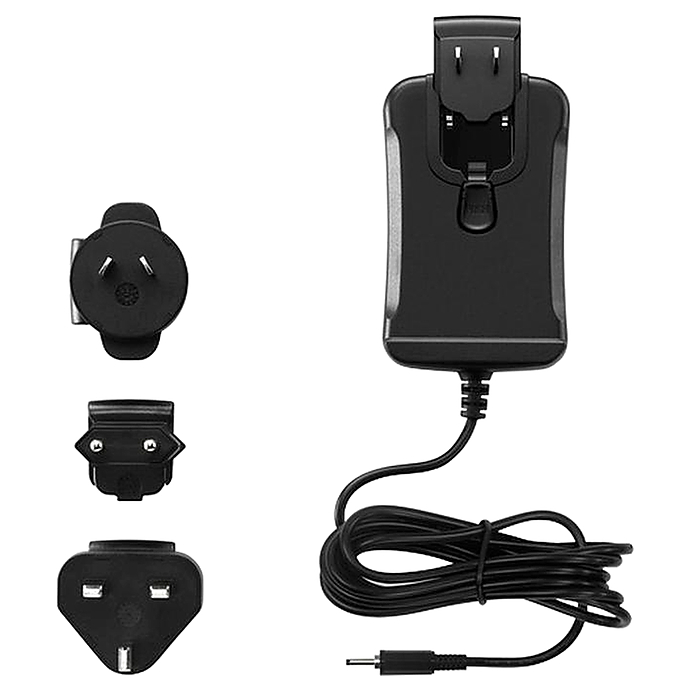
Nothing derails hybrid shoots like dead batteries. Carry spares, and when your camera supports it, use a dedicated AC adapter or high‑capacity battery plate for interviews and studio sessions. For Blackmagic shooters, the Blackmagic Design Power Supply for Pocket Cinema Camera keeps your rig topped up during longer takes or live setups.
6) Audio readiness: clean inputs and a simple workflow
Look for reliable preamps, headphone monitoring, and easy access to levels. If your camera offers XLR (or an adapter), it’s a plus. For minimal setups, verify that the 3.5 mm input plays nicely with your wireless lavs and on‑camera mics without quirky gain staging.
7) Protect your investment with the right warranty
Hybrid shooters push their gear hard. Consider brand‑specific coverage to reduce downtime. Cinema‑leaning users can benefit from the RED Extended Warranty for KOMODO‑X, which helps ensure critical repairs don’t stall productions.

If you’re in the Nikon system, a Nikon Care 2‑Year Camera Warranty can add peace of mind for pro and travel workloads.
8) Carry smarter: quick access and modular organization
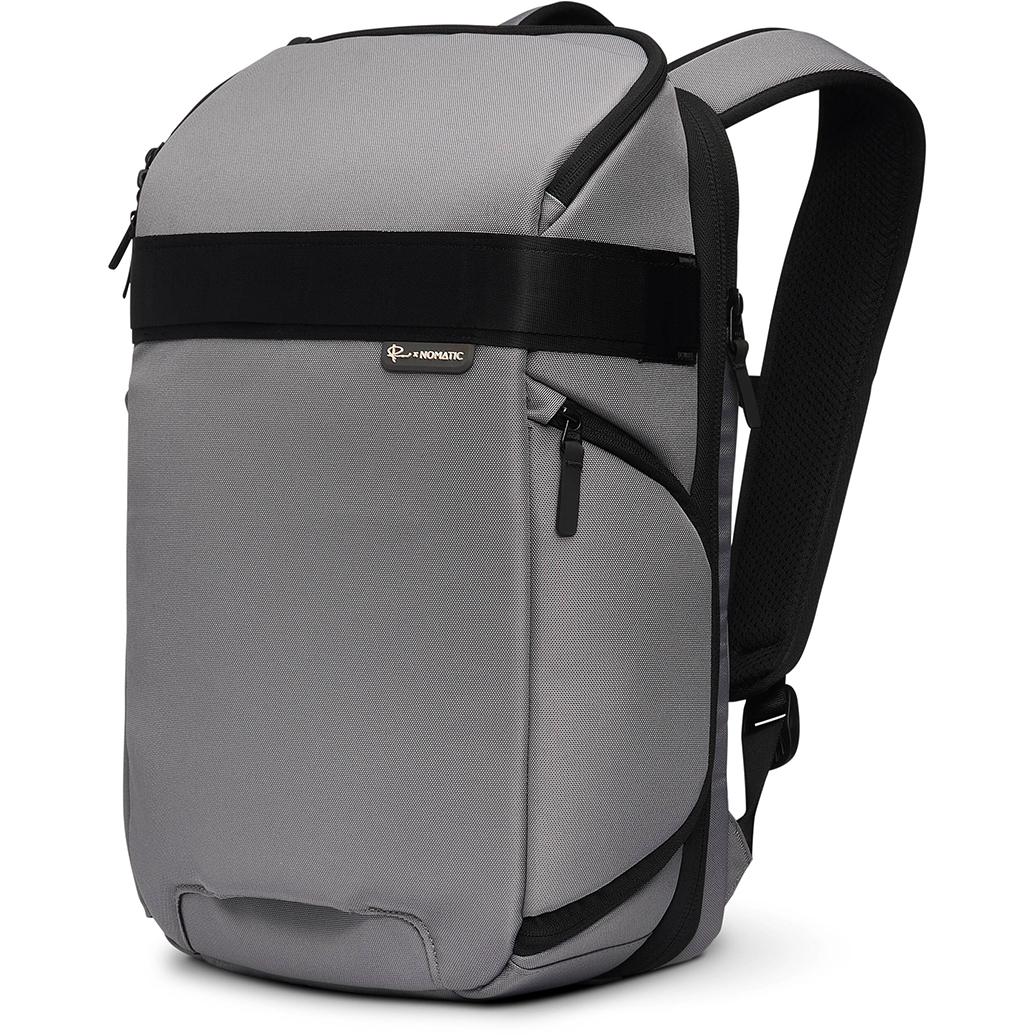
A compact, well‑organized pack keeps your hybrid loadout fast and nimble—camera, a couple of primes, mics, and spare power. The Nomatic Luma Camera Pack 18L balances protection with rapid access, ideal for moving between stills and video setups on the same shoot.
9) Dial in ergonomics for all‑day comfort
Add a comfortable strap and consider small rigging where needed. A slim, grippy strap like the PGYTECH Camera Strap Slim keeps a hybrid body secure while remaining low‑profile on gimbals. If you rig up for video, ensure you can strip back quickly for stills.
Putting it all together
The best hybrid camera is the one that balances strong 10‑bit video, confident autofocus, dependable stabilization, and a workflow that fits how you shoot. Start with a capable body, add a sharp wide prime, plan your power, and protect your investment—then carry it all in a pack that keeps you moving. Ready to build your hybrid kit? Explore these and more solutions at Unique Photo, online or in store, and level up your photo‑video storytelling.