Introduction: Starting Your Photography Journey in 2024
Choosing your first camera today often comes down to one fork in the road: mirrorless or DSLR. This review-style guide breaks down the real-world differences, who each format suits best, and which types of models to target by budget. While we don’t crown a single brand the winner for everyone, we do deliver a clear recommendation for most beginners in 2024—plus a few smart accessories to make your first kit more capable from day one.
Why Mirrorless Wins for Most Beginners in 2024
See Your Exposure Before You Shoot
Mirrorless cameras display a live exposure preview in the electronic viewfinder and rear screen. As you change aperture, shutter speed, or ISO, you see the effect immediately—an enormous confidence booster for new shooters learning the triangle. What you see is what you’re about to get.
Autofocus That Makes Learning Easier
Across brands, mirrorless systems now offer broad frame coverage and subject-detection AF (people/eye, animals, vehicles). For beginners, that means more keepers and less menu diving to pick a focus point. It’s particularly helpful for family, pets, and action.
Portability and Modern Video
Most mirrorless bodies and native lenses are smaller than their DSLR equivalents, making it easier to carry a camera everywhere—the best way to learn is to shoot often. On the video side, mirrorless brings advanced codecs, 4K options, and in-body stabilization on many models—ideal for creators who want to dabble in vlogging or short-form content.
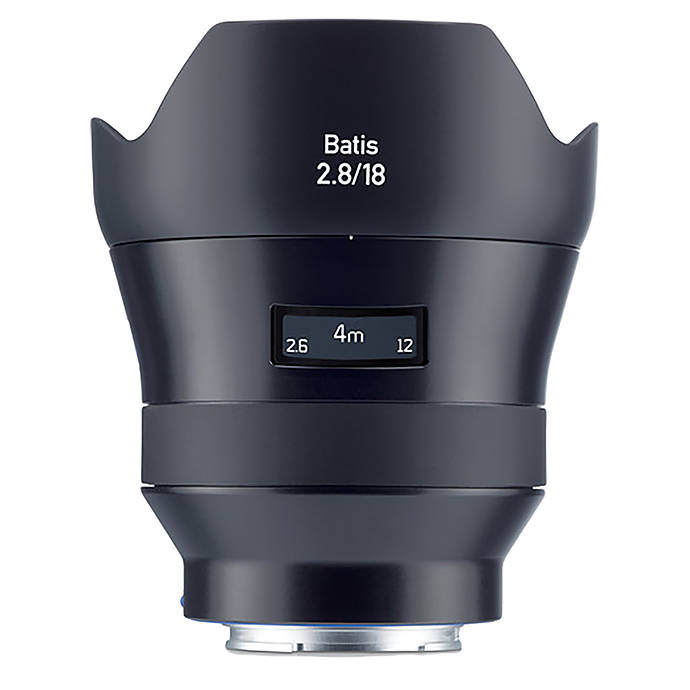
The mirrorless lens ecosystem is mature, with excellent native glass from camera makers and third parties. The Zeiss Batis 18mm f/2.8 above is a great example of a compact, ultra-wide AF prime for Sony full-frame E-mount—showing what’s possible as you grow into specialty lenses.
When a DSLR Still Makes Sense
Value on the Used Market
If your budget is tight and your priority is stills, used DSLRs deliver tremendous value. A gently used DSLR kit can cost less than many entry mirrorless bodies, and optical viewfinders are still lovely for bright outdoor shooting.
Battery Life and Tactile Feel
DSLRs typically offer longer battery life and a robust, familiar handling experience—especially attractive if you prefer an optical view or plan long days without charging. If you shoot mainly stills and want the best price-to-performance ratio used, a DSLR remains viable.
Quick Recommendations by Budget
- Under $700: Consider used DSLR kits (e.g., Canon Rebel series, Nikon D3xxx/D5xxx) or older used mirrorless bodies (e.g., Sony a6000) to maximize value. Unique Photo’s Used & Trades section is a great place to start.
- $800–$1,200: Entry-level mirrorless APS-C is the sweet spot. Look at Canon EOS R50/R10, Nikon Z30/Z50, Sony a6400, or Fujifilm X-S10/X-S20 (availability varies). These offer strong AF, compact bodies, and 4K video on many models.
- $1,200–$2,000: Step into full-frame mirrorless for improved dynamic range and low-light performance. Canon EOS R8, Nikon Z5/Z6 II, or Sony a7-series options (new or used) are strong foundations if you plan to grow your system.
- Creators/Vloggers: Cameras with reliable 4K, flip screens, and good audio support—think Sony ZV-E10 or models with in-body stabilization—make content creation easier right out of the box.
Accessories to Grow With Your First Camera
Carry Comfort: Nomatic Luma Camera Pack 18L
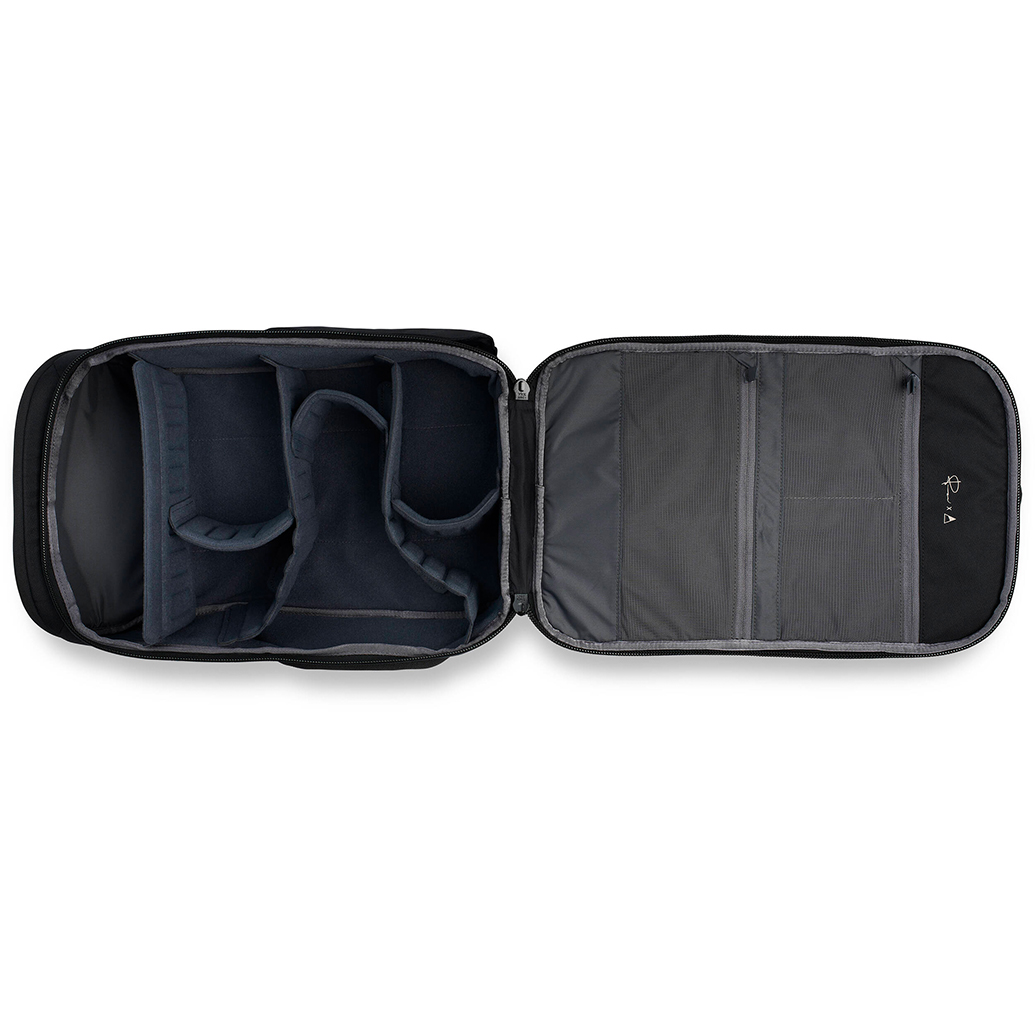
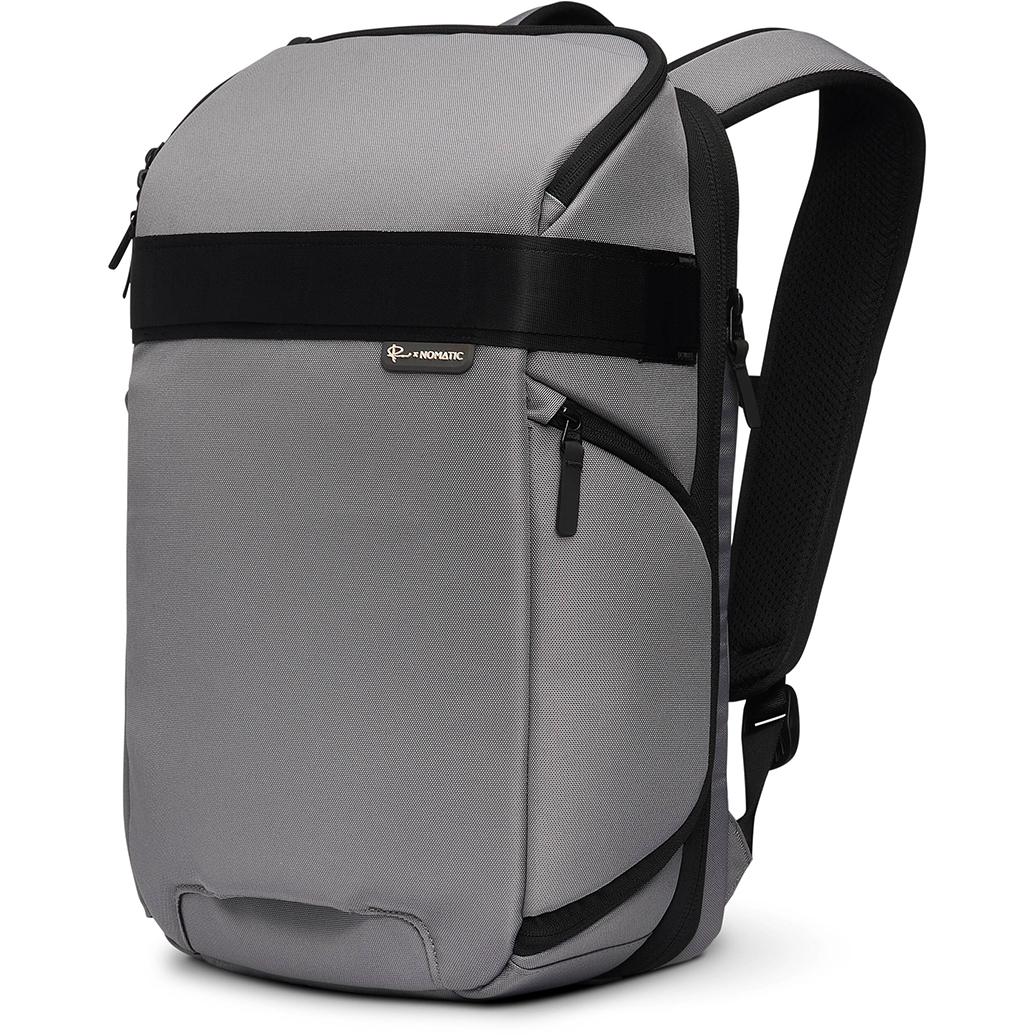
A well-organized bag matters more than most beginners expect. The Nomatic Luma Camera Pack 18L balances streamlined everyday carry with the room you need for an entry body, a couple of lenses, and essentials—perfect for mirrorless or DSLR starter setups. Its 18-liter capacity keeps the weight sensible while giving you room to grow.
Go Wide as You Grow: Zeiss Batis 18mm f/2.8 (Sony E)
As your skills develop, exploring creative focal lengths is hugely rewarding. The Zeiss Batis 18mm f/2.8 is a premium, lightweight ultra-wide prime for Sony full-frame E-mount with fast autofocus and renowned Zeiss rendering. It’s not a must-have for day one, but it’s a lens that can elevate landscapes, architecture, and vlogging once you’re comfortable with your kit.
Power for Video-Focused Setups
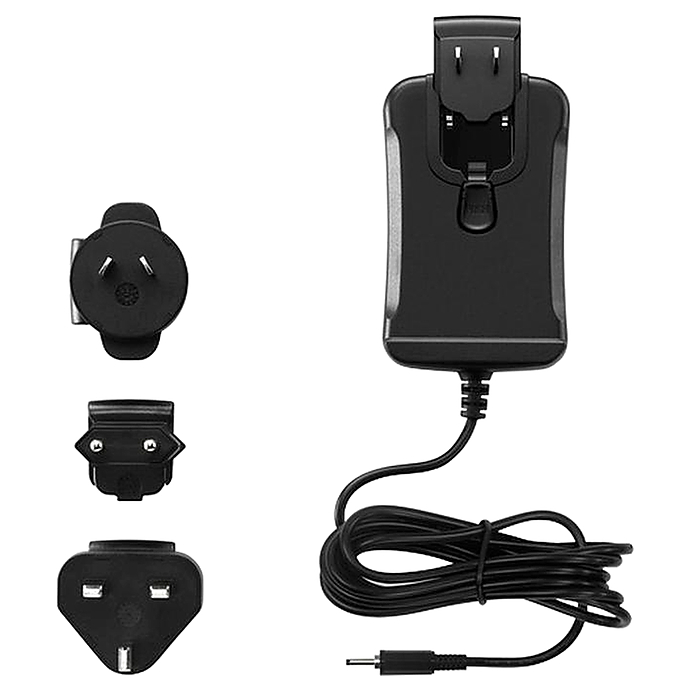
If you lean into filmmaking with a Blackmagic Pocket Cinema Camera, a dedicated power supply helps stabilize longer shoots and studio sessions. It’s a small accessory that can make a big difference when you start filming more seriously.
Pros and Cons for Beginners
Mirrorless
- Pros: Live exposure preview; advanced AF and subject detection; compact systems; stronger video features; growing lens ecosystems.
- Cons: Shorter battery life than DSLRs in many cases; EVF preference is subjective; newer systems can carry higher upfront costs.
DSLR
- Pros: Excellent value on the used market; long battery life; optical viewfinder experience; plentiful used lenses.
- Cons: Generally bulkier; fewer new body/lens releases; live-view/video features typically lag modern mirrorless.
Verdict and Recommendation
For most beginners in 2024, a mirrorless camera is the best starting point. The live exposure preview accelerates learning, modern autofocus keeps more shots in focus, and video performance is a leap ahead. If your budget is very tight, a used DSLR remains a smart path to great stills at a lower cost—and you can always transition to mirrorless later.
Whichever route you choose, build a system you’ll enjoy carrying and using often. Start with a sensible body, a versatile zoom or fast prime, and a reliable bag. As your skills grow, add specialty glass like an ultra-wide prime to expand your creative palette.
Ready to get started? Shop online or visit Unique Photo for hands-on demos, expert advice, and a robust selection of new and used gear. Our team can help match the right mirrorless or DSLR to your goals—and outfit you with accessories that matter from day one.