Traditional Multi-Bath vs. Monobath: Essential Tips for Home Developing Black & White Film
Ready to develop black and white film at home but unsure which approach to take? This head-to-head compares the two most popular workflows—traditional multi-bath processing and modern monobath—so you can pick the method that fits your time, space, and creative goals. Along the way, we share essential tips to help you get clean, consistent negatives from your first roll onward.
Quick Specs & Workflow Comparison
| Category | Traditional Multi-Bath | Monobath |
|---|---|---|
| Core Steps | Developer → Stop → Fix → Wash → Wetting agent | Single solution (develop + fix) → Wash → Wetting agent |
| Chemicals Involved | 3–5 (developer, stop bath or water stop, fixer, optional hypo clear, wetting agent) | 1 primary bath (monobath) + wetting agent |
| Typical Total Time | 25–45 minutes (incl. wash and dry time not counted) | 10–20 minutes (incl. wash) |
| Temperature Sensitivity | High; commonly 68°F/20°C target | Moderate; often tolerant across ~68–75°F/20–24°C |
| Agitation | Regular intervals (e.g., first 30–60s, then 10s each minute) | Usually gentle, less frequent; follow maker guidance |
| Control Over Contrast | Excellent (developer choice, dilution, time) | Limited compared to multi-bath |
| Grain/Sharpness Tuning | Extensive via developer selection/dilution | Limited; single-solution compromises |
| Learning Curve | Moderate; more steps and timing | Very easy; great for beginners |
| Chemistry Cost per Roll | Moderate; depends on reuse and dilution | Low–moderate; often single-shot or limited reuse |
| Repeatability | High with good process control | Good, but less adjustable |
| Best For | Maximum image quality and control | Speed, simplicity, and small spaces |
Category-by-Category Analysis
1) Setup & Essential Gear
- Traditional multi-bath: You will need a light-tight developing tank and reels, measuring cylinders, thermometer, timer, storage bottles, and a dust-free drying space. A changing bag is useful for loading reels.
- Monobath: Same core gear, but fewer bottles and mixing steps. Ideal for small apartments or quick sessions.
Tip: Keep your kit organized so chemicals and tools are easy to grab and put away quickly between runs.
2) Chemistry Choices & Mixing
- Traditional: Choose a developer that fits your film and aesthetic (e.g., fine-grain vs. maximum sharpness). Mix stock and dilute to working strength as needed. Use distilled water if your tap water is hard to reduce residue and streaking.
- Monobath: Follow the manufacturer’s exact mixing and storage directions. Some monobaths are single-use; others allow limited reuse. Label everything clearly and note mix dates.
Tip: Store working solutions in airtight, opaque bottles filled to the brim to minimize oxidation.
3) Temperature Control
- Traditional: Most times are calibrated for 68°F/20°C. Use a water bath to keep bottles and tank at target temp. Inconsistent temperature is a top cause of uneven development and density shifts.
- Monobath: Often more forgiving, but stay within the recommended range. Warmer temps accelerate activity; cooler temps slow it down—adjust only if the instructions allow.
4) Loading & Agitation Technique
- Loading: Practice loading a scrap roll onto the reel in the light, then with your eyes closed, before attempting a real roll in a changing bag.
- Agitation: For multi-bath, start with a thorough initial agitation, then short, consistent inversions (or gentle swirls) at set intervals. For monobath, follow the exact interval and duration specified; over-agitation can increase density and streaking.
5) Exposure Latitude & Contrast Control
- Traditional: Push/pull processing and developer choice let you tune contrast and grain. Keep a log of film, developer, dilution, temperature, time, and results to refine your look.
- Monobath: Pushing/pulling is more limited; you can usually nudge time and temp within a small window, but dramatic changes are not the monobath’s forte.
6) Fixing, Washing, and Archival Stability
- Fix time: Use a clip test to confirm clearing times for your fixer. Replenish or replace when clearing slows.
- Washing: Ilford’s method (fill/invert/dump cycles) is quick and water-efficient for fresh emulsions; hypo clearing agents can speed archival washing for thicker films. Always finish with a wetting agent to prevent drying marks.
Tip: Don’t over-squeegee. Use clean, damp fingers or a dedicated film squeegee with extreme care to avoid scratches.
7) Drying & Dust Control
Hang film in a steamy bathroom or a clean closet to help settle dust. Add clothespins or weighted clips to keep strips straight. Avoid fans that blow dust; let air circulate gently.
8) Safety & Disposal
Wear gloves and eye protection, work in a ventilated space, and never store chemistry near food. Follow local regulations for disposal—fixer contains silver and should not go down the drain unless properly treated.
9) Digitizing & Printing Your Negatives
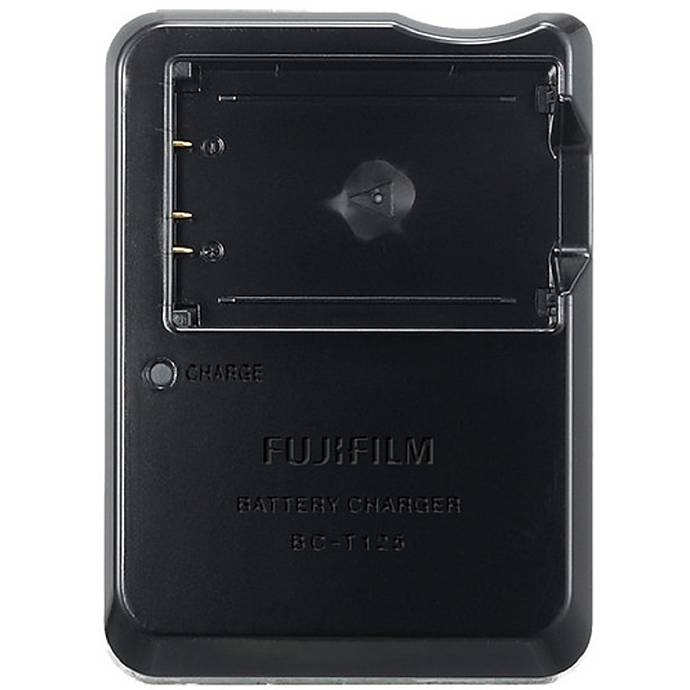
- Scanning: Keep your camera or scanner powered and stable for consistent results during longer sessions.
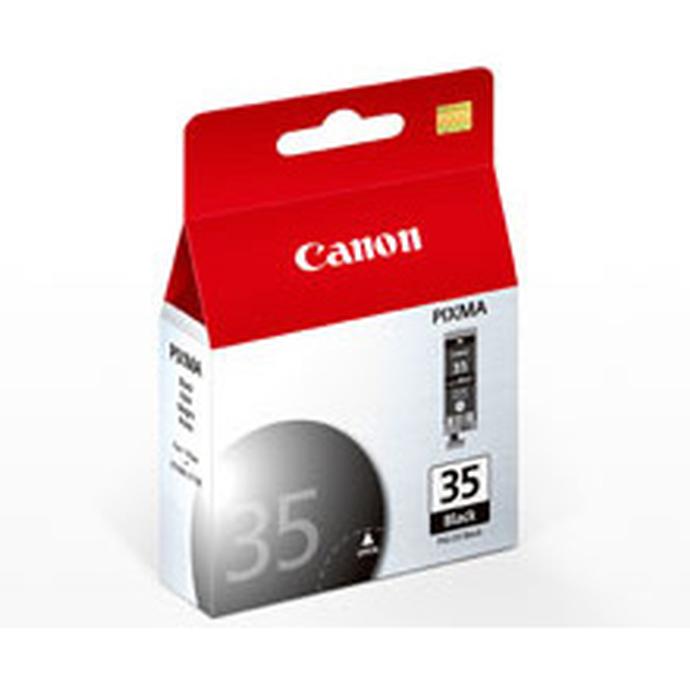
- Contact sheets and work prints: If you print at home, keep spare ink on hand for reliable output and proofing.
Our Pick
If you’re after maximum control over contrast, grain, and tonality—and you don’t mind a few extra steps—choose Traditional Multi-Bath. It scales with your skills and delivers the most consistent, tunable results across different films.
If you prioritize speed, simplicity, and small-space convenience, or you’re brand-new to home developing, Monobath is a great on-ramp. It reduces variables and gets you to a clean negative fast.
Bottom line: Traditional Multi-Bath wins for creative control and long-term growth; Monobath wins for beginners and fast, fuss-free processing.
Conclusion
Both workflows can yield beautiful black-and-white negatives at home. Start with the method that best fits your space and goals, keep detailed notes, and refine one variable at a time. When you’re ready to build your kit, Unique Photo has the gear and supplies to support your home darkroom—from storage and organization to the accessories that simplify scanning and printing.