Best Budget Microphones for Run-and-Gun Documentary Filmmaking
Great documentary footage can be undermined quickly by weak audio, especially when you're working fast, moving between locations, and recording interviews in unpredictable conditions. For solo shooters and small crews, the best budget microphone setup is usually the one that balances sound quality, speed, portability, and reliability without adding too much complexity.
At Unique Photo, we help filmmakers choose audio gear that fits the realities of documentary production. Below, we answer the most common questions about affordable shotgun mics, wireless lav options, and compact recorder-based solutions for run-and-gun work.
What is the best affordable shotgun mic for interviews on the go?
If you want a strong balance of price, performance, and versatility, a compact on-camera shotgun is often the most practical starting point. For fast interviews, vérité shooting, and general ambient capture, the Sennheiser MKE 400 Compact Shotgun Microphone Gen II is an excellent budget-friendly choice. It is small enough to stay mounted on a mirrorless or hybrid camera, making it ideal for documentary shooters who need better directional audio than an internal camera mic can provide.
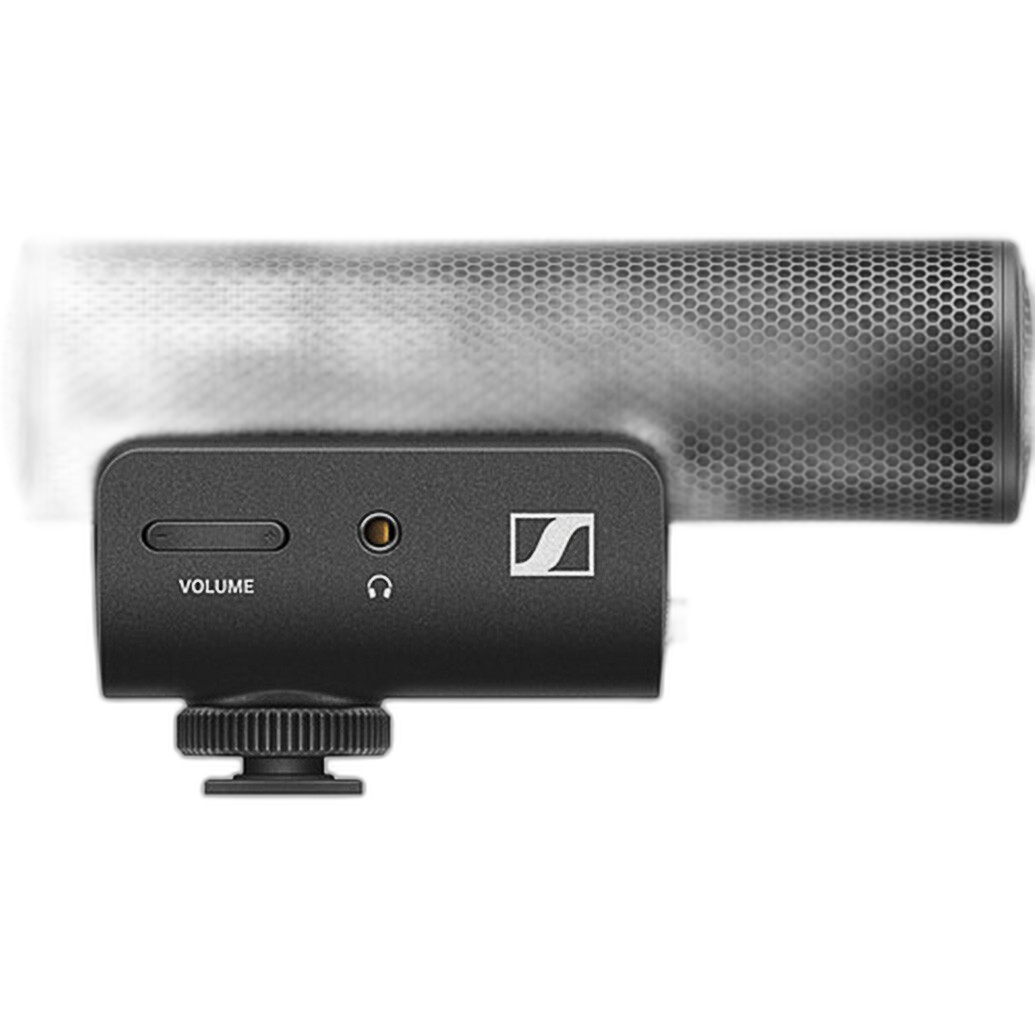
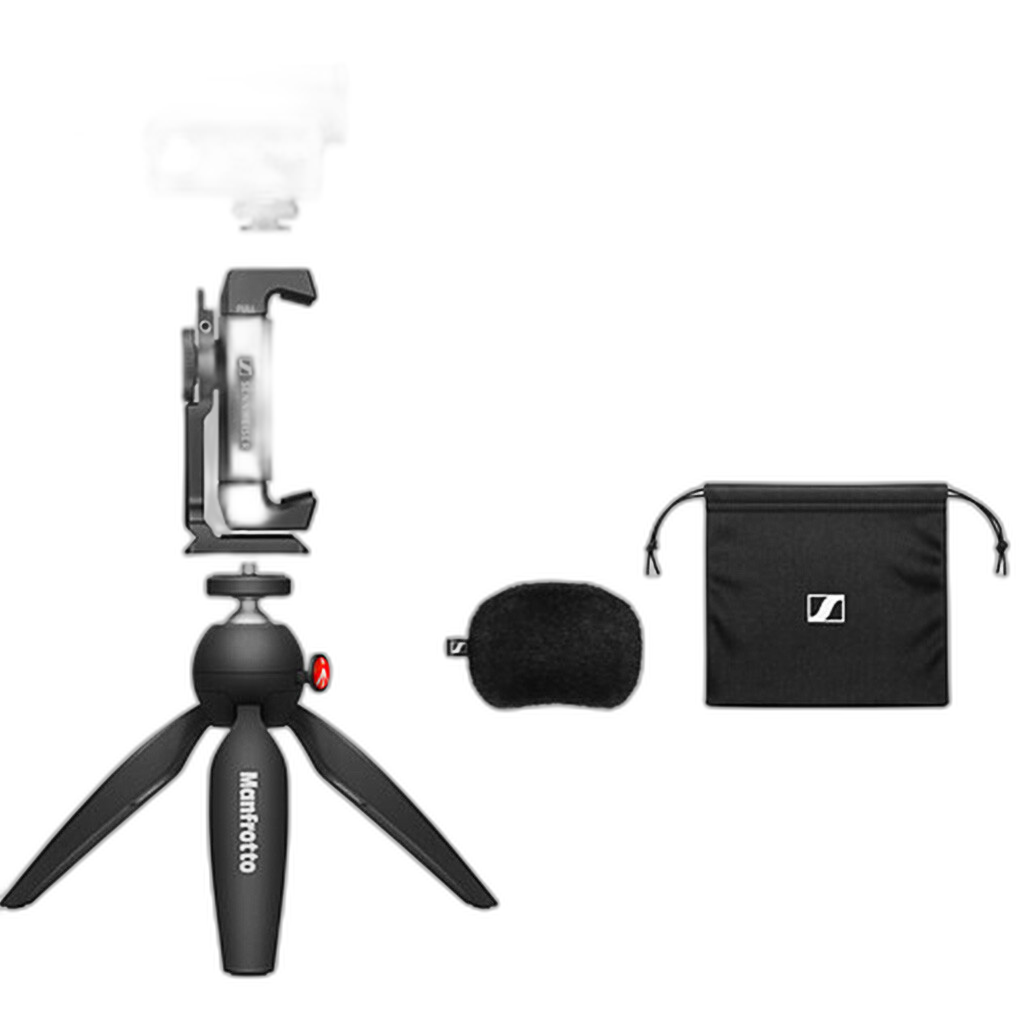
If you want a kit-oriented approach with useful accessories for field use, the Sennheiser MKE 400 Compact Shotgun Microphone Gen II Recording Bundle can be especially appealing. Bundles can simplify the buying process for newer filmmakers who want a more complete audio solution right away.
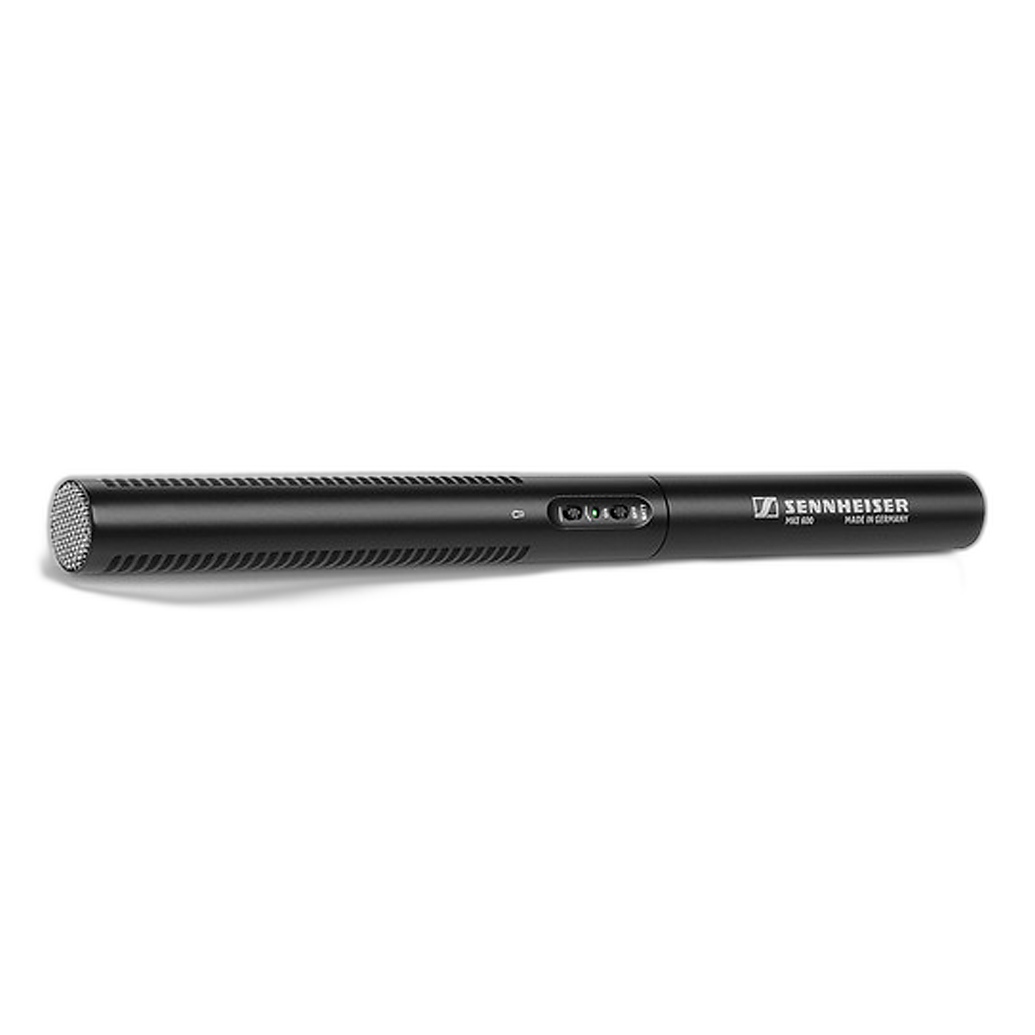
For shooters who want to step up to a more traditional shotgun design with professional flexibility, the Sennheiser MKE 600 Shotgun Microphone remains a smart value. It is well suited for sit-down interviews, boom use, and camera-top setups when paired correctly, making it a strong choice for documentary creators who want room to grow.
Should I choose a lavalier system or a shotgun mic for documentary work?
It depends on how controlled your shooting environment is and how close you can get to your subject. A shotgun mic is usually the better all-around tool when you need speed and flexibility. It works well for on-camera interviews, walk-and-talk coverage, and spontaneous moments where attaching a mic to a subject would slow you down.
A wireless lavalier system becomes the better option when your subject is moving, when you need more consistent voice levels, or when the camera cannot stay close enough for a shotgun to sound full and direct. In busy or noisy documentary locations, having the mic physically closer to the speaker often matters more than the microphone type itself.
For creators who need a compact, modern wireless solution, the DJI Mic 3 2-Person Compact Wireless Microphone System for Mobile Devices is a strong option. It is especially useful for two-person interviews, mobile workflows, and solo operators who need fast setup with dependable speech pickup.

In many documentary kits, the smartest answer is not choosing one over the other, but combining both: a shotgun on camera for ambient coverage and quick grabs, plus a wireless mic for primary dialogue when the subject and situation allow it.
Is plugging a mic directly into the camera good enough, or should I use a separate recorder?
For many run-and-gun filmmakers, plugging a microphone directly into the camera is absolutely good enough, especially when speed and simplicity are top priorities. This approach reduces cables, eliminates sync work in post, and keeps your rig compact. If your camera has a decent mic preamp and headphone monitoring, an on-camera shotgun can be a very efficient solution.
That said, a dedicated recorder or recorder-enabled microphone can improve flexibility and sometimes deliver cleaner audio capture. One particularly useful hybrid option is the Zoom M3 MicTrak Stereo Shotgun Microphone and Recorder. It combines directional microphone functionality with built-in recording, which can be attractive for shooters who want a simplified backup workflow or who work with cameras that have limited audio controls.
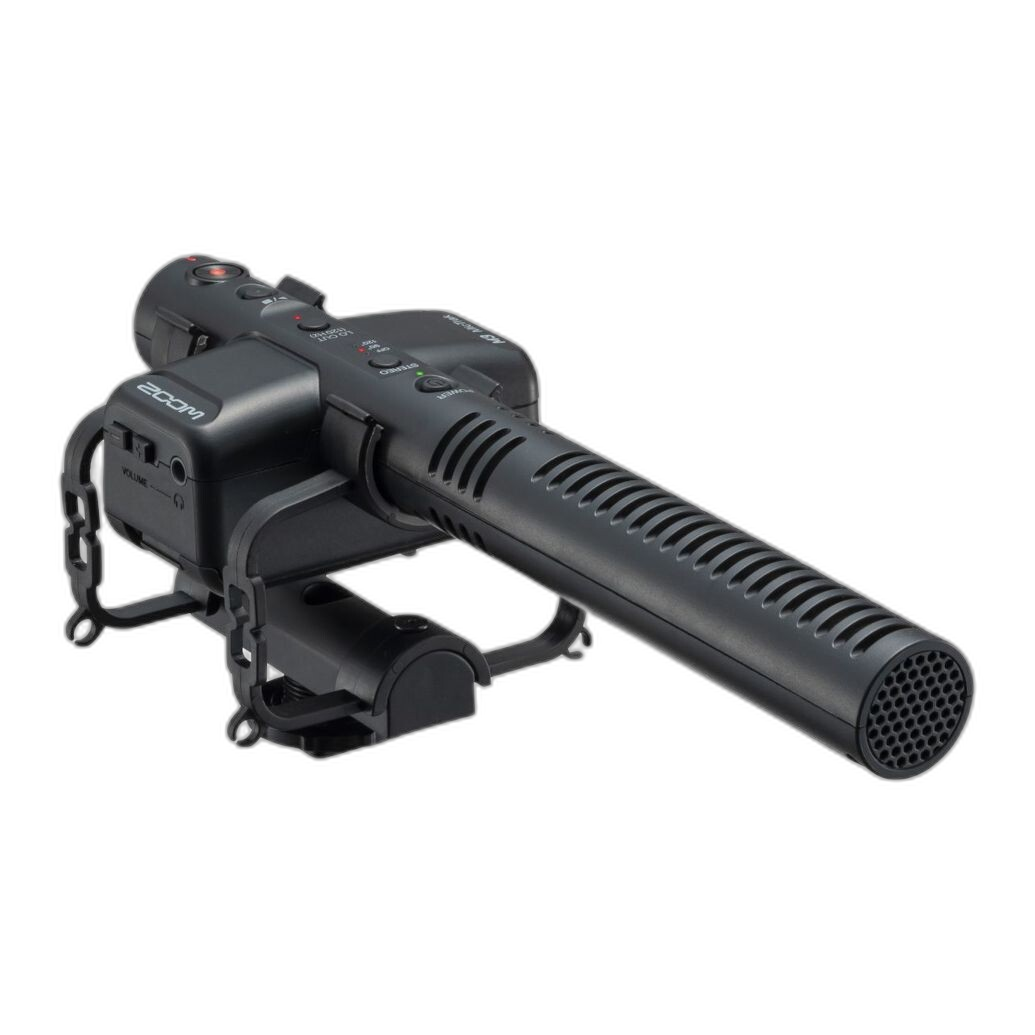
If your style involves quickly moving between handheld shooting, tripods, and improvised interviews, a recorder-integrated mic can help reduce setup friction. But if your priority is staying light and editing fast, direct-to-camera recording still makes a lot of sense.
How important is mic placement in run-and-gun documentaries?
Mic placement is often more important than buying a more expensive microphone. Even an excellent shotgun mic will sound distant if it is mounted too far from the speaker. For interviews, the closer you can place the mic without entering the frame, the better your dialogue clarity will typically be.
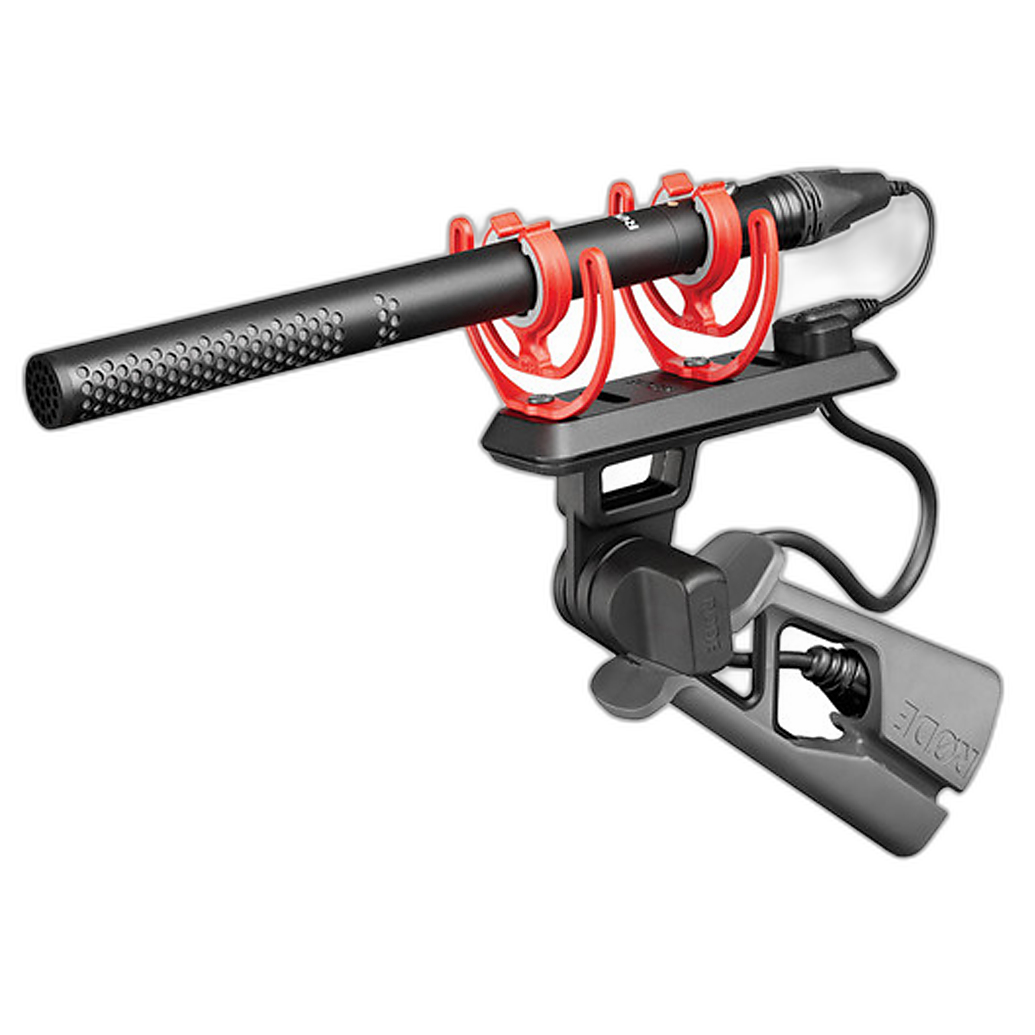
This is why larger shotgun microphones such as the Sennheiser MKE 600 or the Rode NTG5 Moisture Resistant Shotgun Microphone Location Recording Kit are often favored when you can use a boom or place the mic just overhead. They deliver more professional results when positioned properly and can help isolate a voice from surrounding noise.
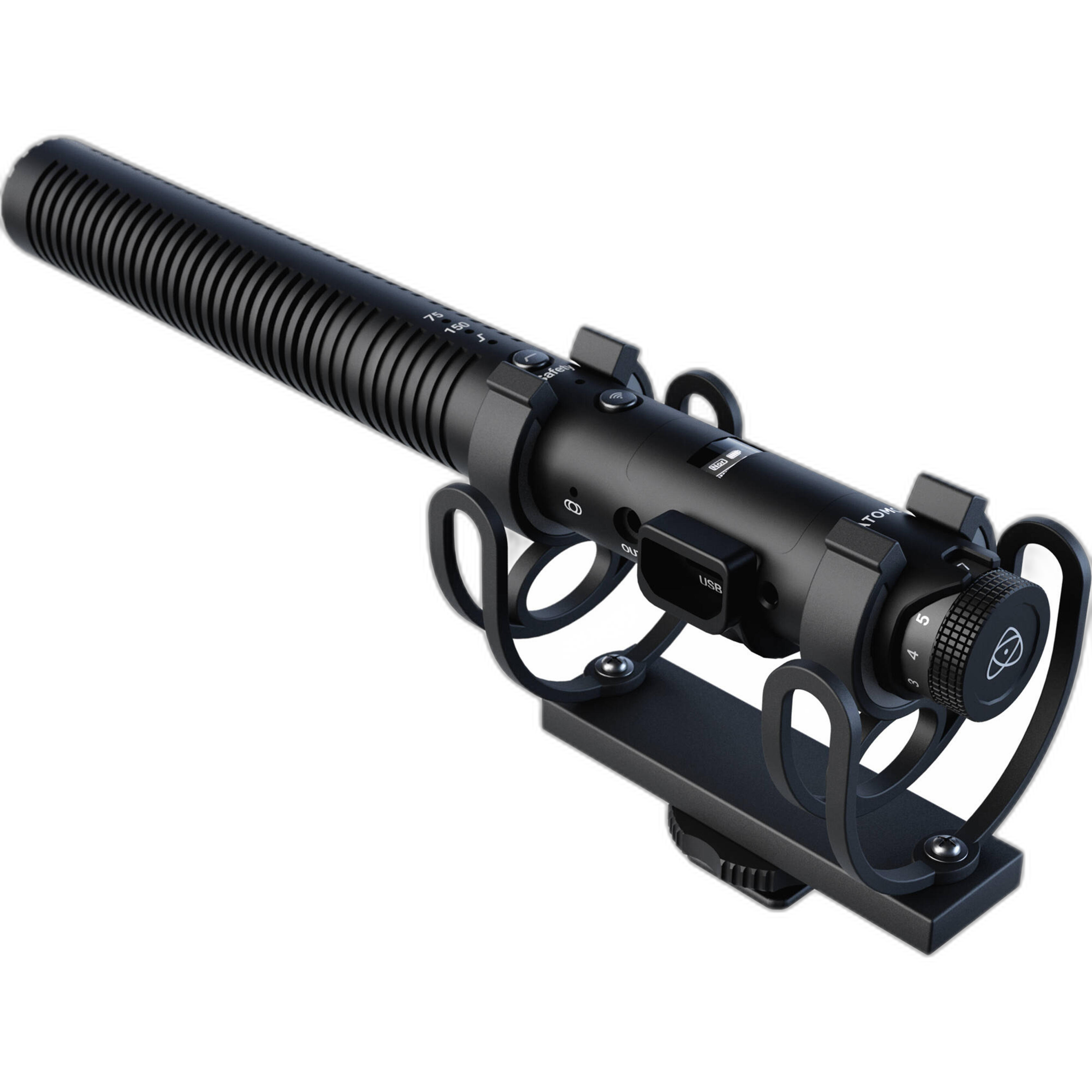
When working solo, however, camera-mounted compact mics like the Sennheiser MKE 400 or Atomos StudioSonic Shotgun Mic can still provide a meaningful improvement over internal camera audio. They are not a substitute for ideal placement, but they are practical tools for fast-moving production days.
What should I use in windy outdoor documentary situations?
Wind protection is essential. Even the best microphone can become difficult to use outdoors without proper shielding from wind. For documentary work in parks, city streets, shorelines, or event coverage, you want a mic system that is designed with location recording in mind and paired with effective wind protection.
The Rode NTG5 Moisture Resistant Shotgun Microphone Location Recording Kit stands out here because it is designed for field use and includes a package built around location recording needs. For crews working in changing weather or humid conditions, this kind of setup can be a very practical investment.
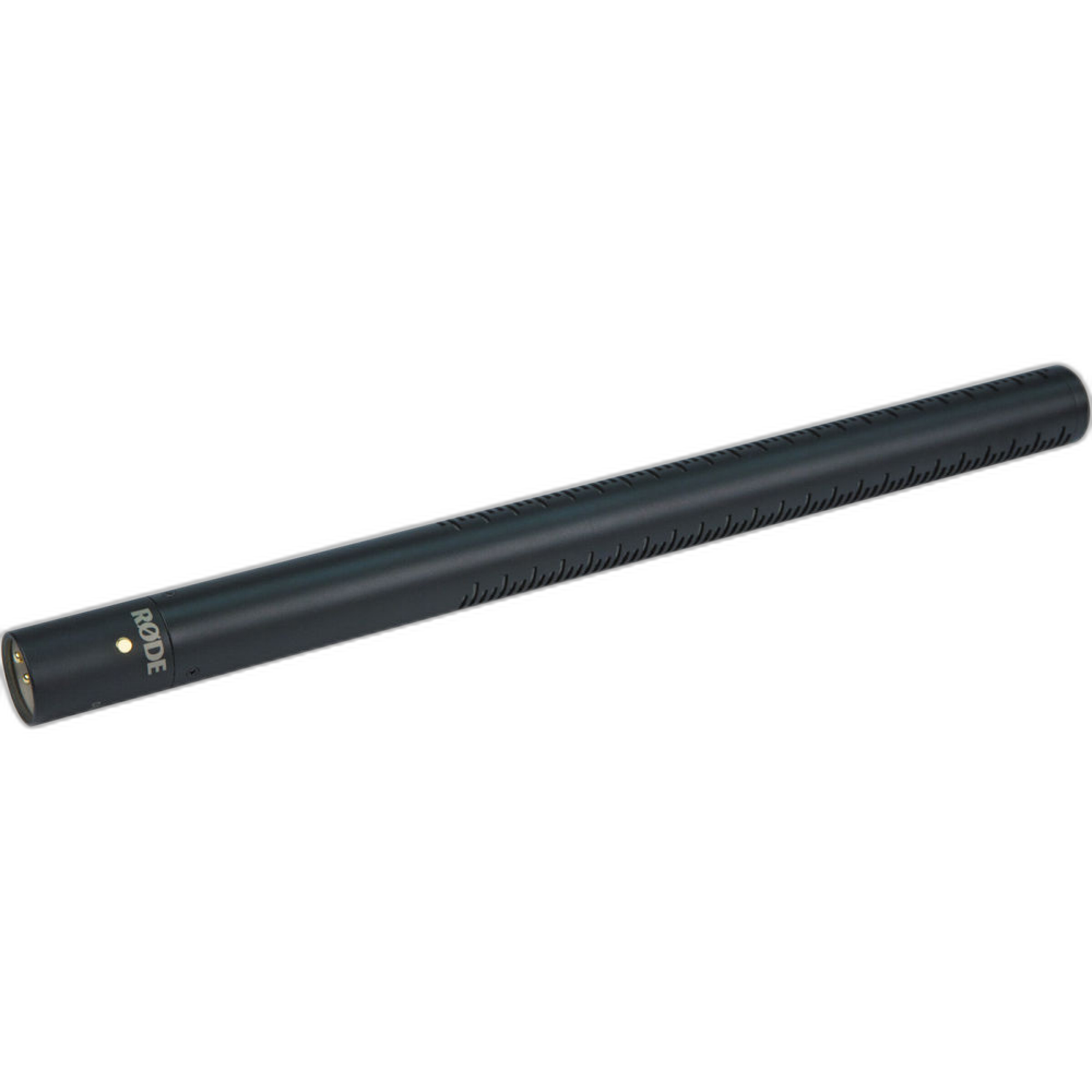
The Rode NTG3B Moisture-Resistant Shotgun Microphone is also worth considering if your documentary work regularly takes you into challenging outdoor environments. It is a more premium choice than an entry-level budget mic, but it offers the kind of durability and professional performance many documentary shooters eventually want.
For budget-conscious users, remember that proper wind protection and smarter placement can sometimes improve real-world audio more than upgrading the microphone alone.
Are compact shotgun mics good enough for serious documentary work?
Yes, as long as expectations match the job. Compact shotgun mics are often the best choice for solo documentary shooters because they are lightweight, fast to deploy, and easy to keep mounted full-time. They are especially useful for travel docs, street interviews, behind-the-scenes coverage, and hybrid photo-video assignments.
The Sennheiser MKE 400 Compact Shotgun Microphone Gen II is a strong example of a compact mic that fits this role well. It offers a meaningful step up from built-in camera audio while keeping your rig manageable. For creators who shoot with mirrorless cameras, this kind of microphone often delivers the best balance of convenience and performance.
If you need something similarly easy to integrate into a lightweight rig, the Atomos StudioSonic Shotgun Mic is another option to consider. Compact mics will not replace a properly boomed full-size shotgun in every situation, but they can absolutely be serious tools when mobility matters most.
What is the best microphone setup for a solo documentary shooter?
For most solo shooters, the best setup is one that covers both planned interviews and unexpected moments without slowing production. A practical approach is to build around one compact shotgun mic for everyday use and add a wireless solution when dialogue becomes the priority.
A strong starter documentary kit could include the Sennheiser MKE 400 for camera-mounted recording and the DJI Mic 3 for situations where you need a subject mic. If you want a higher-tier directional mic for more formal interviews or boom work, the Sennheiser MKE 600 is a natural upgrade path.
For creators who want more all-in-one flexibility, the Zoom M3 MicTrak can also be an attractive centerpiece because it blends microphone and recording functions into one field-friendly unit.
How much should I spend on a documentary microphone if I'm on a budget?
A realistic budget depends on whether you need just one microphone or a complete audio strategy. If you are starting from scratch, it usually makes sense to buy the most practical mic for your current workflow rather than chasing the most advanced specification sheet. A dependable compact shotgun often gives the best immediate improvement per dollar.
If your productions regularly involve interviews, movement, and noisy locations, budgeting for both a shotgun and a wireless mic may ultimately serve you better than overspending on one premium microphone. Documentary audio is about solving problems consistently, not just owning the most expensive gear.
At Unique Photo, we generally advise filmmakers to invest first in a microphone they will actually use every time they shoot. Consistency in use and setup almost always beats owning a more complex audio package that stays in the bag.
Choosing the right budget microphone for run-and-gun documentary work comes down to your shooting style, your subject distance, and how fast you need to work. Whether you need a compact on-camera shotgun, a wireless mic system, or a recorder-based solution, Unique Photo carries trusted options to help you build a dependable documentary audio kit. Explore our microphone selection to find the setup that fits your workflow and your budget.