Landscape photographers do not need to spend premium prices to capture dramatic skies, wide vistas, textured foregrounds, and layered mountain scenes. In fact, many of the best budget lenses for landscape photography come from practical kit zooms and affordable telephoto options that real users rely on every day. If you are building a cost-conscious setup, Unique Photo offers approachable camera-and-lens kits that can cover a surprising range of landscape situations without overwhelming your budget.
In this guide, we will look at what makes a good budget landscape lens, which focal lengths are most useful, what real-world users tend to like about affordable options, and how to get stronger results with the gear you already own.
What Makes a Budget Lens Good for Landscape Photography?
When shoppers search for the best cheap lens for landscape photography, they are usually looking for a balance of image quality, portability, and versatility. The good news is that landscape photography is one of the most forgiving genres for budget lenses because photographers often shoot at narrower apertures like f/8 or f/11, where many affordable lenses perform very well.
Here are the features that matter most:
- Wide-angle coverage: Great for sweeping scenes, dramatic foregrounds, and travel landscapes.
- Sharpness stopped down: Many budget lenses improve noticeably at landscape-friendly apertures.
- Low weight: Important for hiking, travel, and all-day shooting.
- Filter compatibility: Helpful for polarizers and neutral density filters.
- Useful zoom range: Flexibility makes one lens more practical for different locations.
User feedback consistently shows that beginners and enthusiasts appreciate lenses that are compact, easy to carry, and capable of delivering crisp images in good light. That is why budget zooms remain popular recommendations at Unique Photo for photographers starting with mirrorless systems.
Best Affordable Focal Lengths for Landscapes
One of the biggest misconceptions in landscape photography is that you only need an ultra-wide lens. While wide-angle lenses are classic landscape tools, many experienced users also love normal and telephoto focal lengths for isolating distant peaks, compressing layered scenes, and simplifying compositions.
For budget-minded photographers, these focal ranges are especially useful:
- 18-24mm equivalent range: Ideal for broad views, seascapes, waterfalls, and environmental foregrounds.
- 24-35mm equivalent range: Excellent for natural-looking landscapes and travel scenes.
- 50-85mm equivalent range: Great for details, intimate landscapes, and framing through trees or rock formations.
- 100mm+ equivalent range: Useful for mountain compression, layered horizons, and distant subjects.
This is exactly why two-lens kits can be so effective. Instead of spending heavily on one specialty lens, many users prefer a practical combination that covers wide to telephoto in an affordable package.
Why Kit Lenses Are Often the Best Budget Lenses for Landscape Photography
Kit lenses are sometimes underestimated, but user reviews often tell a different story. For landscape work, a modern kit zoom can be a smart choice because it is lightweight, stabilized in many systems, and sharp enough for web use, prints, and travel portfolios when used carefully.
Photographers shopping at Unique Photo frequently consider starter kits because they provide immediate focal length coverage for a range of landscapes. A lens like an 18-45mm zoom is especially practical for scenic overlooks, road trips, hiking trails, and cityscape photography. When paired with a telephoto zoom such as a 55-210mm, users gain access to compositions that would otherwise require a much more expensive lens lineup.
Common user praise for budget kit lenses includes:
- Surprisingly good center sharpness at f/8
- Compact design for travel and walking trails
- Affordable entry into interchangeable-lens photography
- Versatile framing without frequent lens changes
The tradeoffs are usually slower maximum apertures and less edge sharpness wide open, but for tripod-based or daylight landscape work, these limitations are often minor.
User Review Insights: Canon RF-S 18-45mm for Budget Landscape Shooters
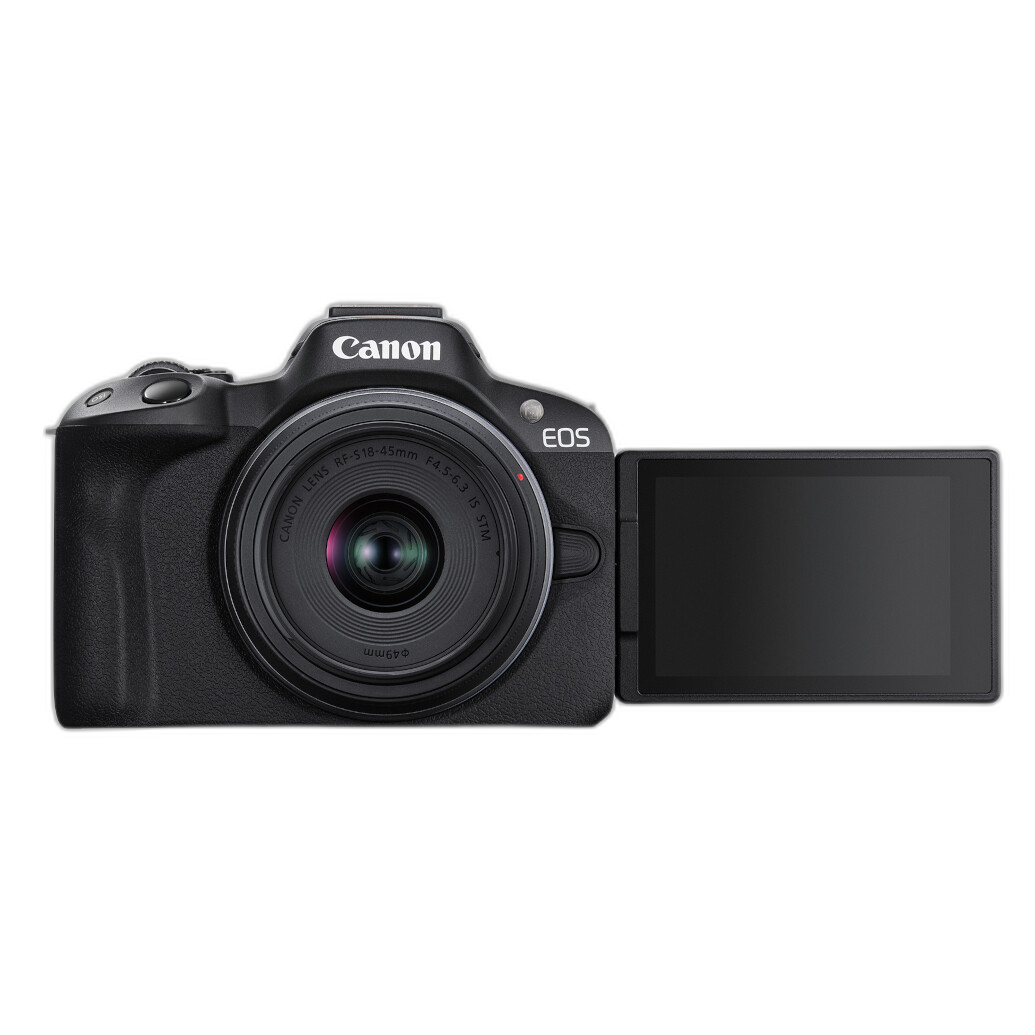
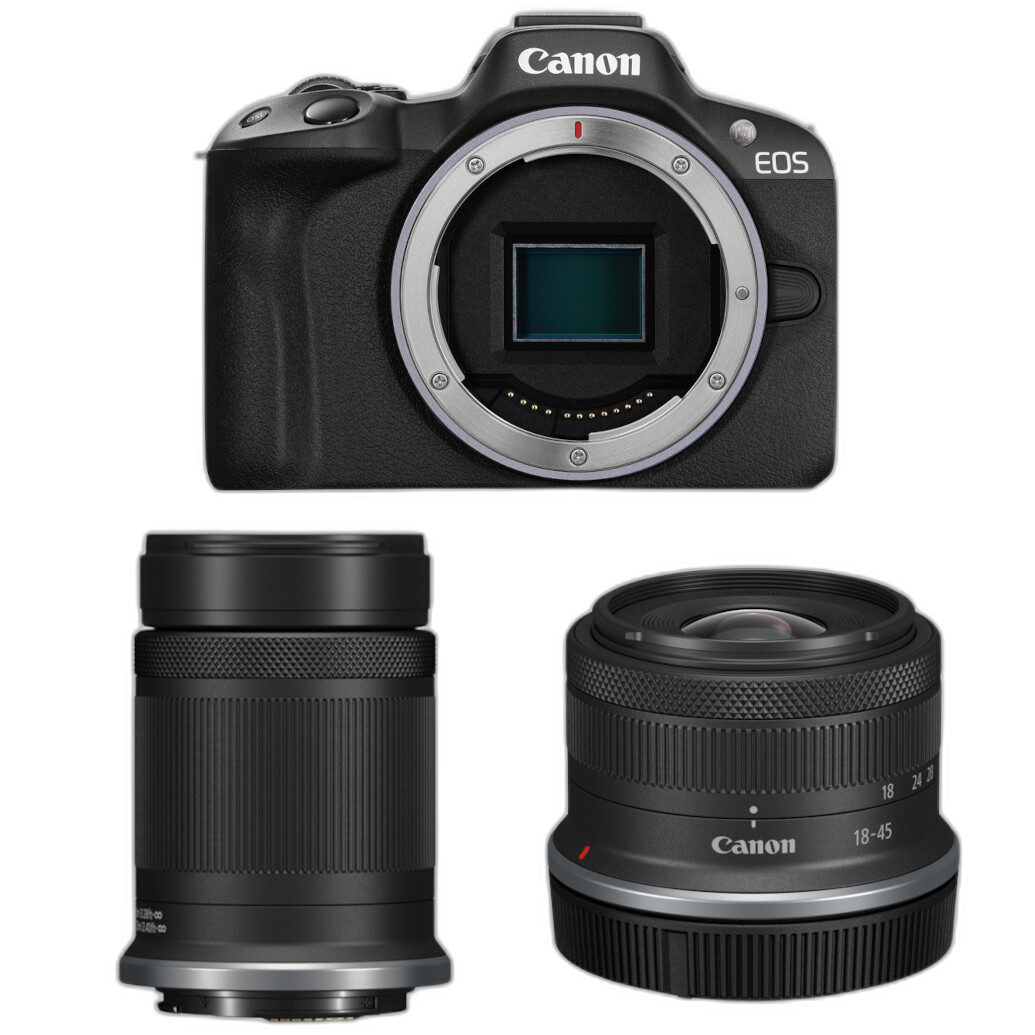
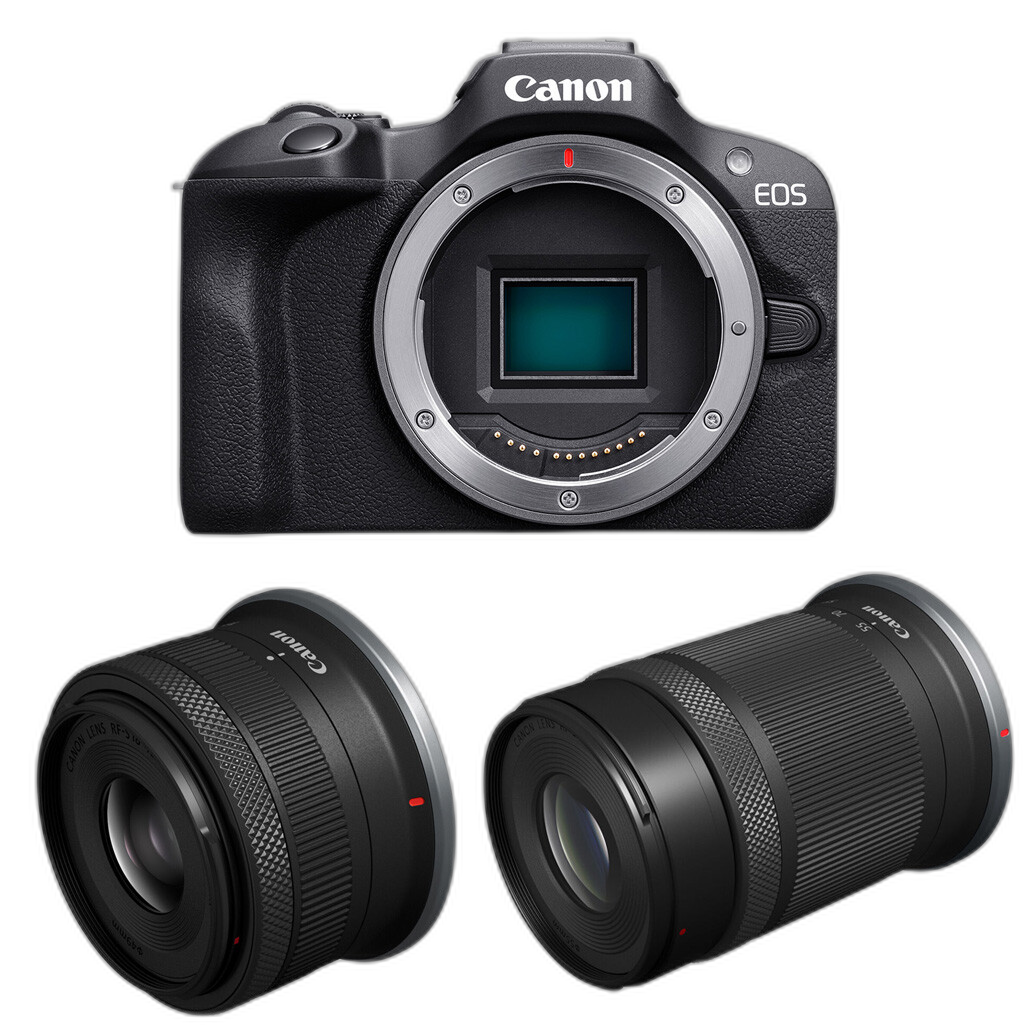
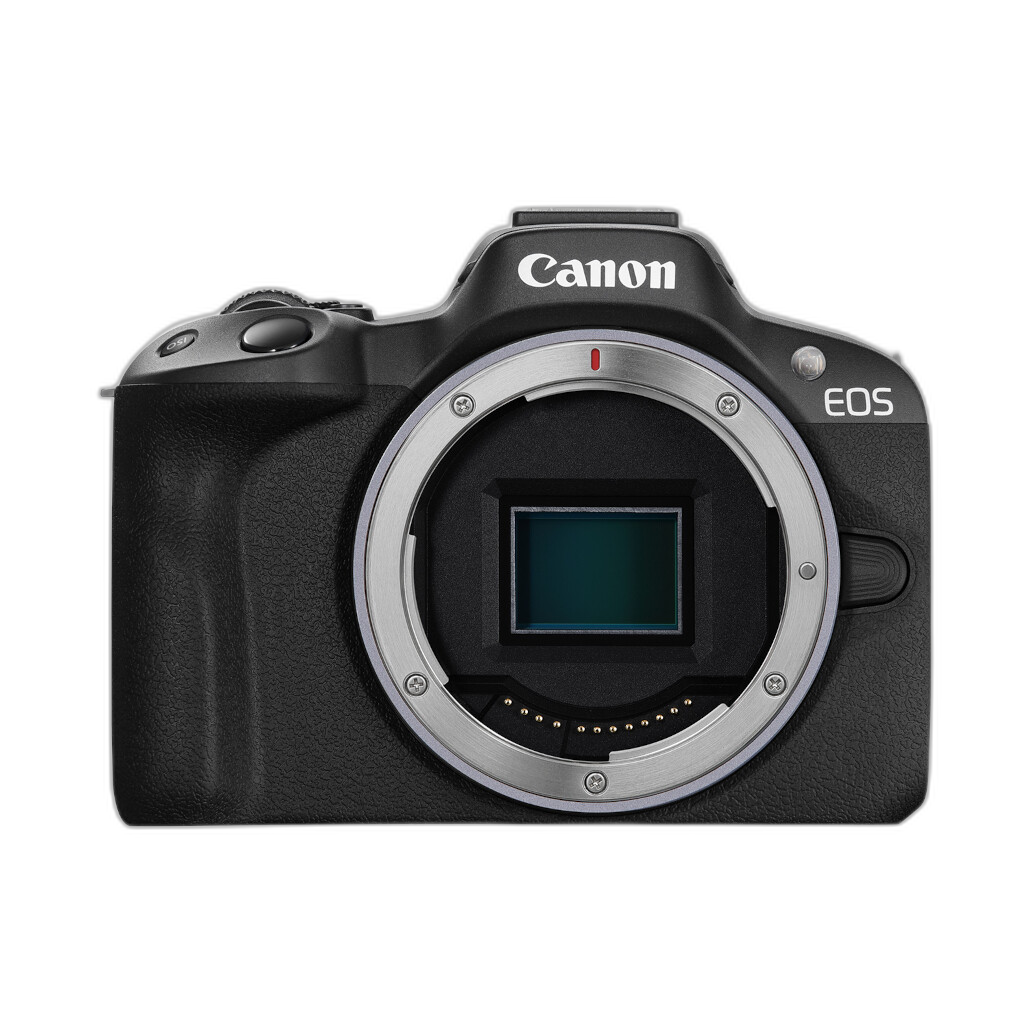
For photographers entering the Canon mirrorless system, the Canon EOS R100 Mirrorless Camera with RF-S 18-45mm and RF-S 55-210mm Lenses and the Canon EOS R50 Mirrorless Camera (Black) with RF-S 18-45mm and 55-210mm Lenses are both compelling budget-friendly pathways available at Unique Photo.
From a landscape perspective, the RF-S 18-45mm range covers many of the scenes beginners shoot most often. Users typically like this kind of lens because it is:
- Light enough for hikes and vacations
- Wide enough for classic landscape compositions
- Simple to use for beginners learning focal length choices
- Affordable as part of a bundled kit
Real-world impressions of lenses in this class often mention that they perform best when:
- Shooting between f/8 and f/11
- Keeping the horizon level to avoid excessive correction later
- Using the widest focal length thoughtfully instead of overusing extreme perspective
- Adding a tripod or stable support at sunrise and sunset
The appeal is straightforward: if you want one low-cost lens to start shooting landscapes now, a compact standard zoom is often the most realistic answer.
Budget Telephoto Lenses for Landscape Compression and Detail
Many photographers searching for affordable landscape lenses overlook the value of telephoto glass. Yet user reviews frequently highlight telephoto zooms as secret weapons for landscape photography. The ability to isolate ridgelines, capture layered hills in haze, or tighten in on patches of light can transform ordinary scenes into more graphic and dramatic images.
The 55-210mm range included with Canon budget-friendly two-lens kits is particularly useful for:
- Mountain landscapes
- Desert scenes with repeating forms
- Coastal images with distant boats or cliffs
- Autumn foliage details
- Minimalist compositions with simplified backgrounds
Users often discover that their telephoto lens becomes just as important as their wider zoom. While wide lenses show the entire scene, telephotos help photographers edit visually by removing distractions and emphasizing structure.
This is one reason the Canon EOS R50 Mirrorless Camera (Black) with RF-S 18-45mm and 55-210mm Lenses stands out as a practical value option at Unique Photo. It gives landscape beginners the chance to experiment with two very different approaches without buying extra lenses separately.
Best Budget Lens Tips for Sharper Landscape Photos
Even the best budget landscape lens benefits from solid technique. If you want your lower-cost lens to produce stronger results, these user-tested tips can make a noticeable difference:
- Stop down your aperture. Many affordable zooms look better at f/8 or f/11 than wide open.
- Use a tripod when possible. This helps maximize detail during golden hour and blue hour.
- Focus carefully. For deep scenes, focus roughly one-third into the frame or use magnified manual focus when needed.
- Watch the edges. Budget wide zooms may show softer corners, so compose thoughtfully.
- Use a polarizer carefully. It can reduce glare on water, wet rocks, and foliage, though uneven skies can happen at wider focal lengths.
- Shoot RAW. This gives you more flexibility for recovering shadows, correcting distortion, and fine-tuning color.
- Try telephoto landscapes. Some of your best images may come from zooming in rather than going wider.
These practical habits often matter more than expensive gear upgrades. At Unique Photo, many first-time buyers are surprised by how much improvement comes simply from better field technique and understanding light.
How to Choose a Cheap Lens for Landscape Photography on a Real Budget
If your budget is tight, focus on overall value rather than chasing a lens with the most impressive specs. Ask yourself:
- Do you mostly shoot wide scenic views?
- Do you hike often and need lightweight gear?
- Do you want one lens or a two-lens setup?
- Will you also photograph travel, family, or wildlife?
For many photographers, the smartest purchase is not a standalone lens at all, but a kit that includes a camera body plus focal lengths that suit both landscapes and everyday shooting. This is where beginner mirrorless bundles available from Unique Photo become especially relevant.
The Canon EOS R100 Mirrorless Camera with RF-S 18-45mm and RF-S55-210mm Lenses is a strong example for cost-conscious users who want broad focal coverage. Likewise, the Canon EOS R50 Mirrorless Camera (Black) with RF-S 18-45mm and 55-210mm Lenses offers a more advanced entry point while still keeping the system approachable for landscape shooters.
Are Film Cameras a Budget Option for Landscapes?
Some photographers enjoy a more experimental route to landscape image-making, including film. While film is not always the cheapest long-term path due to processing and scanning costs, budget-conscious creatives sometimes explore simple film cameras for artistic projects and travel memories.
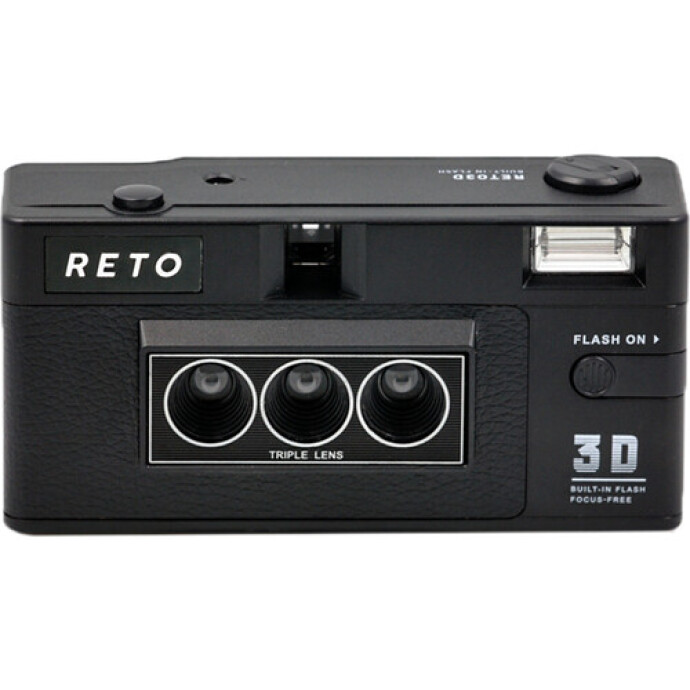
The Reto 3D Film camera with three lenses and built-in flash is not a traditional landscape recommendation in the same sense as a mirrorless interchangeable-lens system, but it can appeal to photographers who want a playful, stylized approach to outdoor scenes. For those interested in analog creativity from Unique Photo, it offers a different kind of shooting experience focused more on aesthetic experimentation than technical landscape precision.
Common Mistakes When Buying a Budget Landscape Lens
User reviews often reveal the same buying mistakes again and again. Avoid these if you want better value:
- Buying too wide too soon: Ultra-wide is fun, but not always necessary for great landscapes.
- Ignoring telephoto options: Some of the strongest landscape compositions happen at longer focal lengths.
- Overvaluing maximum aperture: Fast apertures matter less for many landscape situations.
- Assuming kit lenses are poor: Modern kit lenses can be very capable when used well.
- Forgetting portability: Heavy lenses often get left at home.
A thoughtful, versatile setup usually beats a single specialized purchase, especially for photographers still developing their style.
Final Thoughts on the Best Budget Lenses for Landscape Photography
The best budget lens for landscape photography is usually the one that helps you get out and shoot more often. For many photographers, that means a lightweight standard zoom, a practical telephoto companion, or an affordable mirrorless kit that covers both. User experiences consistently show that budget-friendly lenses can deliver excellent landscape photos when paired with good light, careful composition, and solid technique.
If you are shopping at Unique Photo, camera-and-lens bundles like the Canon EOS R100 Mirrorless Camera with RF-S 18-45mm and RF-S55-210mm Lenses or the Canon EOS R50 Mirrorless Camera (Black) with RF-S 18-45mm and 55-210mm Lenses are sensible places to start. They give beginners and enthusiasts access to the focal lengths most useful for wide scenic views and compressed telephoto landscapes without overspending.
For next steps, consider exploring internal links on Unique Photo to related categories such as mirrorless cameras, Canon EOS R gear, and beginner-friendly camera kits or accessories like tripods, circular polarizers, and camera bags for hiking. These related pages can help you build a complete, budget-conscious landscape setup.