Indoor portrait photography can deliver polished, intimate, and highly creative results without depending on perfect weather or golden-hour timing. Whether you are working in a home studio, a client living room, a classroom, or a small creative space, learning how to shoot portraits indoors helps you control light, shape mood, and create consistently flattering images. At Unique Photo, photographers of every level can find inspiration through workshops, classes, and hands-on learning that make indoor portrait work more approachable.
The key to better indoor portraits is understanding how to use available light, when to add artificial light, how to choose camera settings, and what gear can help streamline your workflow. Below, we cover practical indoor portrait photography tips, common mistakes to avoid, and a few useful recommendations for photographers looking to sharpen their skills.
How to Shoot Better Indoor Portraits With Available Light
One of the most searched questions around indoor portrait photography is how to get flattering light without a full studio setup. The good news is that window light is often enough to create beautiful portraits. Large windows act like softboxes, especially when indirect daylight comes through sheer curtains.
Place your subject near the window and turn them slightly toward the light source rather than facing it straight on. This adds dimension to the face and prevents flat lighting. If the contrast is too strong, use a white wall, foam board, or reflector on the shadow side to bounce light back in. Indoor portraits made with natural light often feel clean, soft, and authentic.
Try these available-light portrait tips:
- Shoot near the largest window in the room.
- Turn off mixed overhead lighting if it creates odd color casts.
- Use light-colored walls as natural bounce surfaces.
- Watch catchlights in the eyes to confirm good subject placement.
- Move your subject farther from the window for softer contrast or closer for brighter exposure.
Unique Photo regularly supports photographers through portrait-focused educational events that help build confidence with natural and artificial light techniques alike.
Best Camera Settings for Indoor Portrait Photography
Another common search query is the best camera settings for indoor portraits. While settings vary depending on available light and your creative goal, a few starting points work well in most situations.
- Aperture: Use a wide aperture like f/1.8, f/2, or f/2.8 for soft background blur and more light gathering.
- Shutter Speed: Keep it fast enough to avoid camera shake and subject movement, usually at least 1/125 sec for still subjects.
- ISO: Raise ISO as needed to maintain proper exposure indoors. Modern cameras handle ISO 800, 1600, or higher quite well.
- White Balance: Set it manually when possible to maintain consistent skin tones.
- Focus Mode: Eye-detection AF can be especially useful for portraits shot at wide apertures.
If you are photographing children, families, or anyone who moves frequently, consider increasing shutter speed to 1/200 sec or faster. Indoor portrait work often requires balancing image quality with practicality, and knowing when to raise ISO is part of that process.
Indoor Portrait Lighting Tips for Soft, Professional Results
When natural light is limited, adding artificial light can dramatically improve your indoor portraits. Many photographers assume indoor lighting has to be complicated, but a simple one-light setup can go a long way. A soft light source positioned at a 45-degree angle to the subject is a classic portrait starting point.
For soft indoor portrait lighting, prioritize diffusion. Bare bulbs or direct flash can create harsh shadows and unflattering highlights. Softboxes, umbrellas, and bounced flash help produce smoother transitions across the face. If you are working in a small room, even bouncing flash off a nearby white wall or ceiling can create pleasing results.
Basic indoor portrait lighting setups to try:
- Window light + reflector: Great for natural-looking headshots and lifestyle portraits.
- One soft light: Ideal for simple, repeatable results.
- Key light + fill bounce: Adds control while staying compact.
- Rim light + key light: Helps separate subject from the background in tighter spaces.
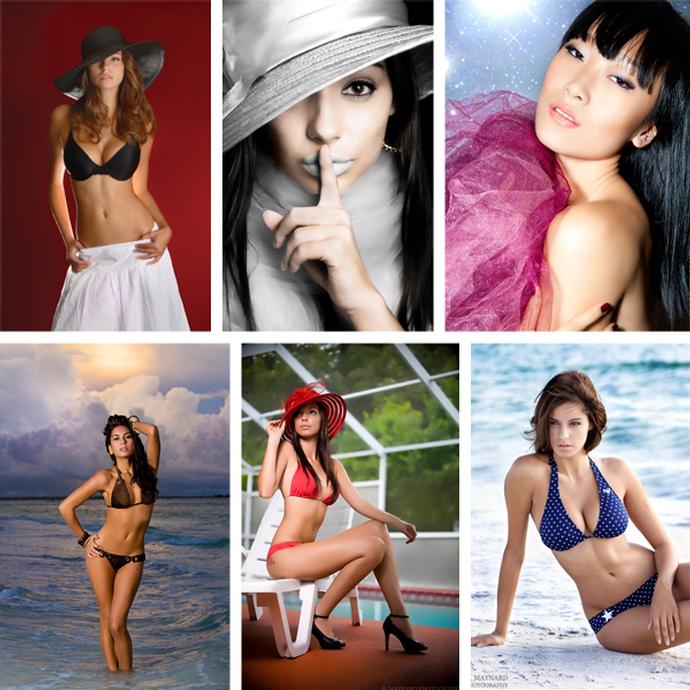
If you want to improve your lighting instincts, classes like Stunning Portraits Workshop with David Maynard and ExpoImaging from Unique Photo can be a strong educational step for photographers who want more control over portrait lighting.
How to Create Great Portraits in Small Indoor Spaces
Not every indoor portrait session happens in a full studio. Many photographers are working in apartments, offices, bedrooms, or event venues with limited space. The best way to make a small room work is to simplify the scene and think carefully about background, lens choice, and subject placement.
Use uncluttered backgrounds whenever possible. A blank wall, curtain, bookshelf, or seamless backdrop can help keep attention on the subject. If the room is tight, try a short telephoto or normal focal length and avoid overly wide lenses that can distort facial features. Step back when possible and frame with intention.
To maximize small spaces:
- Move furniture out of frame rather than trying to fix clutter later.
- Keep the subject several feet from the background for better separation.
- Use vertical compositions when horizontal space is limited.
- Look for corners with directional light.
- Shoot tighter crops for clean, impactful portraits.
Small rooms can also encourage creativity. A narrow beam of light, a textured wall, or a practical lamp can all become useful design elements in an indoor portrait setup.

What Gear Do You Need for Indoor Portrait Photography?
If you are searching for indoor portrait photography gear recommendations, the good news is that you do not need an overwhelming amount of equipment to get started. A camera with good low-light performance, a portrait-friendly lens, and one dependable light source can cover a lot of scenarios.
Recommended indoor portrait gear categories include:
- Fast prime lens: A 50mm or 85mm style lens is a favorite for portraits indoors.
- Reflector: One of the most affordable tools for controlling contrast.
- Off-camera flash or LED light: Helpful when natural light is inconsistent.
- Light modifier: Softbox or umbrella for more flattering facial light.
- Tripod: Useful for self-portraits, low-light setups, or precise framing.
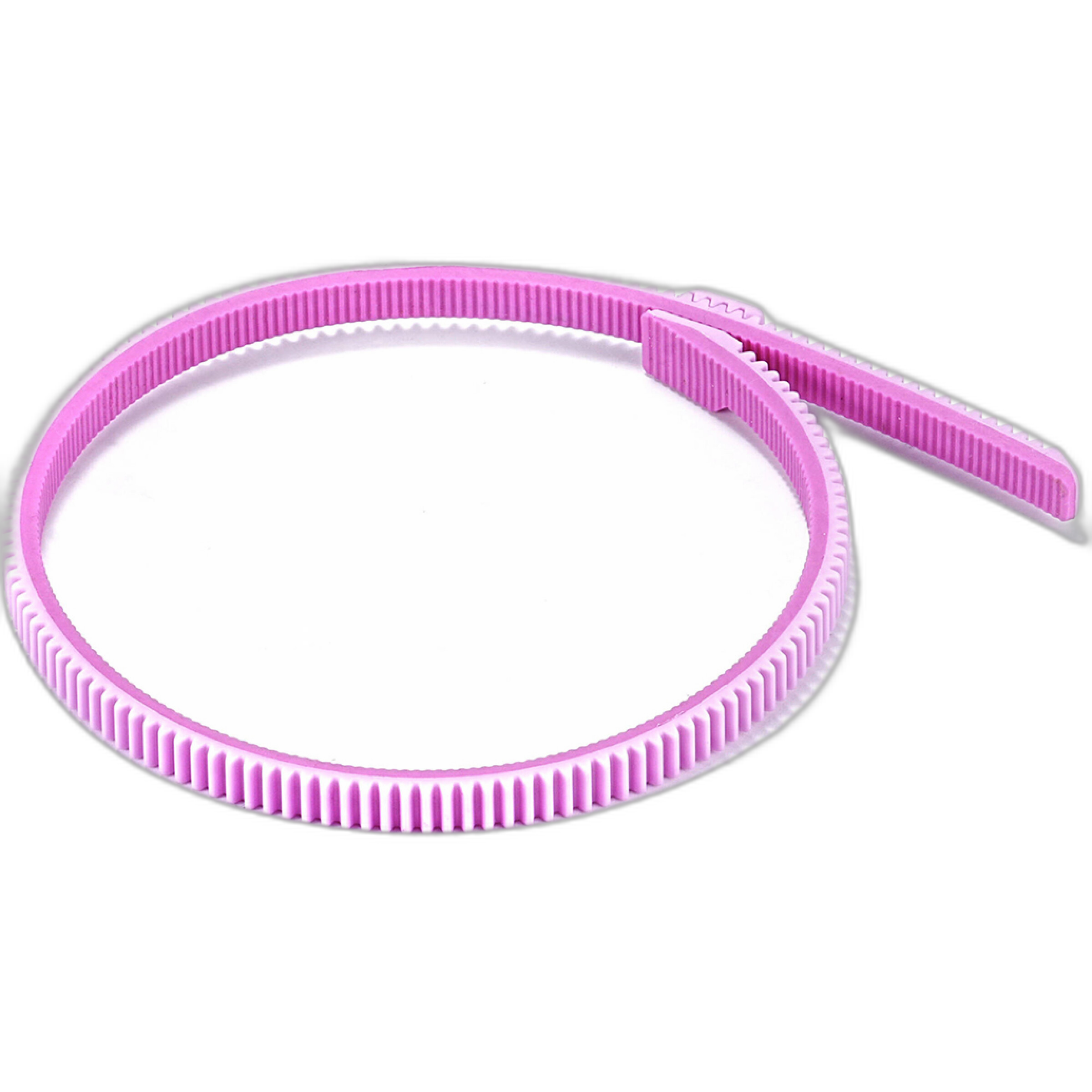
Photographers building more advanced indoor setups may also appreciate accessories that support smoother focusing and video-style portrait work. For example, the Tilta Universal Focus Gear Ring - Pink can be a practical accessory for creators who are integrating manual focus control into hybrid portrait and video workflows.
Indoor Portrait Posing and Expression Tips
Lighting and gear matter, but expression is what makes a portrait memorable. Indoors, where you have more control over environment and pace, you can spend extra time refining pose, posture, and emotion. Help your subject feel comfortable first. A relaxed subject almost always photographs better than someone trying too hard to pose perfectly.
Start with simple directions such as turning the shoulders slightly, shifting weight to one foot, or bringing the chin forward and down slightly. Encourage subtle movement between frames instead of locking the subject into one rigid pose. This often produces more natural expressions and flattering variations.
Helpful indoor portrait posing reminders:
- Angle shoulders slightly instead of squaring them to camera.
- Keep hands relaxed and purposeful.
- Watch posture carefully, especially when seated.
- Use conversation to draw out genuine expression.
- Make small adjustments rather than over-directing.
Photographers who want to develop portrait direction skills can benefit from educational experiences at Unique Photo, where workshops often combine technical instruction with real-world portrait shooting guidance.
How to Shoot Indoor Portraits With an iPhone or Mobile Device
Indoor portrait photography is not limited to interchangeable-lens cameras. Many creators want to know how to shoot better indoor portraits with an iPhone, and the principles are very similar. Start with good window light, clean up the background, and tap to focus on the eyes. Avoid relying on poor overhead room lighting whenever possible.
Using portrait mode can help separate the subject from the background, but lighting still matters more than software blur. Keep the phone stable, expose carefully for skin tones, and make use of editing apps to fine-tune warmth, contrast, and highlights afterward.
For mobile photographers looking to improve, CS: Taking iPhone Portraits with Kareem Hamdi is the kind of class offering that reflects how Unique Photo supports creators across all experience levels and camera systems.
Common Indoor Portrait Photography Mistakes to Avoid
Even a strong concept can be weakened by a few preventable issues. Indoor portraits often go wrong because of mixed lighting, cluttered backgrounds, or lack of attention to subject-to-background distance. Paying attention to these details can quickly elevate your work.
Watch out for these common mistakes:
- Using overhead room lights with window light: This can cause inconsistent color and unflattering shadows.
- Placing the subject too close to the wall: This reduces depth and can create harsh shadows.
- Shooting too wide: Wide focal lengths can distort faces, especially at close range.
- Ignoring the background: Distracting objects can pull attention away from the subject.
- Over-editing skin: Natural texture usually looks more professional than excessive smoothing.
Indoor portrait success often comes from small refinements, not dramatic changes. Better placement, cleaner light, and more intentional framing can make an immediate difference.
Learn Indoor Portrait Photography Through Workshops and Live Shoots
One of the fastest ways to improve portrait photography indoors is to learn from working professionals. Unique Photo offers educational opportunities that can help photographers see how experienced instructors approach lighting, directing, and styling in portrait scenarios.
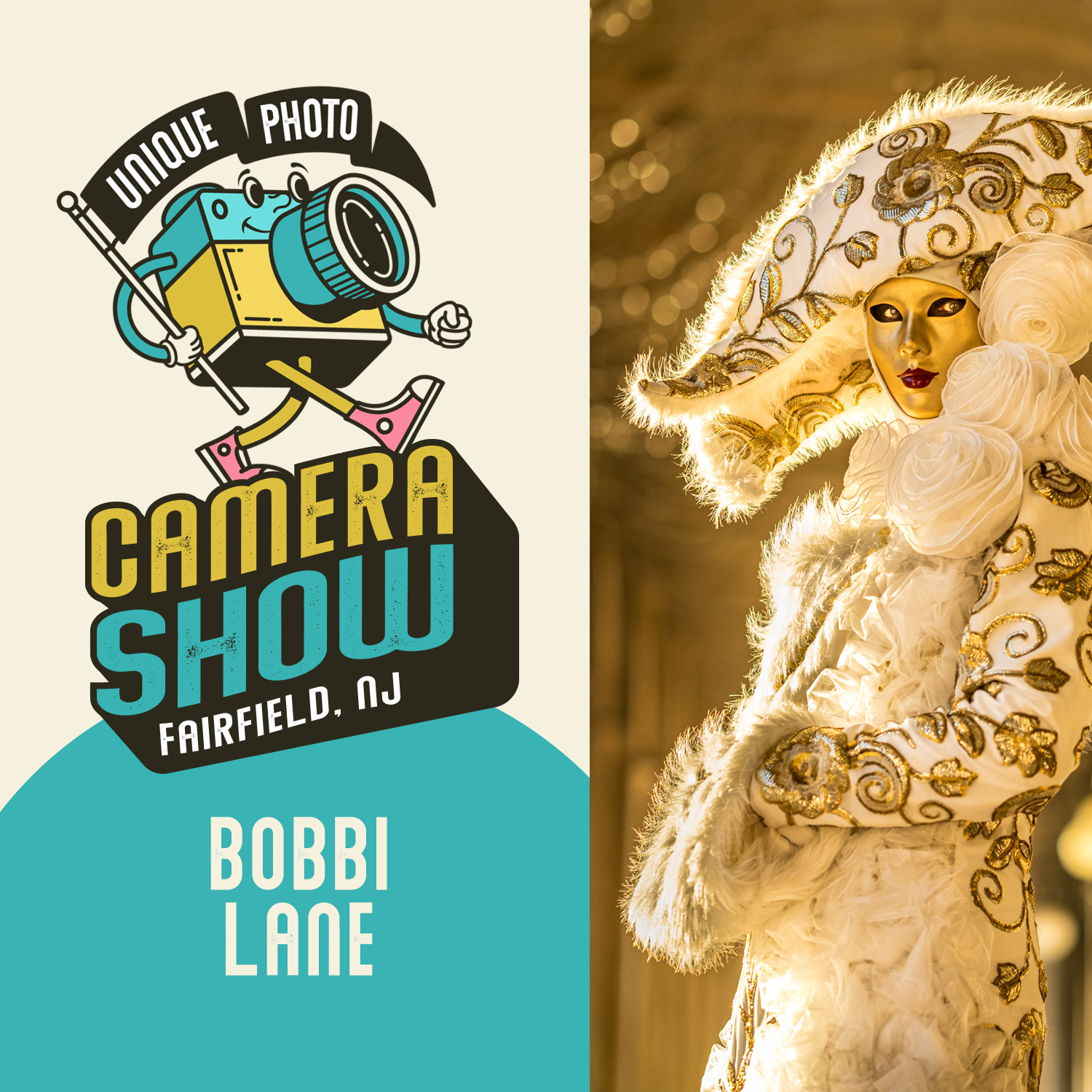
Relevant learning options and inspiration include EXPO: Musical Portraits Live Shoot with Jesse Korman, EXPO: Bold and Beautiful Fashion Portraits with Joe Edelman, and NJCS: Travel Portraits with Bobbi Lane. While each class may explore a different style or environment, the lessons often carry over directly into indoor portrait sessions, from posing and communication to shaping light and building visual impact.
Conclusion: Build Your Indoor Portrait Skills With Practice and the Right Support
Shooting portraits indoors can be simple or highly stylized, but the fundamentals remain the same: find or shape flattering light, choose practical camera settings, simplify your background, and help your subject feel comfortable. Whether you are using a dedicated camera or a phone, indoor portrait photography rewards attention to detail and repeated practice.
Unique Photo is a valuable resource for photographers looking to grow their skills through classes, workshops, and creative inspiration. If you are building your next indoor portrait setup, consider exploring portrait workshops, educational events, and accessories that support lighting control and smoother shooting workflows. For internal linking, this article pairs well with related pages on portrait photography classes, camera lighting accessories, beginner photography education, and mobile photography workshops available through Unique Photo.