Introduction: A Useful Idea That Still Needs Real-World Context
Sony’s Lens Compare Beta Tool is the kind of feature many photographers have wanted for years: a quick, visual way to evaluate how two lenses differ before buying. On paper, it sounds incredibly useful. If you are deciding between a fast ultra-wide like the Sony FE 12-24mm f/2.8 GM and a more general-purpose zoom like the Sony FE 24-105mm f/4 G OSS, being able to compare rendering, angle of view, and apparent sharpness in one place can save time and narrow down your shortlist.
After spending time with the idea behind the tool and comparing what it promises against what photographers actually need, my first impression is this: the Sony Lens Compare Beta Tool looks directionally helpful, but not definitive. It can point you toward a lens category or help you understand broad visual differences, but it should not be mistaken for a complete substitute for hands-on use, full lab testing, or sample images captured in varied real-world conditions.
That matters because lenses are buying decisions with long-term consequences. A working pro, an enthusiast building a Sony full-frame kit, or a student trying to make one smart purchase all need more than a polished comparison interface. They need to know whether the tool reflects how a lens will behave in landscape work, event coverage, travel shooting, architecture, low light, or video.
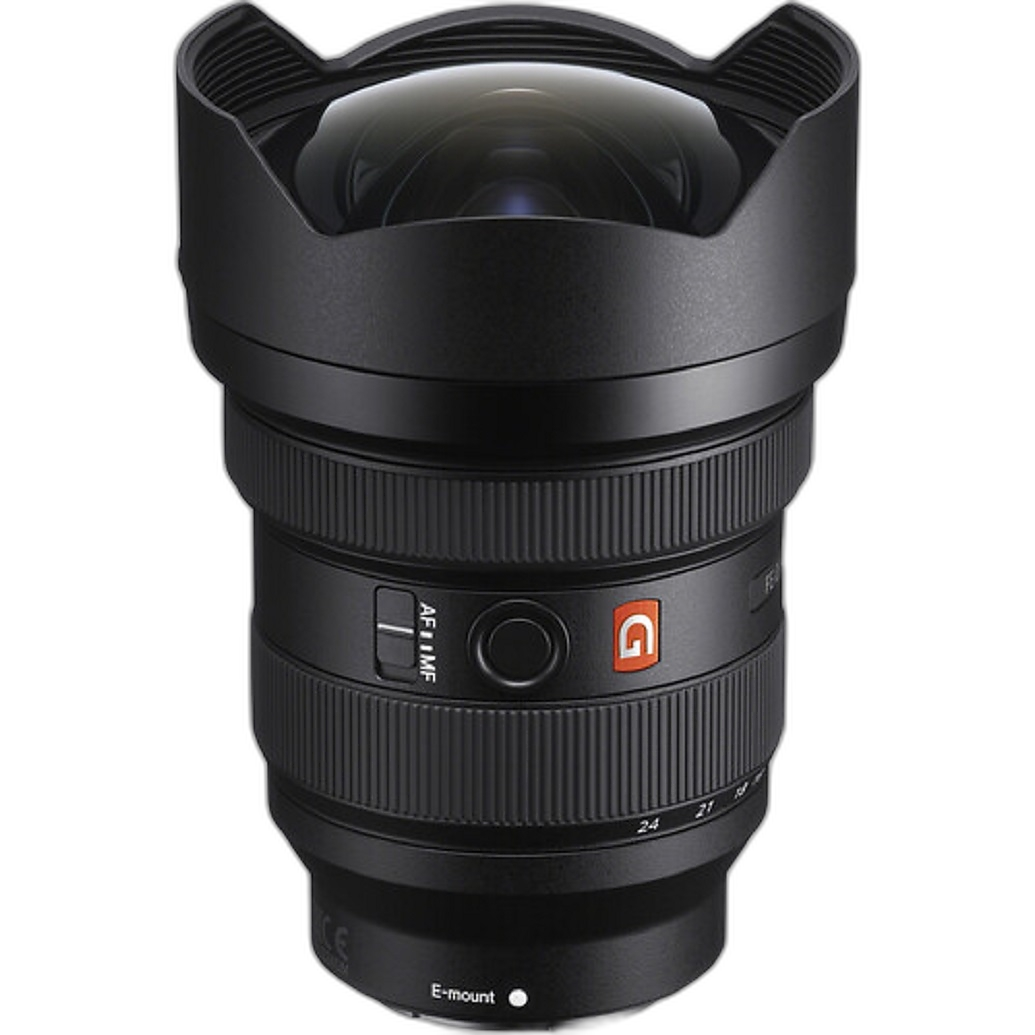
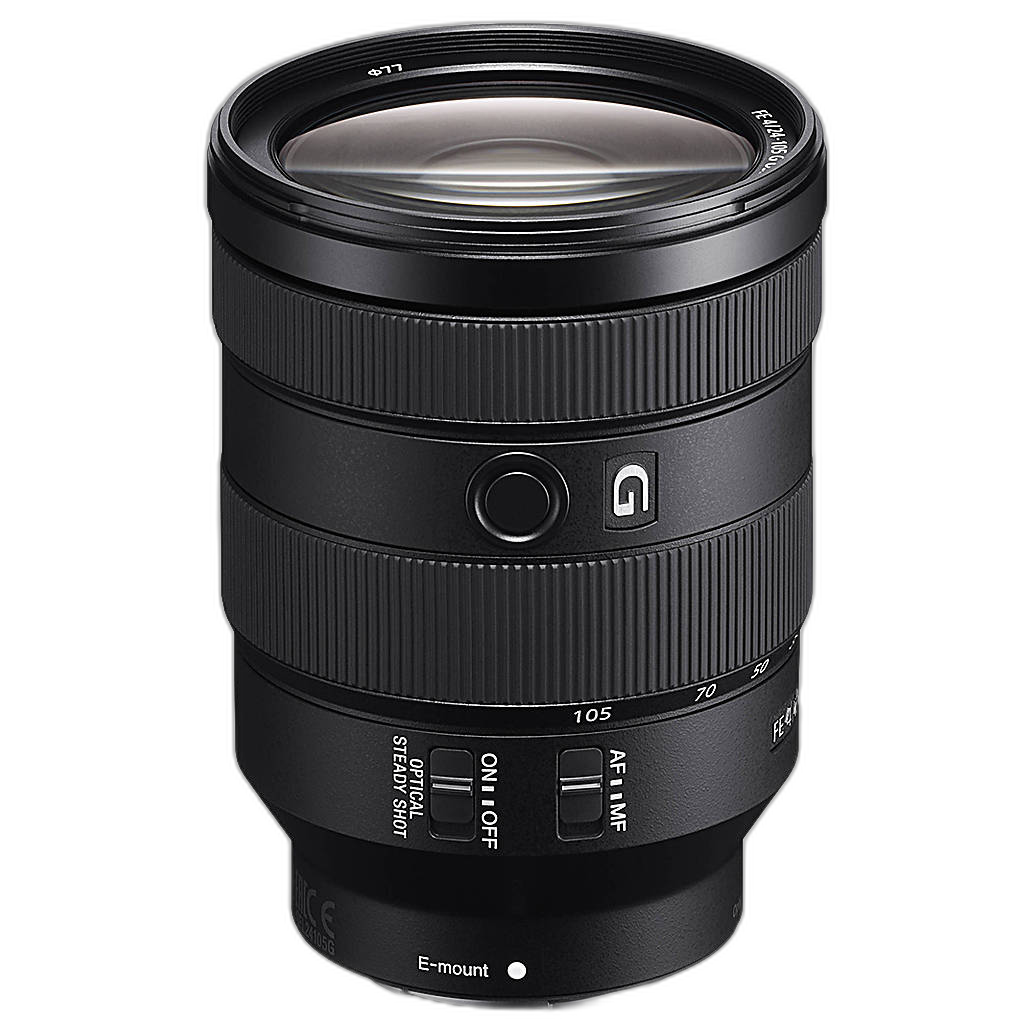
Using two popular Sony options as reference points helps frame the conversation. The Sony FE 12-24mm f/2.8 GM is a premium ultra-wide built for photographers who prioritize edge-to-edge quality, speed, and dramatic perspective. The Sony FE 24-105mm f/4 G OSS, meanwhile, is one of the most practical all-around lenses in the system, offering a highly usable zoom range and stabilization in a more everyday package. These are very different tools, and that is exactly why a compare feature is appealing: buyers want fast clarity about tradeoffs.
What the Sony Lens Compare Beta Tool Gets Right
It simplifies lens selection for newer buyers
One of the biggest strengths of any compare tool is accessibility. Not every shopper wants to parse MTF charts, distortion graphs, focus breathing notes, and dozens of field reports. A visual side-by-side presentation lowers the barrier to entry. For newer Sony users, that is a major advantage. If someone is trying to understand why a 12-24mm lens feels dramatically different from a 24-105mm lens, a comparison tool can communicate that faster than specs alone ever could.
In that sense, the beta tool is likely most accurate when answering broad questions such as:
- How much wider is one lens than another?
- How might subject framing change at similar shooting distances?
- What general look does each lens produce?
- Which lens better fits a landscape, travel, or event workflow?
For those high-level decisions, a manufacturer-hosted compare feature can be genuinely useful.
It highlights practical differences better than a spec sheet
A lens spec sheet tells you focal length, aperture, and sometimes minimum focus distance. That is necessary information, but it does not always tell you how a lens feels in use. A compare tool has the potential to show practical differences more intuitively. For example, the Sony FE 12-24mm f/2.8 GM is not just "wider" than the Sony FE 24-105mm f/4 G OSS. It is dramatically more specialized. It opens up perspectives that are difficult to replicate with a standard zoom and can be essential for interiors, architecture, and expansive landscape scenes.
On the other hand, the 24-105mm f/4 G OSS gives up that extreme width in exchange for flexibility. If the compare tool makes that tradeoff obvious, then it is doing one of its most important jobs well.
It keeps shoppers inside the Sony ecosystem
From Sony’s perspective, the beta tool is smart because it helps customers compare lenses without leaving the brand environment. From a buyer’s perspective, that is convenient too. If you already know you want an E-mount full-frame lens, it is easier to evaluate options in one place before checking dealer listings, availability, and pricing at a trusted retailer like Unique Photo.
Where Accuracy Becomes More Complicated
Controlled comparisons do not equal field performance
This is the biggest caveat. Most lens comparison tools rely on tightly controlled sample imagery or simulation methods. That can be helpful, but it is inherently limited. Lenses behave differently depending on:
- Focus distance
- Lighting conditions
- Aperture choice
- Sensor resolution
- Backlit scenes
- Subject contrast
- Post-processing corrections
So, is the Sony Lens Compare Beta Tool accurate? Yes, to a point. It is accurate enough to illustrate broad differences in framing and likely rendering tendencies. But it is not complete enough to tell the full story of flare resistance, corner sharpness under difficult conditions, real distortion impact before correction, autofocus consistency, or how the lens balances on an actual camera body during long shoots.
That is especially important with lenses like the FE 12-24mm f/2.8 GM, where edge performance and ultra-wide optical behavior matter enormously. A polished side-by-side can suggest performance, but serious buyers will still want deeper testing and real use reports.
Manufacturer tools naturally present lenses in favorable conditions
This is not a criticism unique to Sony; it is true of nearly every brand-produced comparison experience. A manufacturer is unlikely to showcase a lens at its weakest. That means beta tools often function best as guided previews, not as neutral forensic evaluations. If you see two Sony lenses looking close in a comparison sample, that does not necessarily mean they will be equally satisfying in your own shooting.
Likewise, if one lens looks clearly better in a curated sample, that may reflect a best-case scenario rather than the complete user experience.
It may understate differences that matter to advanced users
Photographers with more experience tend to care about subtler distinctions: microcontrast, transition rendering, coma, focus breathing, stabilization effectiveness, close-focus behavior, and consistency across the zoom range. These details can strongly influence whether a lens is merely good or truly right for a specific job.
The Sony FE 24-105mm f/4 G OSS, for instance, appeals to shooters who value versatility and OSS for handheld work. That benefit may not be fully conveyed in a static compare environment. Meanwhile, the 12-24mm f/2.8 GM’s premium optical ambitions may only become obvious when shooting demanding scenes like night landscapes, architecture, or high-resolution commercial work.
Product Context: Why These Two Sony Lenses Make a Good Test Case
Sony FE 12-24mm f/2.8 GM Lens
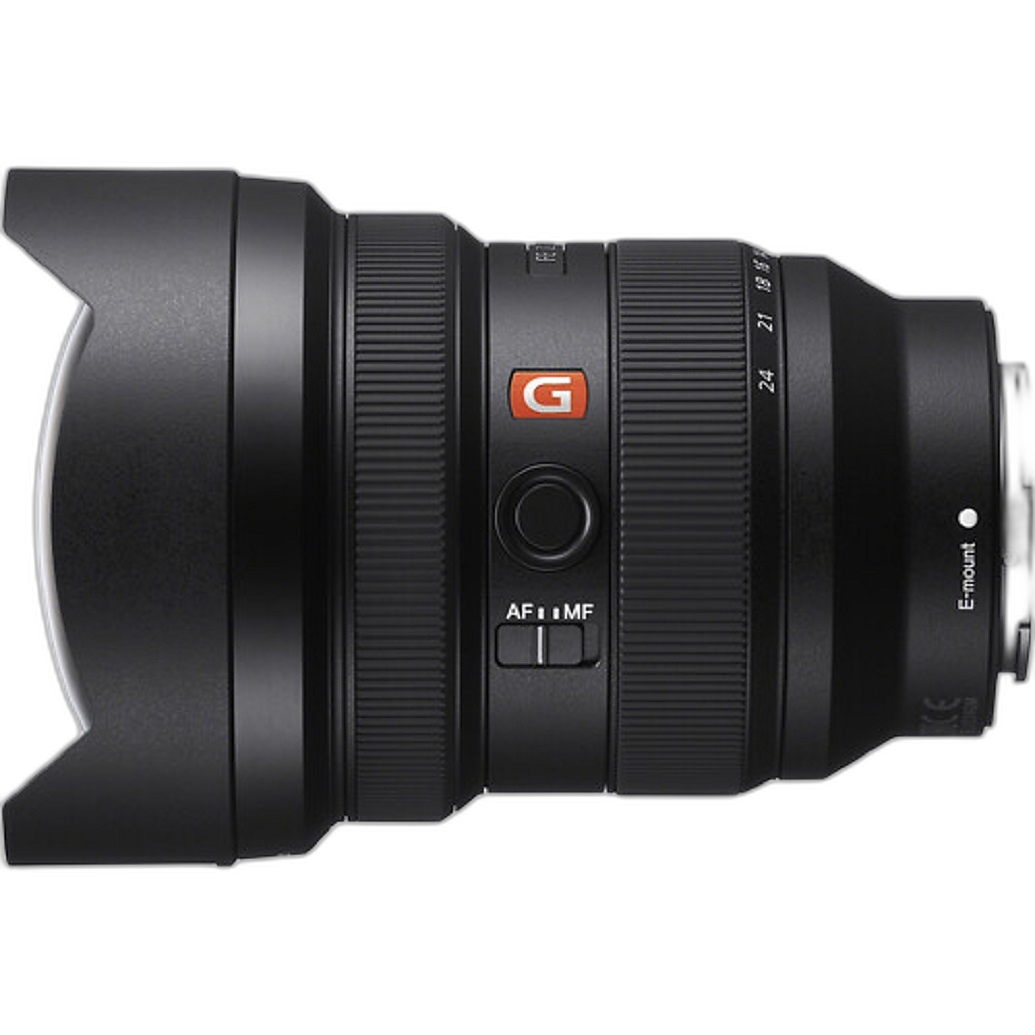
The FE 12-24mm f/2.8 GM sits in Sony’s premium G Master lineup, and that positioning matters. This is not a casual kit lens alternative. It is designed for photographers and creators who need top-tier ultra-wide performance, a bright constant f/2.8 aperture, and professional build quality. In a compare tool, it should look exceptional in situations where width, drama, and edge quality matter. If the beta tool effectively communicates that this lens is a specialized creative and professional instrument rather than an all-purpose walkaround zoom, then it is being accurate in the ways that matter most.
- Best for: landscape, architecture, interiors, astro, dramatic environmental video
- Positioning: premium specialist ultra-wide
- What a compare tool should show clearly: extreme field of view and premium optical intent
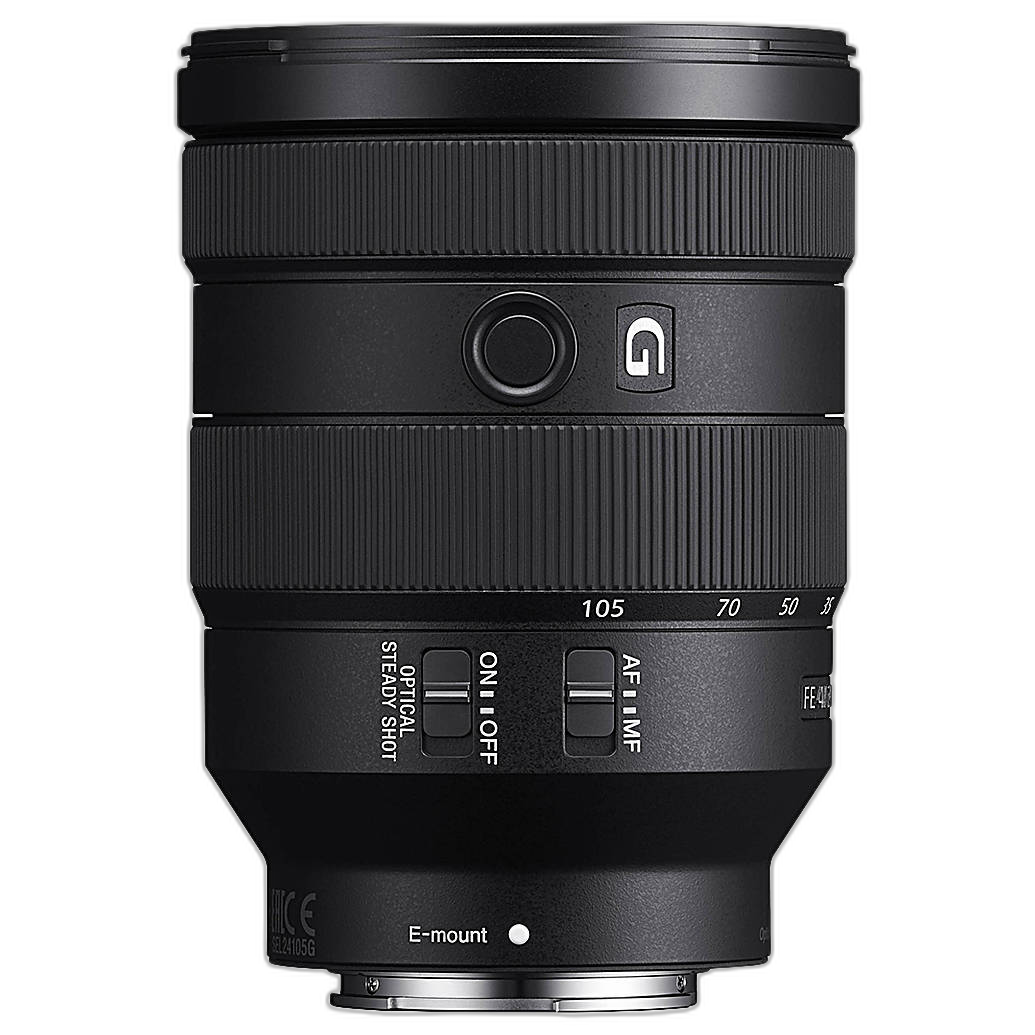
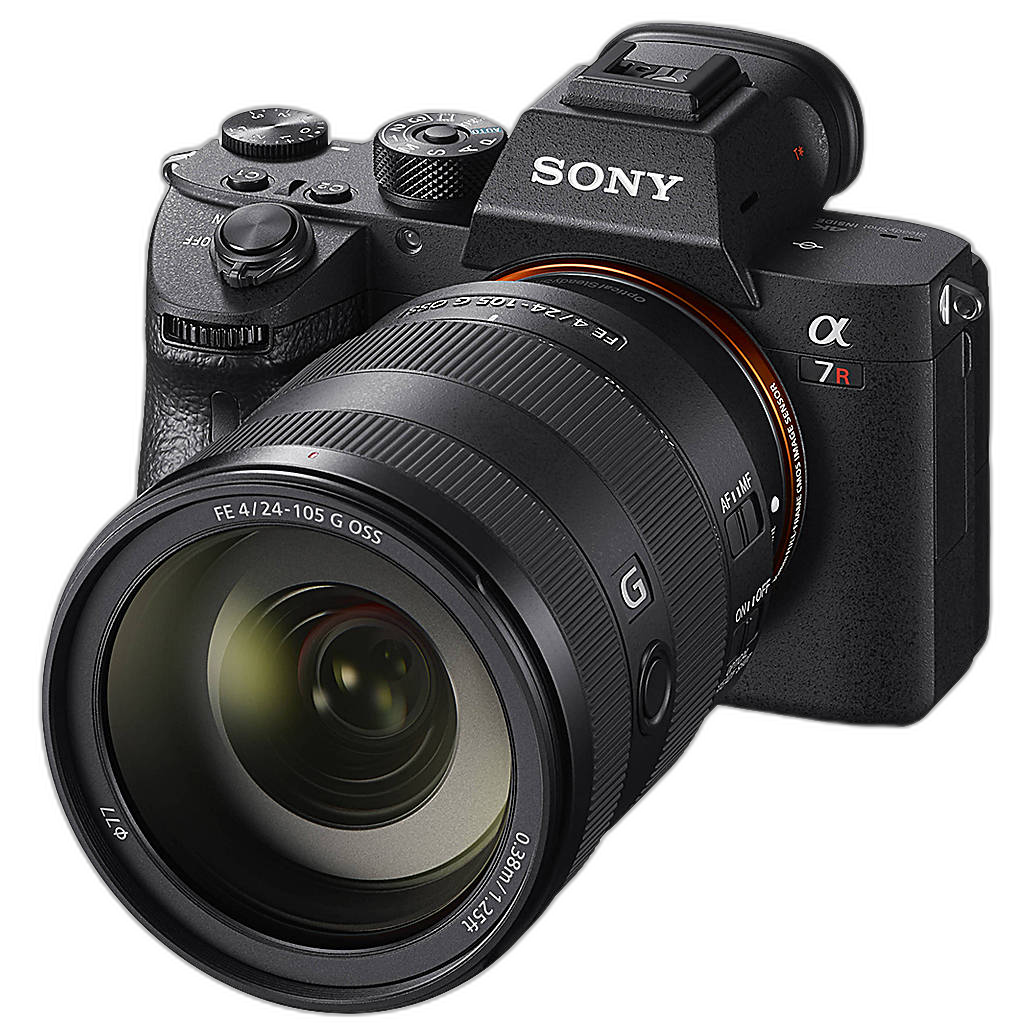
Sony FE 24-105mm f/4 G OSS Lens
The FE 24-105mm f/4 G OSS plays a different role. It is one of those lenses that can plausibly stay on the camera most of the day. Travel, documentary, portraits, light event coverage, and general-purpose shooting all fit naturally within its range. A compare tool should communicate convenience, flexibility, and range advantage here, not just image quality in a vacuum.
- Best for: travel, general photography, events, hybrid shooting
- Positioning: versatile everyday full-frame zoom
- What a compare tool should show clearly: framing flexibility and practical utility
How I Would Rate the Tool’s Accuracy
Accurate for framing and category decisions
If your question is, "Which of these lenses gives me the kind of angle of view I need?" then the tool is probably quite useful. Comparing the 12-24mm GM against the 24-105mm G OSS should immediately reveal that these lenses solve different problems. For that level of decision-making, the tool is likely accurate enough to be genuinely helpful.
Moderately accurate for rendering impressions
If the tool presents sample imagery that reflects each lens’ general look, then it can offer a decent first impression. But rendering is highly dependent on scene choice and capture method. Treat this as suggestive, not conclusive.
Less reliable for deep performance analysis
Once your questions move into pro-level territory—corner sharpness at wide apertures, flare control, consistency across the frame, or behavior in difficult light—the compare tool should be only one source among many. That does not make it bad. It just means it should be used appropriately.
Pros and Cons of the Sony Lens Compare Beta Tool
Pros
- Easy to understand for beginners and intermediate photographers
- Helpful for visualizing focal length and composition differences
- Faster than comparing specs line by line
- Useful for narrowing choices within the Sony lens ecosystem
- Can clarify whether you need a specialty lens or a general-purpose zoom
Cons
- Cannot replace hands-on shooting experience
- Likely based on controlled scenarios that may flatter performance
- May not reveal advanced optical differences clearly
- Does not fully communicate handling, balance, or autofocus feel
- As a beta tool, it should still be treated as a work in progress
Final Verdict: Helpful, But Not the Last Word
My first impression is that the Sony Lens Compare Beta Tool is accurate enough to be useful, but not accurate enough to be final. It is best viewed as an early-stage decision aid rather than a complete buying authority. If you are choosing between lenses as different as the Sony FE 12-24mm f/2.8 GM and the Sony FE 24-105mm f/4 G OSS, the tool can absolutely help clarify what each one is for. That alone gives it real value.
But for serious buyers, especially those investing in premium Sony glass, the smart move is to combine the tool with full specs, independent testing, and retailer support. That is where Unique Photo comes in. If you are ready to move beyond comparison and actually shop Sony lenses with confidence, Unique Photo is an excellent place to buy, whether you are building out a professional kit or choosing your next everyday lens.
Recommendation
Use the Sony Lens Compare Beta Tool for what it does best: narrowing your options and visualizing key differences. Then verify your choice with deeper research and trusted retailer guidance. If your work demands the widest perspectives and premium optics, the Sony FE 12-24mm f/2.8 GM looks like the more specialized choice. If you want flexibility and everyday usability, the Sony FE 24-105mm f/4 G OSS remains one of the smartest all-around Sony lenses to consider. Either way, check availability and purchase through Unique Photo.