Shopping for your first serious camera in 2024 can feel confusing fast. Should you start with a DSLR, or is mirrorless the better choice now? This guide is for new photographers, content creators, travelers, and hobbyists who want a camera they can grow into without overbuying. While DSLRs still have strengths, today’s beginner-friendly market is increasingly centered around mirrorless systems thanks to lighter bodies, modern autofocus, better video features, and easier lens adaptability.
Because the currently available products here are overwhelmingly mirrorless-focused, this guide leans into the real-world question many new buyers are asking today: is it still worth starting with a DSLR, or should most beginners go mirrorless? For most people in 2024, mirrorless is the smarter long-term investment.
DSLR vs Mirrorless for Beginners
Before looking at specific recommendations, here’s the short version:
| Feature | DSLR | Mirrorless |
|---|---|---|
| Viewfinder | Optical viewfinder with direct lens view | Electronic viewfinder or LCD live view |
| Size & Weight | Usually larger and heavier | Usually more compact and travel-friendly |
| Autofocus | Good, but often better through viewfinder than live view | Typically stronger subject detection and eye AF |
| Video Features | Often more limited on older bodies | Usually better for hybrid photo/video use |
| Lens Ecosystem | Large used market, mature systems | Fast-growing systems with modern lenses |
| Best For | Budget used buyers, traditional shooting feel | Most beginners wanting modern features |
If you already own DSLR lenses or strongly prefer an optical viewfinder, a DSLR can still make sense. But if you’re buying your first interchangeable-lens camera from scratch, mirrorless is generally the better place to start.
What Beginners Should Prioritize
When choosing your first camera, don’t get stuck on megapixels alone. Focus on the factors that make a camera easy and enjoyable to use:
- Autofocus: Reliable face and eye detection helps you get more keepers.
- Size: A camera you actually want to carry wins over one that stays home.
- Lens path: Make sure the system has room to grow.
- Ease of use: Good menus, touchscreen controls, and auto modes matter for beginners.
- Budget for accessories: A bag, extra battery, class, or lens can matter as much as the body.
Best Beginner-Friendly Mirrorless Camera Recommendations
OM SYSTEM OM-5 Mirrorless Camera (Silver, Body Only)
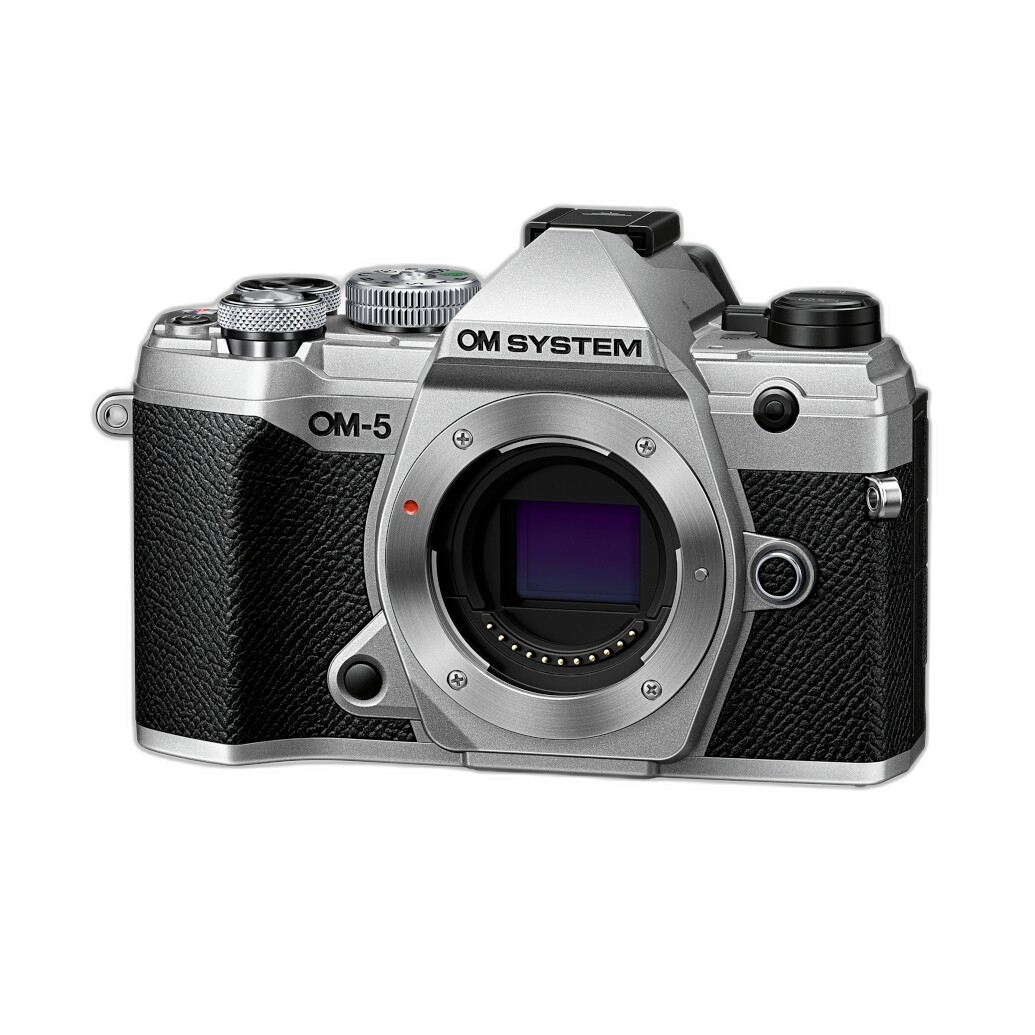
The OM SYSTEM OM-5 stands out as one of the best choices here for true beginners who want a lightweight, capable camera they can take anywhere. Its compact body is less intimidating than a larger full-frame camera, making it especially appealing for travel, everyday photography, hiking, and family moments.
For a beginner, the OM-5’s biggest advantage is balance. It offers serious photographic capability in a smaller package, and that can make the learning process more enjoyable. Rather than wrestling with heavy gear, you get a camera that encourages you to shoot more often.
Why it’s good for beginners:
- Compact and portable design
- Strong option for travel and walkaround use
- Less overwhelming than larger pro-oriented bodies
- A great fit for photographers who value mobility
Best for: travel, lifestyle, nature walks, and first-time photographers who want a camera they’ll actually carry.
Our Pick: If you want the most practical and approachable starting point from this list, the OM SYSTEM OM-5 is our top recommendation.
Used Nikon Zf Mirrorless Camera with 40mm f/2 SE Lens - Excellent
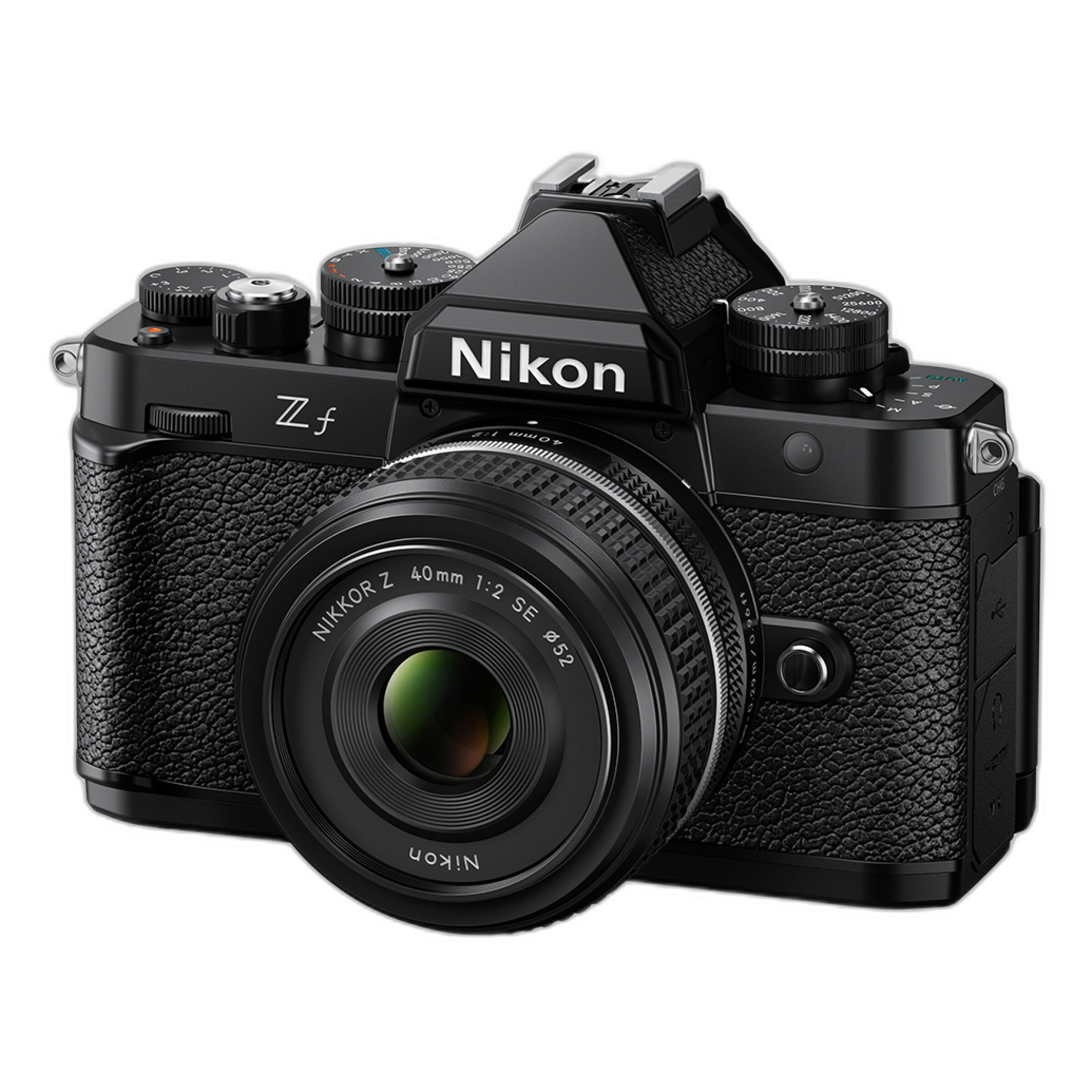
If you like a classic camera design and want a kit that already includes a versatile lens, the used Nikon Zf with 40mm f/2 SE lens is an appealing route. For beginners, buying used can be a smart strategy because it can stretch your budget further while getting you into a premium system.
The included 40mm lens is especially helpful for new photographers. It’s a flexible focal length for portraits, street shooting, casual travel, and everyday images. A simple all-around lens can make learning composition much easier than juggling multiple lenses right away.
Why it’s good for beginners:
- Includes a useful starter lens
- Full-frame image quality potential
- Used condition may offer better value
- Stylish design that can make photography feel more engaging
Best for: beginners who want full-frame, appreciate tactile controls, and prefer buying a camera-and-lens combo.
Used Panasonic LUMIX S9 Mirrorless Camera (Body Only)
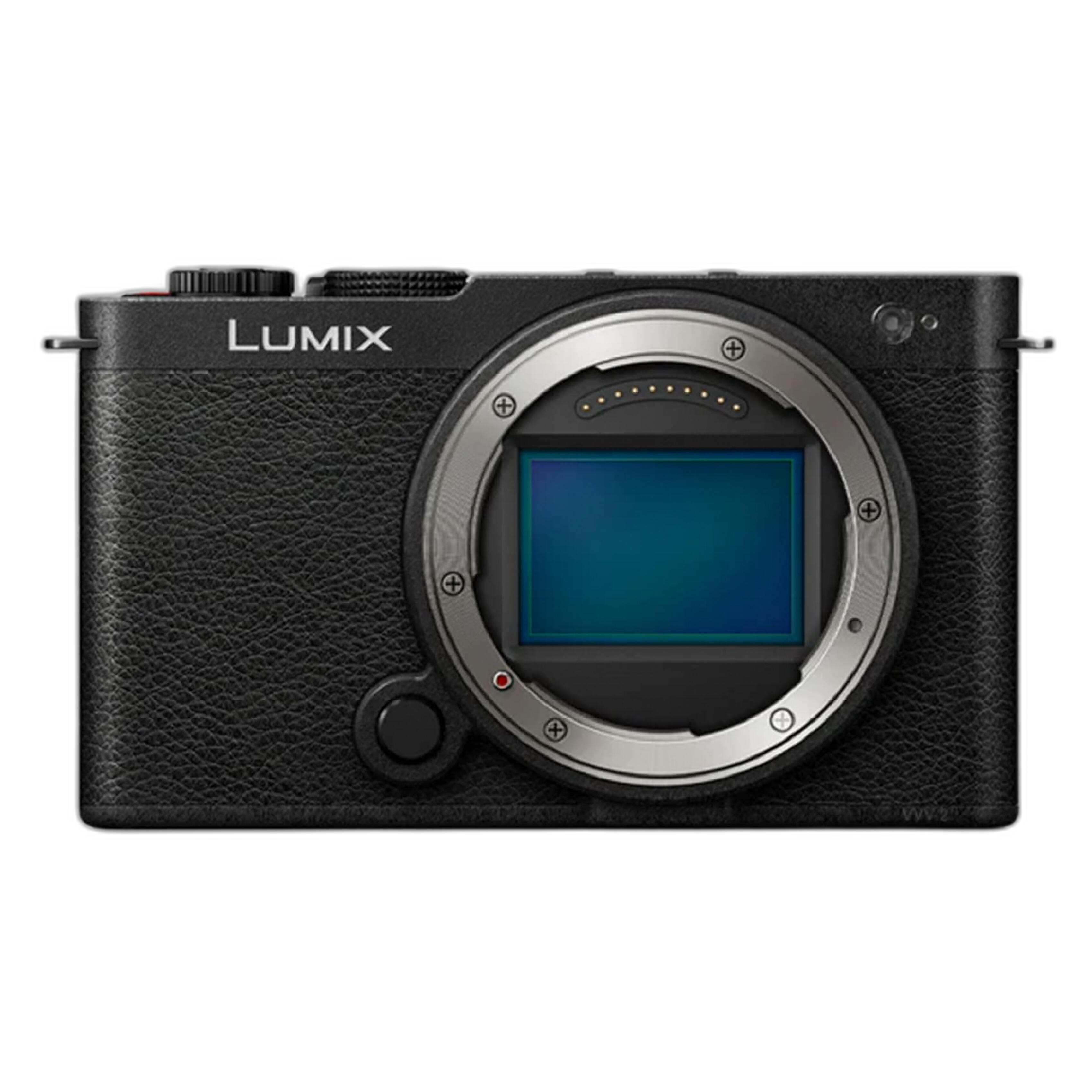
The used Panasonic LUMIX S9 is worth considering for beginners who are equally interested in stills and content creation. Panasonic has built a strong reputation among hybrid shooters, and a used body can be a smart entry into a more advanced full-frame system.
For newer users, the main appeal is flexibility. If your photography journey may include social content, video clips, travel diaries, or creative projects, starting with a mirrorless platform that supports both photo and video use can be a smart move.
Why it’s good for beginners:
- Mirrorless design suited to hybrid creators
- Used pricing may improve accessibility
- Good option for those interested in both photo and video
- A more future-ready choice than older DSLR platforms
Best for: creators, casual vloggers, and beginners who want a modern full-frame mirrorless body.
Sony a7R VI Mirrorless Camera
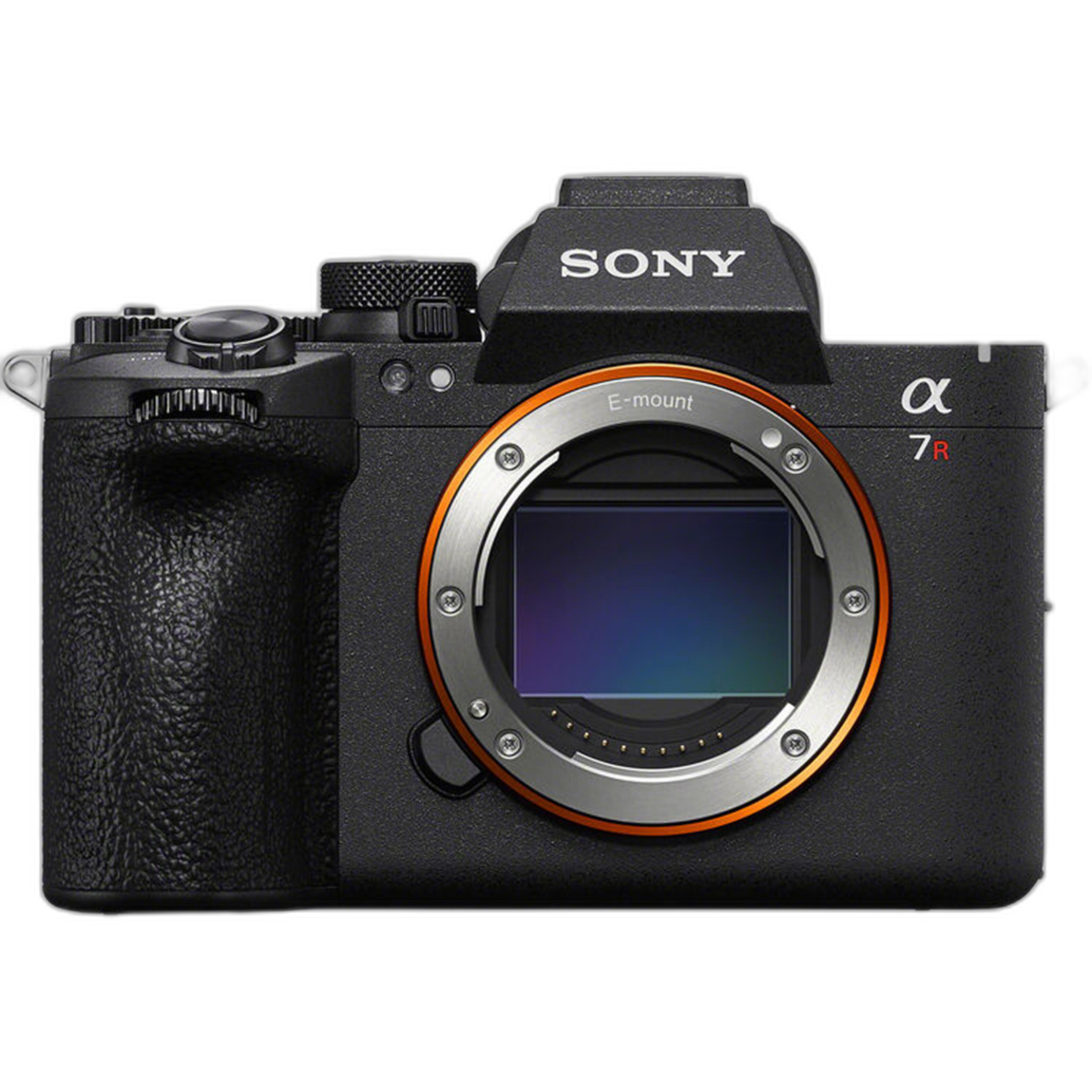
The Sony a7R VI is an impressive mirrorless camera, but for most beginners it sits more in the aspirational category than the practical starter category. It represents what mirrorless systems can offer at the high end: advanced autofocus, full-frame performance, and room to grow into professional work.
Why include it in a beginner guide? Because many first-time buyers are tempted to jump straight to a top-tier body, thinking it will make the learning process easier. In reality, beginners are often better served by spending less on the body and more on lenses, education, and time behind the camera.
Why beginners might consider it:
- Premium autofocus and image quality potential
- Long-term upgrade resistance
- Strong Sony ecosystem support
Why many beginners should skip it:
- Likely more camera than a new user needs
- Higher investment leaves less budget for lenses and accessories
- Better suited to serious enthusiasts and pros
Best for: ambitious buyers with a generous budget who know they want to build into a high-end Sony system.
Best Beginner Camera Comparison
| Camera | Type | Beginner Appeal | Best Use | Value Perspective |
|---|---|---|---|---|
| OM SYSTEM OM-5 | Mirrorless | Very approachable, lightweight, practical | Travel, family, everyday photography | Excellent all-around starter choice |
| Used Nikon Zf + 40mm f/2 | Mirrorless | Great for learners who want a lens included | Street, portraits, daily shooting | Strong value through used gear |
| Used Panasonic LUMIX S9 | Mirrorless | Good for hybrid creators | Photo/video content creation | Appealing used full-frame option |
| Sony a7R VI | Mirrorless | Advanced rather than beginner-first | High-end photo work | Best if budget is not a concern |
Helpful Add-Ons for First-Time Camera Buyers
Think Tank V2 Mirrorless Mover 10 Cool Grey
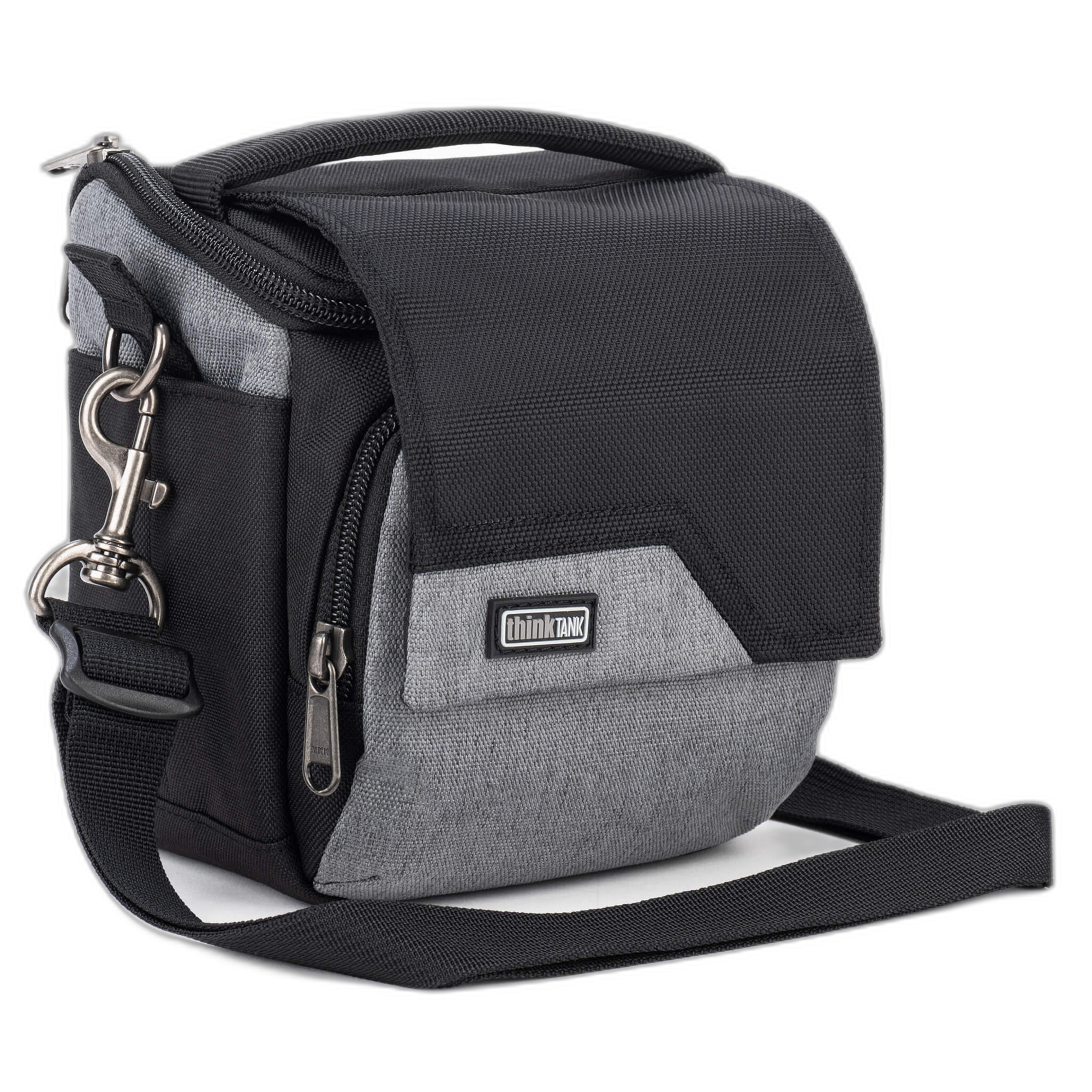
A good first camera deserves a practical bag, and the Think Tank V2 Mirrorless Mover 10 is a smart accessory for beginners. One reason new photographers stop carrying their camera is inconvenience. A compact shoulder bag makes it much easier to bring your gear along for day trips, city walks, and family outings.
Why it matters:
- Protects your camera investment
- Makes everyday carry more realistic
- Ideal for compact mirrorless kits
Understanding Your Sony Mirrorless Camera: Intermediate (Sony)
If you choose a Sony camera, education can accelerate your progress just as much as gear. The Understanding Your Sony Mirrorless Camera class is a great reminder that the best beginner upgrade is often knowledge, not another body.
Why it matters:
- Helps new users understand settings faster
- Reduces frustration with menu-heavy systems
- Builds confidence so you get better results sooner
What About Lenses?
Zeiss Batis 18mm f/2.8 AF lens for Sony Full Frame E-Mount Cameras
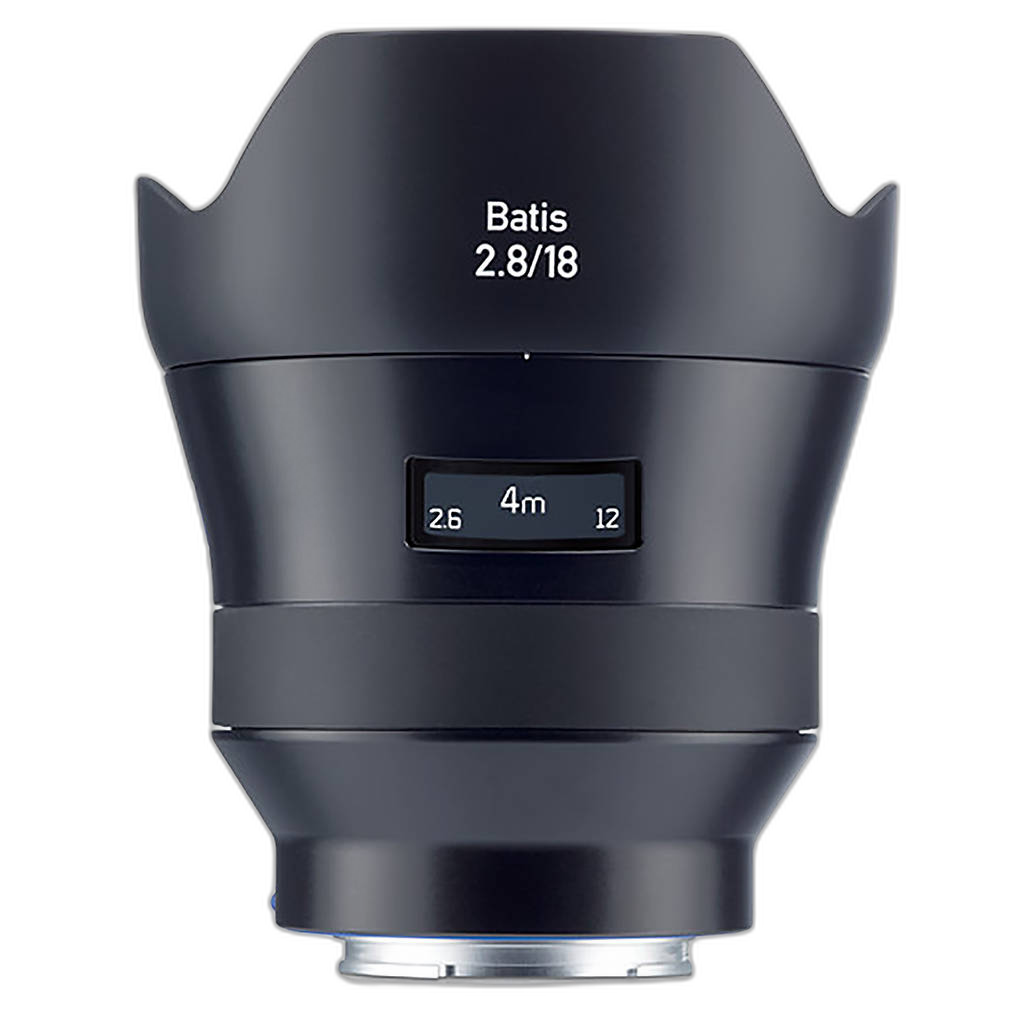
For beginners building into Sony full-frame, the Zeiss Batis 18mm f/2.8 shows one of the big benefits of choosing mirrorless: access to specialized, high-quality lenses. This is not the first lens most beginners should buy, but it’s a good example of how a mirrorless system can grow with you.
An 18mm lens is ideal for landscapes, architecture, travel interiors, and dramatic wide-angle perspectives. If you start with a Sony body and later want to expand creatively, lenses like this open new possibilities.
So, Should a Beginner Buy a DSLR or Mirrorless in 2024?
For most first-time camera buyers in 2024, mirrorless is the better choice. You get a more modern platform, better autofocus tools, stronger hybrid shooting capability, and a system that is more aligned with where camera development is headed. DSLRs can still be worthwhile for bargain hunters and photographers who already own compatible lenses, but they are no longer the default recommendation for most new buyers.
Conclusion
If you’re choosing between DSLR and mirrorless for your first camera, the simplest answer is this: start mirrorless unless you have a specific reason not to. Among the options here, the OM SYSTEM OM-5 is the most practical pick for most beginners, while the used Nikon Zf kit is an excellent step-up choice for buyers who want full-frame character and strong value. If your focus is hybrid creation, the used Panasonic LUMIX S9 deserves a look, and if budget is wide open, the Sony a7R VI offers premium long-term potential.
For help choosing the right first camera, lens, bag, or even a class to speed up your learning, shop with Unique Photo for expert guidance and a strong selection of beginner-friendly mirrorless gear.