Photography Contest FAQ: How to Find Legit Opportunities and Enter Smart
Photography contests can be a meaningful way to build visibility, test your editing and storytelling, and create momentum in your portfolio. The key is knowing which competitions are worth your time, how to evaluate the rules, and how to submit work that represents your style professionally.
At Unique Photo, we encourage photographers to approach contests strategically: focus on reputable organizers, read usage terms carefully, and enter images that are technically strong and emotionally clear. Below are some of the most common questions photographers ask when deciding whether a contest is worth entering.
Are photography contests actually worth entering?
They can be, especially when the contest is hosted by a respected publication, nonprofit, gallery, manufacturer, or established photo organization. A good contest can provide exposure, credibility, portfolio material, networking opportunities, and in some cases prizes or exhibition placement. Even if you do not win, the process of selecting your strongest images can help refine your portfolio and clarify your personal style.
That said, not every contest delivers meaningful value. Some are primarily designed to collect entry fees or broad image usage rights. Before entering, look at past winners, judges, sponsor reputation, and whether the contest has a visible track record of celebrating photographers in a serious way.
How can I tell if a photography contest is legitimate?
Start by checking who is running it. Trusted contests usually have transparent organizers, clearly listed judges, a detailed schedule, and published rules that are easy to understand. Look for information about previous years, real winner announcements, and whether the organization has a recognizable presence in the photography community.
Pay close attention to the terms and conditions. Legitimate contests typically request limited rights only for promotion related to the contest itself. Be cautious if the rules grant unlimited commercial usage, allow sublicensing without compensation, or make ownership language vague. A professional contest should not require photographers to give up control of their work just to participate.
It is also wise to research whether winners have actually benefited from the recognition. If the contest claims prestige but has no visible history of exhibitions, press, judging standards, or audience reach, it may not be the best use of your time or budget.
What are the warning signs of a scammy or predatory photo contest?
Several red flags should make you pause. One is a very high entry fee with little information about judging, prizes, or exposure. Another is language suggesting that everyone is a finalist, featured artist, or award recipient as long as they keep paying for upgrades, books, or add-on publicity.
Watch for contests that overemphasize certificates while saying very little about who is judging the work or where the work will be seen. Be wary if the rights grab is excessive, if deadlines keep extending indefinitely, or if the contest website feels generic and disconnected from any real photographic community.
A reputable contest should make you feel informed, not pressured. If the offer sounds flattering but the details are thin, step back and verify everything before submitting your work.
What kinds of contests are best for emerging photographers?
Emerging photographers often do best in contests that match their current strengths rather than the largest open-call events on the calendar. Local and regional competitions, themed contests, publication-sponsored calls, and student or early-career opportunities can be especially useful because they offer a more focused field and often stronger alignment with specific styles of work.
If you photograph events, travel, street scenes, or cultural celebrations, educational opportunities can also help sharpen the kind of images that perform well in those categories. Unique Photo offers learning resources such as the Seminar: How to Capture Great Festival and Event Photos with David Wells, which can help photographers improve timing, composition, and storytelling for dynamic environments that frequently appear in editorial and contest categories.

Investing in education before entering can often be more valuable than entering another random contest. Better images create better opportunities.
How should I choose which images to submit?
Choose images that are immediately readable, technically polished, and emotionally memorable. Contest judges often review many entries quickly, so your image needs a clear subject, strong composition, and a compelling reason to stop scrolling. Avoid submitting near-duplicates unless the contest specifically asks for a series.
It also helps to think about category fit. A beautiful image can still underperform if it does not strongly match the category definition. Read the prompt carefully and ask whether the image communicates the idea without explanation.
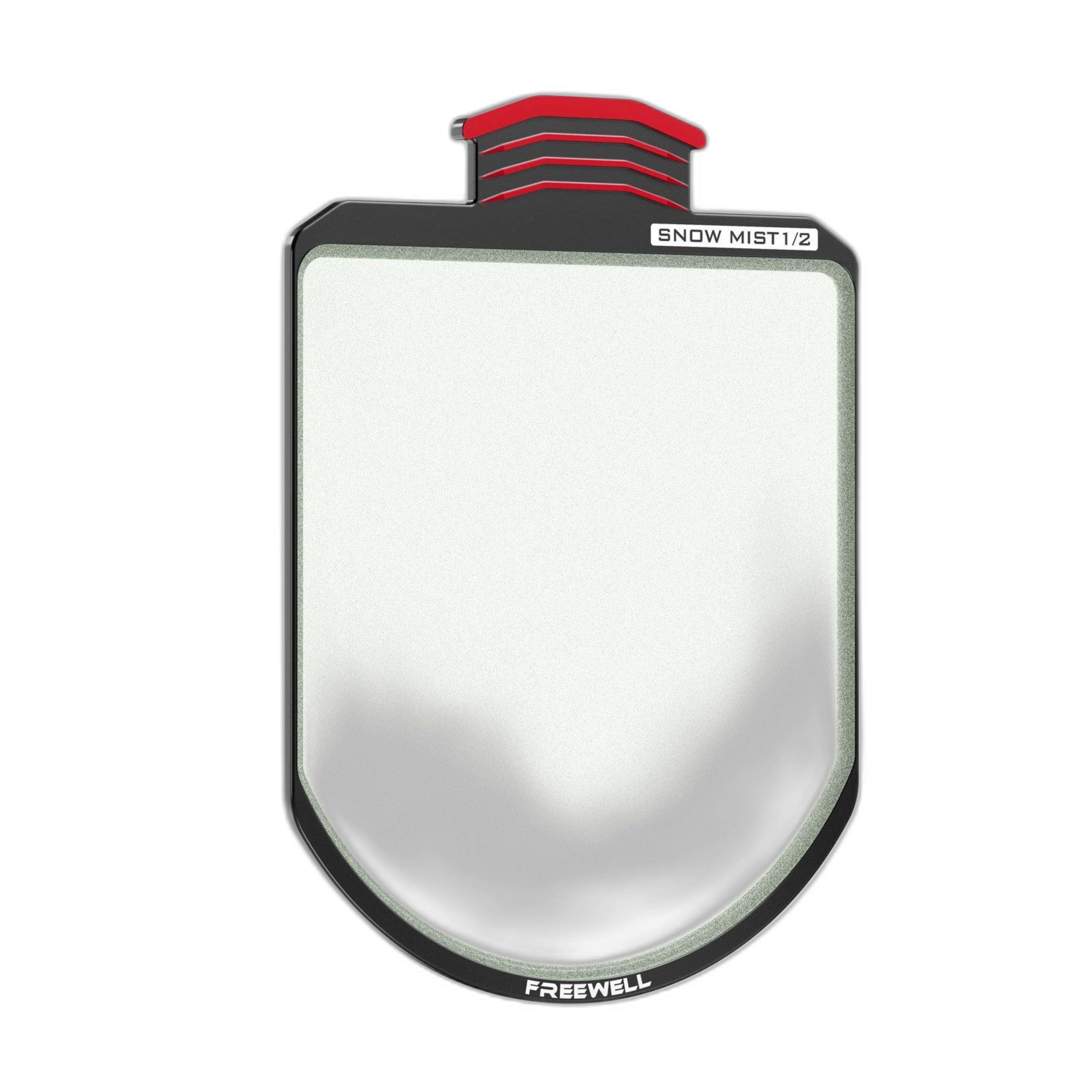
Subtle finishing can make a difference. For photographers looking to create a more atmospheric, cinematic feel in-camera, the Freewell Snow Mist Diffusion Filter Compatible with K2 Filter Series (1/4) can help soften highlights and reduce digital harshness in select shooting scenarios. That kind of controlled look may be useful for portrait, documentary, or fine-art entries when it supports the subject rather than distracting from it.
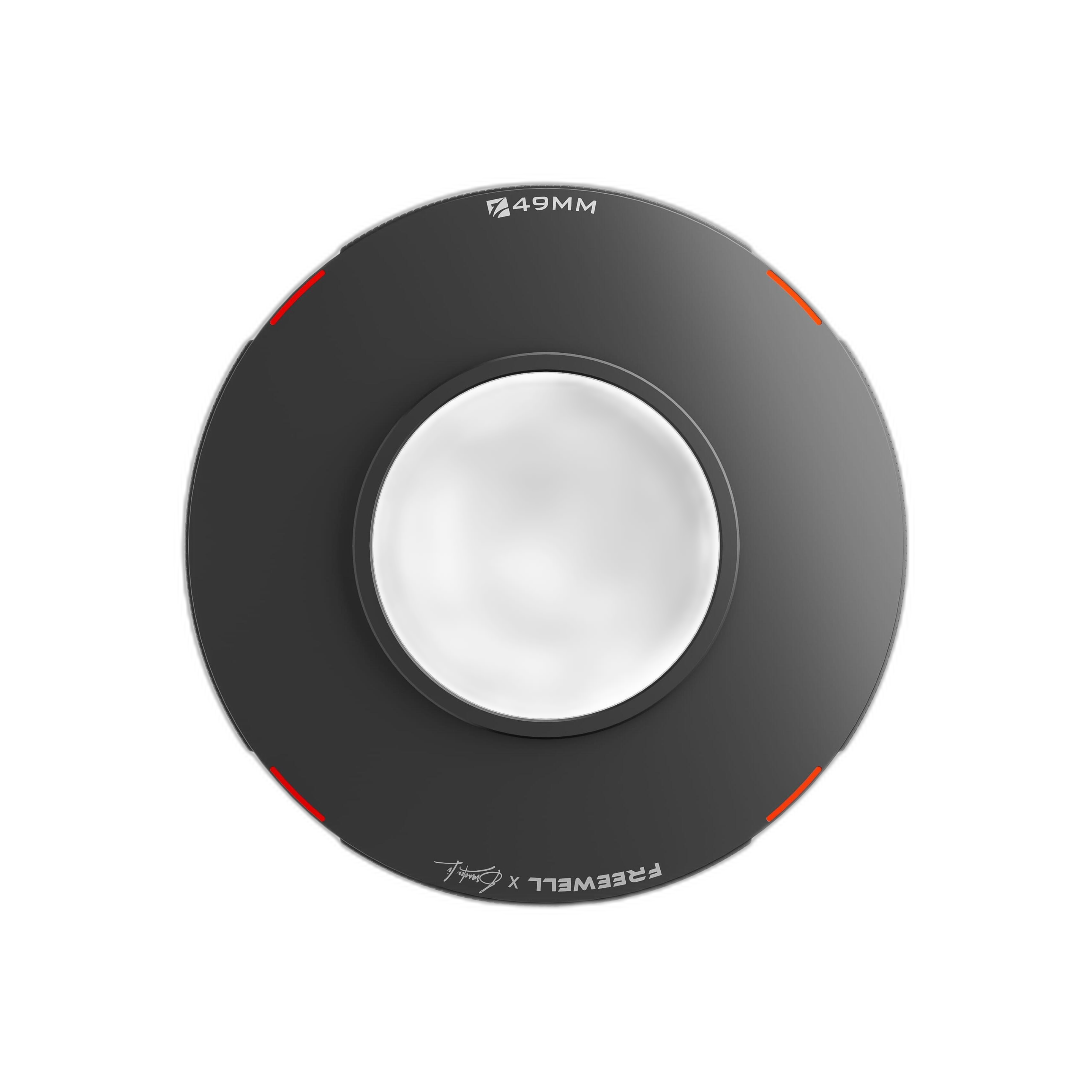
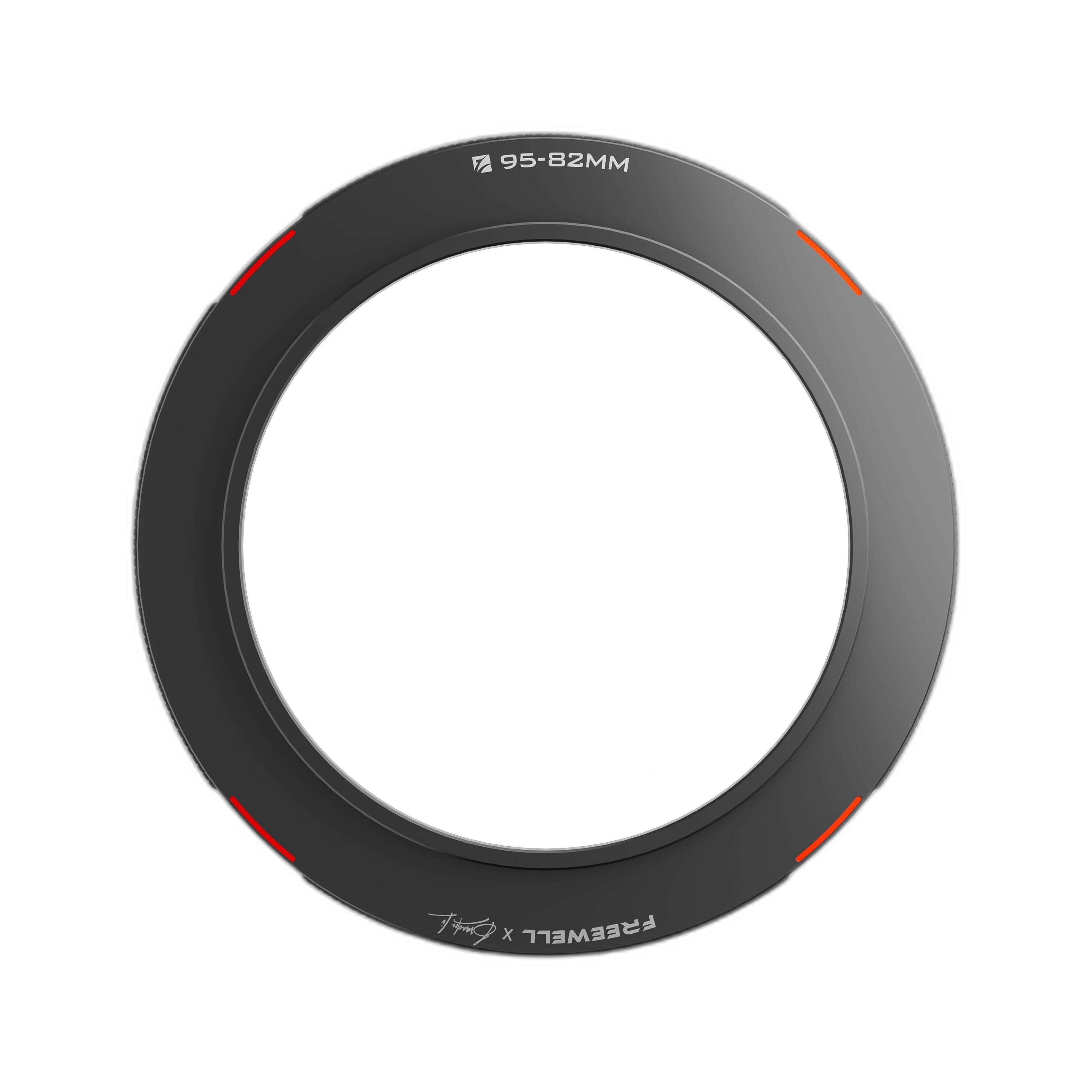
If you are working with a cinema-style filter setup, accessories like the Freewell 72mm Adapter Ring for Brandon Li Basic Kit System or the Freewell 95mm Adapter Ring for Brandon Li Cine Kit System can help integrate your filtration workflow across lenses more efficiently.
Do edited or filtered images hurt my chances in contests?
Not necessarily. Editing is a standard part of photographic workflow, and many contests accept thoughtfully processed images. The important question is whether the edit fits the rules and supports the story. Some documentary and photojournalism categories have strict limits on manipulation, while fine-art, portrait, and open categories may allow much more creative freedom.
Always read the submission guidelines carefully. If a contest emphasizes authenticity, avoid heavy compositing or drastic content-altering changes. If the competition is more interpretive, creative treatment may be entirely appropriate. What matters is transparency, consistency, and strong taste.
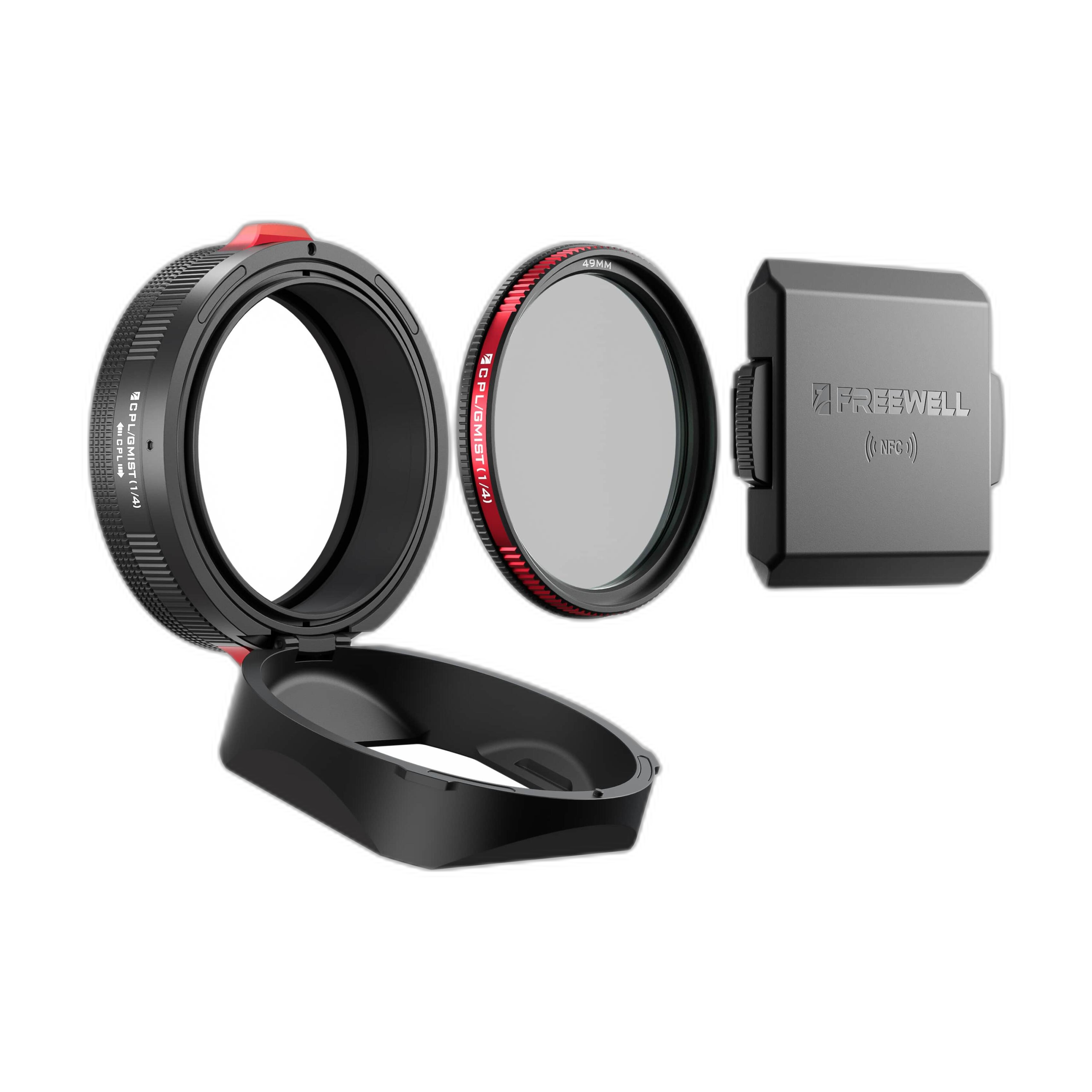
For compact camera users, the Freewell Filter Kit for Fuji X100 Series Real Lens Hood (Silver) can be a practical way to shape light and maintain a polished look in-camera, especially for travel, street, and everyday portfolio work that may later be submitted to contests.
Can drone or action-camera images be competitive in contests?
Absolutely. Aerial perspectives and compact stabilized-camera footage or stills can stand out when they add genuine storytelling value. Drone images are especially effective in landscape, travel, environmental, and abstract categories because they reveal scale, pattern, and context in ways ground-based images cannot.
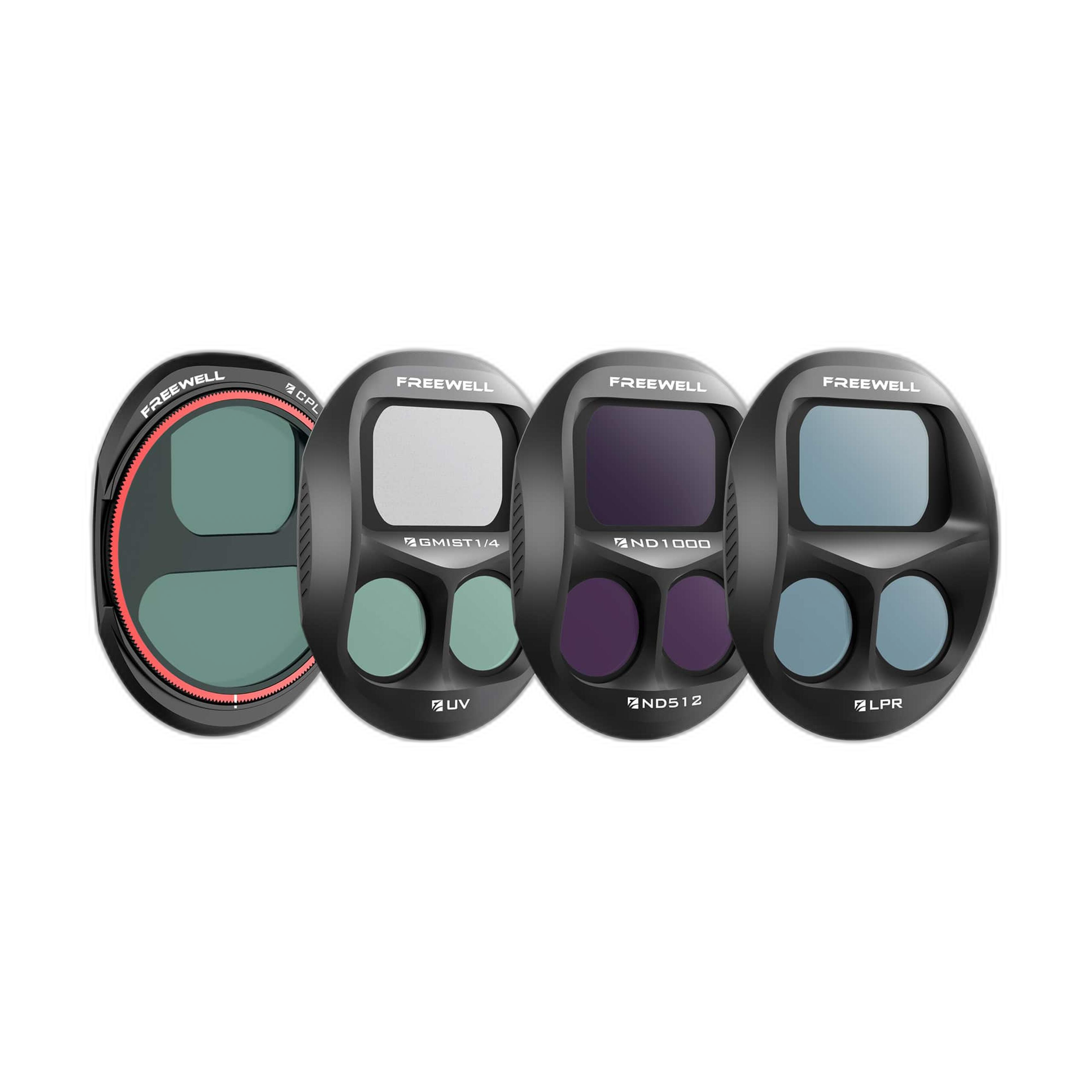
To maximize image quality outdoors, filtration can be essential. The Freewell Everyday Filter Kit for DJI Mavic 4 Pro (4-Pack) is useful for managing bright conditions, controlling shutter speed, and maintaining a cleaner, more polished file for aerial submissions.
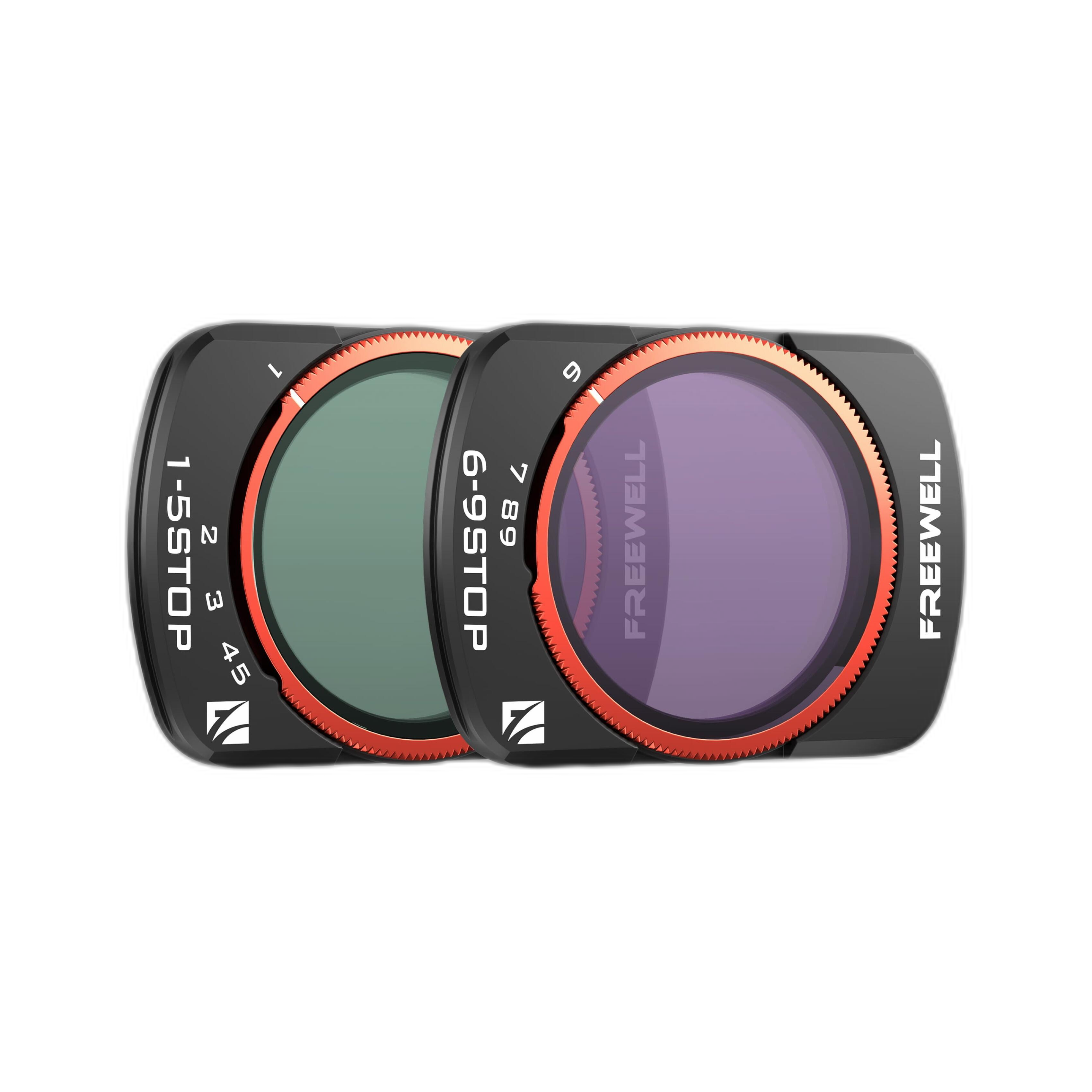
Likewise, creators using compact video tools for hybrid storytelling may benefit from the Freewell Variable ND 2-Filter Set for DJI Osmo Pocket 3, especially when contest submissions include motion work, multimedia storytelling, or stills pulled from carefully planned video sequences.
How many contests should I enter each year?
It is usually better to enter a smaller number of well-chosen contests than to submit everywhere. Focus on opportunities that align with your subject matter, career goals, and budget. For many photographers, a curated list of a few strong annual contests, a couple of niche or regional calls, and select gallery or publication submissions is a smarter approach than high-volume entry behavior.
Track your entries in a spreadsheet, including fees, deadlines, results, and rights terms. Over time, you will see which opportunities actually produce exposure, portfolio credibility, or useful connections.
What should I do if I win, place, or get shortlisted?
Use that recognition actively. Update your website, biography, social media, and client materials. If the contest provides a badge, publication, or exhibition mention, incorporate it into your marketing in a tasteful way. A shortlist or honorable mention can still be valuable if the contest itself is respected.
Also think beyond the award itself. Winning one contest will not define a career, but it can open doors if you follow up with outreach, portfolio reviews, print sales, media pitches, or local exhibition opportunities. Recognition works best when it becomes part of a broader professional strategy.
Should I enter contests if I am still building my confidence?
Yes, as long as your expectations are healthy. Contests should not be your only measure of success, but they can be a useful way to benchmark your work and identify where your images resonate. Enter with a learning mindset: refine your edits, improve your captions, review category fit, and keep building the body of work behind the individual image.
Many successful photographers did not begin by winning major awards. They improved through repetition, education, thoughtful critique, and consistent portfolio development. The contest is just one stage where your work can be seen.
If you are ready to improve your submissions and present stronger work, Unique Photo can help with educational events, accessories, and image-making tools that support a more polished final result. Explore classes, filters, and gear at Unique Photo to prepare for your next contest entry with confidence.