Best Audio Gear for Solo Interview Shoots: FAQ for Creators
Clean dialogue can make a bigger difference to interview quality than almost any camera upgrade. For solo shooters covering documentary work, client interviews, podcasts, or quick location-based conversations, the right audio setup needs to be simple, reliable, and fast to deploy.
At Unique Photo, we regularly help creators choose practical microphone systems that fit both their workflow and budget. Below, we answer the most common questions about improving interview audio when you are working alone.
1. What is the best budget-friendly way to improve interview audio?
If you are currently relying on your camera's built-in microphone, even a modest upgrade to a dedicated wireless or interview microphone system can produce a major improvement. The biggest gains usually come from getting the microphone physically closer to your subject rather than chasing expensive gear too early.
For solo interview work, a compact wireless system is often the smartest starting point because it is fast to set up and keeps audio close to the speaker. The Hollyland LARK MAX 2 Solo Wireless Microphone is a strong option for creators who want a lightweight, modern system for one-person interviews, walk-and-talks, and quick documentary setups.
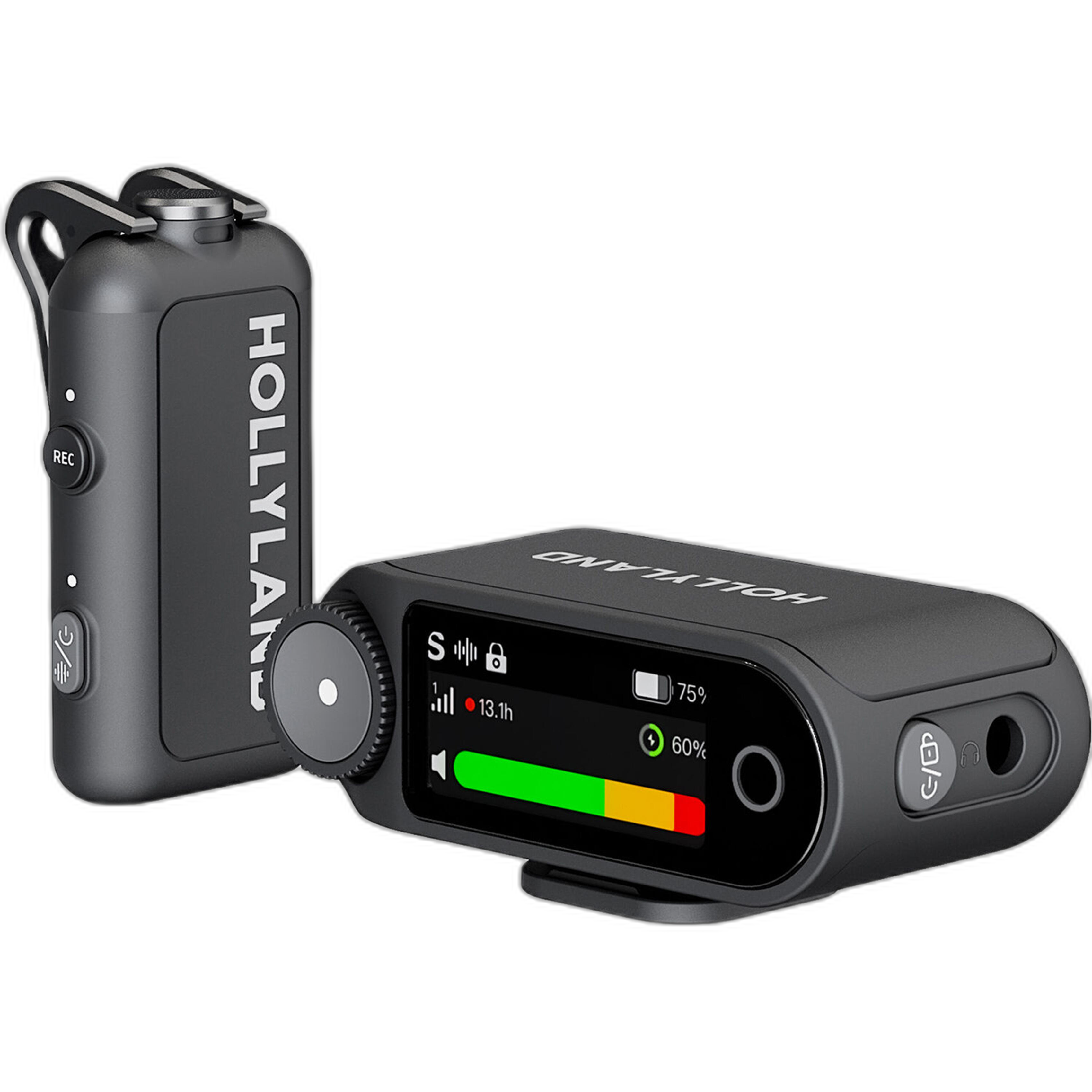
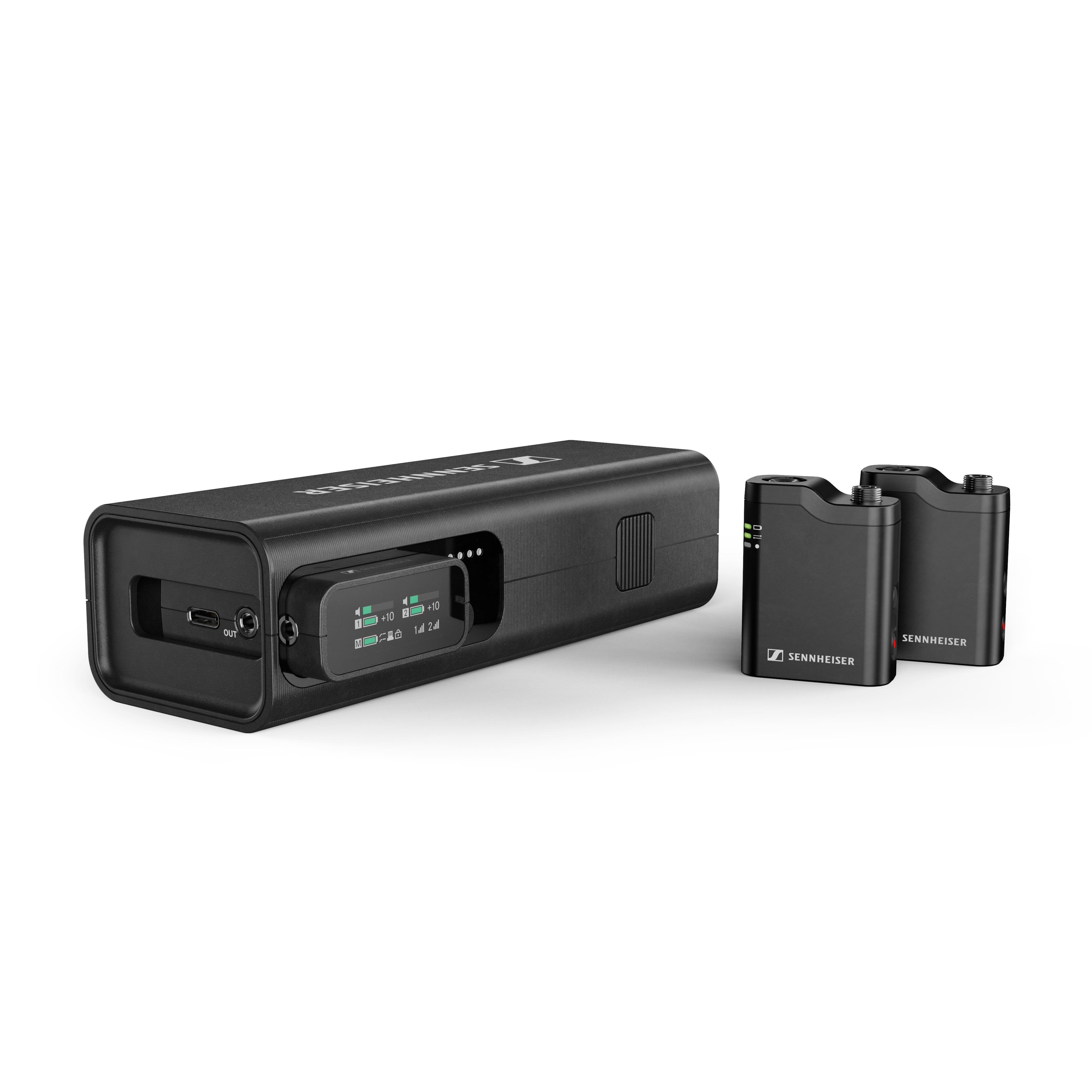
If you frequently interview two people or want more flexibility for host-and-guest recording, stepping up to a dual-transmitter system like the Sennheiser Profile 2-Person Clip-On Wireless Audio System or Saramonic Air 2-Person Universal Micro Wireless Mic System can be a better value over time.
2. Should I use a lav mic or a boom mic for documentary interviews?
For most solo shooters, lav mics are easier to manage than boom mics. A lav or wireless clip-on mic stays close to the speaker, gives you consistent levels as they move, and does not require a dedicated boom operator. That makes lav-based systems especially useful for one-person crews shooting interviews in offices, events, or on location.
A boom-style setup can sound more natural and visually cleaner when placed correctly, but it is less forgiving when you are framing, monitoring exposure, and handling the interview by yourself. If your subject is seated and controlled, a boom can work well, but for fast documentary production, wireless clip-on systems are often the practical choice.
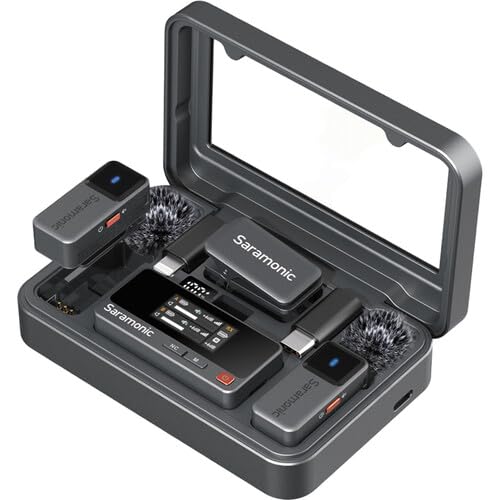
If you regularly record two speakers, the Saramonic Air 2-Person Universal Micro Wireless Mic System offers a straightforward way to mic both sides of an interview. If your workflow leans more toward polished creator content or branded interviews, the Sennheiser Profile 2-Person Clip-On Wireless Audio System is also worth considering for its flexible dual-person format.
3. Are wireless systems reliable with Sony and Canon mirrorless cameras?
Yes, many current wireless microphone systems work very well with Sony and Canon mirrorless cameras, provided you use the correct output connection and monitor levels carefully. Reliability usually depends more on proper setup, battery management, and RF environment than on brand compatibility alone.
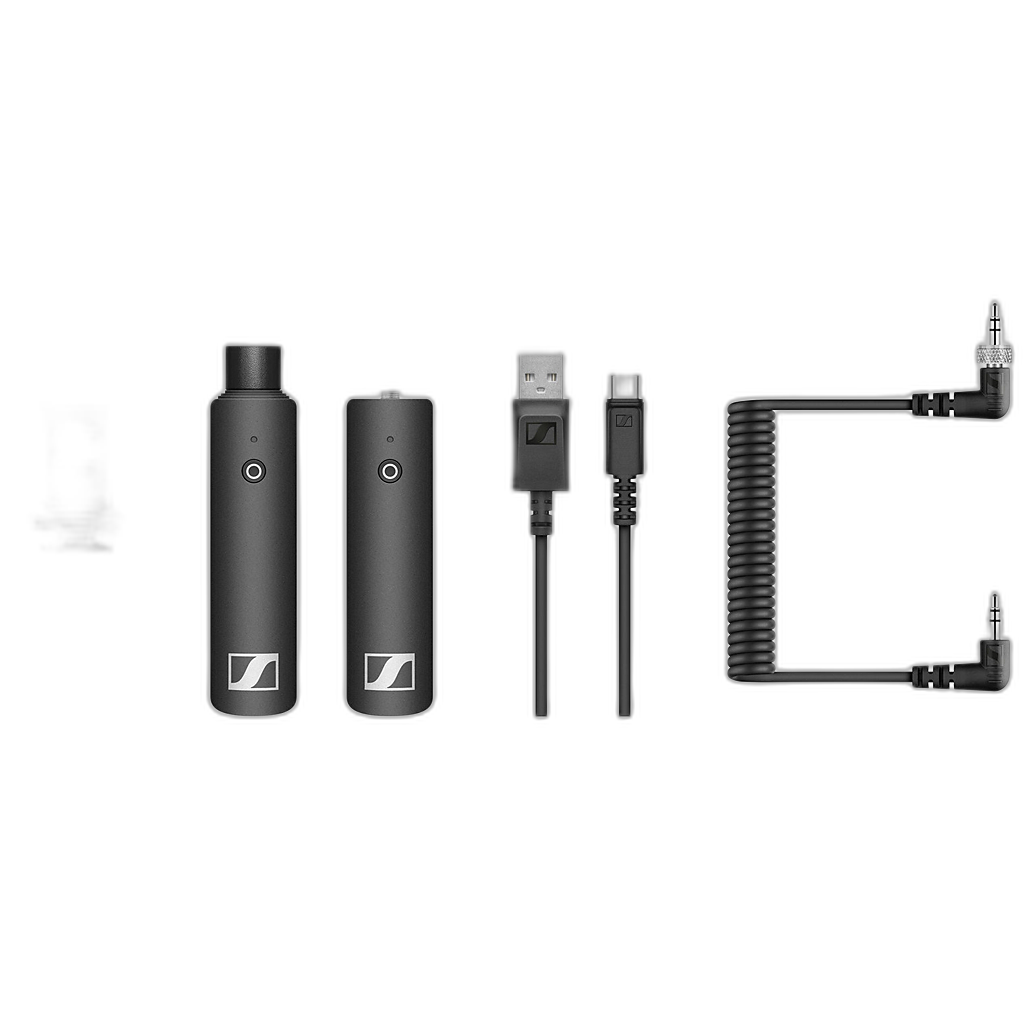
When pairing with mirrorless cameras, look for systems designed for camera-mounted use with compact receivers and simple gain control. The Sennheiser XSW-D Portable Interview Set Cam-Mount No Mic is built around camera integration and is a practical option for creators who want a streamlined wireless path into a mirrorless rig.
The Hollyland LARK MAX 2 Solo, Sennheiser Profile 2-Person, and Saramonic Air 2-Person are also appealing for Sony and Canon users because they suit compact hybrid bodies well. As always, monitor with headphones when possible, set conservative recording levels, and test your setup before the interview starts.
4. How much should I spend to noticeably improve on-camera audio?
You do not need to spend cinema-audio money to hear a dramatic difference. In most solo-shooting situations, moving from an internal camera mic to a dedicated wireless mic system is the point where quality improves most noticeably. That upgrade can deliver clearer speech, less room noise, and more consistent volume.
If your content is mainly single-subject interviews, a solo wireless option like the Hollyland LARK MAX 2 Solo Wireless Microphone is a sensible investment. If your assignments involve interviewer-and-subject conversations, podcasts on camera, or recurring two-person setups, a dual system such as the Sennheiser Profile 2-Person Clip-On Wireless Audio System or Saramonic Air 2-Person Universal Micro Wireless Mic System can save you from needing to upgrade again shortly afterward.
For many creators, the sweet spot is spending enough to get dependable wireless performance, easy mounting, and a cleaner signal path to camera. That is typically where you hear the biggest real-world improvement.
5. What is the best option for street interviews or handheld Q&A videos?
For street interviews, red carpet coverage, event reactions, or any scenario where a handheld microphone is part of the look, an interview mic can be the best tool. Handheld mics are easy for subjects to understand, they help control who is speaking, and they can be quicker to reposition than clip-on solutions.
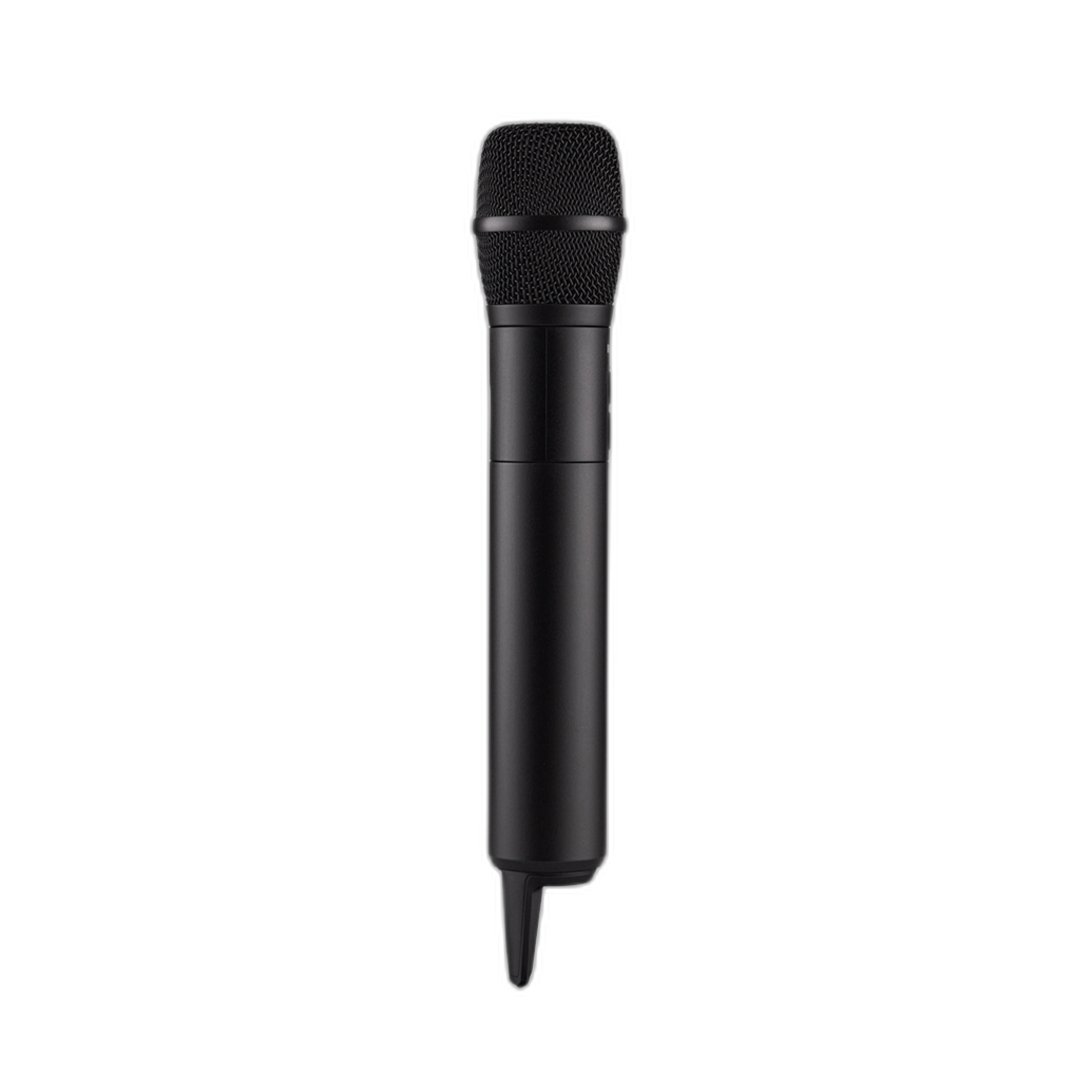
The Rode Interview Pro Wireless Handheld Microphone is especially appealing for creators who want the convenience of wireless operation in a handheld form factor. It fits modern run-and-gun production styles where mobility matters.
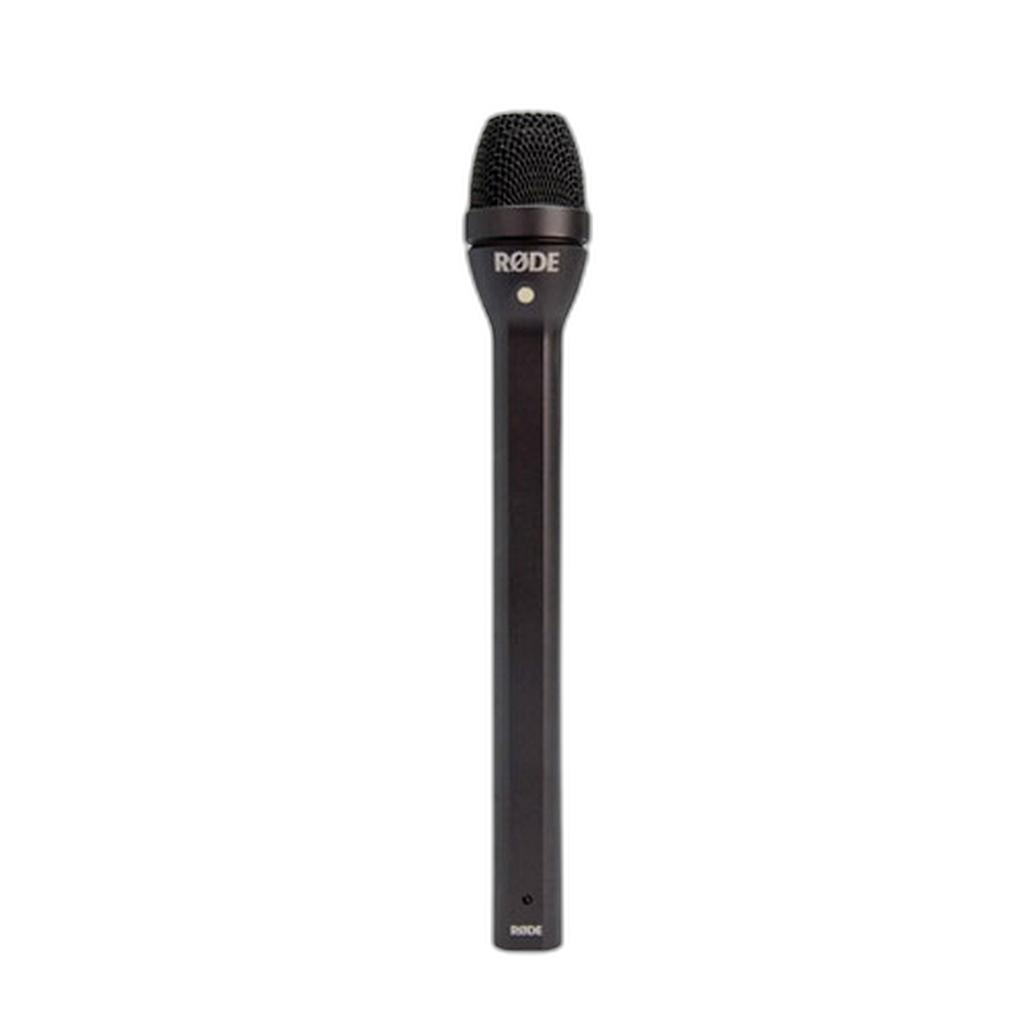
If you prefer a classic wired interview microphone style for ENG or reporter work, the Rode Reporter Omnidirectional Handheld Interview Microphone is a strong fit. Its form factor is familiar for field interviews and news-style production.
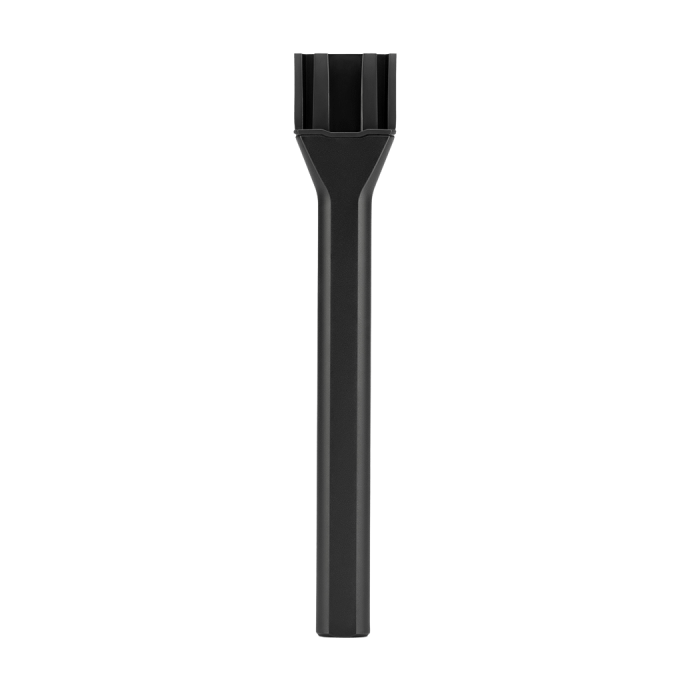
For existing Wireless GO users, the Rode Interview GO Handheld Mic Adapter can also be a practical way to turn a compatible wireless transmitter into a handheld interview solution.
6. What if I need to record two people at once?
If you regularly capture both interviewer and guest, or two subjects in a seated conversation, a two-person wireless system is usually the cleanest and most efficient choice. It allows you to keep both voices close-miked without needing to pass a handheld mic back and forth or compromise your framing.
The Sennheiser Profile 2-Person Clip-On Wireless Audio System is a strong match for creators who want a polished, easy-to-deploy dual-subject workflow. The Saramonic Air 2-Person Universal Micro Wireless Mic System is another smart option for solo crews who want flexibility across interviews, creator content, and event coverage.
These systems are especially helpful when you are operating the camera yourself, because they reduce the risk of one voice sounding distant or getting lost in room ambience.
7. Is used or open-box audio gear worth considering?
Absolutely, especially if you want to stretch your budget without stepping down too far in performance. Open-box and used audio gear can be a practical path for creators who need better sound now but want to control costs.
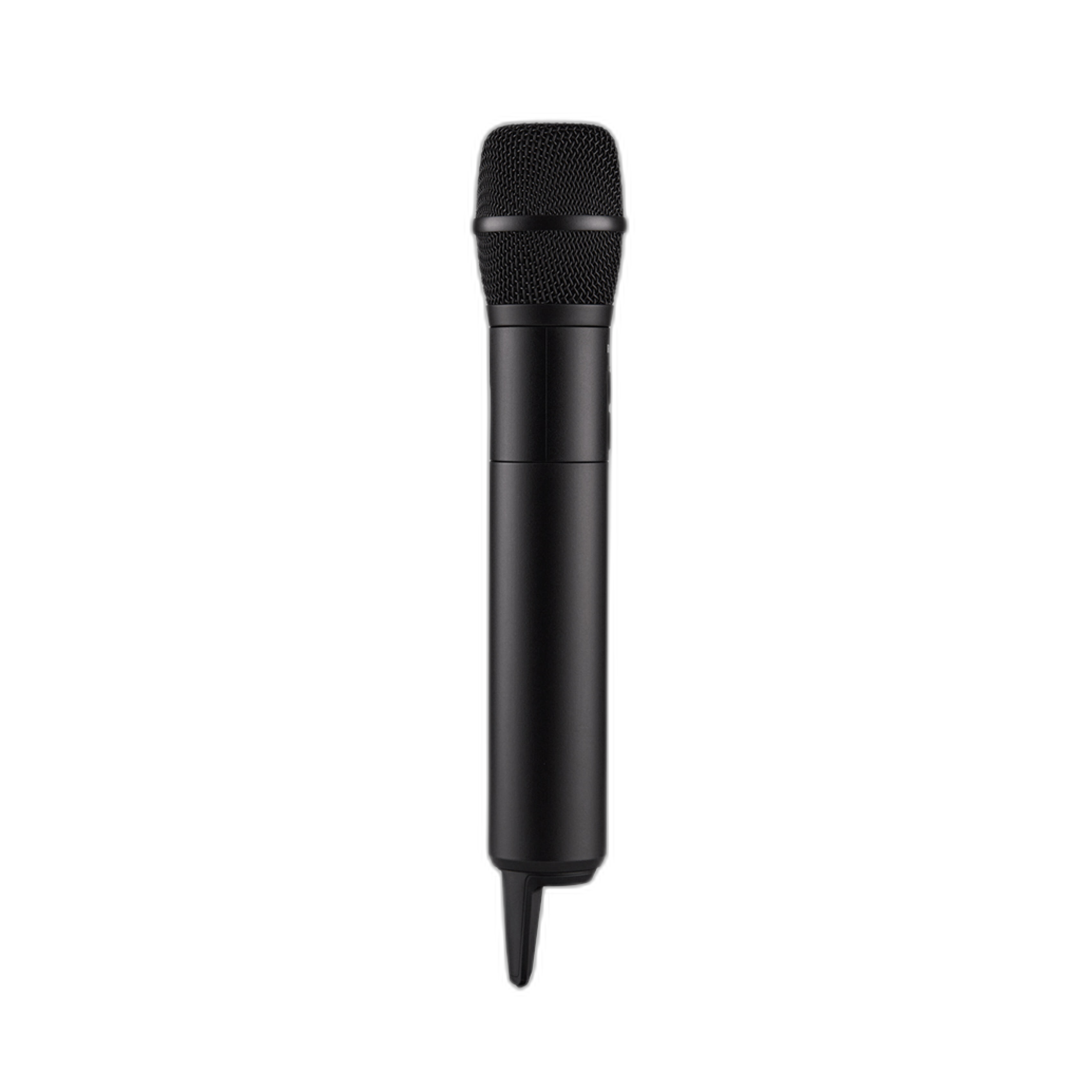
An example is the Open Box Rode Interview Pro Wireless Handheld Microphone, which may appeal to videographers building a mobile interview kit for events, public-facing interviews, or branded content. If your production style benefits from a handheld wireless microphone, this kind of value-focused option can make a lot of sense.
When shopping used or open-box, it is still important to confirm the gear suits your workflow, your camera input setup, and your interview format.
8. What matters more than the microphone itself when shooting solo interviews?
Technique matters just as much as equipment. Even a great microphone can underperform if it is placed poorly, clipped against clothing, overloaded by bad gain settings, or used in a noisy room. For solo shooters, the biggest wins come from controlling the basics: keeping the mic close, monitoring whenever possible, choosing quiet locations, and doing a quick test recording before the real interview begins.
If you are deciding between several options, think first about how you actually work. A one-person creator filming seated interviews may benefit most from a simple single-subject wireless kit like the Hollyland LARK MAX 2 Solo. A documentary shooter recording conversations between two people may get more value from the Sennheiser Profile 2-Person or Saramonic Air 2-Person. A field interviewer may prefer the control and visual clarity of the Rode Interview Pro or Rode Reporter.
The best microphone is the one you will set up quickly, monitor confidently, and trust on a real assignment.
Great audio helps your interviews feel more professional, more watchable, and more trustworthy. If you are ready to upgrade your solo interview kit, Unique Photo can help you compare wireless systems, handheld interview mics, and camera-ready audio solutions so you can choose the right setup for your next shoot.