Best 35mm Color Negative Films for Portraits in 2024
Choosing a 35mm color negative film for portraits is about more than brand loyalty—it is about skin tone, contrast, grain, exposure latitude, and how you want your final scans or prints to feel. If you are comparing classic favorites with more budget-conscious options, this FAQ breaks down what to look for and how to match film to your camera, lens, and shooting style.
At Unique Photo, we regularly help photographers build portrait-focused film kits, whether they are shooting with a compact vintage body or a premium Leica rangefinder setup. Below, we answer the most common questions about color negative portrait film in 2024 and share a few gear pairings that can elevate the look.
What 35mm color negative films are best known for flattering skin tones?
For portrait photographers, the best color negative films are usually the ones that render skin in a natural, forgiving way while keeping contrast under control. Stocks in the Kodak Portra family remain popular because they tend to produce smooth tonal transitions, balanced color, and broad dynamic range, especially in mixed light or outdoor conditions where skin can be difficult to hold cleanly.
That said, there is no single "best" portrait film for everyone. If you prefer softer contrast and a refined palette, Portra-style emulsions are often the starting point. If you want a more nostalgic, warmer look with punchier yellows and reds, Kodak Gold can be very appealing for casual portraits, family sessions, and daylight shooting. For photographers who want portrait film to feel lively rather than ultra-neutral, Gold can be a creative choice instead of just a budget one.
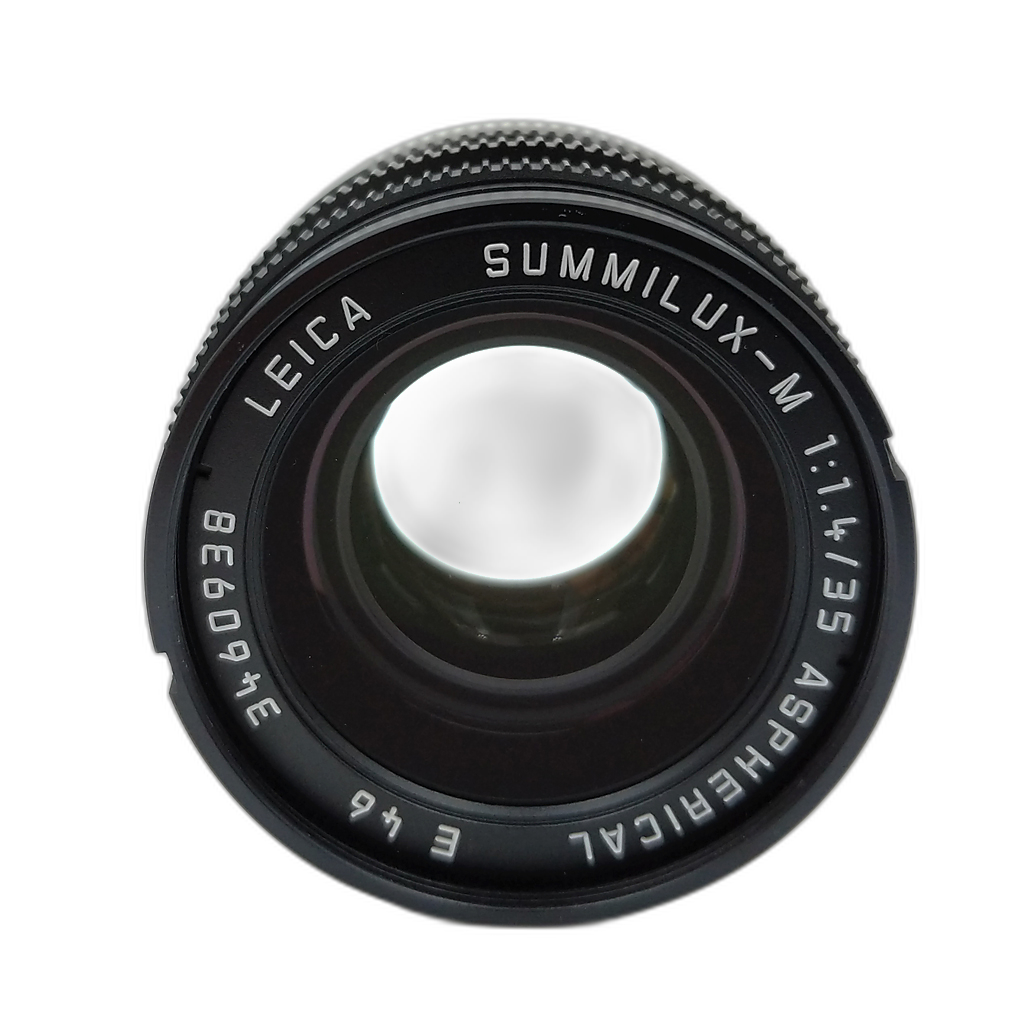
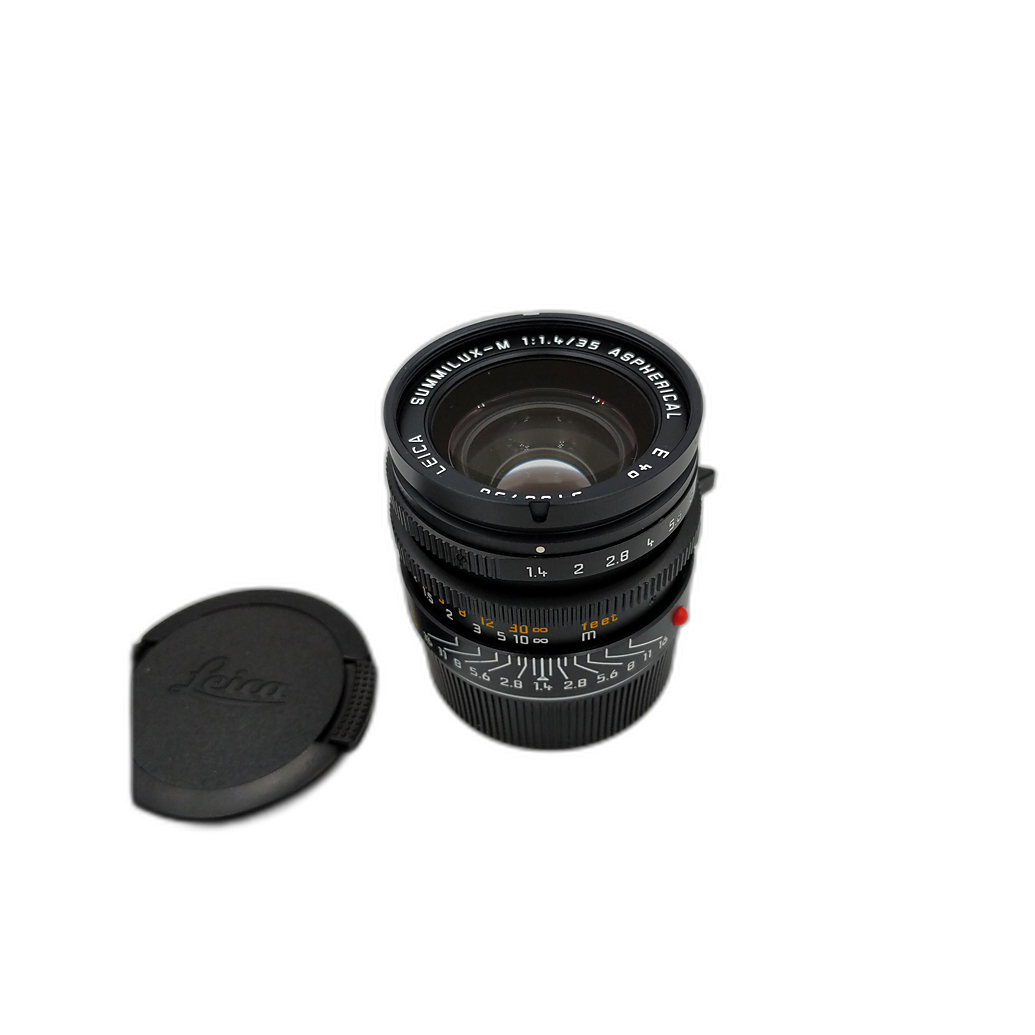
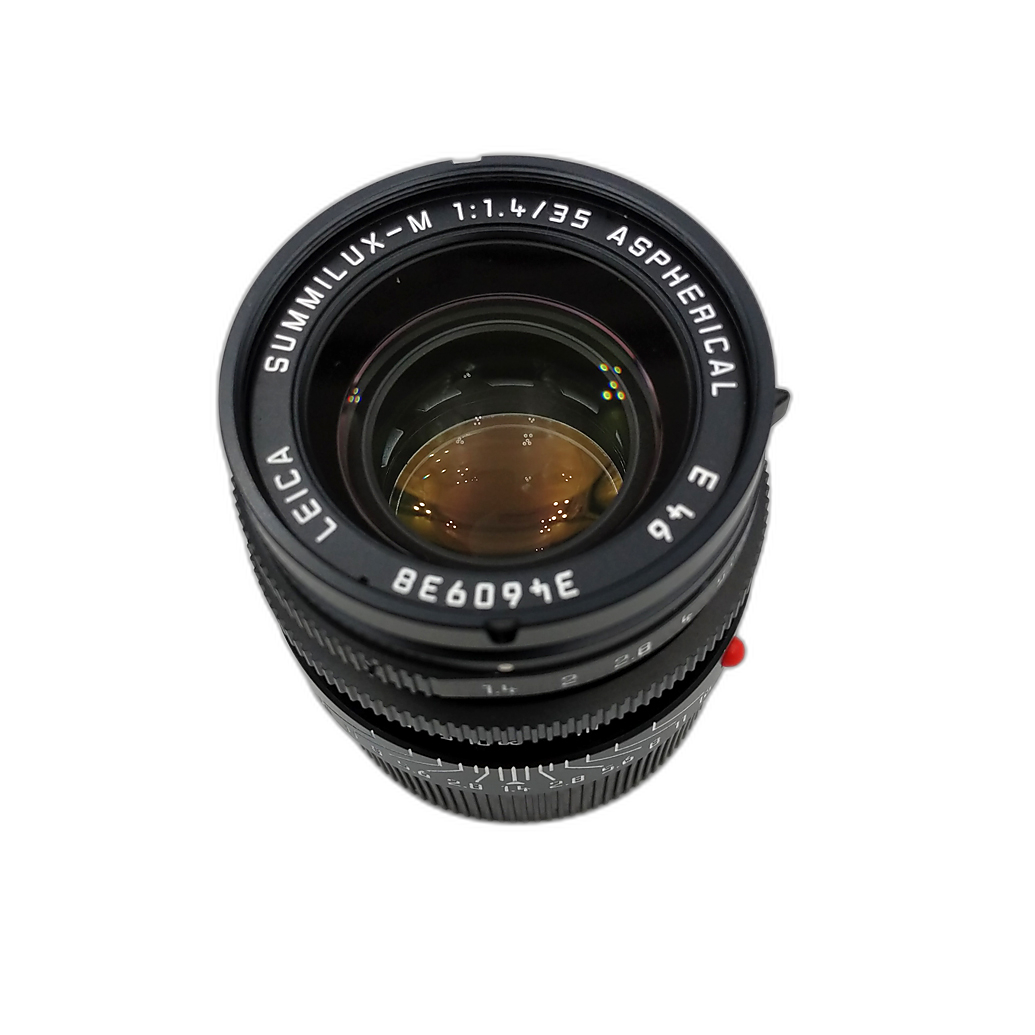
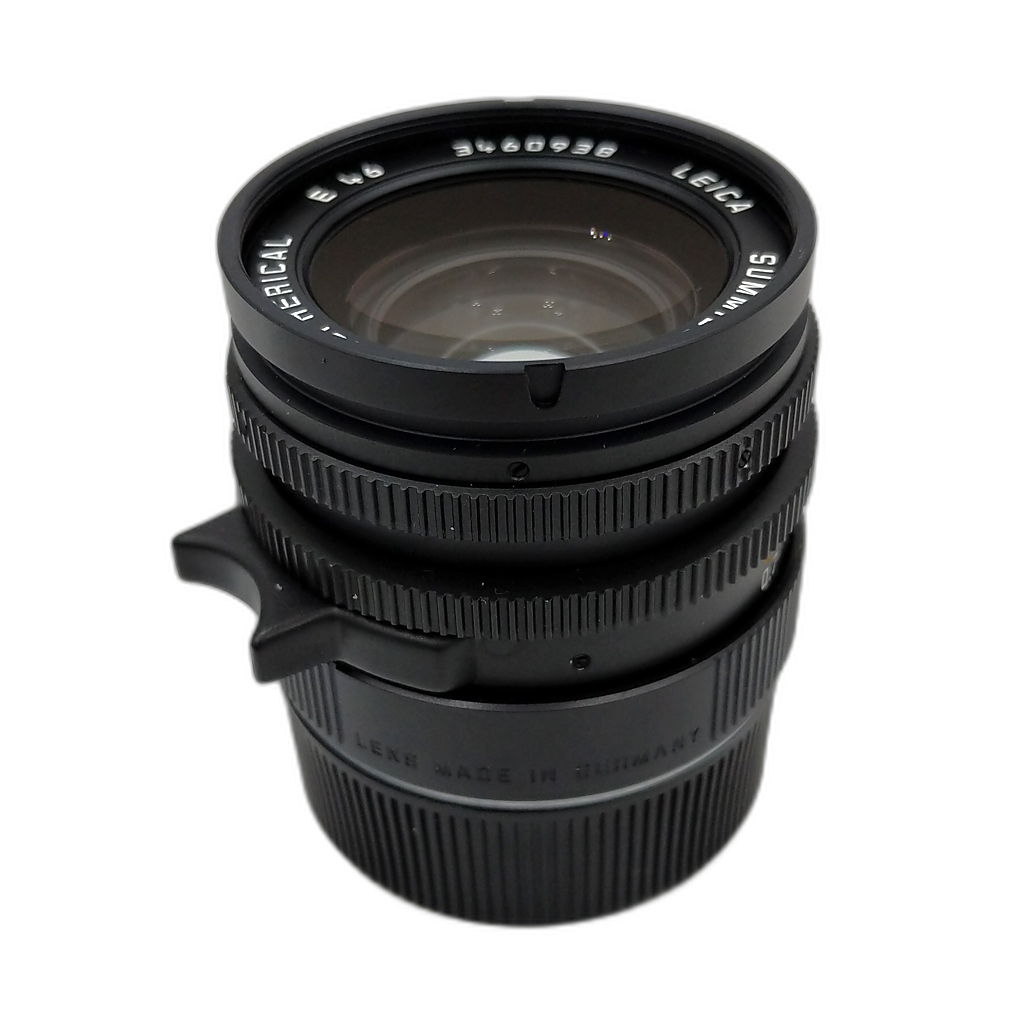
Your lens also plays a big role in perceived skin rendition. A fast 35mm lens with beautiful microcontrast and gentle falloff can make portrait negatives feel more dimensional. The Used Leica Summilux-M 35mm f/1.4 Double AA Aspherical is a strong example of a lens that pairs beautifully with color negative film for environmental portraits and available-light work.
Have photographers noticed changes in Portra 400 lately?
Many film shooters feel that Portra 400 can scan a little differently today depending on the lab, the scanner profile, and the lighting conditions used for the portrait session. In practical terms, what people often interpret as a film change may actually be a combination of exposure technique, processing consistency, and how modern labs balance color during scanning.
Portra 400 still stands out for its flexibility. It handles overexposure very well, keeps highlights manageable, and gives portrait photographers room to work in changing light. If your recent rolls appear cooler, flatter, or less saturated than expected, it is worth checking whether your lab is delivering a neutral scan intended for editing rather than a finished look. For portraits, a slight overexposure and a consistent lab workflow often produce the smoothest skin tones.
If you want to get the most from a premium film stock, pairing it with a high-quality rangefinder body and fast lens can help you shoot confidently in natural light. A camera like the Used Leica M6 35MM Rangefinder 2022 Reissue offers excellent manual control for careful exposure with negative film.
Is Kodak Portra 400 still the safe choice for portrait photography?
Yes—especially if you need one film that works across a wide range of portrait scenarios. Portra 400 remains a smart choice for outdoor portraits, window light, travel portraiture, and events where lighting can shift quickly. Its latitude is one of its greatest strengths, giving you usable negatives even when exposure is not perfect.
It is also a practical stock for photographers who scan their own film and want room to fine-tune skin tone in post. Because it does not force an overly stylized color signature, it is easy to nudge warmer, cooler, softer, or more contrasty depending on the project. If you are building a portrait workflow and want consistency from roll to roll, it is still a benchmark film.
To make the most of a film like this, many photographers like a classic 35mm focal length for portraits that include some environment. A premium option such as the Used Leica Summilux-M 35mm f/1.4 ASPH. Lens gives you speed, separation, and a timeless rendering style for film portraiture.
What are good budget-friendly alternatives to Kodak Portra?
If Portra is outside your budget for everyday shooting, Kodak Gold is one of the most attractive alternatives for daylight portraits. It tends to be warmer and a bit more contrasty, but that can work beautifully for casual portrait sessions, golden-hour photos, and lifestyle imagery where you want a classic film feel. It is not as neutral or as flexible in every lighting situation, but it offers a lot of visual character for the price.
Another budget-minded route is to reserve premium film for paid or important portrait work and use lower-cost stocks for testing locations, practicing metering, or personal shoots. This approach helps you keep costs under control while still understanding how different films behave on skin.
If you are starting with film portraits and want an affordable camera body to experiment with, a used 35mm rangefinder can be a fun entry point before investing further in film and processing. That makes vintage options in Unique Photo's used inventory especially appealing for photographers learning the look of different color negative films.
How does Fujifilm C200 compare to Kodak Gold for portraits?
For people shots, Kodak Gold often gives a warmer, sunnier feel, while Fujifilm C200 has traditionally been seen as a cleaner, slightly cooler everyday color film. In portrait terms, Gold usually leans more nostalgic and glowing, especially in daylight, whereas C200 can feel a little more straightforward and less romantic depending on the scene and scan.
If your goal is family portraits, vacation portraits, or outdoor candids with a classic consumer-film signature, Gold is often the more expressive option. If you prefer a simpler, lighter everyday rendering and are not looking for especially rich warmth, C200-style color can still be appealing. The final result, however, depends heavily on exposure and scanning. Slight overexposure usually helps both films look smoother on skin.
Whichever stock you choose, remember that portrait success comes from the full system—film, lens, exposure, and lab. A strong lens can make lower-cost film look far more premium by improving sharpness where you want it and softening transitions in a flattering way.
Does a 35mm lens work well for portraits on film?
Absolutely. A 35mm lens is one of the most versatile focal lengths for film portraiture, particularly if you like environmental portraits that place your subject in context. It lets you work close enough for intimacy while still showing background details that help tell the story. This is ideal for street portraits, travel portraits, documentary work, and lifestyle sessions.
Fast 35mm lenses are especially useful with color negative film because they allow lower-light shooting and stronger subject separation. The Used Leica Summilux-M 35mm f/1.4 Double AA Aspherical is a standout choice for photographers who want a classic rendering style and premium build quality in a film-compatible setup.
For photographers who want to explore the look of 35mm portrait framing without jumping straight into a top-tier setup, browsing used film cameras at Unique Photo can be a practical way to build a capable portrait kit around your favorite film stock.
What camera setup is ideal for 35mm portrait film in 2024?
The ideal setup depends on how you shoot, but a reliable rangefinder or manual-focus 35mm camera paired with a bright 35mm lens is a strong all-around portrait combination. Rangefinders are particularly good for candid portraits because they are compact, quiet, and intuitive once you get used to manual focusing.
The Used Leica M6 35MM Rangefinder 2022 Reissue is a premium option for photographers who want a modern take on a legendary film body. Pairing it with a Summilux-class 35mm lens gives you a high-end portrait system that can handle everything from outdoor sessions to low-light documentary portraits.
For photographers who enjoy vintage character and want an older-school shooting experience, Unique Photo's used camera inventory can also be a great source of more accessible 35mm bodies. The key is to choose a camera with dependable shutter performance and accurate metering or to use a handheld meter consistently.
How should you expose color negative film for the best portrait results?
In many portrait situations, color negative film rewards a little extra exposure rather than underexposure. Slight overexposure can help preserve smooth skin tone, open up shadow detail, and produce a more polished negative for scanning. Underexposure, on the other hand, often leads to muddier color and rougher grain in skin areas.
For daylight portraits, metering for the face and giving the film a bit of room is usually a safe approach. In backlit scenes or high-contrast conditions, erring on the side of generous exposure can help keep skin looking natural. If you are testing a new film stock, shooting the same scene at different exposure values is one of the fastest ways to understand how it handles portraiture.
Lens choice matters here too. A fast 35mm lens gives you more flexibility when light levels drop, helping you avoid underexposure without always reaching for flash.
Which film should you choose if you shoot mostly casual portraits?
If your portraits are mostly personal work—friends, family, travel, and everyday moments—Kodak Gold is often a satisfying choice because it is expressive, recognizable, and easier on the budget than premium portrait stocks. If you want more exposure latitude and a more neutral, polished look, Portra 400 is still the easier all-purpose recommendation.
The smartest move is often to keep two portrait films in rotation: one premium stock for important sessions and one lower-cost stock for everyday shooting. That approach helps you stay creative without making every roll feel precious.
If you are ready to refine your film portrait kit, Unique Photo is a great place to explore used 35mm cameras and premium 35mm lenses that complement your favorite color negative films. Whether you are after a classic Leica rangefinder feel or simply want a better portrait-shooting setup, our team can help you match the right gear to the look you want.
Visit Unique Photo to shop used film cameras, specialty lenses, and more tools for analog portrait photography—and build a setup that makes your favorite 35mm film shine.