Best 35mm Color Film for Portraits in 2024
If you’re planning a portrait session on 35mm film in 2024, choosing the right color stock matters as much as your lens and lighting. Below, we compare today’s most popular portrait-friendly color negatives—how they render skin, how they handle mixed light, and how flexible they are for pushing, scanning, and printing.

Side-by-Side Specs
| Film | ISO | Balance | Skin Tones | Grain | Latitude | Push/Pull | Processing | Best For |
|---|---|---|---|---|---|---|---|---|
| Kodak Portra 400 | ISO 400 | Daylight | Natural, gentle warmth | Fine | Very wide | Push +1/+2 reliably | C-41 | All-around portraits in any light |
| Kodak Portra 160 | ISO 160 | Daylight | Neutral, pastel look | Very fine | Wide | Pull -1, push +1 modest | C-41 | Daylight & controlled studio |
| CineStill 400D | ISO 400 | Daylight | Warm with punch; signature highlight halation | Fine to moderate | Wide highlight handling | Push +1 to +3 | C-41 | Fashion/editorial, golden hour |
| Kodak Gold 200 | ISO 200 | Daylight | Warm, nostalgic tone | Moderate | Moderate | Limited push headroom | C-41 | Budget-friendly outdoor portraits |
| Lomography Color Negative 800 | ISO 800 | Daylight | Warm and saturated | Noticeable grain | Moderate | Push +1 acceptable | C-41 | Low light & ambient portraiture |
Category-by-Category Analysis
Skin Tone Rendering and Color Palette
- Kodak Portra 400: Renowned for believable skin tones with a touch of warmth. It keeps reds under control and resists color casts in mixed daylight. Great for a natural look that still feels flattering.
- Kodak Portra 160: Even more neutral than Portra 400 with pastel, low-contrast color—excellent for delicate complexions and high-key portrait setups.
- CineStill 400D: Vibrant and modern; warms midtones and can show distinctive halation around bright highlights due to remjet removal, which can add an editorial flair.
- Kodak Gold 200: Classic consumer warmth. It flatters midtones but can skew golden in strong sun; lovely for nostalgic, sunlit portraits.
- Lomo Color 800: Bold, saturated palette that reads cinematic, especially at night or indoors, though skin tones can get punchy if not balanced with soft light.
Speed and Lighting Flexibility
- Portra 400 and 400D provide the best balance for real-world portrait sessions—both handle overcast days, shade, and indoor windows with ease.
- Portra 160 shines in studio strobes or bright daylight where you can keep shutter speeds comfortable.
- Gold 200 is best outdoors or with strong continuous light.
- Lomo 800 is the go-to when you want to lean on ambient light at dusk or indoors without a flash.
Grain and Sharpness
- Finest grain: Portra 160. Close behind: Portra 400.
- CineStill 400D is crisp with a slightly punchier grain structure than Portra in some lighting.
- Gold 200 shows classic, visible grain that complements its nostalgic look.
- Lomo 800 is the grainiest of the group, which can be flattering for mood and texture in low light.
Latitude and Dynamic Range
For portraits, highlight retention and shadow lift matter. Portra 400 and 160 have forgiving latitude, which helps protect highlights while keeping skin luminous. CineStill 400D also handles highlights well but can create halation around point light sources—use creatively. Gold 200 and Lomo 800 offer decent flexibility but are less forgiving than Portra when faces are backlit or contrast is high.
Push/Pull Performance
- Portra 400: Push +1 or +2 with excellent results; color stays balanced, grain remains tight.
- Portra 160: Best near box speed; pull -1 for extra smoothness in studio; pushing is possible but subtle.
- CineStill 400D: One of the most push-friendly among color negatives; +1 to +3 yields a punchy, editorial look with deeper contrast.
- Gold 200: Limited push latitude—stay at box or overexpose slightly for smoother tones.
- Lomo 800: Takes a +1 push fine for night portraits; expect more contrast and grain.
Scanning and Printing Workflow
All of these stocks process in C-41 and scan efficiently. Portra’s flatter base scans are easy to color-balance for consistent skin tones. CineStill 400D scans lean contrasty with lively hues, which can save time if you want a bolder look straight away. Gold 200 and Lomo 800 benefit from careful white balance in mixed light.
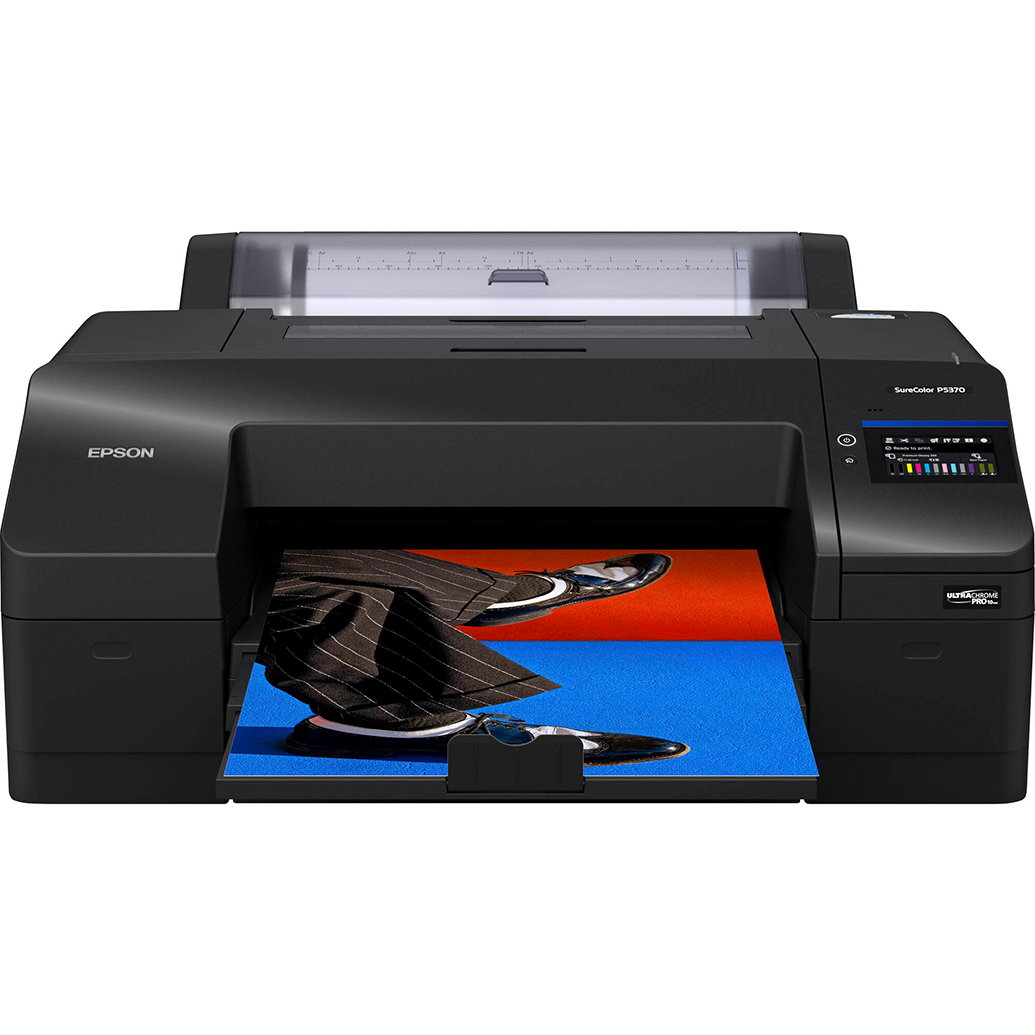
When it’s time to make prints, a color-managed workflow on a capable printer ensures skin tones look natural on paper.

Availability and Price
Portra 400 remains the most sought-after portrait stock with broad availability, though demand can cause periodic shortages. Portra 160 is slightly less in-demand but similarly premium. CineStill 400D is widely available and often stocked in 35mm. Kodak Gold 200 is typically the most affordable pick here. Lomo 800 is reasonably available and priced between consumer and pro stocks.
Creative Looks and Best Uses
- Natural and timeless: Portra 400 or Portra 160
- Bold and editorial: CineStill 400D (embrace halation, push for drama)
- Sunny nostalgia: Kodak Gold 200
- Ambient night portraits: Lomo 800
Our Pick
Why: The most reliable mix of flattering skin tones, forgiving latitude, and pushability for real-world portrait conditions. It adapts to changing light without sacrificing the natural look clients love.
Final Thoughts
Whether you favor Portra’s polished neutrality, CineStill 400D’s editorial pop, or Gold 200’s nostalgia, the best portrait stock is the one that matches your light and style. Visit Unique Photo for film, education, and lab-friendly gear to complete your portrait workflow—from classes and lighting to scanning and printing tools.