Developing Your Own Film at Home: B&W Starter Path vs. Color RA‑4 Print Path
If you’re ready to take control of your analog workflow, two popular at‑home paths stand out: learning to develop your own black‑and‑white film, or going deeper into a color darkroom print workflow using RA‑4 photographic paper. Both deliver rewarding, hands‑on results—but they differ in equipment needs, chemistry, complexity, and costs. Below, we compare these approaches so you can choose the right place to start—and build the best kit for your space and goals.

Quick Specs Comparison
| B&W Home Developing (Film) | Color RA‑4 Printing at Home (Paper) |
|---|---|
| Best first step for learning analog processing; minimal space and gear. | Advanced path for making color prints; requires darkroom workflow and tight temperature control. |
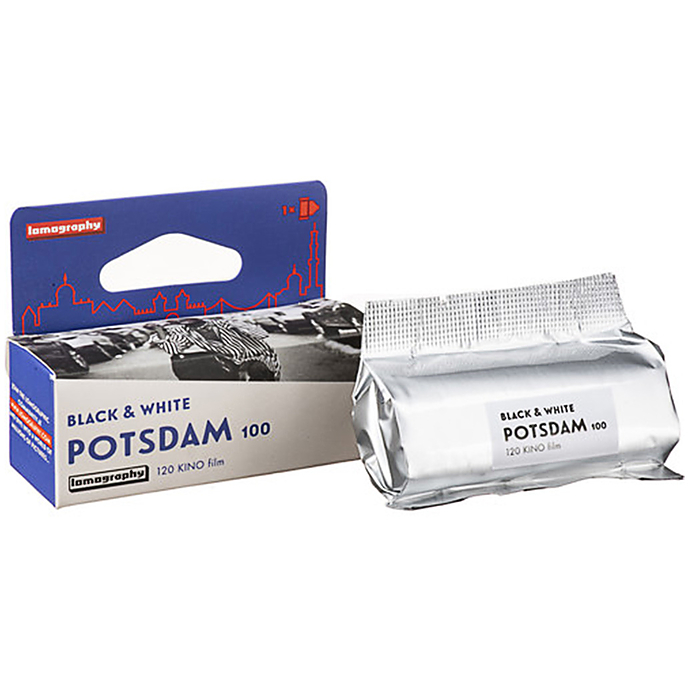
| Example product to shoot and process: Lomography Potsdam Kino 120 ISO 100 (B&W). | Example media and chemistry: Fujifilm Digital Pro Glossy RA‑4 paper + RA‑4 chemistry (e.g., Fujifilm Digital RA PRO systems). |
| Chemistry: B&W developer + stop/rinse + fixer + optional wetting agent. | Chemistry: RA‑4 color developer + bleach‑fix; often run at 35°C in drums or processors. |
| Temperature tolerance: forgiving (around 20°C/68°F; ±1°C manageable). | Temperature tolerance: strict (typically ~35°C/95°F; ±0.3°C recommended). |
| Hardware: daylight tank, reels, thermometer, graduates, timer, changing bag. | Hardware: enlarger or exposure system, drums/processor, safelight, paper handling tools. |
| Learning curve: low to medium; consistent results with basic technique. | Learning curve: medium to high; dialing color balance and process control takes practice. |
| Space: small bathroom or kitchen sink works. | Space: dedicated darkroom or tightly controlled workspace preferred. |
| Throughput: 1–2 rolls per run with common tanks. | Throughput: multiple prints per session; chemistry mixed in larger volumes. |
| Ongoing costs: moderate; chemistry shelf life reasonable if stored well. | Ongoing costs: higher; color chemicals and paper benefit from frequent use. |
Category-by-Category Analysis
Cost of Entry
B&W home developing wins for value. A daylight tank, reels, a thermometer, and a few graduates are affordable and compact. Chemistry sets for B&W are widely available in small bottles or powder kits—ideal for learning and occasional use.
RA‑4 paper printing requires more: an enlarger (or exposure system), light‑tight workspace, drums or a print processor, and color chemicals. Paper is typically bought in boxes or rolls; to maximize value, you’ll want to print regularly.
Equipment Footprint and Setup
For B&W film, you can load film in a changing bag and do all wet steps at a sink. It’s beginner‑friendly and apartment‑safe.
For RA‑4 printing, you’ll need strict light control for handling paper and a reliable method to keep chemistry near 35°C (95°F). Drums and water‑bath setups can work in small spaces, but the workflow is more involved.
Chemistry: Handling and Sourcing
B&W chemistry is straightforward and forgiving. Choose a general‑purpose developer, a stop (or water rinse), a rapid fixer, and a wetting agent for clean drying. Store in full, well‑labeled, light‑proof bottles and follow disposal guidelines.
RA‑4 chemistry is optimized for color paper. Fujifilm’s Digital RA PRO line is a professional standard. Note that pro‑lab replenisher components—such as Fujifilm Digital RA PRO Developer/Replenisher Part B (200L)—are designed for high‑throughput minilabs; the volume is overkill for most home users. If you pursue RA‑4 at home, seek smaller‑volume RA‑4 kits where available, and keep tight control over mixing, temperature, and storage.
Temperature Control and Consistency
B&W film development is forgiving: most recipes target ~20°C/68°F, and small variations are manageable by adjusting times.
RA‑4 printing is much stricter: aim for ~35°C with minimal drift. Plan for a water bath, accurate thermometer, and consistent agitation to hold process control.
Results and Creative Control
Developing your own B&W film gives immediate creative control over contrast, grain, and tonality via developer choice and time/temperature. It’s the fastest route to consistent negatives ready for scanning or printing.
RA‑4 color prints let you produce beautiful, archival‑quality color output in‑house. Expect a learning curve for filtration and exposure, but the color and finish—like Fujifilm Digital Pro Glossy—are excellent once dialed in.
Scalability and Throughput
B&W film processing scales from a single roll to small batches easily. Chemistry shelf life can be good with proper storage and minimal air space.
RA‑4 printing shines when you run sessions with multiple prints. Mixed chemistry prefers frequent use; plan print days to keep quality consistent and reduce waste.
Recommended Starter Picks From This Comparison
- Shoot and learn with a forgiving B&W stock: Lomography Potsdam Kino 120 ISO 100—classic, fine‑grained negatives that are easy to process and scan.
- When you’re ready to explore color prints, choose a reliable paper like Fujifilm Digital Pro Glossy and pair it with RA‑4 chemistry sized appropriately for home use. Reserve high‑capacity, pro‑lab replenisher components (e.g., Fujifilm Digital RA PRO Part B 200L) for high‑volume setups.
Conclusion
Whether you begin with B&W developing or dive into color RA‑4 printing, the at‑home darkroom is an incredibly rewarding extension of your photography. Unique Photo stocks the film, papers, and chemistry to support both paths—as well as the guidance to help you choose the right gear for your space and experience level. Visit or contact us to get your kit dialed in.