Beginner’s Tips: Choosing Your First Camera Under $1000 — DSLR vs. Mirrorless
Ready to buy your first interchangeable-lens camera but not sure whether to go DSLR or mirrorless? Under $1000, both systems can deliver fantastic photos and video. Use these quick, practical tips to decide what fits your style now—and still gives you room to grow.
DSLR vs. Mirrorless: The quick differences
- Viewfinder: DSLRs use an optical viewfinder (OVF) with zero lag; mirrorless cameras use an electronic viewfinder (EVF) that previews exposure, white balance, and effects.
- Autofocus & video: Mirrorless models typically lead in subject tracking and 4K video features at this price.
- Battery life: DSLRs often last longer per charge; mirrorless are improving but still benefit from spare batteries.
- Size & weight: Mirrorless bodies and many lenses are smaller and lighter—great for everyday carry.
- Lenses: Both have strong ecosystems. Mirrorless mounts are growing fast; DSLRs benefit from a deep used market.
10 tips to pick the right first camera under $1000
1) Start with your subjects
List what you’ll shoot 80% of the time. Family and travel? Lightweight mirrorless kits shine. Sports or wildlife? Rapid autofocus and burst speed matter. Landscapes and portraits? Image quality and lens options take priority. Your use case will quickly point you toward the right body and first lens.
2) Try the viewfinder experience
If you like seeing the real scene without electronic artifacts, a DSLR’s OVF is wonderfully natural. If you prefer seeing exposure and color previewed live, an EVF on a mirrorless camera can shorten the learning curve—especially for beginners dialing in manual settings.
3) Prioritize autofocus and tracking
For moving subjects, modern mirrorless systems generally offer more advanced eye/face detection and subject tracking in this price range. If you focus on slower subjects, entry-level DSLRs still deliver reliable AF and comfortable handling.
4) Budget for lenses from day one
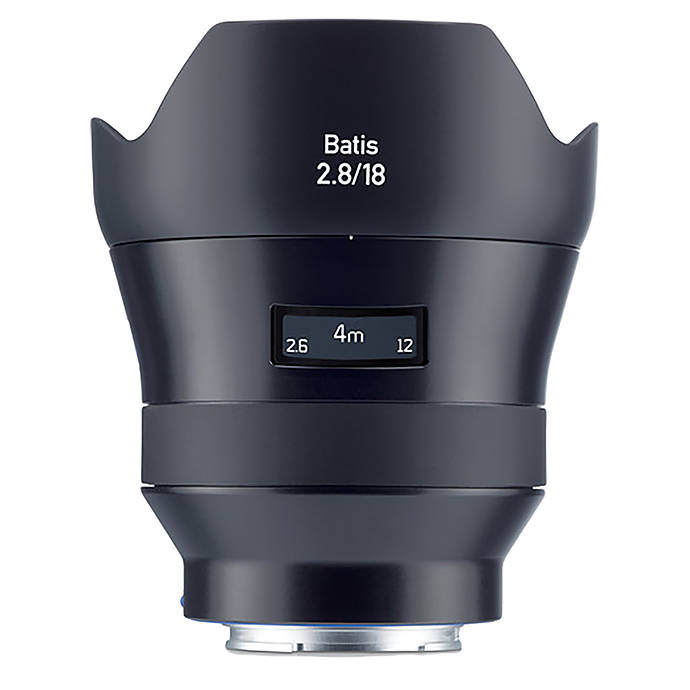
Your lens matters as much as the body. Research the lens roadmap for your chosen mount and price tiers you can grow into. For example, if you pick a Sony E-mount mirrorless path now, there are excellent future upgrades like the Zeiss Batis 18mm f/2.8 for expansive landscapes and architecture. It’s a premium option you can work toward as skills and budget grow.
Even if your first purchase is a compact zoom, make sure the system has the primes and zooms you’ll want later so you don’t outgrow your kit too fast.
5) Keep the kit light and comfortable
The lighter and more comfortable your setup, the more you’ll actually carry it. A slim, grippy strap helps a small mirrorless stay ready without neck strain—something like the PGYTECH Camera Strap Slim (Vintage Olive Green) is a simple upgrade that makes daily shooting easier.
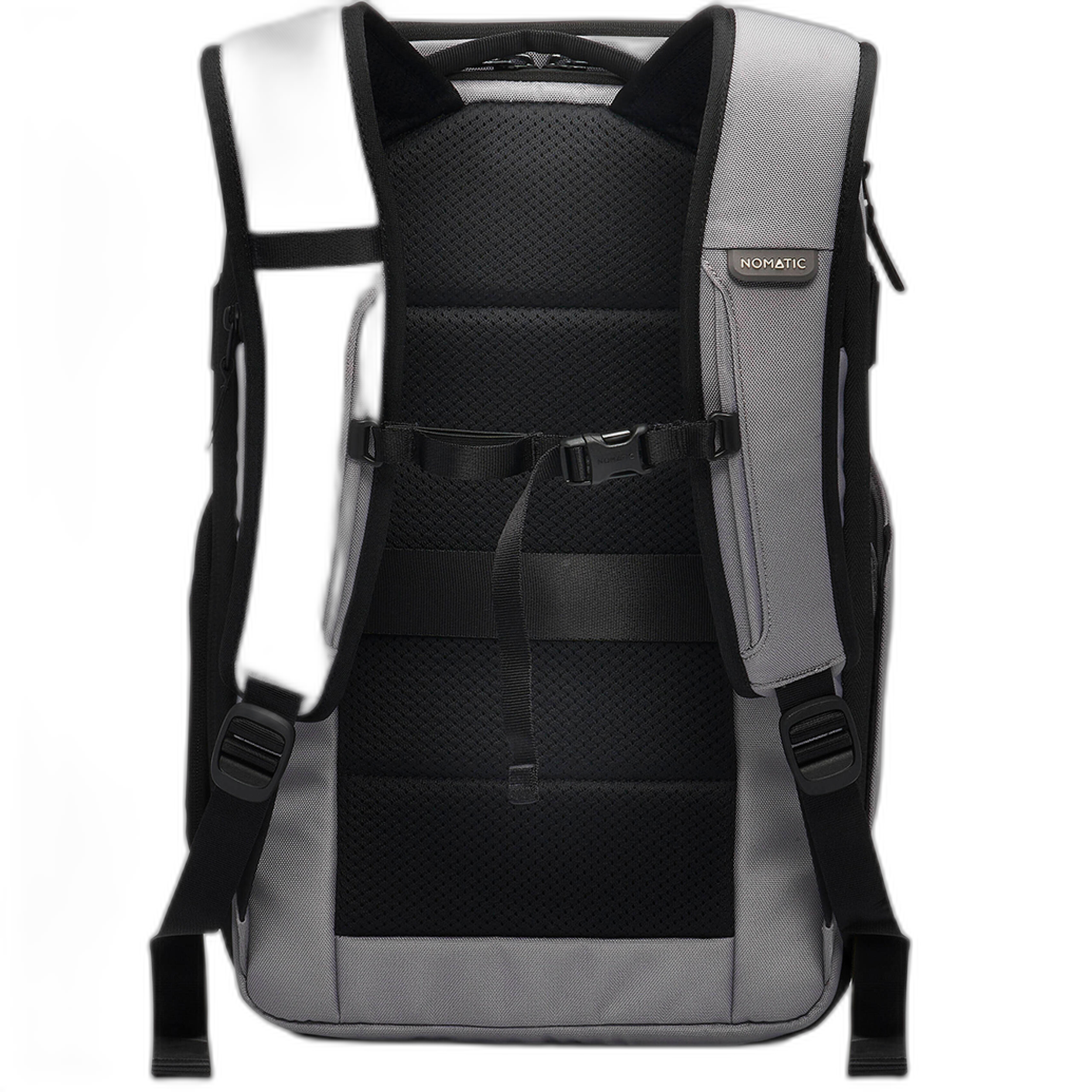
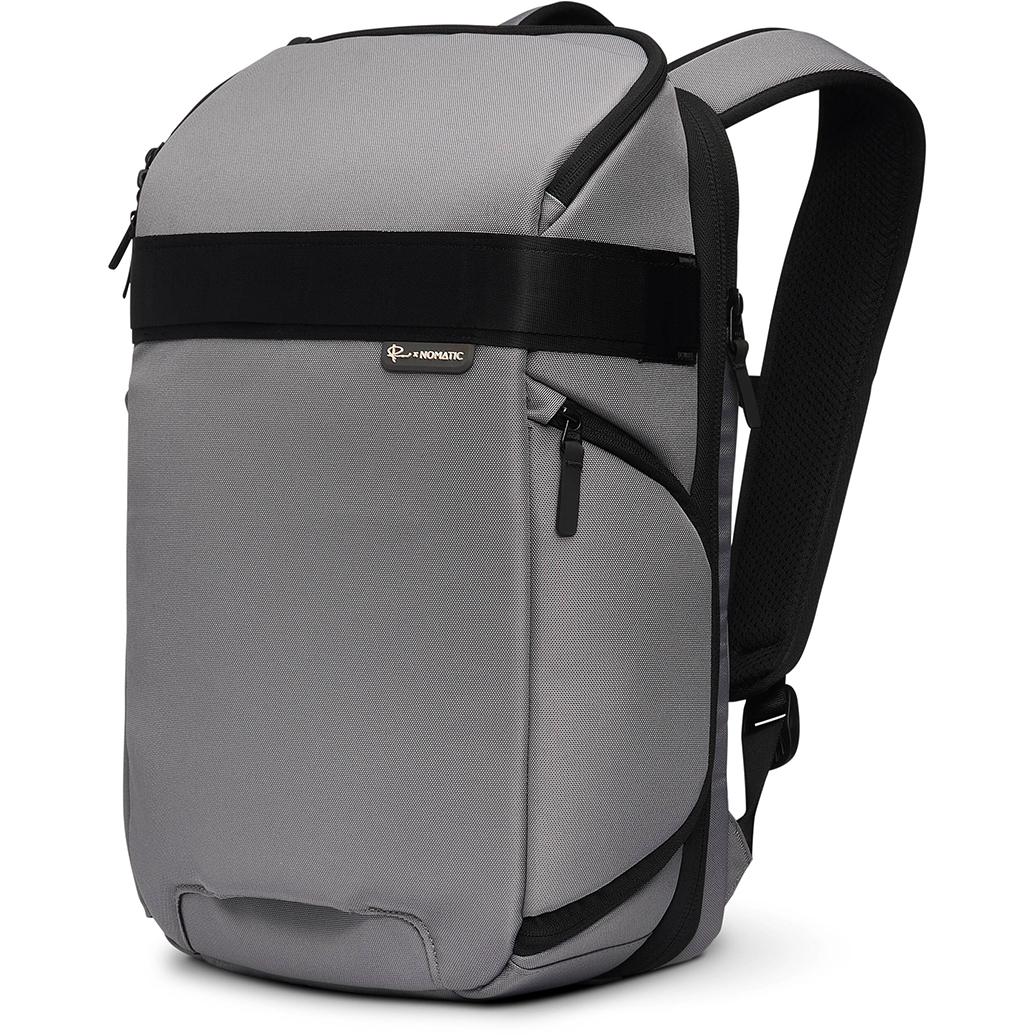
Pair your new camera with a compact backpack that protects, organizes, and doesn’t scream “camera bag.” The Nomatic Luma Camera Pack 18L – Stone offers clean styling, modular storage, and quick access for city walks or day hikes.
6) Decide how much you’ll use video
If you want to vlog, record family events, or make short films, many sub-$1000 mirrorless bodies offer 4K, better continuous AF in video, and useful tools like focus peaking and clean HDMI. If video isn’t a priority and you value battery life plus a traditional feel, a DSLR kit may be the simpler, more affordable choice.
7) Test ergonomics and menus
Comfort matters. A camera that feels right in your hand with an intuitive menu will help you learn faster. If possible, visit a store to test grip, button placement, and the viewfinder. Look for a mode dial you understand at a glance, a tilting screen if you shoot at low angles, and a clean menu structure.
8) Consider battery life and spares
Mirrorless cameras typically need more batteries for a full day. Factor the cost of one or two spares into your budget. Also plan for a reliable bag and cable organization so you don’t lose track of batteries and cards when you’re on the go.
9) Leverage the used market (smartly)
Used gear can stretch your budget—especially DSLR bodies and lenses. Check shutter count, cosmetic condition, and return policies. If you’re curious about different shooting experiences later, creative film options like a used Polaroid SX-70 can complement your digital kit with a fun, tactile process.
10) Build the total kit price—not just the body
Compare complete setups: body + kit lens + memory card(s) + extra battery + strap + bag. A mirrorless kit with a compact zoom might come in under $1000 but leave less room for accessories, while a DSLR kit might include a longer zoom and better battery life for the same spend. Choose the package that gets you shooting happily on day one.
Final thought
There’s no wrong answer—only the best fit for how you shoot. Whether you lean DSLR or mirrorless, keep your subjects, lens roadmap, and comfort front and center. When you’re ready, visit Unique Photo online or in-store for hands-on advice, thoughtfully curated accessories like the PGYTECH strap and Nomatic Luma pack, and a robust selection of new and used gear to match your budget.