Must‑Have Lenses for Portrait and Landscape Photography
Whether you love isolating a subject with creamy bokeh or capturing sweeping vistas with edge-to-edge sharpness, the right lens does more than frame a scene—it shapes your story. Below are practical, real‑world picks and tips to help you build a lens kit that excels for both portraits and landscapes, plus learning resources from Unique Photo to sharpen your technique.

Essential Lens Picks and How to Use Them
1. Fast 50mm prime for natural‑looking portraits
A 50mm f/1.4–f/1.8 (or 55mm) delivers a classic field of view with beautiful background blur for portraits and environmental scenes. It’s small, sharp, and brilliant in low light. If you’re narrowing down brand‑specific options, explore systems and focal length nuances with resources like Canon Lenses: Finding the Right Lens for You to match features, budgets, and mounts.
2. 85–105mm portrait prime for flattering compression
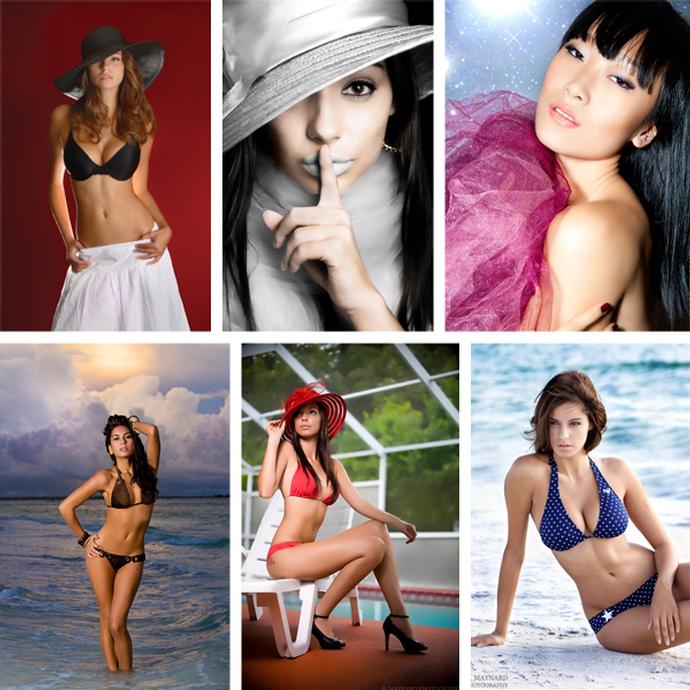
An 85mm, 90mm, or 105mm prime is a portrait staple—offering flattering facial compression and fast apertures for dreamy bokeh. Practice posing, light placement, and working distances to maximize the look. Workshops such as the Stunning Portraits Workshop with David Maynard and ExpoImaging refine technique so you get more from any portrait prime.
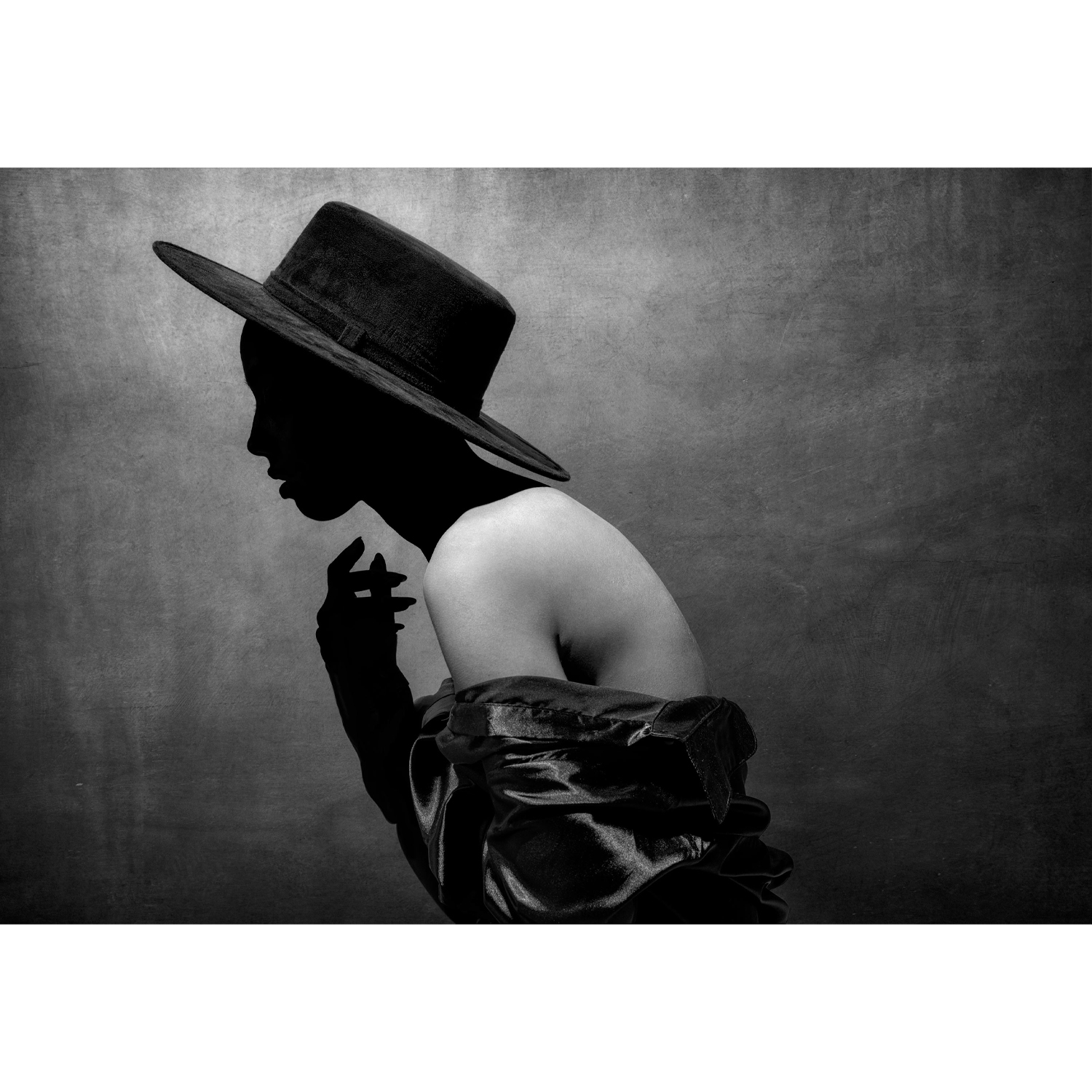
Want to pair the right lens with great light? Learn how to shape light and backgrounds to suit your focal length in Portrait Lighting Made Easy with Joel Grimes (Westcott).
3. 70–200mm f/2.8 for reach and versatility
From headshots at 200mm to candid portraits at 135mm, a 70–200mm f/2.8 is incredibly flexible. It’s also a landscape hero for compressed “telephoto landscapes,” letting you isolate layers, peaks, and patches of light from a distance.
4. 24–70mm f/2.8 as your do‑it‑all workhorse
If you want one lens that can shoot portraits, travel, and landscapes, the 24–70mm f/2.8 is it. At 24–35mm you can frame foregrounds and leading lines; at 50–70mm, capture environmental portraits with natural perspective—without swapping lenses in changing conditions.
5. Ultra‑wide 14–24mm or 16–35mm for epic vistas
Ultra‑wide zooms exaggerate depth and scale—perfect for dramatic skies and foreground interest. Keep the horizon level and place strong foreground elements (rocks, flowers, textures) within a foot or two of the lens for impactful depth. To hone composition and fieldcraft, join a hands‑on outing like Macro and Landscape Photography at Duke Farms with Michael Downey.

6. 24mm prime or tilt‑shift for clean lines
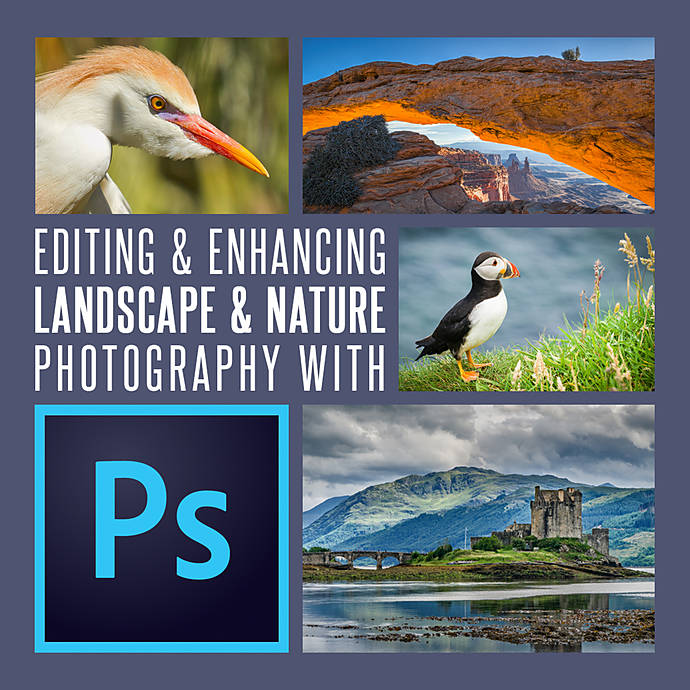
A sharp 24mm prime is superb for landscapes and cityscapes. If you photograph architecture or want refined perspective control, consider a tilt‑shift. Don’t have one? You can correct perspective in post; classes like Editing and Enhancing Landscape and Nature Photography with Photoshop cover workflows that keep edges clean and natural.
7. 100mm macro for detail and the “tele‑landscape”
A 90–105mm macro does double duty—crisp product/close‑ups and compressed landscape fragments (think abstract patterns, tree bark, lichen, or a distant ridge). Stabilize with a tripod and use live view magnification for tack‑sharp results. Strengthen your close‑up and precision techniques with Product Photography and Post Production Editing with Blake Taylor.

8. Match lens quality to your camera’s resolution
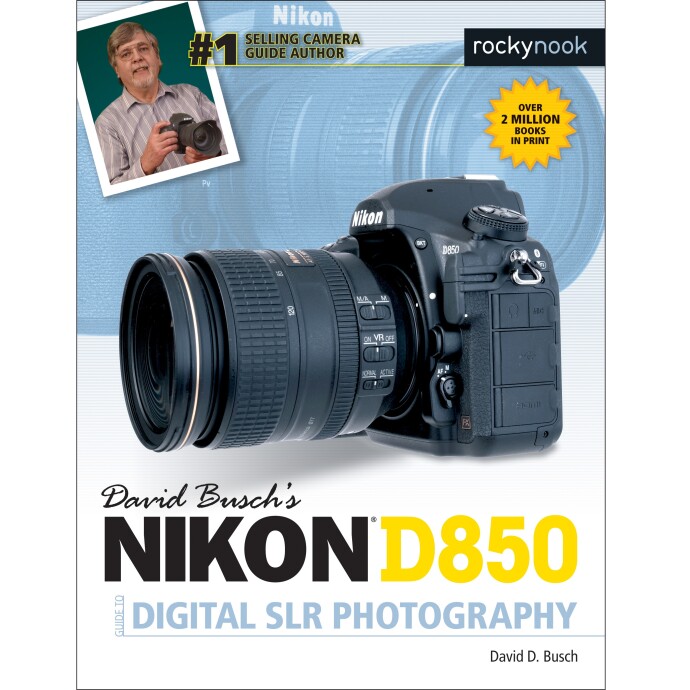
High‑resolution bodies demand high‑performing glass, especially at the edges. Stopping down to the lens’s sweet spot (often f/4–f/8) preserves detail without introducing diffraction. If you’re a Nikon shooter, the Nikon D850 Guide to Digital SLR Photography by David Busch is a solid companion for optimizing lenses and settings.
9. Think beyond daylight: lenses for nightscapes
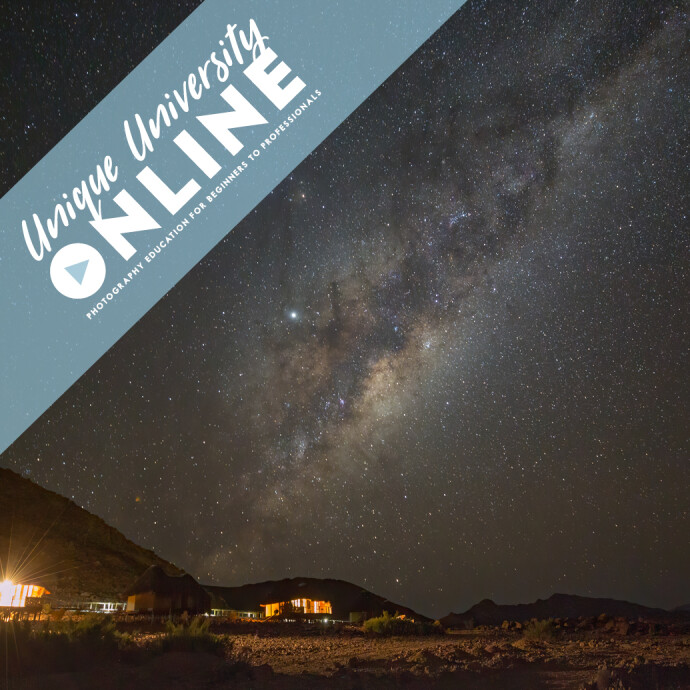
For astrophotography and blue‑hour cityscapes, a fast wide‑angle (e.g., 14–24mm f/2.8 or a 20mm f/1.8) gathers more light and reduces star trails at lower ISOs. Learn capture and processing fundamentals in UUOnline: Astrophotography 4‑Part Series with Temu Nana (Session 2) and apply them to your landscape kit.
Bring it all together
Start with a fast prime (50mm or 85mm) for portraits, add a 24–70mm for versatility, then round out your landscape kit with an ultra‑wide and a 70–200mm. A macro unlocks close‑ups and compressed scenes. As you refine your style, lean on learning resources and workshops at Unique Photo to make smarter lens choices and master technique. Ready to build your kit? Visit Unique Photo online or in store, explore our classes, and get expert guidance tailored to you.