Intro
Loading medium format film can feel intimidating for beginners because every frame matters. Unlike 35mm, 120 film gives you fewer exposures per roll, so a bad start, loose spool, or misaligned backing paper can cost real images. In this comparison, we’re looking at how different medium format camera styles affect the loading experience: classic waist-level film systems like the Used Hasselblad 503CXi, folding rangefinder designs like the Used Fuji GF670, twin-lens reflex options such as the Used Rolleiflex 3.5F and Used Accuraflex TLR, and modular 645 film bodies like the Used Contax 645. For perspective, we’re also comparing them against digital medium format options like the Hasselblad H6D-100c and Hasselblad H6D-400c MS, which eliminate film loading entirely.
If your goal is to learn medium format without wasting exposures, the best camera is often the one with the most beginner-friendly loading path, clear frame spacing, and least confusing film transport.
Side-by-Side Comparison
| Camera | Type | Film or Digital | Loading Complexity | Beginner Risk of Wasted Frames | Best For |
|---|---|---|---|---|---|
| Used Fuji GF670 Medium Format Film Rangefinder | Folding rangefinder | 120 film | Moderate | Medium | Portable medium format shooters |
| Used Rolleiflex 3.5F Medium Format TLR | TLR | 120 film | Easy to Moderate | Low to Medium | Beginners wanting a classic film experience |
| Used Accuraflex Medium Formtat Film TLR | TLR | 120 film | Moderate | Medium | Budget-minded learners |
| Used Hasselblad 503CXi Medium Format Camera | Modular SLR | 120 film | Moderate to Advanced | Medium to High | Users wanting interchangeable backs |
| Used Contax 645 Body Only | 645 modular SLR | 120 film | Moderate | Medium | Beginners stepping into 645 systems |
| Used Contax 645 w/ 80mm and 2 Film Backs | 645 modular SLR | 120 film | Moderate | Medium | Shooters wanting flexibility with spare backs |
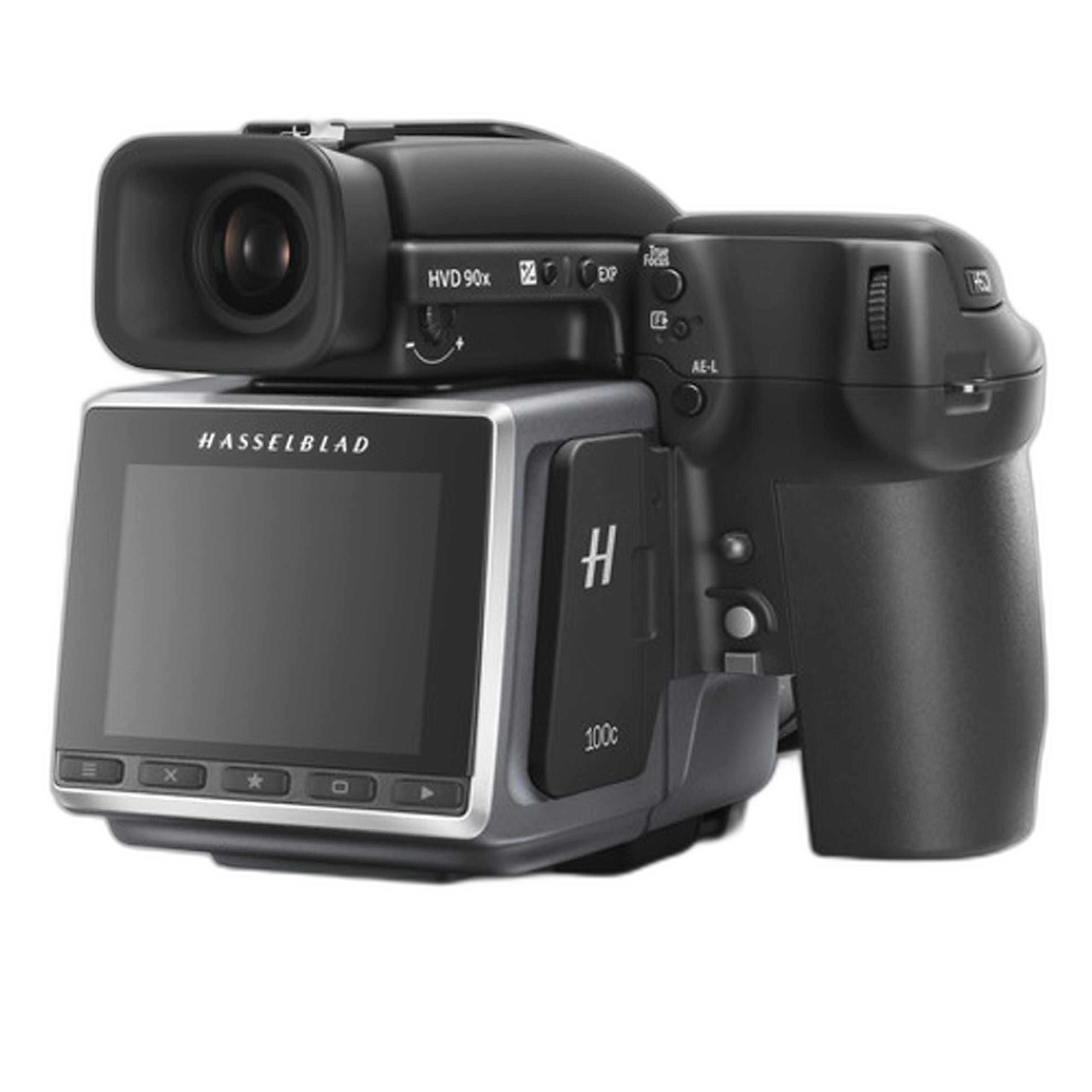
| Hasselblad H6D-100c | Medium format DSLR | Digital | None | None from film loading | Users avoiding film workflow entirely |
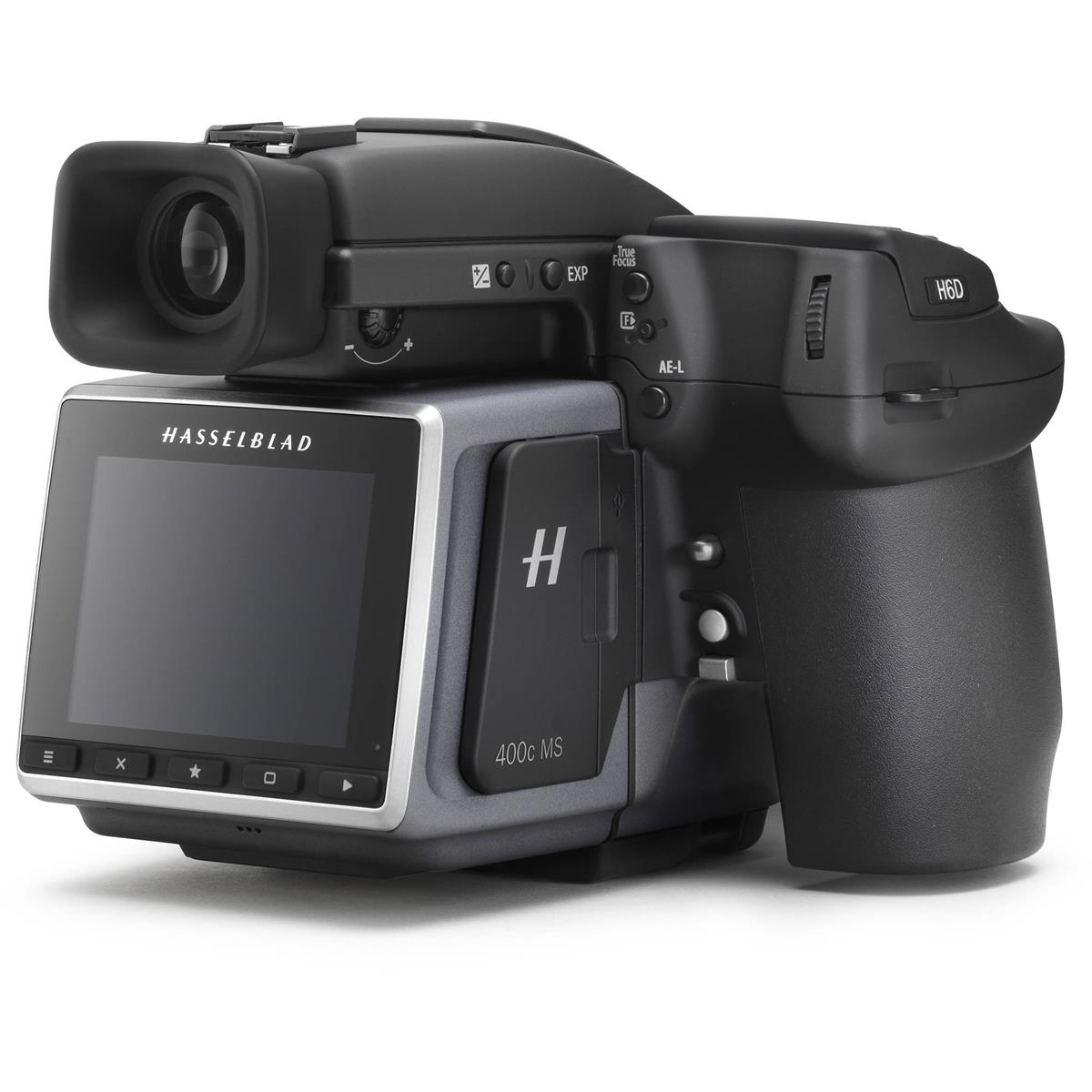
| Hasselblad H6D-400c MS | Medium format DSLR | Digital | None | None from film loading | Studio and ultra-high-resolution work |
What Actually Causes Wasted Exposures?
Before comparing camera types, it helps to understand the most common beginner mistakes with 120 film:
- Not tightening the film enough before closing the camera
- Failing to line up the backing paper start marks correctly
- Using the wrong take-up spool position
- Closing the camera before confirming proper spool engagement
- Advancing too far at the start
- Opening the back too early at the end of the roll
Some cameras make these mistakes easier to avoid than others. That’s why camera design matters so much for first-time medium format users.
Comparing Camera Styles for Beginners
TLR Cameras: Rolleiflex 3.5F vs Accuraflex
Twin-lens reflex cameras are often surprisingly approachable for learning 120 film. The film path is usually straightforward, and once you understand where the feed spool and take-up spool go, the process becomes repeatable. Between the two, the Used Rolleiflex 3.5F is generally the more confidence-inspiring beginner option because Rolleiflex cameras are known for smoother transport and more refined handling. That can help reduce loading errors and frame spacing issues.
The Used Accuraflex Medium Formtat Film TLR can still be a useful learning tool, especially for budget-conscious shooters, but lower-end or older TLRs may require more care to ensure proper tension and alignment. For beginners, that means a little more risk of losing a frame at the start if the roll is not seated neatly.
Beginner tip: With a TLR, always keep gentle tension on the fresh roll as you wind the leader onto the take-up spool. That helps prevent slack, which is one of the fastest ways to waste exposures.
Folding Rangefinder: Fuji GF670
The Used Fuji GF670 Medium Format Film Rangefinder offers a more modern medium format shooting experience than many vintage cameras, but loading still requires attention. Because this style prioritizes compactness and portability, beginners should be careful not to rush. Make sure the film leader is securely inserted, the start marks are aligned exactly, and the advance feels consistent before closing up.
The advantage of the GF670 is that once loaded properly, it can be a very rewarding and portable system. The disadvantage for a first-timer is that it is less visually obvious than some waist-level designs when something is slightly off during loading.
Beginner tip: Load your first few rolls in bright, even light at a table rather than out in the field. Medium format rewards patience.
Modular Film Systems: Hasselblad 503CXi vs Contax 645
Modular medium format cameras are powerful, but they add another layer of complexity because backs, inserts, and body components all have to work together correctly. The Used Hasselblad 503CXi is a legendary camera, but for absolute beginners, a modular back system can increase the chance of wasted frames if the insert is not seated correctly or if film start alignment is missed.
The Used Contax 645, whether body-only or in the kit with the 80mm lens and two film backs, can be more approachable for some users coming from 35mm SLR cameras. Its form factor feels more familiar, but beginners still need to pay attention when loading backs and confirming that the film is advancing as expected.
If you are learning, the biggest advantage of the Contax 645 kit with 2 film backs is flexibility: one back can be loaded and practiced with before heading out, and a second back gives you a backup if something doesn’t seem right. The downside is that more accessories can also mean more room for user error if you’re unfamiliar with the system.
Beginner tip: On modular systems, double-check three things before shooting frame one: the insert is locked properly, the dark slide workflow is understood, and the frame counter is advancing normally.
Digital Medium Format as the No-Waste Alternative
If your real concern is avoiding wasted exposures altogether, digital medium format changes the conversation. The Hasselblad H6D-100c and Hasselblad H6D-400c MS remove the entire film-loading variable. There’s no backing paper, no take-up spool, no start marks, and no lost first frame because of improper tension. For photographers who want medium format image quality without the learning curve of film handling, digital is the easiest route.
Of course, that’s a different experience philosophically and financially. If your goal is specifically to learn film, digital won’t teach loading technique. But as a comparison point, it makes clear how much of medium format film success depends on disciplined handling before you even take the first picture.
Best Beginner Practices No Matter Which Film Camera You Choose
1. Watch the start marks carefully
Most wasted exposures happen right at the beginning of the roll. Align the paper start arrows or marks exactly where the camera indicates. Close enough is often not good enough.
2. Keep tension on the roll
Loose backing paper can lead to frame spacing problems and light leaks. Use light finger tension while winding onto the take-up spool.
3. Confirm take-up spool engagement
If the spool isn’t catching properly, you may think you’re advancing film when you’re really not. After inserting the leader, wind enough to make sure it is pulling securely.
4. Don’t rush frame one
The first frame is the one most likely to be lost. Slow down during loading, especially on unfamiliar cameras.
5. Practice with an expired roll first
For your first attempt, use a cheap or expired roll and rehearse the full loading and unloading process. That is one of the best ways to avoid wasting fresh film.
Our Pick
For most beginners learning how to load medium format film without wasting exposures, our pick is the Used Rolleiflex 3.5F Medium Format TLR. Among the film options compared here, the TLR format offers one of the most understandable loading experiences, and the Rolleiflex name is strongly associated with smoother operation and a more refined user experience than many lower-cost alternatives. It gives beginners a true medium format film workflow without jumping straight into the added complexity of interchangeable backs or modular components.
If you want a more system-oriented camera and are comfortable learning a slightly more involved process, the Used Contax 645 w/ 80mm and 2 Film Backs is a strong next step. If you want to avoid film waste entirely, the Hasselblad H6D-100c is the simplest answer from a loading perspective because there is no film to load.
Conclusion
For beginners, the easiest way to avoid wasting exposures in medium format is to choose a camera with a straightforward loading path, practice with intention, and slow down at the start of every roll. TLR cameras are often the most beginner-friendly, folding and modular film cameras demand a bit more care, and digital medium format removes the issue entirely. If you’re exploring medium format cameras, whether film or digital, Unique Photo is a great place to compare options and find the right fit for your shooting style.