C-41 Home Development: Essential Gear and Time-Saving Tips
Home C-41 processing is one of the fastest ways to take control of your color negative workflow, cut lab turnaround time, and keep more of the creative process in your own hands. For most photographers, the real comparison comes down to which chemistry kit fits your volume, workflow, and comfort level. In this guide, we compare the most relevant C-41 home developing options from Unique Photo, including compact liquid kits, higher-volume chemistry, and a daylight tank option that can help streamline loading and processing.
Whether you are developing an occasional roll at home or trying to process color film more regularly, the right combination of chemistry and gear can save time, reduce waste, and make your results more consistent.
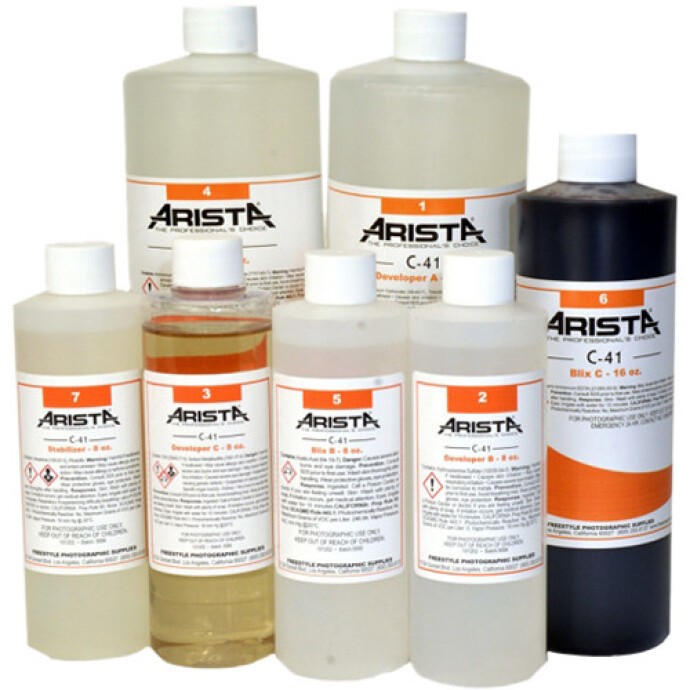
Side-by-Side Specs Comparison
| Product | Type | Capacity | Best For | Key Advantage |
|---|---|---|---|---|
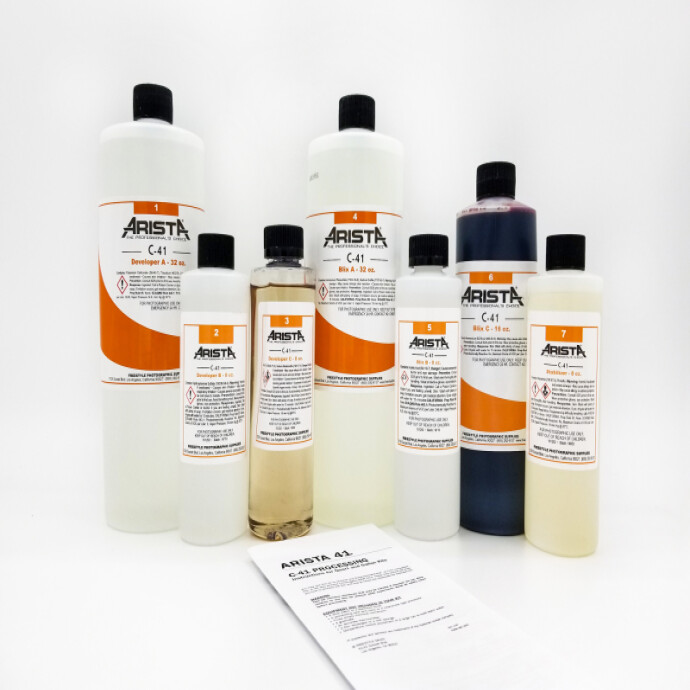
| Arista C-41 Liquid Color Negative Developing Kit (1 Gallon) | Liquid kit | 1 gallon working solution | Frequent home processors | Good balance of volume, convenience, and home darkroom friendliness |
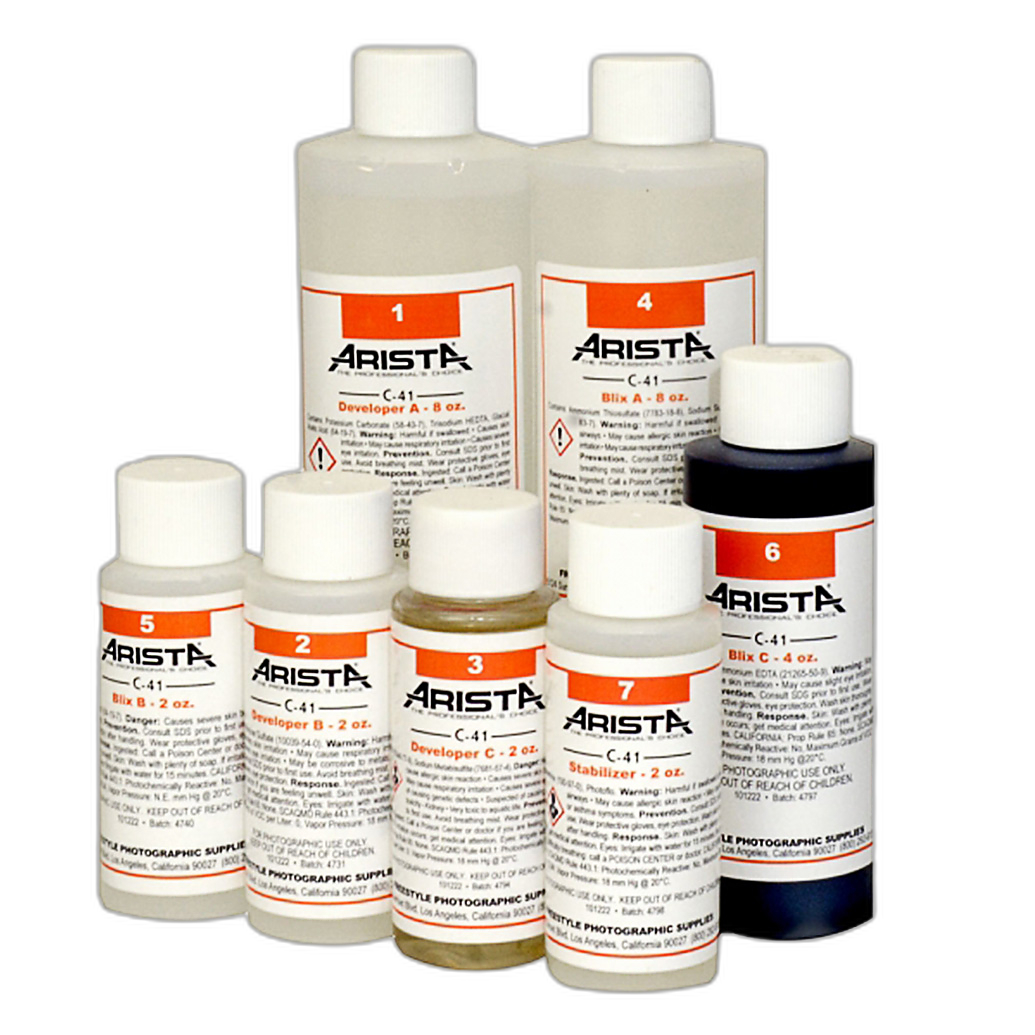
| Arista C-41 Liquid Color Negative Developing Kit - 1 Quart | Liquid kit | 1 quart working solution | Beginners and occasional users | Lower commitment and less chemistry waste |
| Unicolor Powder C-41 Film Negative Processing Kit - 2 Liters | Powder kit | 2 liters | Budget-conscious users | Compact chemistry format for home processing |
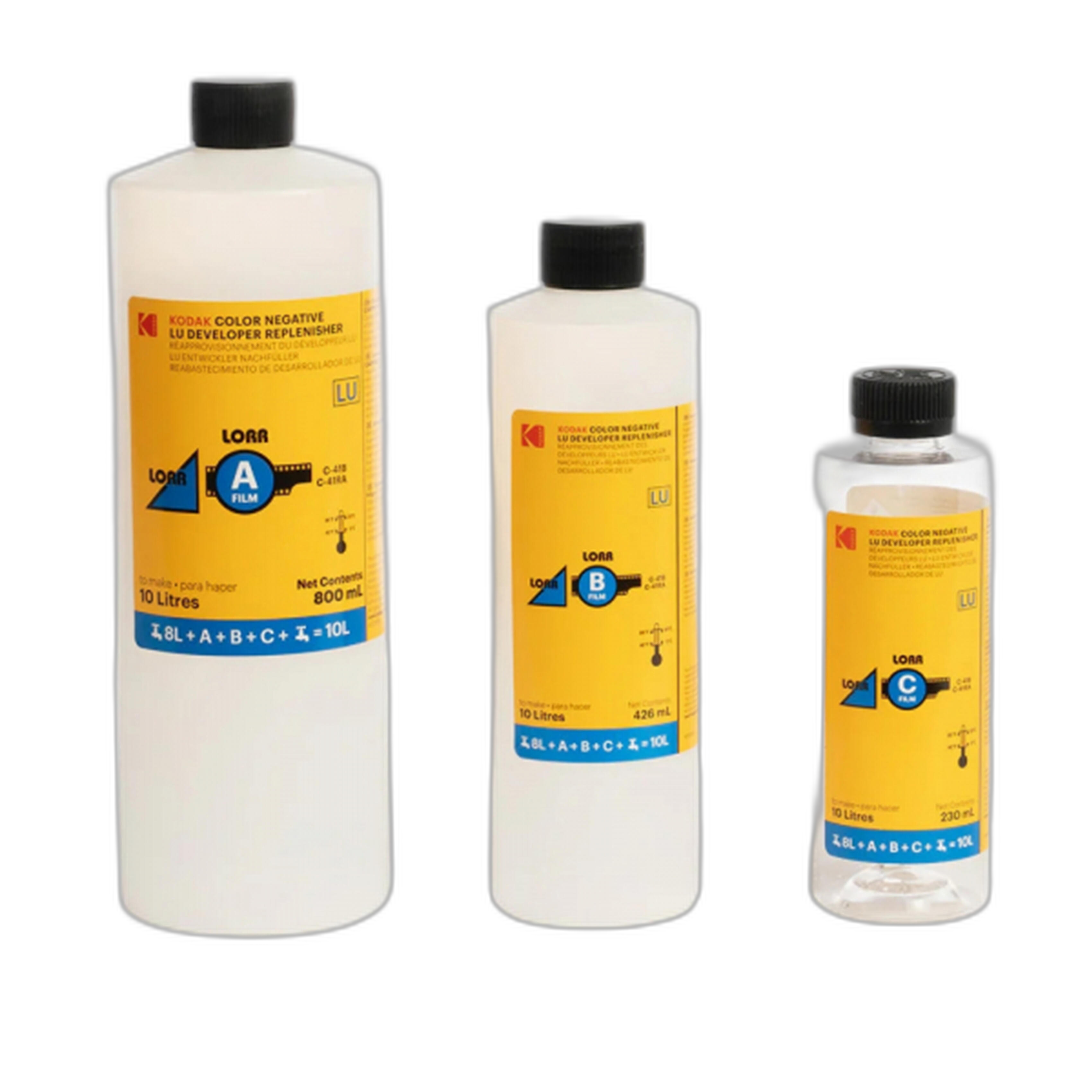
| Kodak FlexiColor C-41 Developer - Makes 10 Liters | Developer component | 10 liters | High-volume users and advanced workflows | Larger-capacity developer for more demanding throughput |
| Fuji C-41 NQ1R Developer/Replenisher TM 2x50L5 | Developer/replenisher | Lab-scale replenisher chemistry | Mini-lab or very high-volume processing | Designed for replenished, production-style workflows |
| Lomography Lomo Daylight Developing Tank 35 mm | Tank/accessory | 35mm daylight processing tool | Faster loading and easier handling | Simplifies film loading without a full darkroom setup |
The Core Comparison: Which C-41 Setup Makes the Most Sense?
For most home users, the main decision is between a ready-to-mix liquid kit, a powder kit, or stepping up to more lab-oriented chemistry. The Arista kits are the most straightforward place to start because they are packaged for home darkroom use. The Unicolor powder kit appeals to users who want a practical, compact option. Kodak FlexiColor and Fuji replenisher chemistry make more sense when your processing volume is high enough to justify the extra complexity.
Best for Beginners
The Arista C-41 Liquid Color Negative Developing Kit - 1 Quart is the easiest recommendation for beginners. A smaller batch size means less up-front chemistry, less pressure to rush through multiple rolls before chemicals age out, and a more approachable starting point for learning C-41 timing and temperature control. If you are only processing a few rolls at a time, this is often the smartest way to begin.
Best All-Around Home Kit
The Arista C-41 Liquid Color Negative Developing Kit (1 Gallon) is the sweet spot for many home processors. It offers more working solution for regular use while still staying firmly in the home darkroom category. If you shoot color film consistently and want a dependable kit size that supports repeat sessions, this version is often the most practical overall choice.
Best for Budget-Minded Processing
The Unicolor Powder C-41 Film Negative Processing Kit - 2 Liters is appealing if you prefer powder chemistry or want another economical route into C-41 processing. Powder kits can be convenient for storage before mixing, and for some users they are a familiar format. The tradeoff is that many photographers find liquid kits a bit simpler and faster to prepare for immediate use.
Best for High-Volume Users
The Kodak FlexiColor C-41 Developer - Makes 10 Liters is aimed at photographers or small operations processing enough film to justify larger quantities of chemistry. It is not as plug-and-play for casual users, but for those building a more advanced workflow, the larger developer volume can be a better fit than small home kits.
Best for Lab-Style Replenishment Workflows
The Fuji C-41 NQ1R Developer/Replenisher is the most specialized option in this comparison. It is best matched to mini-lab environments or very heavy processing schedules where replenishment systems make sense. Most home users will find it excessive, but it belongs in the conversation because it represents the next step beyond standard one-shot or small-batch home chemistry.
Best Time-Saving Accessory
The Lomography Lomo Daylight Developing Tank 35 mm can be a real workflow improvement for photographers who want to reduce setup friction. Anything that makes loading easier and lowers the barrier to developing a roll right away can save time over the long run. If your biggest obstacle is getting started each time, a daylight-friendly tank can make home processing feel much more manageable.
Time-Saving Tips for C-41 Home Development
1. Choose Chemistry That Matches Your Real Processing Volume
One of the biggest mistakes in home C-41 is buying too much chemistry for too little film. If you only shoot a few rolls per month, a smaller kit helps reduce waste. If you process regularly, a larger kit saves you from remixing chemistry too often. Matching chemistry size to your actual shooting habits is the easiest way to save both time and money.
2. Standardize Your Temperature Routine
C-41 is much easier when your temperature control is repeatable. Use the same water bath method every time, pre-warm your bottles, and get your timer setup ready before you load film. Consistency is faster than improvising each session.
3. Pre-Label Bottles and Mix in Advance
If your workflow allows, label all chemistry clearly and keep your storage organized. The less time you spend double-checking which bottle is which, the smoother each session will go. Liquid kits are especially convenient here because they often shorten prep time compared to more involved chemistry setups.
4. Batch Similar Rolls Together
If you are developing several rolls, process them in one planned session instead of one at a time across many days. Batching minimizes setup, cleanup, and temperature management time. It also makes better use of mixed chemistry.
5. Make Loading the Easy Part
For many photographers, loading film is the step that creates the most hesitation. A streamlined tank solution can remove that bottleneck. If a daylight tank helps you develop more often and with less fuss, it is doing more than just adding convenience—it is improving your whole workflow.
Our Pick
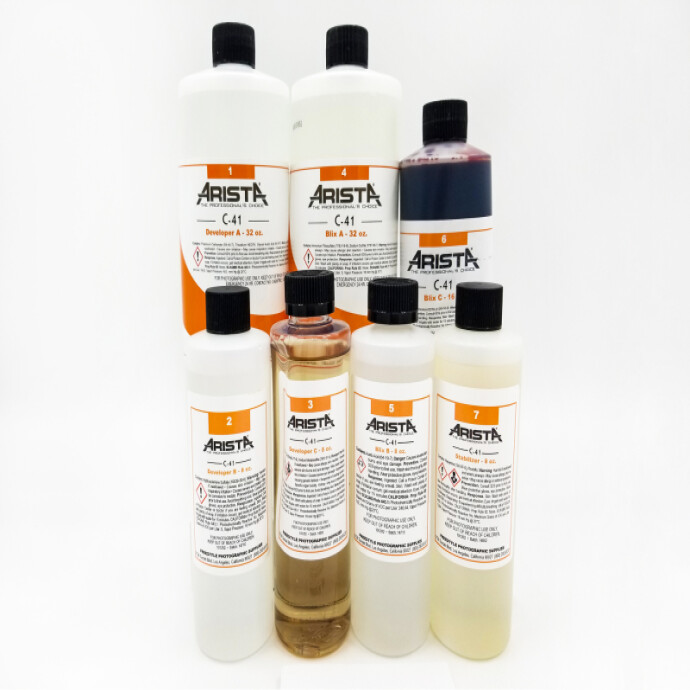
Our Pick: Arista C-41 Liquid Color Negative Developing Kit (1 Gallon)
For the widest range of home users, the Arista 1 Gallon Liquid Kit is the best overall recommendation. It strikes the strongest balance between manageable home use, practical volume, and easier chemistry prep. It is a better long-term fit than the 1 Quart version for regular shooters, while remaining far more approachable for home processing than lab-scale Kodak or Fuji chemistry.
If you are brand new to C-41 and only want to test the waters, the Arista 1 Quart Kit is the better starting point. But for most photographers serious enough to set up a repeatable home color workflow, the 1 Gallon kit is the most versatile buy.
Conclusion
C-41 home development does not have to be complicated. The key is choosing chemistry and gear that fit your actual volume, space, and workflow. Smaller kits make sense for occasional users, larger kits reward frequent processing, and lab chemistry is best reserved for truly high-throughput needs. Add in a tank solution that reduces setup friction, and home color development becomes much easier to maintain.
If you are ready to build or refine your C-41 setup, Unique Photo offers solid options for both first-time home processors and more advanced film shooters looking to save time and stay consistent.