Beginner Mirrorless Camera FAQ 2024: Best Picks Under $1,000
Shopping for your first mirrorless camera can feel overwhelming, especially when you are balancing budget, features, and future lens options. At Unique Photo, we recommend focusing on the kind of photography you want to do most, then choosing a camera system that gives you room to grow without overspending on features you may not need right away.
Below, we answer some of the most common beginner questions about entry-level mirrorless cameras, kit lenses, stabilization, and whether it makes more sense to buy newer bodies or invest more heavily in lenses.
What is the best entry-level mirrorless camera for under $1,000?
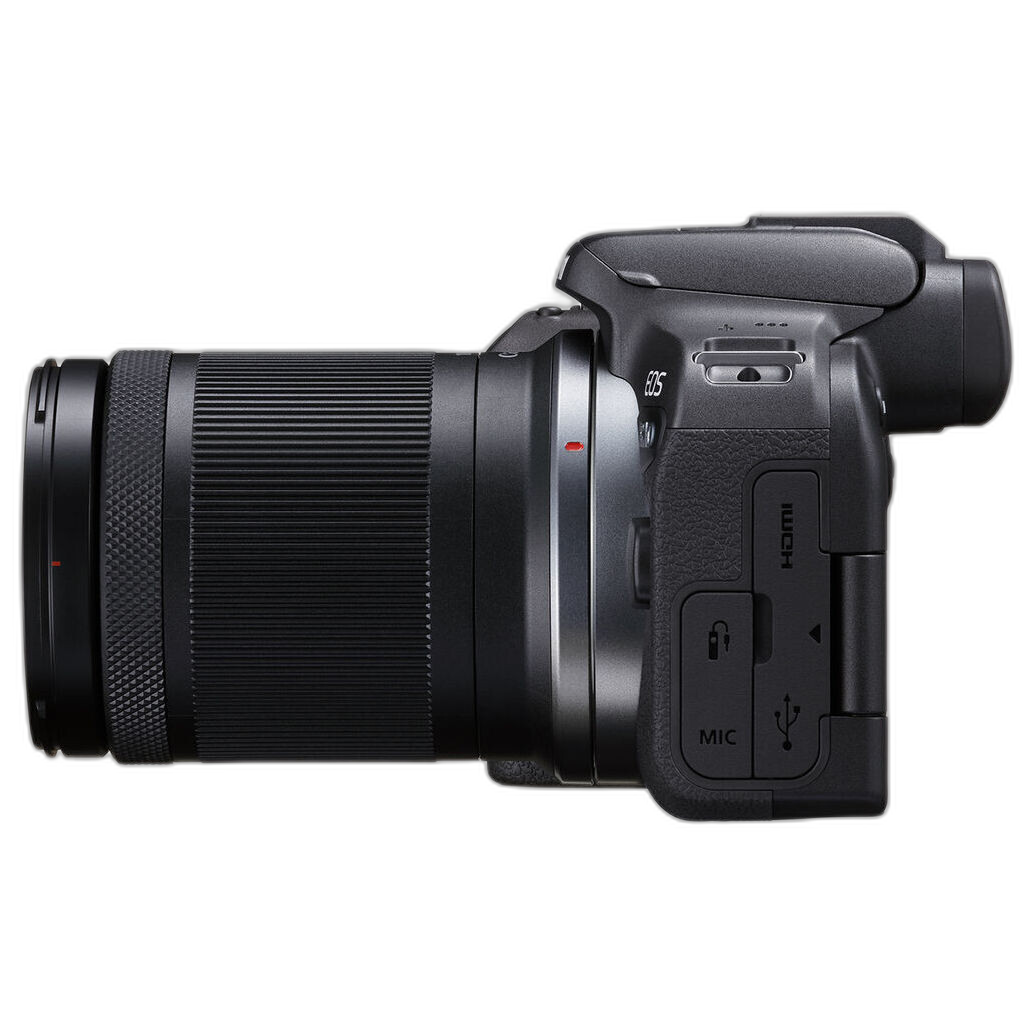
For many beginners, the best value is a camera that combines strong autofocus, simple controls, good image quality, and an included lens so you can start shooting immediately. A standout option is the Canon EOS R10 with 18-45mm lens, which gives first-time users a fast, modern autofocus system and a practical starter zoom in a compact package. It is especially appealing for family photography, travel, and everyday shooting because it is easy to learn but capable enough to grow with you.
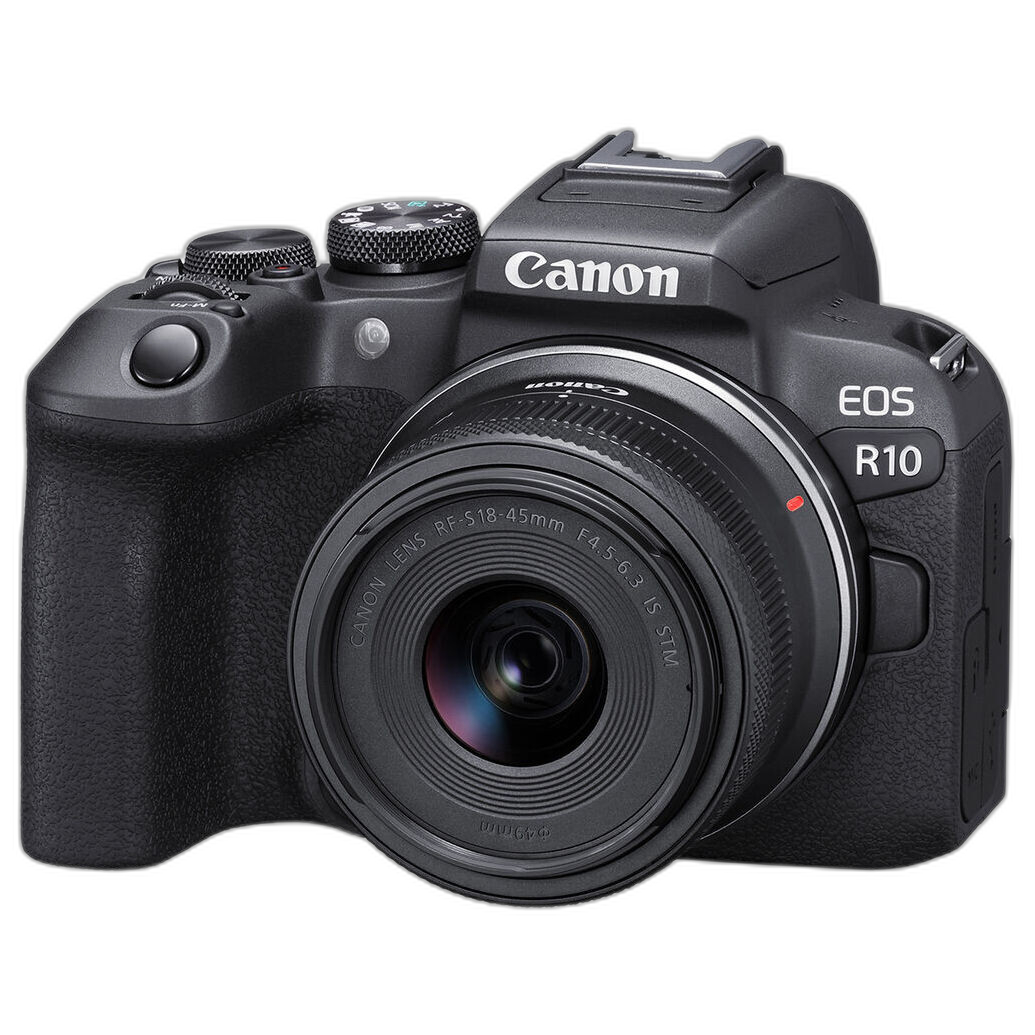
If you want more range from day one, the Canon EOS R10 with 18-150mm lens is an even more flexible beginner-friendly choice. That lens covers wide-angle to telephoto, which means fewer lens changes and more versatility for vacations, portraits, and casual wildlife photography.
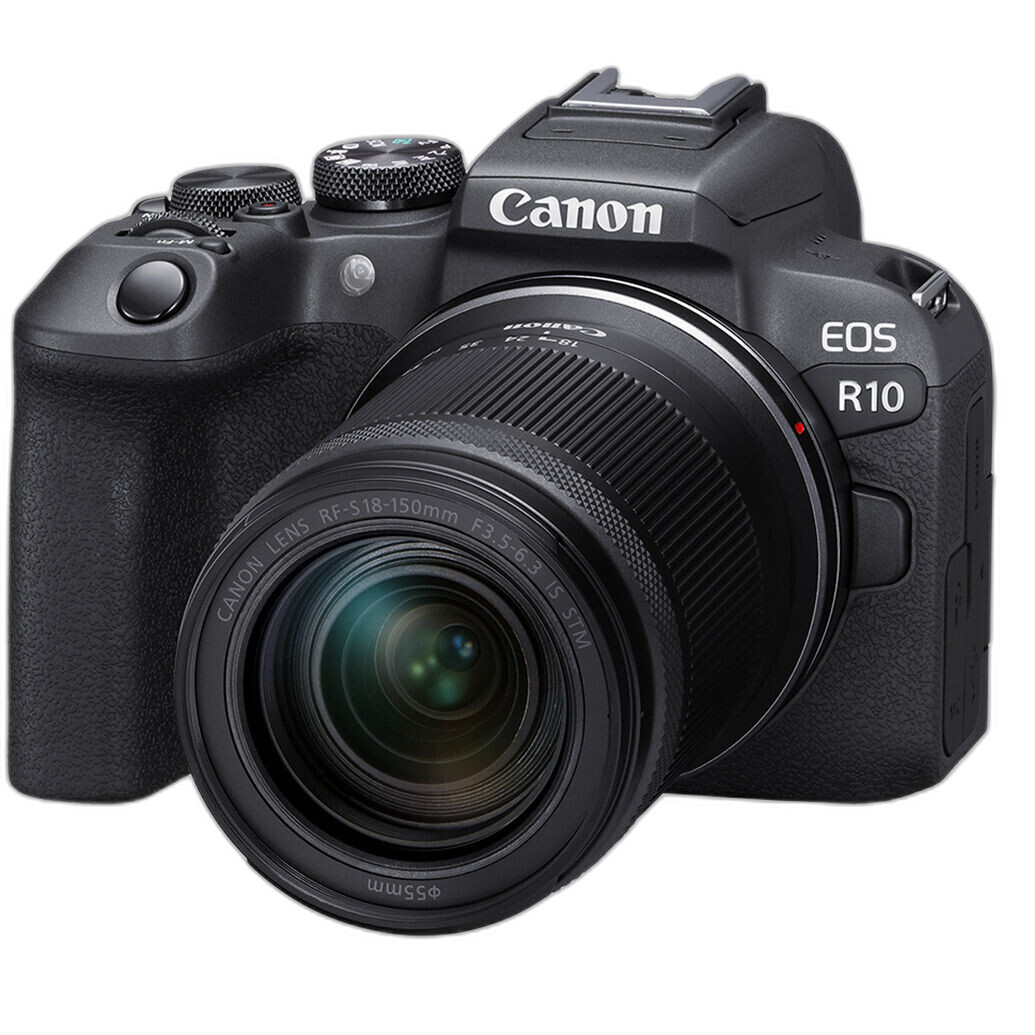
In practical terms, the best camera under $1,000 is often the one that includes the right lens bundle. A strong kit can save you money and help you learn what focal lengths you actually use before investing in specialty glass.
Is IBIS really important for a beginner?
In-body image stabilization, or IBIS, can be helpful, but it is not a must-have for every beginner. If you mainly shoot in daylight, photograph people, travel, or use lenses with optical stabilization, you can absolutely get excellent results without IBIS. Many first-time photographers over-prioritize stabilization when autofocus, lens quality, ergonomics, and ease of use will have a bigger impact on their early experience.
That said, IBIS becomes more valuable if you plan to shoot in low light, record handheld video, or use unstabilized prime lenses. Beginners interested in content creation may also appreciate bodies designed with video and handheld use in mind. For example, the Panasonic LUMIX G100D with 12-32mm and Tripod Grip is a smart pick for users who want a compact hybrid setup for photos, vlogging, and social content.
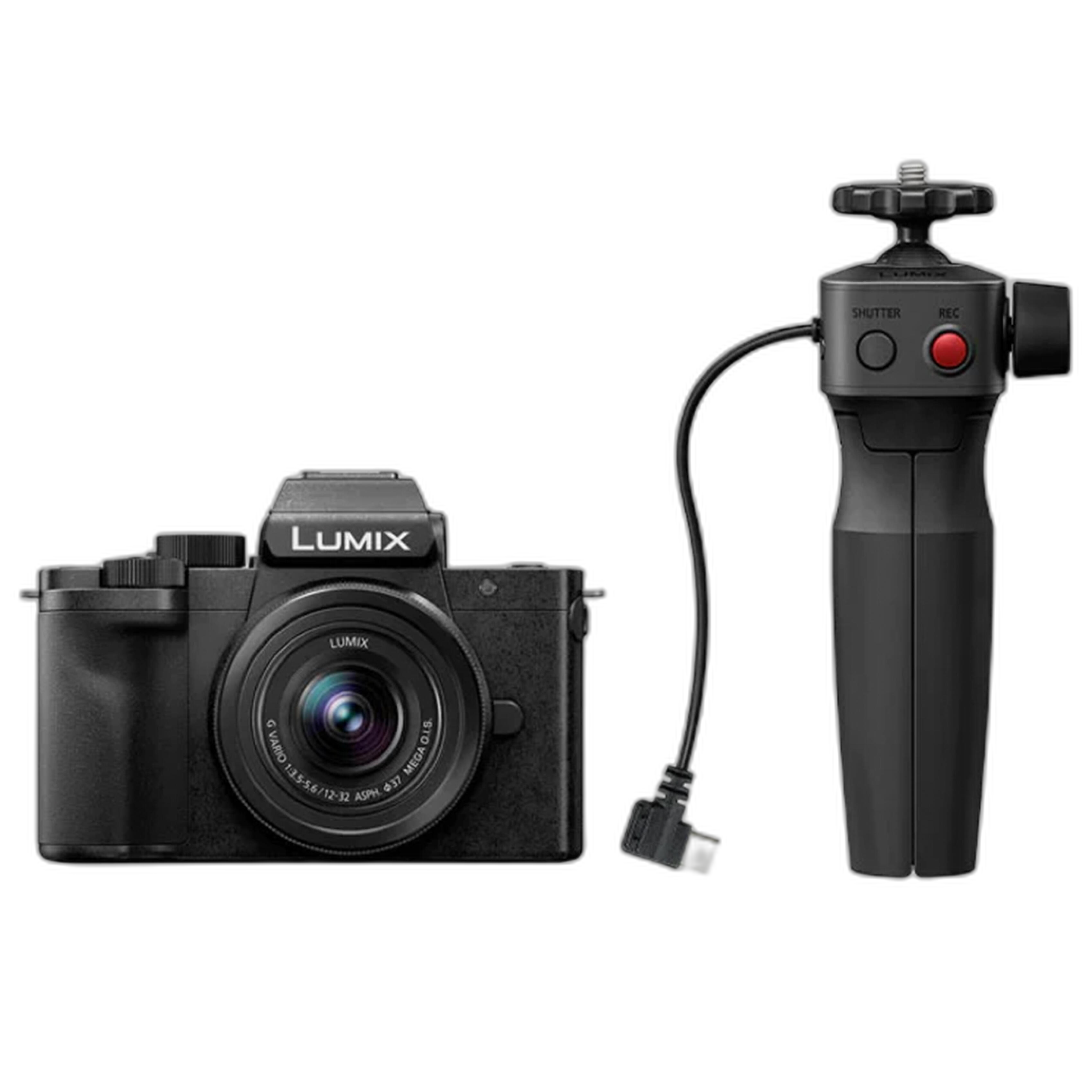
Our general advice is simple: do not reject a great beginner camera just because it lacks IBIS. A well-matched lens and good shooting technique are often more important when you are starting out.
Should I buy an older camera and better lenses, or a newer camera body?
For most new photographers, lenses matter more over time than chasing the latest body. A slightly older or more affordable camera with a better lens kit will often produce more satisfying results than stretching your budget for a body with advanced features but limited lens flexibility. Sharpness, low-light performance, background blur, and overall shooting enjoyment are all heavily influenced by lenses.
However, newer bodies can make learning easier thanks to improved autofocus, better subject detection, simpler menus, and more polished video features. That is why cameras like the Canon EOS R10 and Canon EOS R50 are so appealing: they give you modern performance without jumping to higher-end pricing.
The Canon EOS R50 two-lens kit is especially attractive for beginners who want broad coverage right away. With both the RF-S 18-45mm and 55-210mm lenses included, it offers a practical path into portraits, sports on the sidelines, travel, and wildlife without needing immediate lens upgrades.
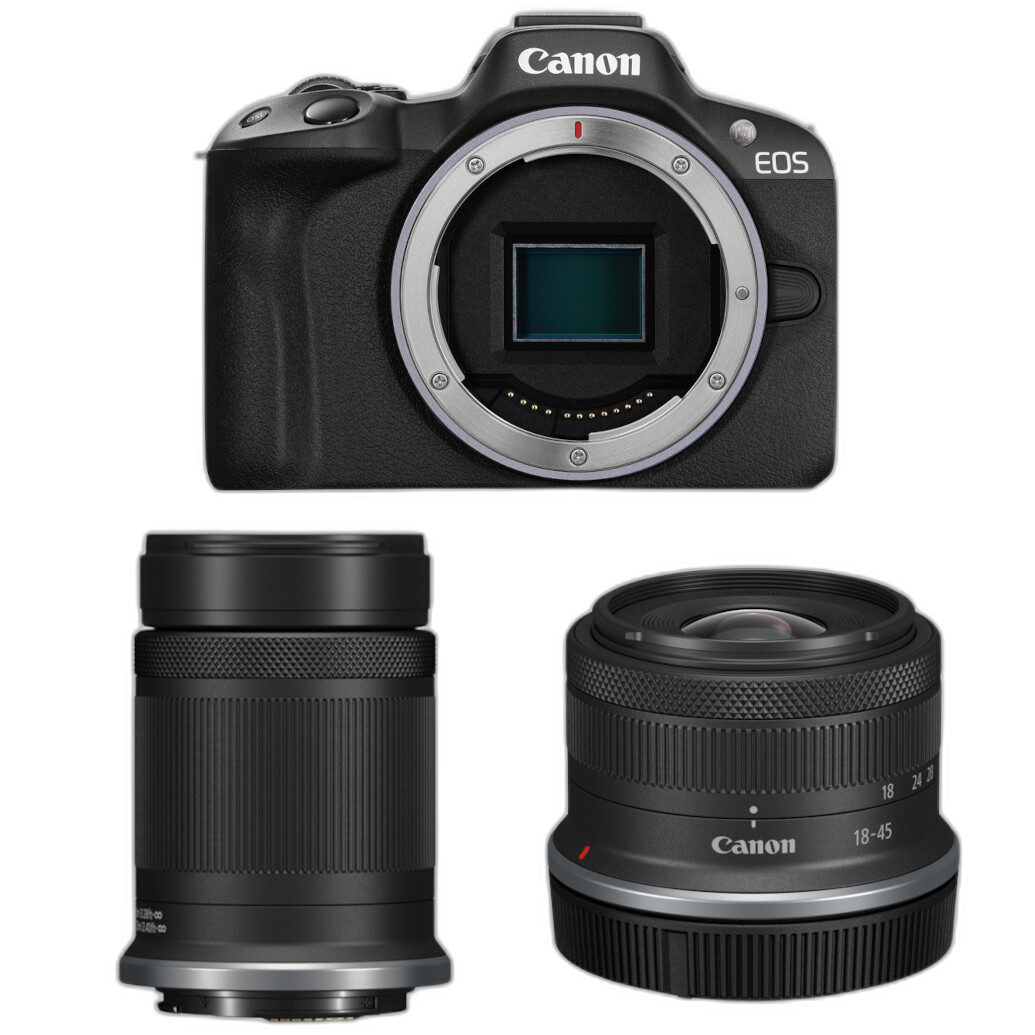
If your budget is fixed, we usually suggest prioritizing a balanced system: a current-generation entry-level body paired with one or two useful lenses beats overspending on a body-only purchase that leaves you limited.
Are kit lenses worth buying, or should I start with a prime lens?
Kit lenses are absolutely worth considering for beginners. They are versatile, lightweight, and designed to help you explore different compositions before you commit to a specific style. A zoom lens teaches you whether you naturally prefer wide scenes, normal perspectives, or tighter framing for portraits and details. That information is extremely useful before buying your first prime lens.
A kit like the Canon EOS R10 with 18-150mm lens is especially strong because it covers such a wide focal range. It is ideal for the new photographer who wants one lens to do almost everything while learning exposure, composition, and camera settings.
On the other hand, a prime lens can be a great early upgrade if you know you want stronger low-light performance or more background blur for portraits. Our recommendation is usually to start with a kit lens, shoot with it for a few months, and then add a prime once you understand your preferences. That approach avoids guessing and usually saves money.
What is a better beginner setup: one versatile lens or two-lens kit?
It depends on how and where you shoot. One versatile lens is often the better choice for travel, family use, and convenience. You spend less time switching lenses, carry less gear, and keep the learning process simple. This is where a package like the Canon EOS R10 with 18-150mm lens shines.
A two-lens kit makes more sense if you want a lighter standard zoom for everyday shooting plus a separate telephoto for sports, portraits, or wildlife. The Canon EOS R50 kit with 18-45mm and 55-210mm lenses gives beginners excellent flexibility while staying approachable.
If you are not sure, ask yourself one question: do you value convenience more, or range with a little more lens swapping? There is no wrong answer, but most first-time buyers are happiest with the option that fits their real shooting habits rather than an idealized one.
Should beginners consider spending more for full-frame?
Full-frame cameras can deliver excellent image quality, stronger low-light performance, and more control over depth of field, but they are not always the best place to start. Lenses are often larger and more expensive, and a body-only purchase can quickly push your total system cost well beyond beginner-friendly territory.
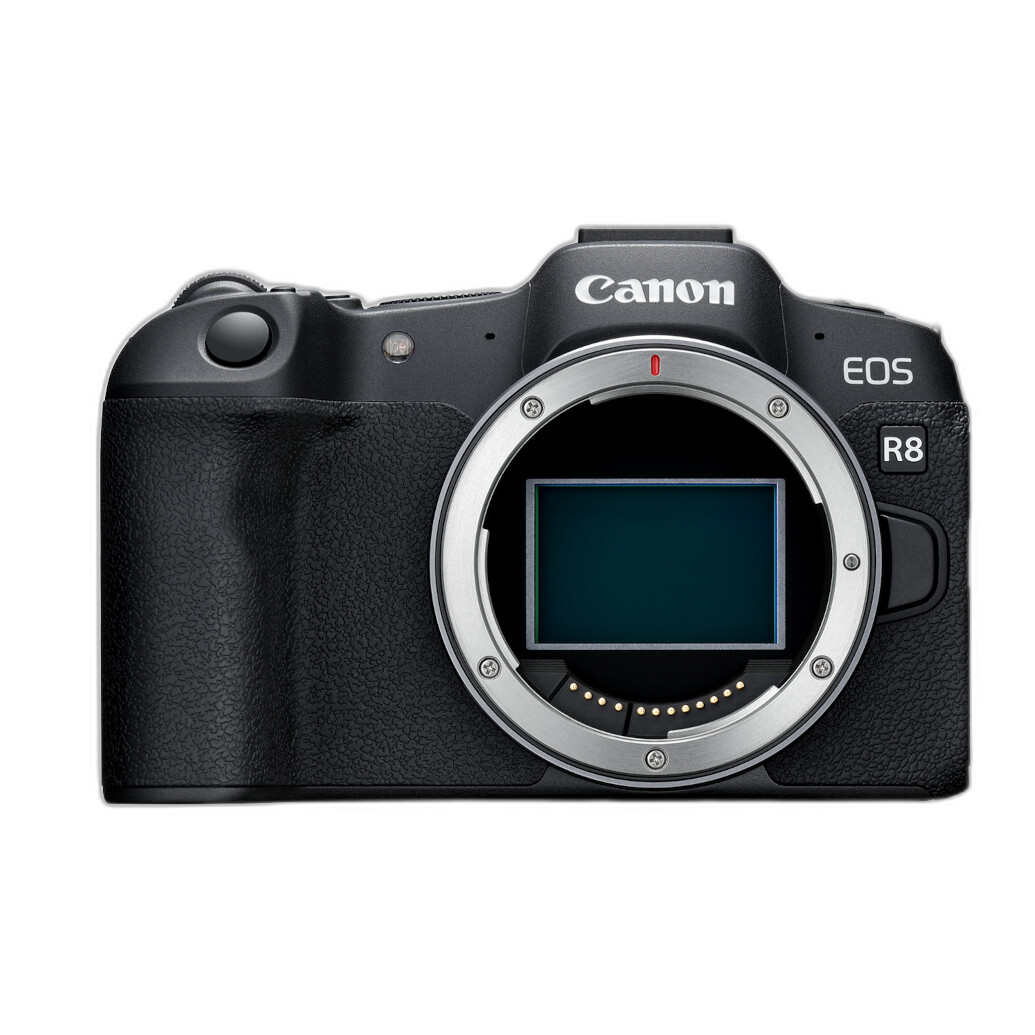
For example, the Canon EOS R8 is a powerful full-frame option with impressive image quality and autofocus, but it is best suited for buyers who already know they want to invest in a full-frame RF lens system. It is a great camera, just not always the most practical first purchase compared with a complete APS-C kit.
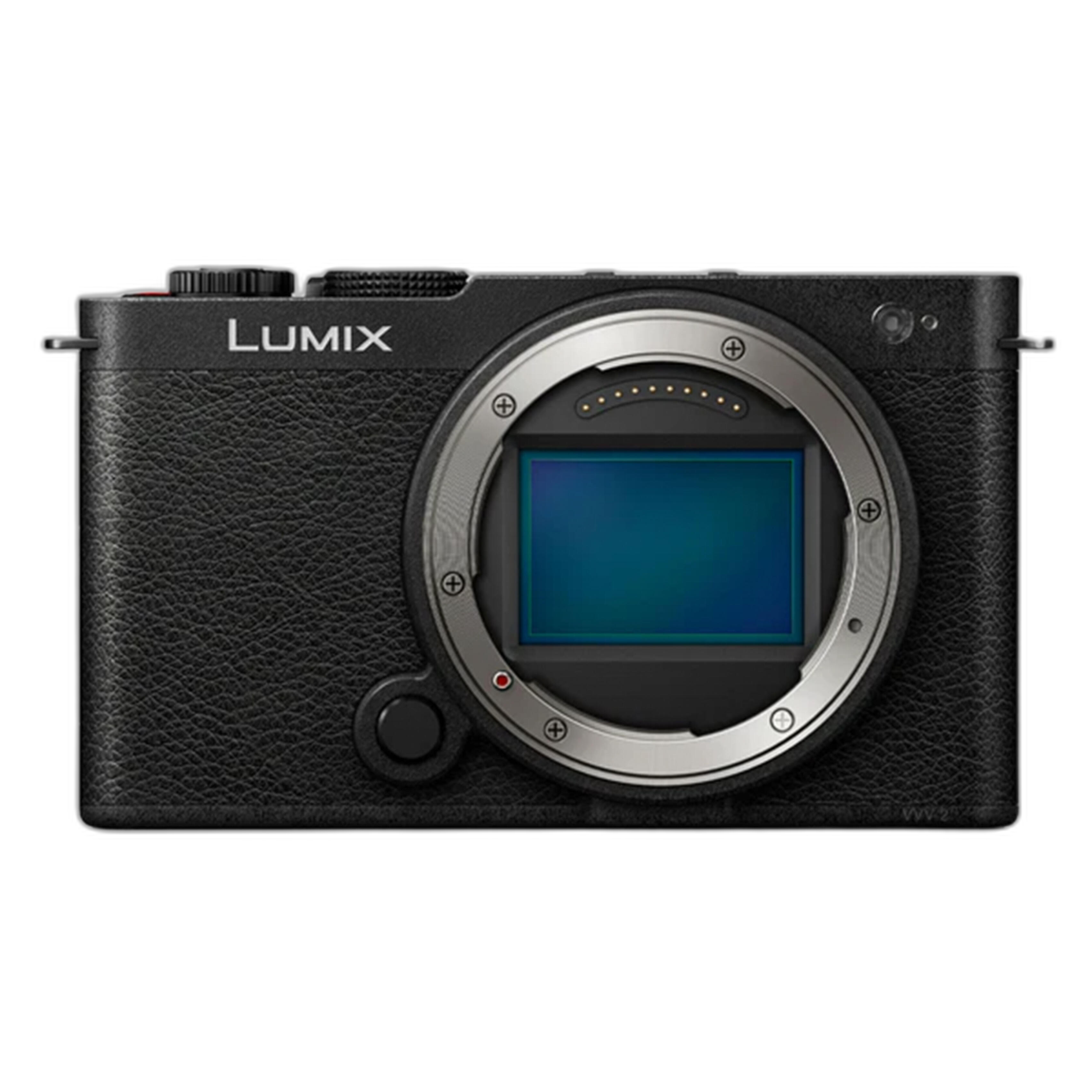
Similarly, advanced models like the Panasonic LUMIX S9 can appeal to creators who want a more premium body and full-frame look, but beginners should budget carefully for lenses before moving upmarket.
If your budget is under $1,000, APS-C or Micro Four Thirds usually delivers the strongest value because you can afford both a camera and a useful lens setup.
Which beginner mirrorless camera is best for travel and everyday photography?
For travel and daily use, portability, battery life, autofocus, and lens flexibility matter most. A lightweight body with a practical zoom lens is easier to carry and more likely to go with you everywhere, which is ultimately what helps you improve. The Canon EOS R10 with 18-45mm lens is a strong everyday option, while the 18-150mm version is better for travelers who want wider framing and telephoto reach in one lens.
The Panasonic LUMIX G100D is also a compelling compact option for those who prioritize portability and content creation. Its included tripod grip adds convenience for self-recording and handheld shooting, making it a smart pick for students, travelers, and creators working across photo and video.
How do I choose the right first mirrorless camera system?
Start by thinking beyond the camera body. The right system is the one that offers a comfortable learning curve, useful lens options, and a realistic upgrade path. Canon's EOS R system is attractive for many beginners because models like the R10 and R50 are easy to use and available in practical lens kits. Panasonic is also worth considering if you are video-focused or want a small, creator-friendly setup.
You do not need to buy the most expensive camera to get great photos. In fact, learning exposure, composition, and light on a well-priced mirrorless kit is usually the smartest move. Save room in your budget for memory cards, an extra battery, a bag, and eventually another lens once you know what you enjoy shooting most.
At Unique Photo, we help new photographers match their budget to the right mirrorless system, whether that means a simple one-lens Canon kit or a compact Panasonic setup for hybrid shooting. Explore our beginner-friendly mirrorless cameras and lens bundles to find a setup you can start using with confidence right away.