Best Budget Tripods for Hobbyist Photographers: FAQ for 2024
Choosing your first tripod can feel more complicated than it should. Most hobbyist photographers want the same thing: dependable stability, manageable weight, and a price that makes sense for weekend landscapes, travel, portraits, and long exposures. At Unique Photo, we recommend thinking beyond price alone and focusing on how a tripod fits your camera, shooting style, and growth as a photographer.
Below, we answer the most common questions shoppers ask when comparing affordable and entry-level tripods, including what matters most for landscape photography, how to judge safe load support, and when it makes sense to step up to carbon fiber.
Which tripod under $150 offers the best stability for landscape photography?
When shopping in the budget range, stability usually comes down to three factors: leg diameter, overall build quality, and how high you need to extend the tripod in real use. For landscape photography, a slightly heavier aluminum tripod can often outperform an ultra-light travel model in windy conditions, especially if you are shooting at sunrise, sunset, or with slower shutter speeds.
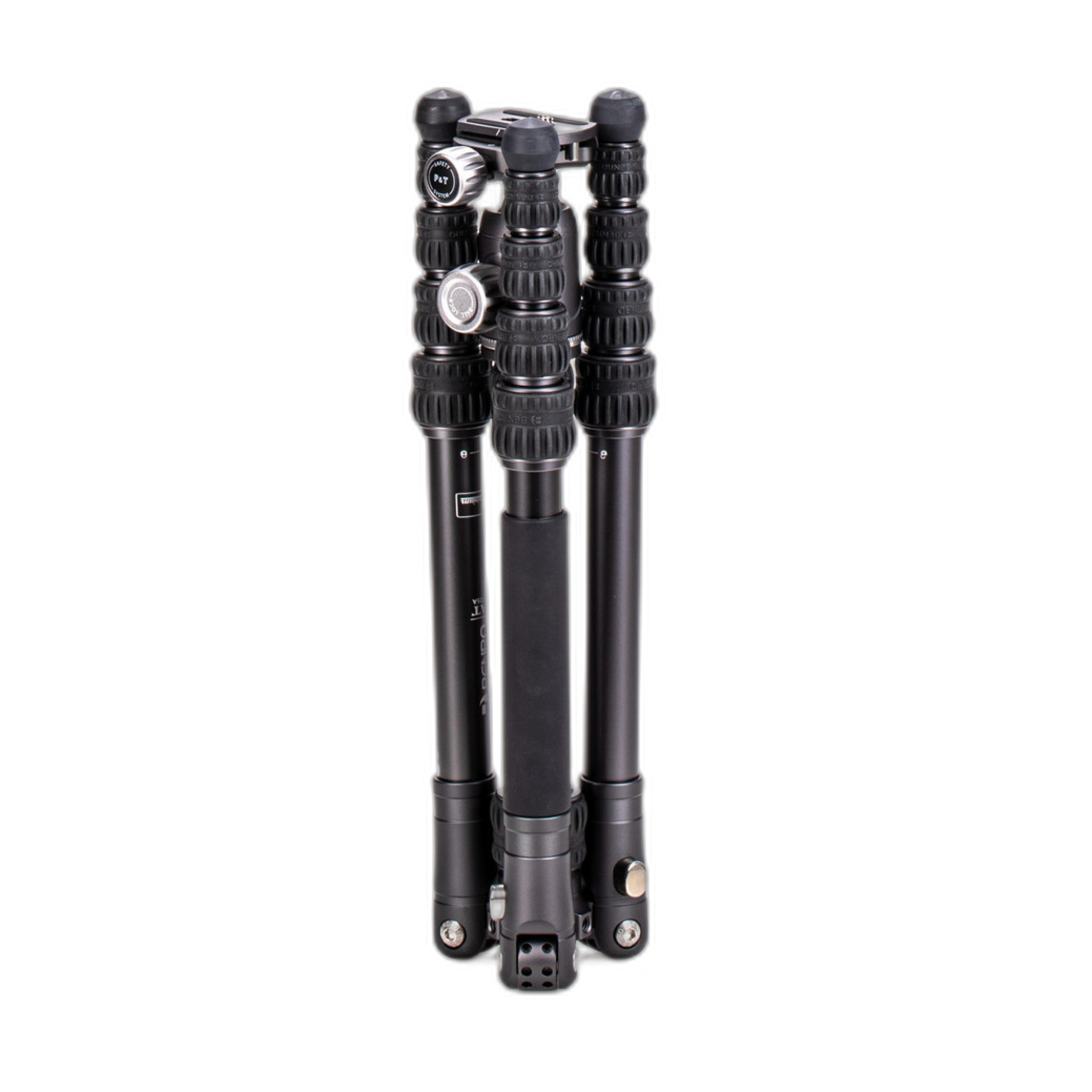
A great example of the kind of design many hobbyists appreciate is a travel-friendly aluminum model with a reliable ball head, such as the Benro Bat Zero Series Aluminum Travel Tripod with VX20 Ball Head. While actual pricing can vary, this style of tripod is appealing because it balances portability with a more confidence-inspiring feel than many bargain no-name options.
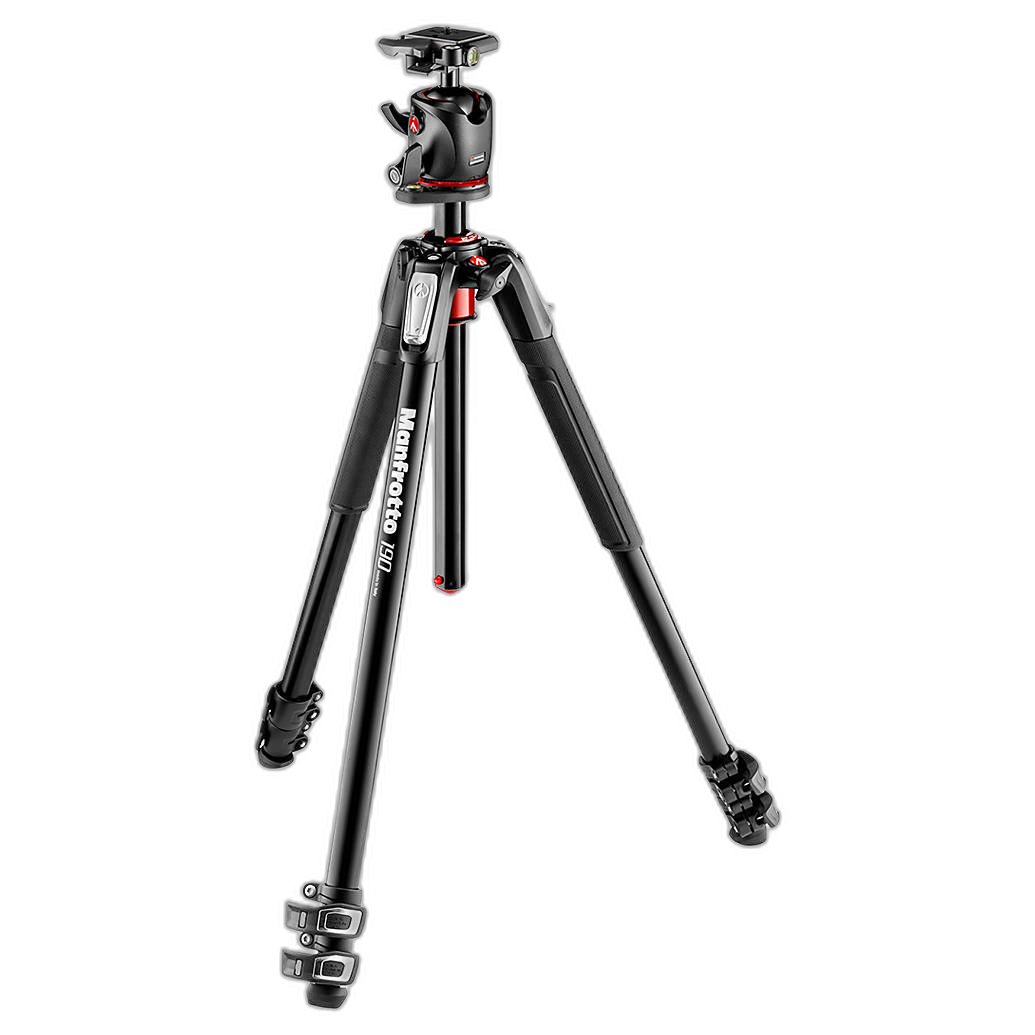
If your priority is maximum stability rather than the lowest cost, moving slightly above strict budget territory often produces a noticeable improvement in rigidity and long-term durability. The Manfrotto 190XPRO3 Tripod Kit with XPROBH2 Ballhead is a strong example of a support system that many photographers choose when they want a tripod they can keep using as their skills and gear improve.
Is it worth getting a carbon fiber tripod at the budget level?
Carbon fiber can absolutely be worth considering, but it depends on why you want it. The main benefits are lower weight, better vibration damping, and more comfortable handling in cold weather. If you hike to overlooks, carry your tripod on day trips, or travel often, carbon fiber can make photography more enjoyable simply because you are more likely to bring the tripod with you.
That said, not every photographer needs carbon fiber right away. In the lower end of the market, some aluminum tripods still offer excellent value because more of the budget goes toward sturdier locks and a better head. If your tripod will mainly be used close to the car or in your backyard, aluminum may be the smarter buy.
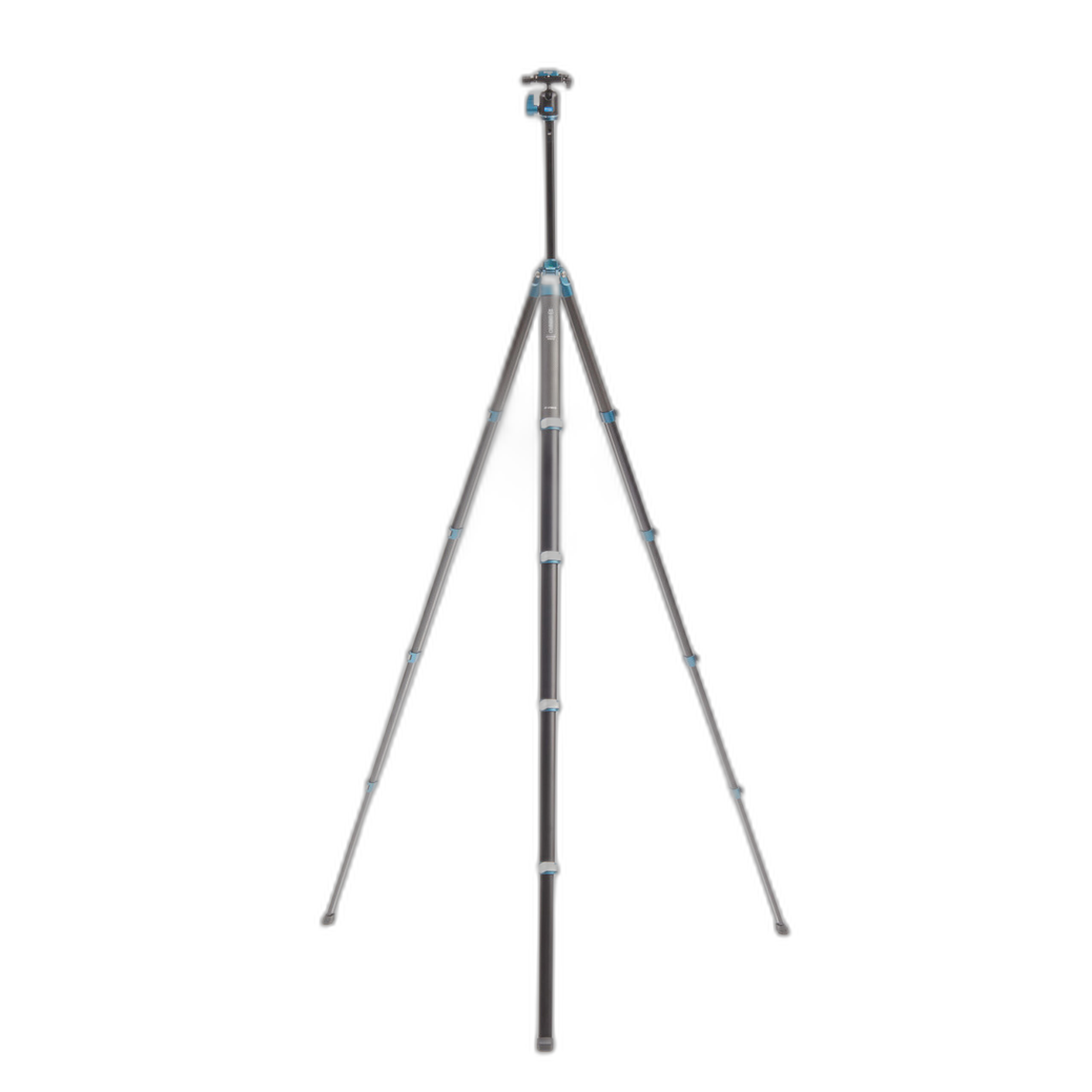
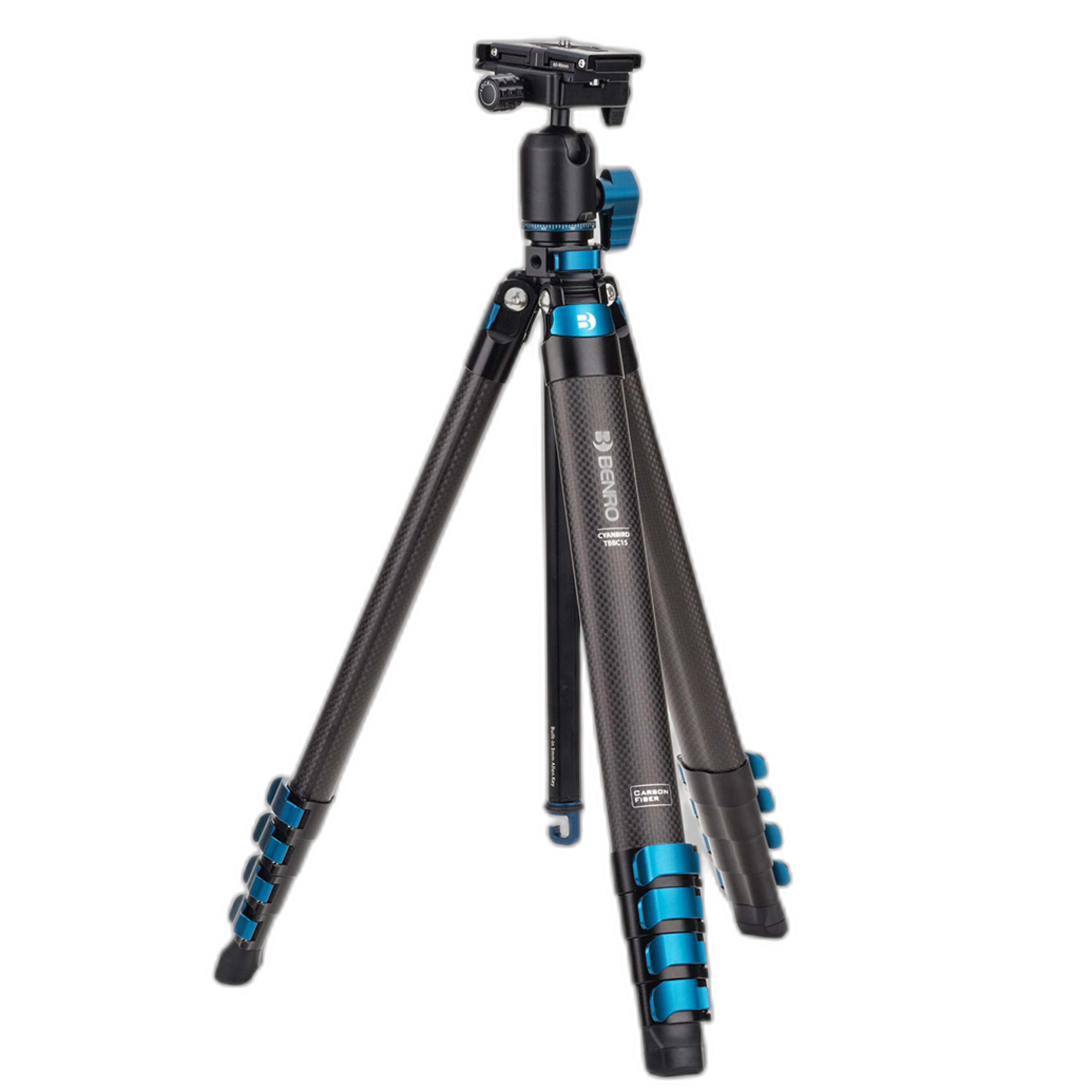
For photographers who do want a lighter setup, the Benro CyanBird Carbon/Aluminum 5 Section Tripod w/N00P and the Benro Blackbird CF 1 Series, 5 Section Tripod with N00P Head are both good examples of compact support options that emphasize portability while still offering a more premium material approach than ultra-budget models.
How do I know if a budget tripod will support my gear safely?
Start by calculating the full working weight of your setup, not just the camera body. Include the lens, quick release plate, microphone, cage, or anything else mounted on the camera. Then compare that to the tripod's rated capacity. As a practical rule, many photographers prefer a tripod rated for significantly more than their actual load so the system feels stable instead of merely acceptable.
It is also important to evaluate the head, not just the legs. A tripod may advertise a respectable load capacity, but a weak or undersized ball head can still allow creep, sag, or inconsistent framing. This matters even more if you use a longer zoom lens, shoot vertically, or compose carefully for panoramas and macro work.
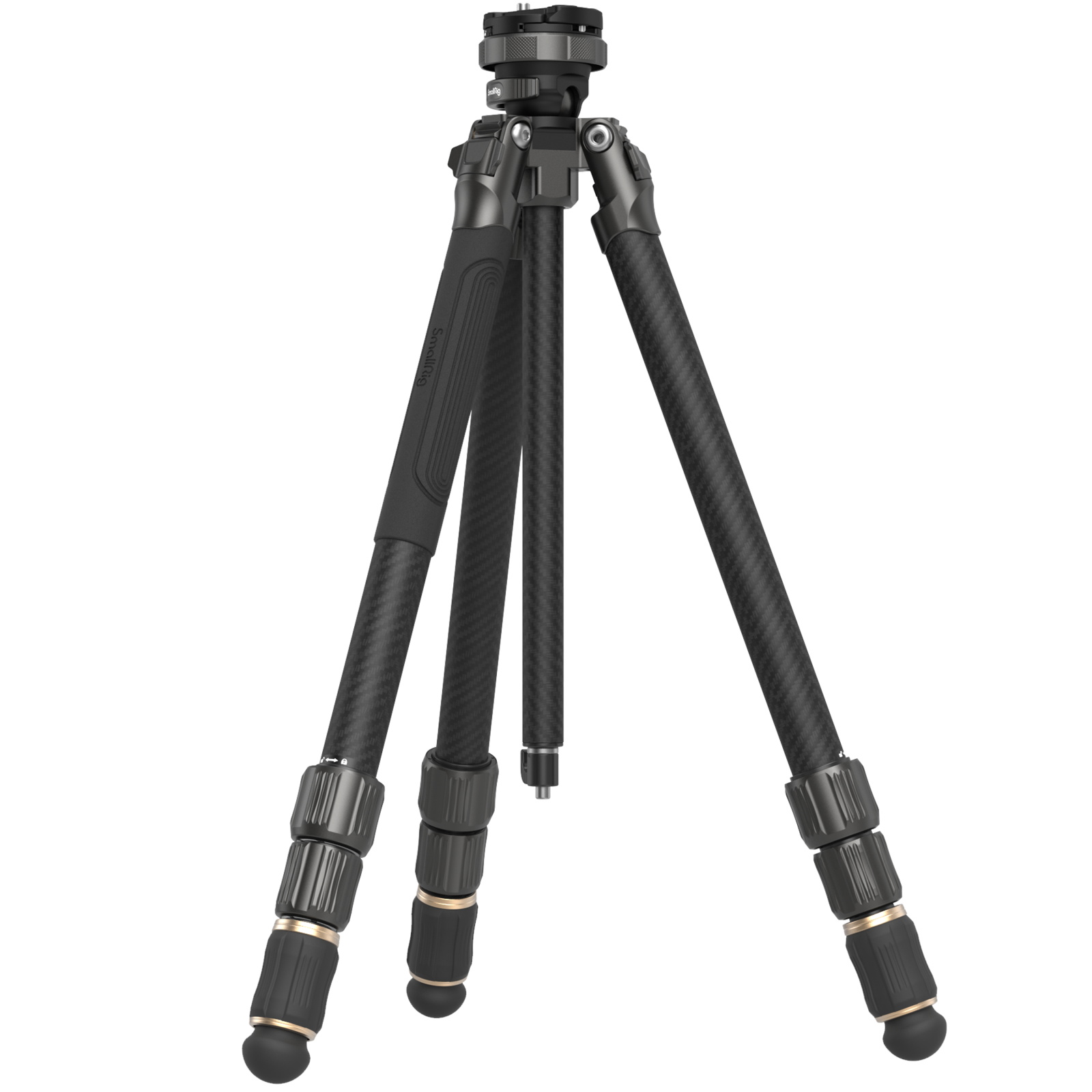
If you are using a lightweight mirrorless camera and a standard zoom, compact travel tripods can be a good fit. The SmallRig FreeRover Travel Tripod 4353 is the sort of option that appeals to photographers who want a packable setup for everyday use.
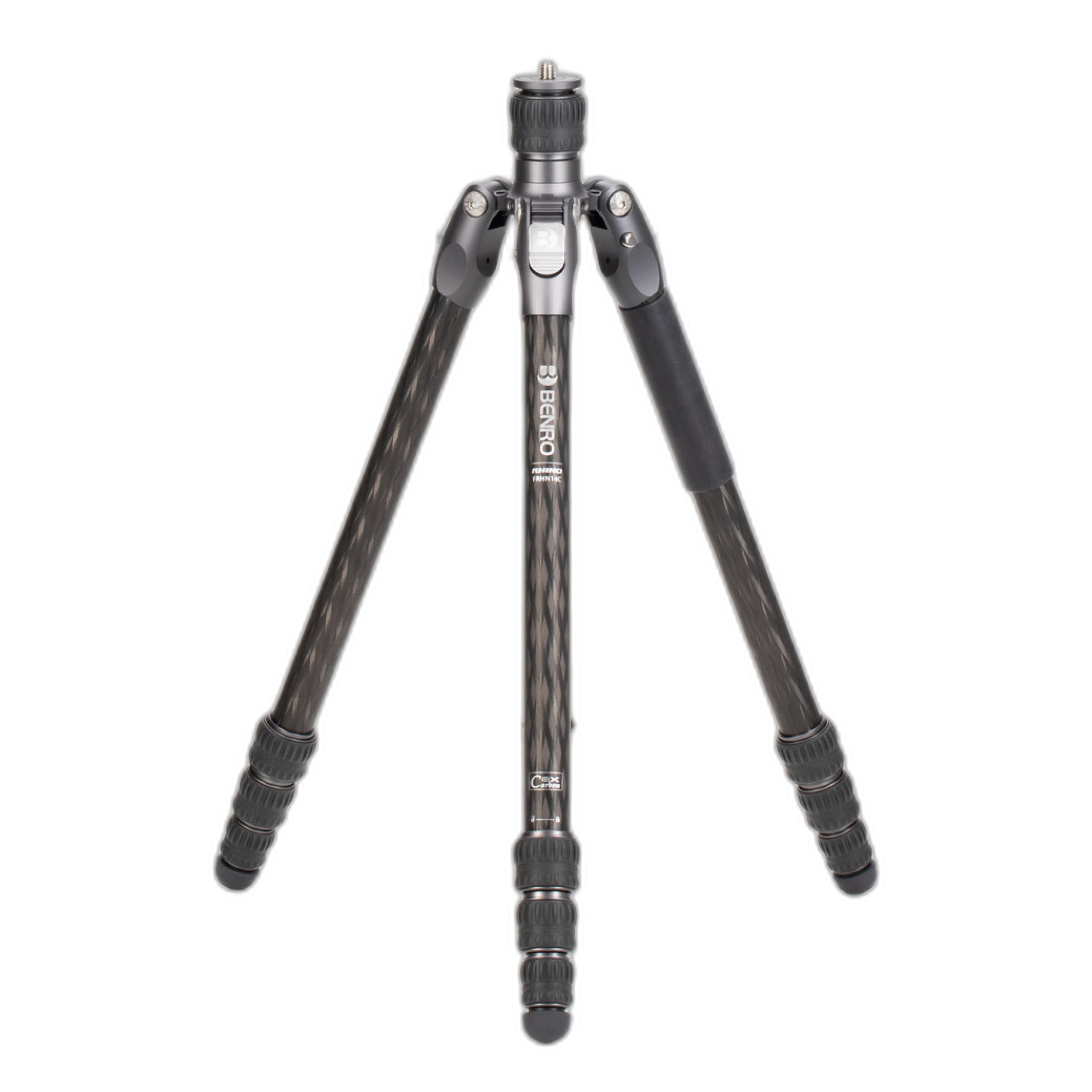
If your gear is larger or you want more margin for future upgrades, stepping into a sturdier system can be a smart investment. The Benro 1 Carbon Fiber FRHN14C +VX20 offers the kind of more robust platform that makes sense for photographers using heavier lenses or wanting a steadier feel overall.
What features should I look for when buying my first tripod?
For a first tripod, prioritize the features that affect day-to-day usability. Look for a dependable leg locking system, a ball head that locks securely without slipping, a workable maximum height, and a folded size you will realistically carry. A center column can help with flexibility, but the most stable setup is usually achieved with the center column kept low.
Other helpful features include independent leg angle adjustment for uneven ground, rubber feet for mixed surfaces, and an Arca-style compatible head or plate system for easier accessory compatibility. If you enjoy travel or hiking, weight and packed length matter a lot. If you mainly shoot landscapes near parking areas, strength and ease of setup may matter more than shaving off a pound.
A tripod like the Benro Bat Zero Series Aluminum Travel Tripod with VX20 Ball Head is a good example of a beginner-friendly kit because it combines portability with an included head, making it easier to start shooting right away rather than building a system piece by piece.
Are travel tripods stable enough for long exposures and landscapes?
They can be, but there are trade-offs. Travel tripods are designed to fold smaller and weigh less, which often means thinner leg sections and more extension points. That is convenient for packing, but every extra section can reduce rigidity compared with a larger, heavier tripod.
For long exposures, travel tripods perform best when used carefully: keep the thinnest leg sections retracted when possible, avoid raising the center column unless necessary, and use a remote release or self-timer to eliminate vibrations. In calm conditions, a quality travel tripod can produce excellent landscape results with mirrorless cameras and lighter DSLR kits.
If compactness is your top priority, the Benro CyanBird Carbon/Aluminum 5 Section Tripod w/N00P and SmallRig FreeRover Travel Tripod 4353 are the kinds of products worth exploring. If you regularly shoot in wind or on rough ground, a larger support option may provide more consistent results.
Should I buy a tripod kit with a head included, or separate tripod legs and head?
For most hobbyists, a tripod kit is the simplest and best-value way to start. Kits are matched for size, load, and intended use, so you avoid pairing lightweight legs with an oversized head or buying a head that does not suit your style of shooting. Included ball heads are especially practical for general photography because they are fast to adjust and easy to learn.
Buying legs and head separately makes more sense when you have specialized needs, such as heavy telephoto support, dedicated video movement, or panoramic work. For someone purchasing a first or second tripod, a complete kit typically gives you better convenience and fewer compatibility questions.
The Manfrotto 190XPRO3 Tripod Kit with XPROBH2 Ballhead and the Benro Bat Zero Series Aluminum Travel Tripod with VX20 Ball Head are both examples of kits that simplify the buying process while still offering serious photographic capability.
How much should I prioritize height versus weight?
That depends on where and how you shoot. A taller tripod is more comfortable to use, especially for standing landscape work, but added height often brings added weight and less compact packing. If you choose an ultra-compact tripod, check whether it reaches your preferred working height without raising the center column too far.
For many photographers, the sweet spot is a tripod that reaches close to eye level with the center column down or only slightly extended. This usually gives a better mix of stability and comfort. If you frequently shoot from low angles, tripod height becomes less critical than leg spread flexibility and ease of adjustment.
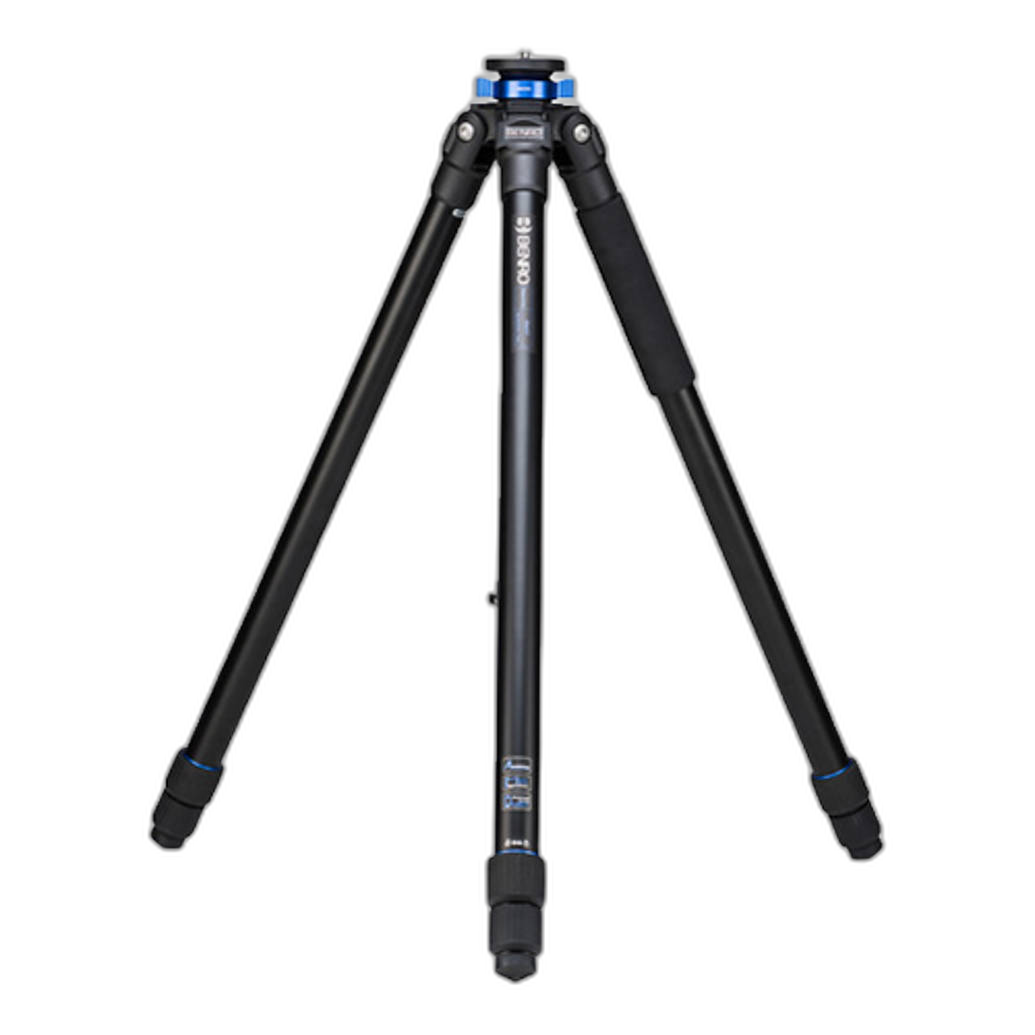
Photographers needing a more substantial platform may prefer something like the Benro TMA47AXL Mach3 Aluminum Tripod, which emphasizes support and working height over travel-size convenience.
At the opposite end, if packability matters most, smaller travel-focused models are easier to keep in a backpack or carry-on, which can lead to more real-world use.
What is the best upgrade path if I outgrow my first budget tripod?
If your first tripod starts to feel limiting, the best upgrade path is usually based on the reason it no longer fits your needs. If you want less weight for hiking, move to carbon fiber. If you want better stability for landscapes and telephoto lenses, move to a larger aluminum or carbon fiber system with thicker legs and a stronger head. If you want smoother operation and longer service life, invest in a more premium support brand and construction level.
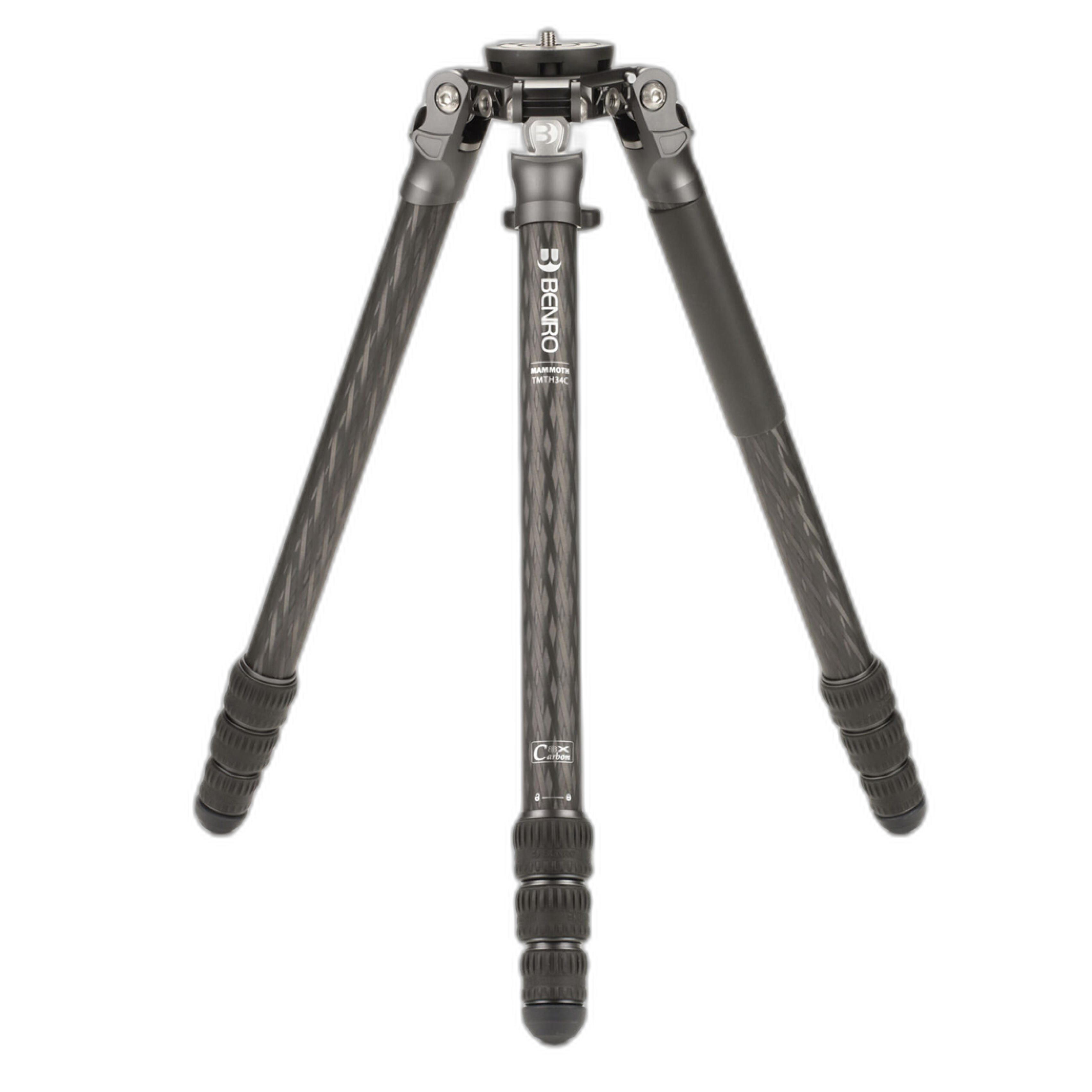
For photographers ready to move into a more advanced support system, the Benro Mammoth TMTH34C Carbon Fiber Tripod represents the kind of serious tripod upgrade that prioritizes rigidity, build quality, and long-term performance.
Not every hobbyist needs to jump that far immediately, but buying with your likely next camera or lens in mind can help you avoid replacing a tripod too soon.
A tripod is one of the most useful accessories you can add to your kit, especially if you want sharper landscapes, better self-portraits, cleaner low-light shots, and more deliberate composition. If you are comparing affordable travel tripods or planning your first serious upgrade, Unique Photo can help you choose a support system that fits both your budget and your style of shooting.