Beginner FAQ: Home Developing Black and White Film
Developing black and white film at home is one of the most rewarding ways to take control of your photography workflow. With a small set of tools, consistent technique, and the right chemistry, beginners can produce clean, sharp negatives without building a full darkroom.
At Unique Photo, we regularly help first-time film photographers choose practical starter gear and avoid the common mistakes that can make early results frustrating. Below, we answer the most common questions about getting started with home black and white film developing.
What do I need to start developing black and white film at home?
For most first-timers, the essentials are simple: a developing tank and reels, film developer, stop bath or rinse workflow, fixer, a thermometer, measuring containers, storage bottles, and a changing bag or other light-tight way to load film onto reels. You will also want clips or hangers for drying, plus a dust-free area where negatives can dry undisturbed.
A great place to begin is with an all-in-one starter bundle like the Unique Black and White Film Developing Kit, which helps remove guesswork when you are assembling your first setup. Another practical option is a general-purpose Photographic Darkroom Film and Paper Developing Kit if you want a broader set of developing essentials in one purchase.

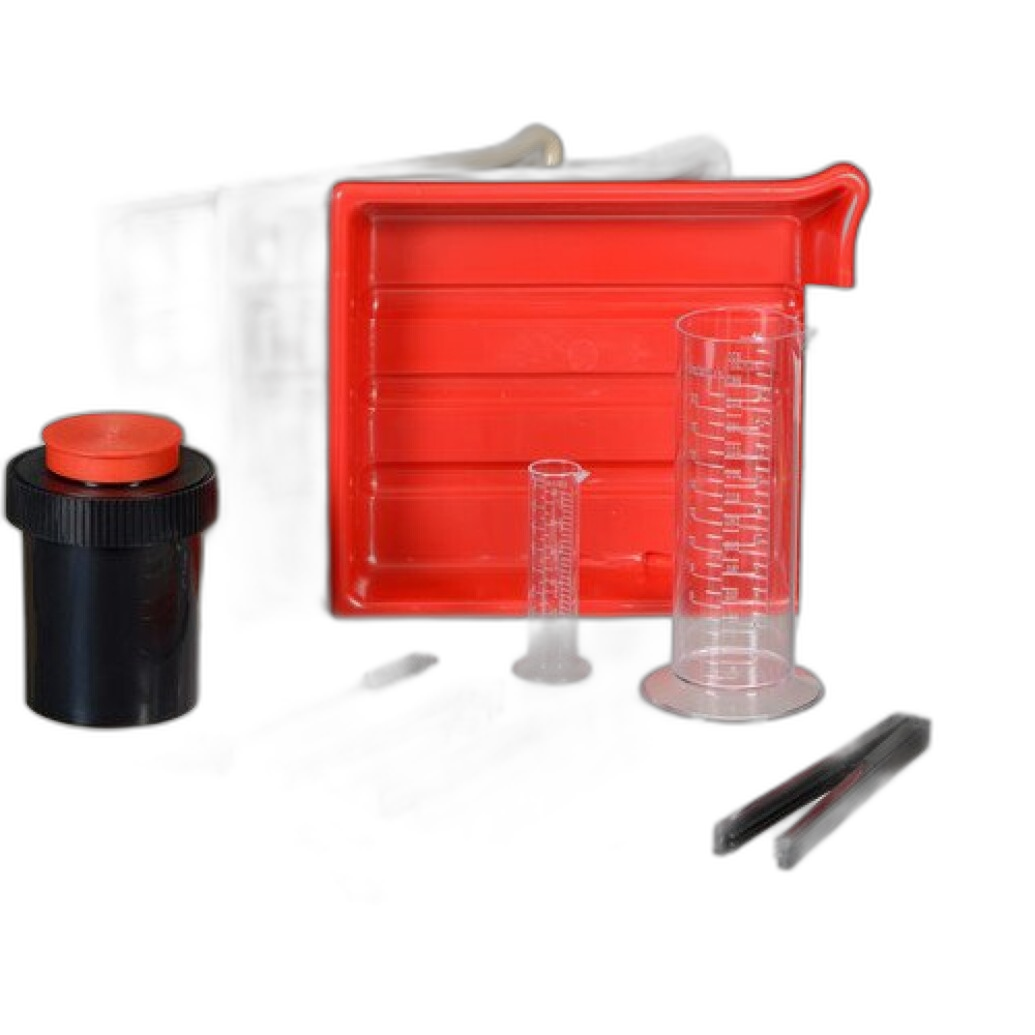
If you want to simplify loading in daylight, the Lomography Lomo Daylight Developing Tank 35 mm can be especially appealing for new 35mm shooters who are nervous about their first reel-loading experience.
Which developer is easiest for beginners to use?
The best beginner developer is one that is reliable, well-documented, and forgiving. Traditional developers remain popular because they deliver consistent results across a wide range of films. Ilford ID-11 Film Developer is a classic choice for beginners because it is known for balanced grain, good shadow detail, and predictable performance with many black and white films.
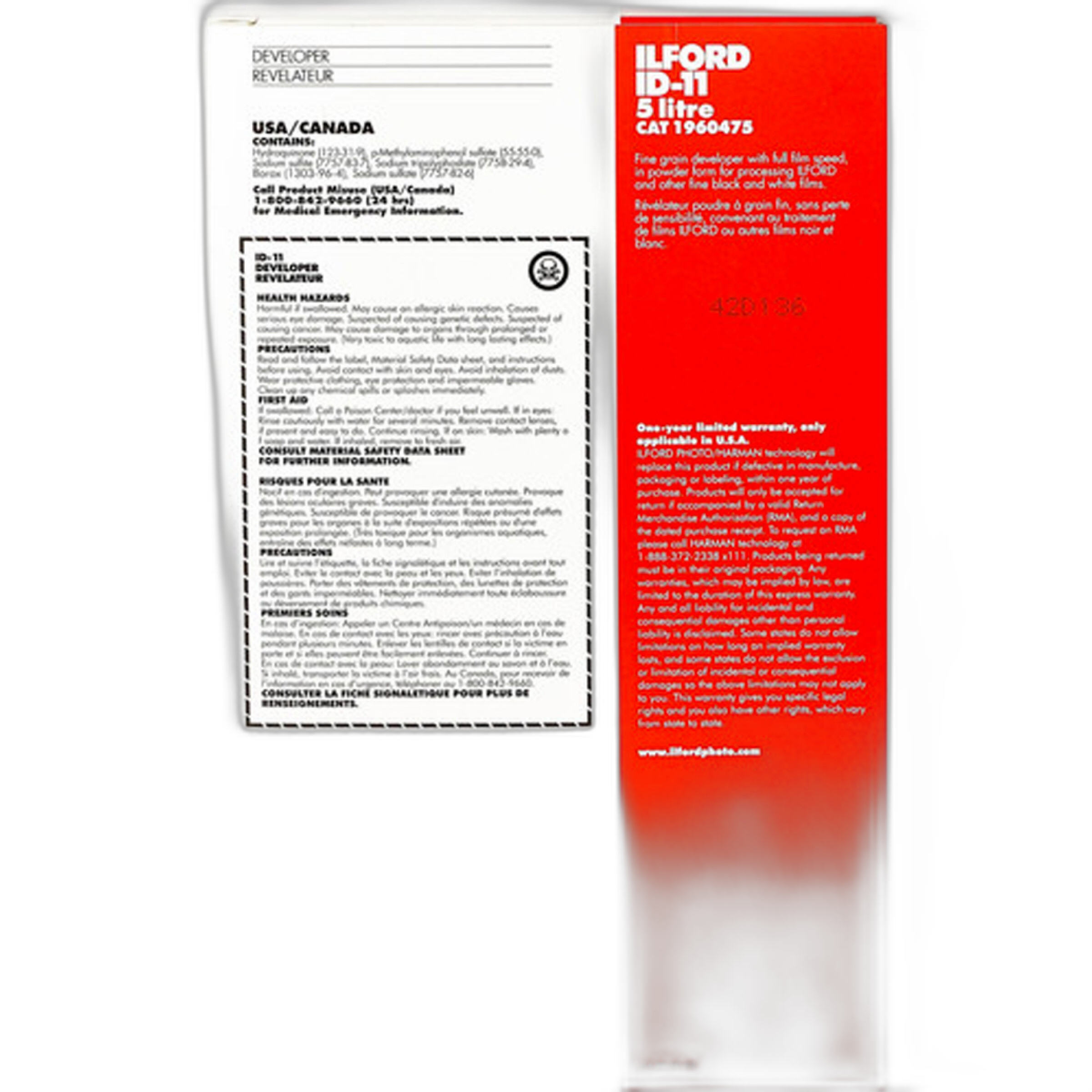
If convenience is your top priority, a monobath like the Film Photography Project FPP SUPER MONOBATH ONE-STEP BW Developer can reduce the number of steps by combining development and fixing into one process. It is a useful learning tool for photographers who want to get their first rolls processed quickly, though many users eventually move to a traditional multi-step workflow for greater control.
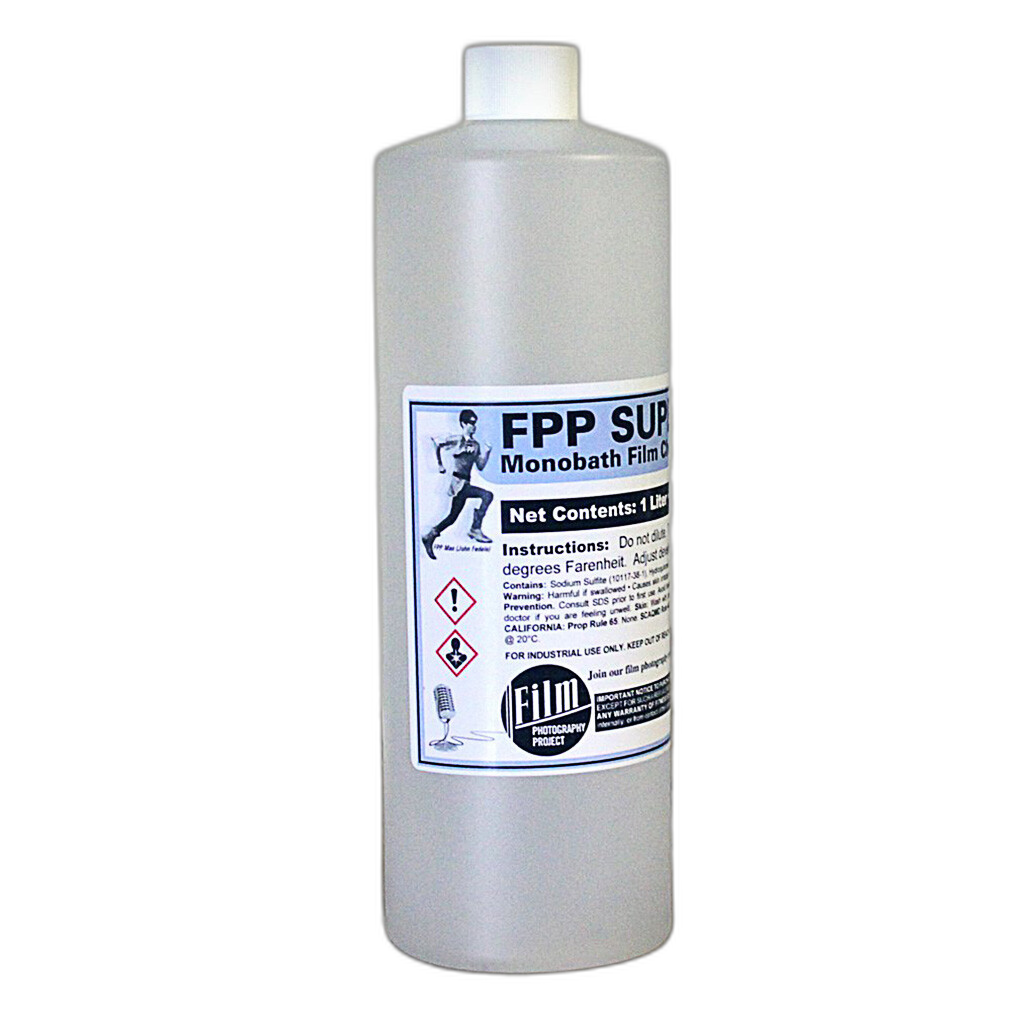
For photographers planning to process film regularly and in higher volume, Ilford Ilfotec DD Developer Replenisher may be worth considering as part of a more advanced setup.
How important is temperature when developing black and white film?
Temperature matters a great deal because developer activity changes as the solution gets warmer or cooler. Most black and white film development times are standardized around 20 degrees C or 68 degrees F. If your chemistry is too warm, development speeds up and can increase contrast or grain. If it is too cool, development slows and negatives may come out thin or flat if the time is not adjusted properly.
For beginners, the easiest path is consistency. Mix your chemistry carefully, check temperature before pouring, and try to keep all solutions close to the same temperature range. Large swings between developer, rinse, and fixer can stress film emulsion and make handling less predictable. A simple thermometer and careful timing go a long way toward repeatable negatives.
How does agitation affect the final image?
Agitation controls how fresh developer reaches the film surface. Too little agitation can cause uneven development, bromide drag, or streaking. Too much agitation can increase contrast and emphasize grain. For most beginners, a standard routine works best: agitate continuously for the first part of development, then use gentle inversions at regular intervals based on the developer instructions.
The key is to be consistent from roll to roll. If you invert the tank aggressively on one roll and barely move it on the next, your negatives may vary even with the same film and chemistry. Consistent agitation makes troubleshooting much easier because you can isolate other variables like exposure or temperature.
Which black and white films are easiest to develop at home?
Beginners usually have the smoothest experience with films that have broad exposure latitude and well-established development times. Traditional medium-speed films, especially ISO 100 and ISO 400 options, tend to be very forgiving. These films are easier to scan or print and generally respond well to standard developers like Ilford ID-11.
If you are just starting out, choose one film stock and one developer, then shoot and process several rolls the same way. That consistency helps you understand what your exposure, agitation, and timing are doing. Once your results are predictable, it becomes much easier to experiment with different emulsions or push and pull techniques.
What are the most common beginner mistakes, and how can I avoid them?
The most common issues are uneven development, streaks, accidental light exposure, water spots, and dust on drying negatives. Many of these problems come from rushing. Before opening chemistry, make sure your tank is loaded correctly, your timer is ready, and your solutions are mixed and measured.
To avoid streaks or uneven density, use enough developer for the tank, agitate consistently, and tap the tank lightly after agitation to dislodge air bubbles. To avoid dust, dry your film in the cleanest room available, and do not handle the negatives until they are fully dry. To reduce water spots, use a final rinse method that promotes even drying, and avoid wiping the film unless absolutely necessary.
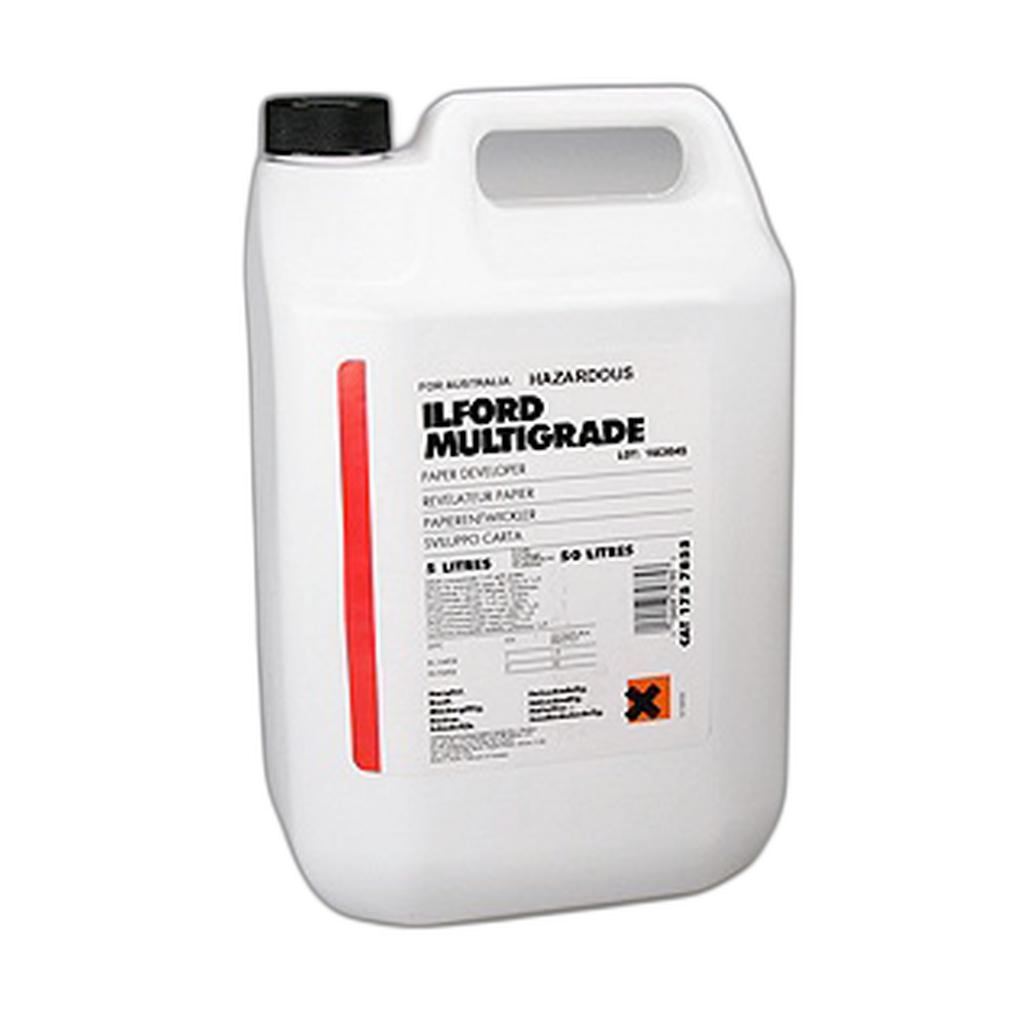
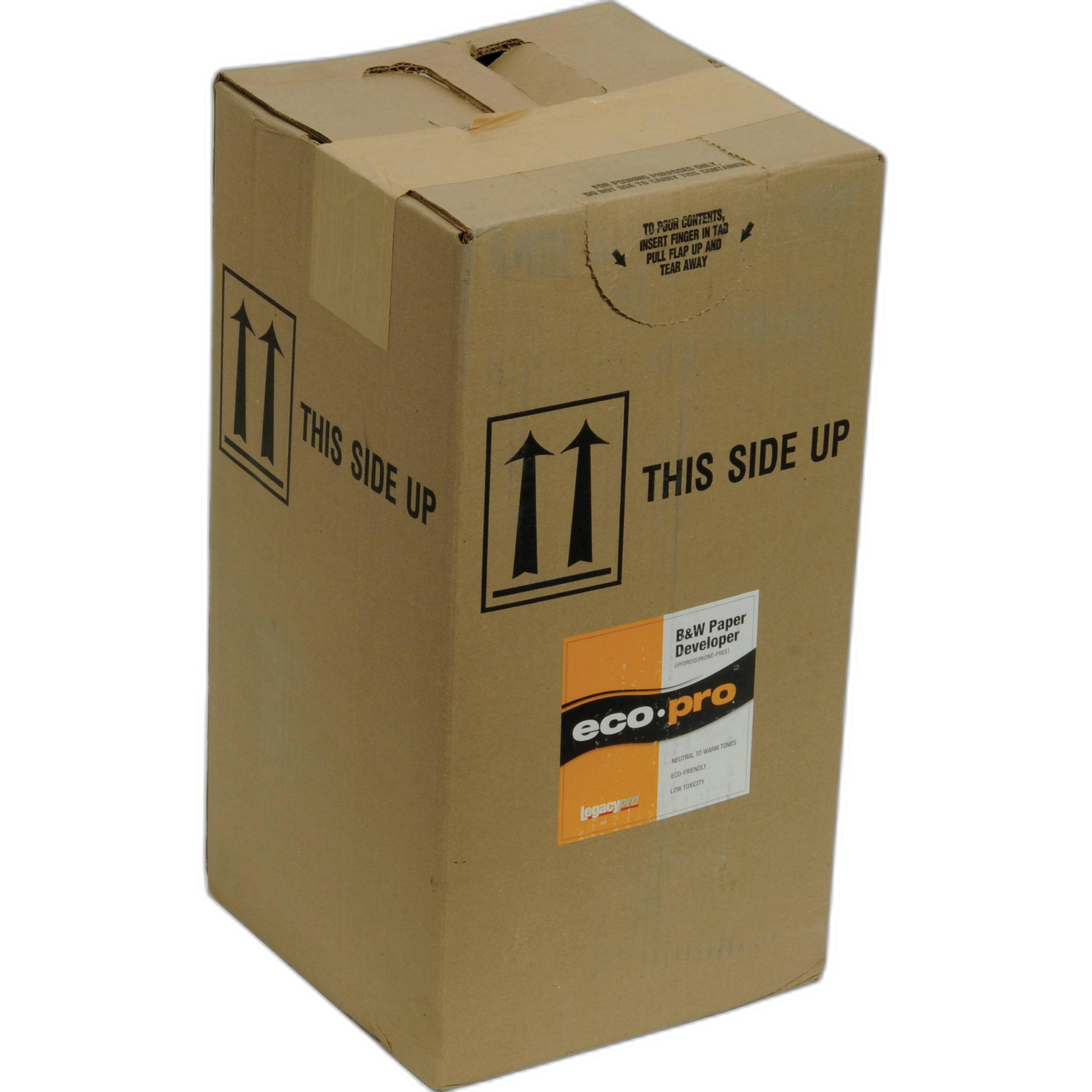
Another easy mistake is confusing film chemistry with paper chemistry. For example, Ilford 5L Multigrade Developer and LegacyPro EcoPro BW Paper Developer are intended for photographic paper, not film processing. If you are just building your home setup, double-check that every chemical you buy is specifically labeled for film.
Is a monobath a good idea for first-time home developers?
A monobath can be a very approachable starting point because it reduces the number of bottles, steps, and timing decisions. For someone who wants to learn tank handling, loading, and basic process discipline before moving into a traditional developer-plus-fixer workflow, it can be a useful bridge. The Film Photography Project FPP SUPER MONOBATH ONE-STEP BW Developer is a solid example of this beginner-friendly approach.
That said, photographers who want the most control over contrast, grain, and consistency usually graduate to separate film developer and fixer chemistry. If your goal is long-term process control, a more traditional route with products like Ilford ID-11 often offers more flexibility.
How can I get cleaner negatives with less dust and fewer drying marks?
Clean negatives start before development even begins. Keep your reels, tank, scissors, and work surface clean and dry. After fixing and washing, hang the film in a low-dust environment, ideally where air movement is minimal. Many photographers use a bathroom after running a hot shower briefly to settle airborne dust, but any clean, enclosed space can work.
Handle film only by the edges, and let it dry completely before cutting and sleeving. Drying too close to a fan, vent, or open window often causes more dust problems than it solves. If your negatives consistently show spots, review your final rinse and drying environment before assuming the chemistry is at fault.
Should beginners buy a kit or build a setup piece by piece?
If you are starting from zero, a kit is usually the fastest and least confusing option. A well-chosen kit gives you the core tools you need without forcing you to research every item individually. The Unique Black and White Film Developing Kit is especially useful for photographers who want a straightforward path into home development.
More experienced tinkerers may prefer building a setup piece by piece around a specific tank, developer, or workflow. That can make sense if you already know whether you want a classic powder developer like Ilford ID-11, a more specialized replenishment system, or a simpler monobath process. For most beginners, however, a curated starter package reduces mistakes and gets you developing sooner.
Home black and white film developing is easier to learn than many photographers expect, especially when you begin with proven chemistry and a consistent routine. If you are ready to build your first home processing setup, Unique Photo carries starter kits, developers, and darkroom essentials to help you get from exposed roll to finished negatives with confidence.