Travel photography is all about balancing creativity, mobility, and reliability. Pack too much, and every airport transfer, walking tour, or sunrise hike becomes a chore. Pack too little, and you may miss the shots you traveled for. This travel photography gear buying guide breaks down what to pack, what to skip, and how to build a lightweight kit that fits your destination and shooting style. At Unique Photo, travelers often find that the smartest setup is not the biggest one—it is the one you will actually carry and use.
If you are planning your next trip and wondering which camera gear is really worth bringing, this guide will help you make practical choices for city breaks, road trips, landscapes, family travel, and international adventures.
What camera gear should you pack for travel photography?
The best travel photography kit starts with one question: what do you actually plan to photograph? A street photographer, a wildlife shooter, and a casual vacation documentarian will all need different setups. Still, most travel photographers can build around a few essentials:
- One camera body you know well
- One to two lenses that cover your most common focal lengths
- Extra batteries and memory cards
- A comfortable travel backpack
- A charger and compact cable kit
- A lightweight cleaning cloth
That core setup covers a surprising range of situations. In many cases, the best approach is to choose versatile gear over specialized gear. Travel introduces variables like weather, transportation limits, and long walking days, so simplicity matters.
Unique Photo often recommends starting with a "base kit" and then adding only what your destination truly requires. If your trip includes architecture, food, portraits, and general sightseeing, a streamlined kit will usually outperform an overpacked one.
How many lenses should you bring when traveling?
One of the biggest travel photography mistakes is bringing too many lenses. On paper, multiple lenses seem like the best way to prepare for anything. In practice, extra lenses add weight, take up bag space, slow you down, and create more decision fatigue.
For most trips, one or two lenses are enough:
- A standard zoom is ideal for general travel photography because it covers landscapes, street scenes, portraits, and casual detail shots.
- A compact prime lens is a great second option if you want low-light performance, shallow depth of field, or a lighter walk-around setup.
If your trip has a specific purpose, your lens choices can shift. A landscape-focused itinerary may justify an ultra-wide lens. A safari or birding trip may require telephoto reach. But for typical travel, packing every lens you own is rarely worth it.
What to skip? Large specialty lenses you only might use. If a lens is heavy, expensive, and likely to stay in the hotel most of the time, leave it behind.
What travel camera bag is best for photographers?
Your bag can make or break the travel experience. The best travel camera bag should be comfortable enough for long transit days, organized enough to protect gear, and flexible enough to fit different types of travel. Backpacks are usually the top choice because they keep your hands free and distribute weight better than shoulder bags.
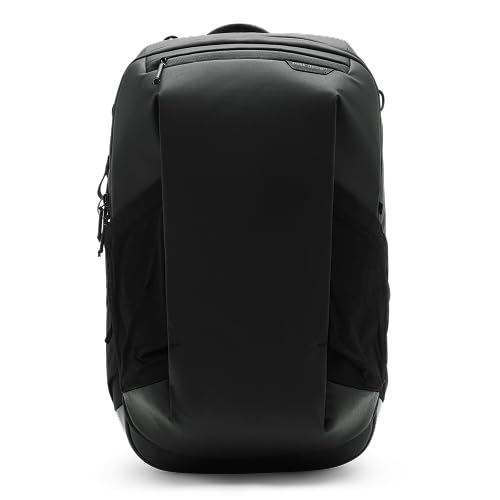
For photographers who want a larger carry-friendly solution, the Peak Design Travel Backpack 2-in-1 40L Black is a strong option to consider from Unique Photo. It is well suited to travelers who want one bag that can handle clothing, camera gear, and everyday essentials in a single organized setup.
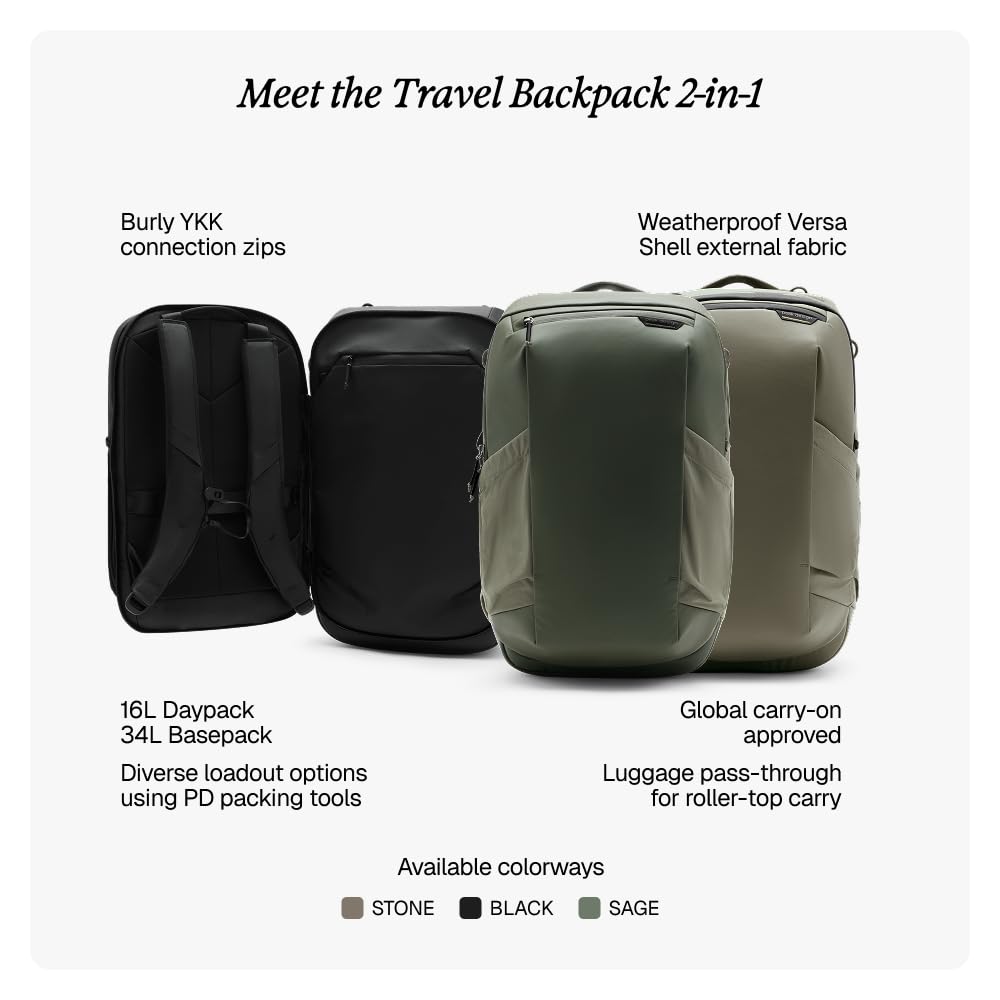
If you need even more capacity for longer trips, the Peak Design Travel Backpack 45L Black and Peak Design Travel Backpack 45L Sage are smart choices for photographers balancing gear with clothing and accessories. These bags appeal to travelers who want adaptable storage without jumping to oversized luggage.
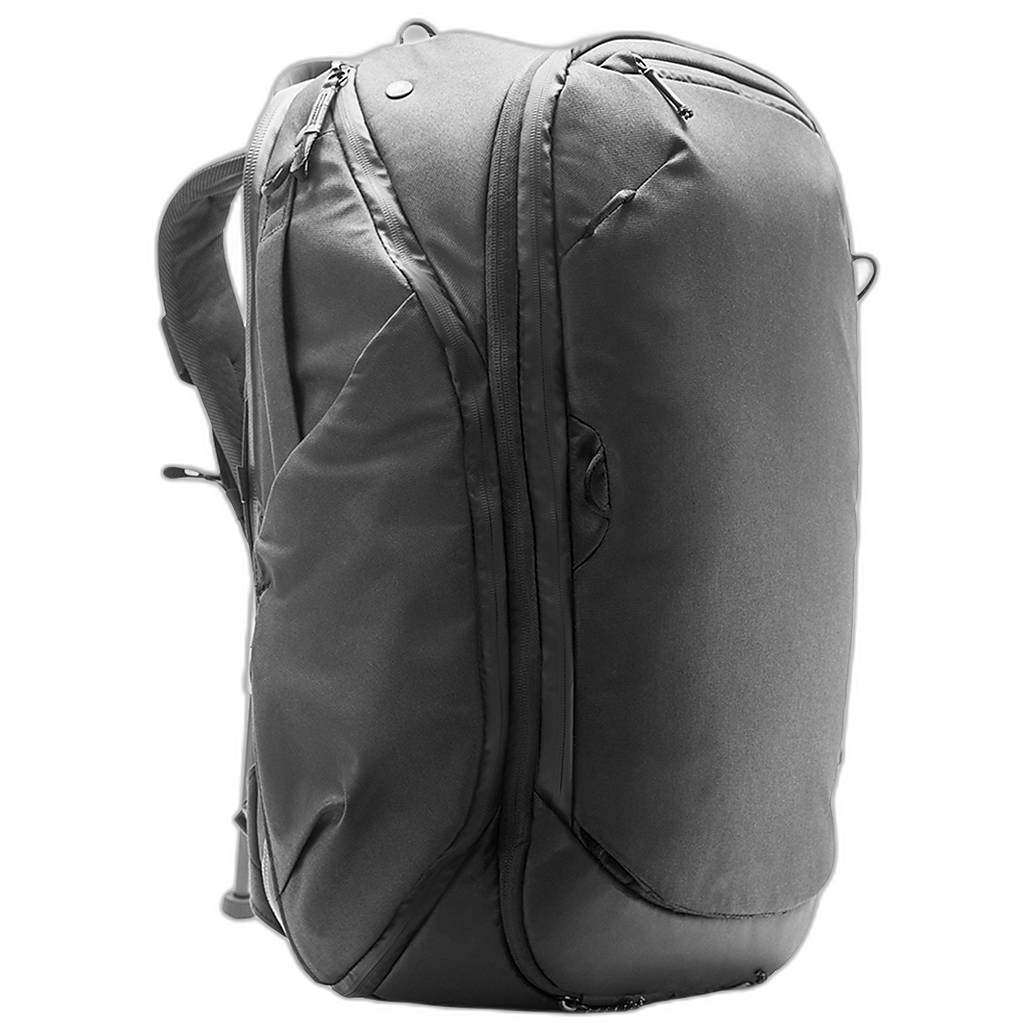
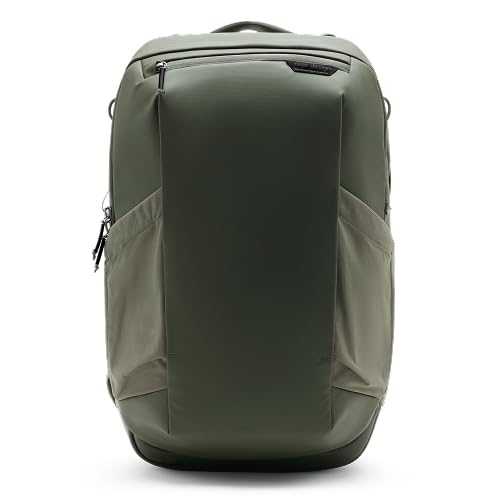
For lighter day use, a smaller pack can be the better answer. The Peak Design Travel Backpack 20L Black or Peak Design Travel Backpack 20L Sage can make sense for city exploration, museum days, and compact mirrorless kits where minimalism is the priority.
What to skip? Bags that are too large for your actual kit, bags with poor back support, or bags that scream "expensive camera gear" in busy tourist areas.
What accessories are actually worth packing for travel photography?
Travel photography accessories should earn their space. The best ones solve real problems without adding much weight.
Worth packing:
- Extra batteries: Cold weather, long shooting days, and video use drain batteries quickly.
- Extra memory cards: Smaller multiple cards can be safer than relying on one large card.
- Compact charger: Essential for multi-day trips.
- Universal power adapter: A must for international travel.
- Microfiber cloth: Small, cheap, and genuinely useful.
- Weather protection: Even a compact rain cover or zip bag can help in bad conditions.
- Portable SSD or backup solution: Important for longer trips or high-volume shooters.
Often worth skipping:
- Bulky battery grips
- Too many filters you rarely use
- Full-size laptop setups for short trips unless your workflow demands it
- Heavy studio accessories
- Multiple chargers for gear you may not even use
The key is to match accessories to your shooting plan. If you are primarily capturing casual travel moments, you do not need a production-level kit.
Should you bring a tripod for travel photography?
This depends on your subject matter. A tripod is valuable for night photography, long exposures, self-portraits, low-light landscapes, and certain video setups. But many travelers overestimate how often they will use one.
Bring a tripod if:
- You specifically plan to shoot sunrise or sunset landscapes
- You want night cityscapes or astrophotography
- You need sharp long exposures
- You are making travel videos that require stable framing
Skip it if:
- Your trip involves constant movement and packed itineraries
- You mostly shoot handheld street, family, or daytime scenes
- Your destination restricts tripod use in popular areas
Before packing one, ask yourself whether it will leave the room more than once. If the answer is no, save the space.
How do you pack light for travel photography?
Packing light is one of the best travel photography upgrades you can make. A lighter bag helps you stay comfortable, move faster, and remain more spontaneous. It also reduces the chances of checking gear you would rather keep with you.
Here is a practical way to pack lighter:
- Choose one main camera body.
- Limit yourself to one versatile lens and one optional specialty lens.
- Use a backpack sized to your trip, not your full collection.
- Bring only the accessories you know you will use.
- Wear your heaviest non-camera items in transit when possible.
A thoughtfully sized backpack helps enforce better packing habits. For example, a compact option like the Peak Design Travel Backpack 20L Black encourages a more disciplined, mobile kit. A larger choice like the Peak Design Travel Backpack 2-in-1 40L Sage may be better if you want a hybrid camera-and-clothing travel setup.
What should you skip packing for a travel photography trip?
If you want to travel smarter, it helps to know what not to bring. Here are some of the most common items photographers regret packing:
- Redundant camera bodies unless you truly need backup for professional work
- Every lens you own
- Oversized bags that become uncomfortable after a few hours
- Niche accessories that only support rare scenarios
- Heavy books or printed materials unless they directly support your creative goals during downtime
That said, a good photography book can still be a useful companion for inspiration before or after the trip. Unique Photo carries travel and photography reading options like The Enthusiasts Guide to Travel Photography - Jordana Wright, which can help photographers refine how they think about destinations, light, and storytelling.
Another thoughtful read is Photo No-Nos: Meditations on What Not to Photograph, which can be especially interesting for travelers looking to sharpen their visual judgment rather than simply collect more gear.
What is the best travel photography setup for different types of trips?
Different trips call for different gear strategies. Here is a simple framework:
Weekend city trip
Pack a compact camera body, one standard zoom or prime, extra battery, cards, and a smaller backpack like a 20L option.
International multi-stop trip
Pack one camera body, two lenses max, charger, adapter, weather protection, and a larger organized backpack like a 40L or 45L model.
Outdoor adventure trip
Pack weather-conscious gear, a durable backpack, minimal accessories, and only the lenses you know you will use in the field.
Family vacation
Prioritize speed and convenience. A simple setup is often best because you will be balancing photography with the flow of the trip.
Content creation trip
If you are producing photo and video, be realistic about support gear. Bring only what directly contributes to deliverables.
How can beginners choose travel photography gear without overspending?
Beginners often assume they need a long list of gear before they can travel well with a camera. In reality, strong travel images usually come from planning, timing, and familiarity with your setup more than from owning more equipment.
If you are just getting started, invest in:
- A camera you are comfortable using quickly
- One versatile lens
- A dependable backpack
- Extra battery and memory cards
That is enough to build skill and confidence. Over time, you can expand based on your actual needs. Unique Photo is a good resource for comparing travel-ready gear and finding practical options instead of overbuying based on specs alone.
Travel photography packing checklist: the smart final edit
Before you zip your bag, run through this final checklist:
- Camera body
- One to two lenses
- Batteries
- Memory cards
- Charger and cables
- Adapter if needed
- Cleaning cloth
- Compact backup solution
- Comfortable backpack
- Travel documents and insurance details
Then remove one non-essential item. That last edit usually improves your kit.
In the end, the best travel photography gear is the gear that supports your trip instead of dominating it. A well-chosen bag, a simple camera setup, and a realistic packing list will help you stay creative and mobile. Unique Photo offers a range of travel-friendly backpacks and photography books that can help you prepare more thoughtfully for your next adventure.
For readers exploring their next purchase, consider browsing related categories at Unique Photo such as travel backpacks, photography books, and everyday camera carry solutions. You can also link this guide alongside other helpful resources on camera bags, beginner photography gear, and lens buying guides to build a stronger travel photography planning hub.