When beginners ask, “What camera should I buy first?” the answers usually sound less like a simple product list and more like a lively debate. Some photographers recommend starting with an affordable body and one good lens. Others say ergonomics, autofocus, and lens selection matter more than the camera itself. And almost everyone agrees on one thing: the best beginner setup is the one that makes you want to keep shooting.
If you’re sorting through personal reviews, forum opinions, and advice from friends, these tips can help you focus on what really matters—features you’ll actually use, lenses that teach you the most, and accessories that make photography easier instead of more complicated.
1. Start with the kind of photography you actually want to do
Pick a camera based on your subjects, not just specs
One of the most useful pieces of beginner advice is to ignore the “best camera” argument and think about what you want to photograph first. Travel, family moments, landscapes, streaming, vlogging, street photography, and portraits all place different demands on a camera.
- If you want to shoot wide landscapes or architecture, lens choice matters immediately.
- If you want to make videos or stream, connectivity and accessory support become much more important.
- If you want to learn composition and manual control, even a modest camera can take you far with the right lens.
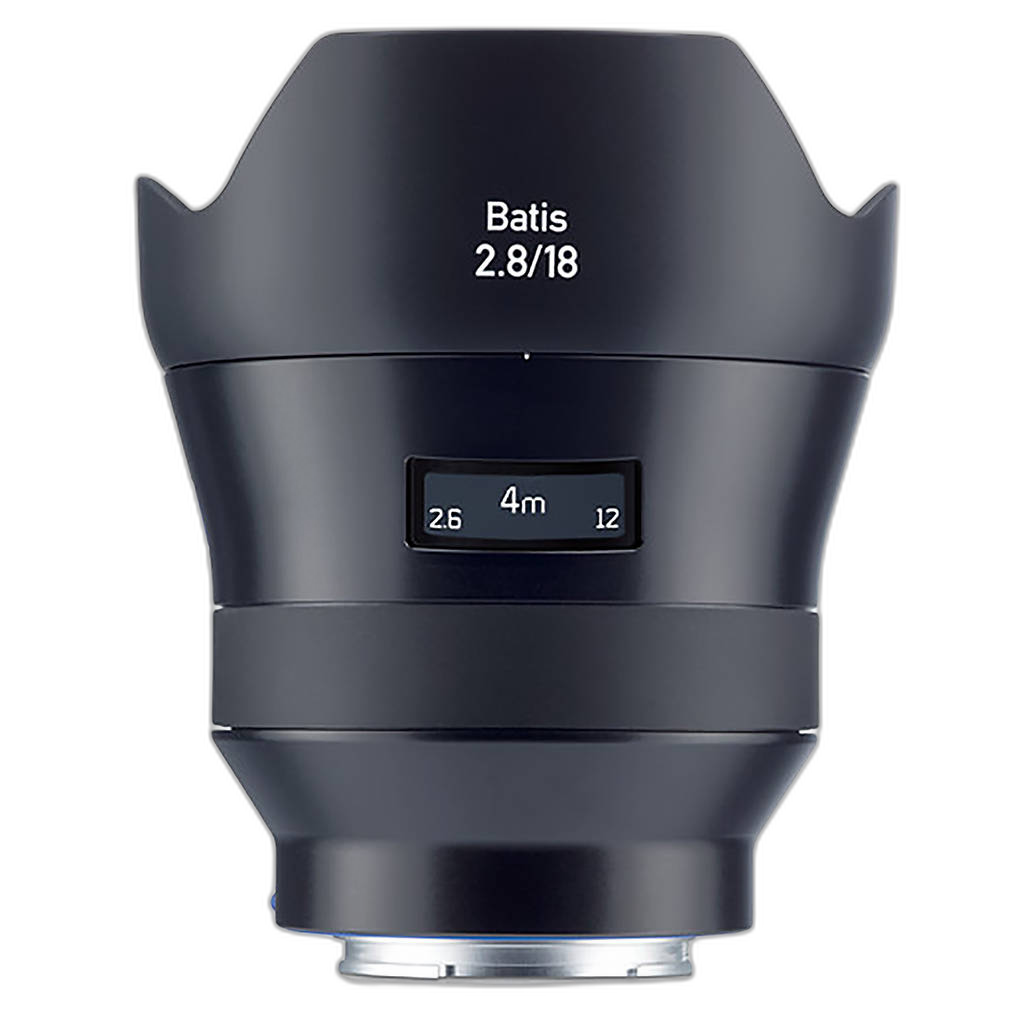
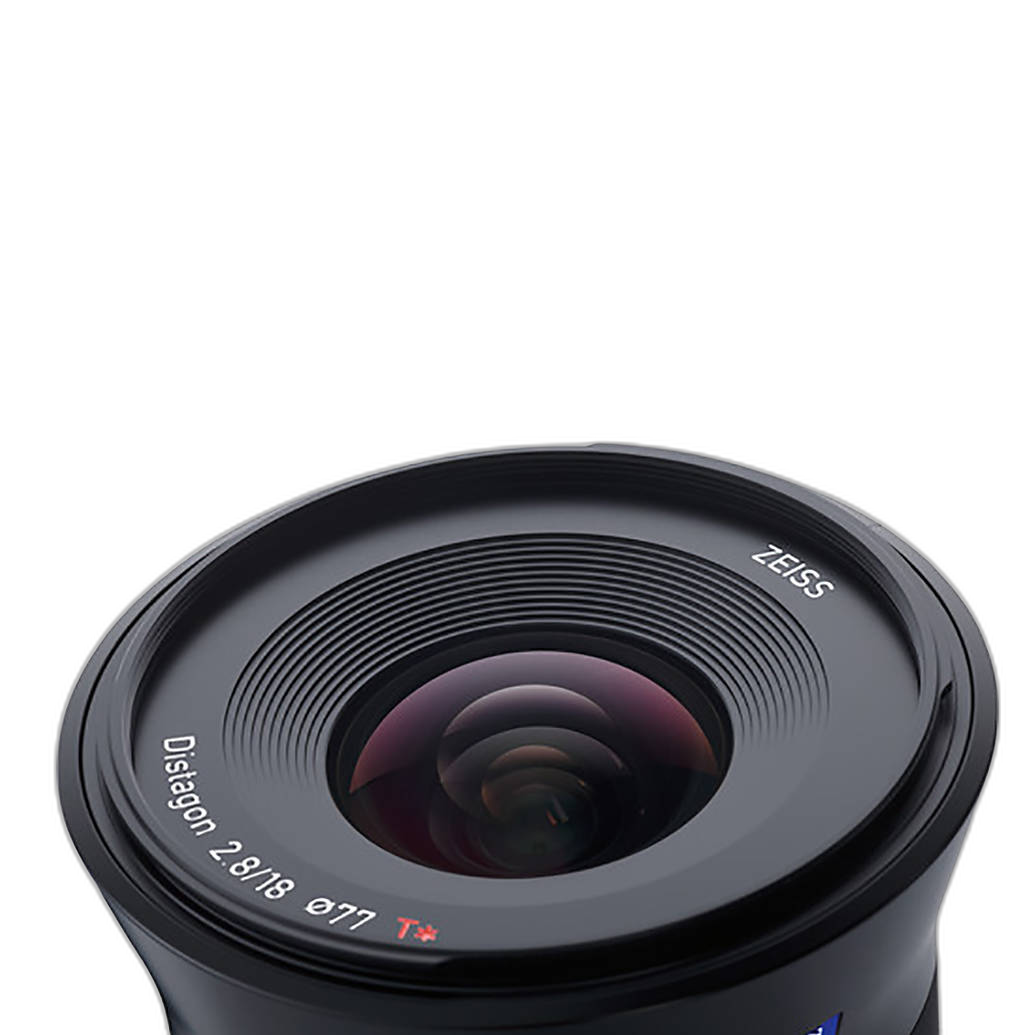
For example, beginners entering the Sony full-frame system and wanting dramatic wide-angle coverage may hear strong personal reviews about lenses like the Zeiss Batis 18mm f/2.8 AF lens for Sony Full Frame E-Mount Cameras. A lens like this is often praised for landscapes, interiors, and environmental scenes because it encourages you to think carefully about framing and foreground interest.
2. Don’t overbuy your first camera body
Ease of use beats advanced features you may never touch
Many experienced photographers look back and say their first mistake was buying too much camera. Newcomers often get pulled toward high-end bodies loaded with pro-level video options, burst rates, and deep menu systems, only to use them in full auto most of the time.
Instead, prioritize:
- Comfortable grip and controls
- Reliable autofocus
- Good battery life
- A lens mount with room to grow
- A menu system you can learn without frustration
Personal reviews from longtime shooters often mention that confidence matters more than having every feature. If a camera feels approachable, you’ll bring it out more often—and practice is what really accelerates progress.
3. Spend more thought on the lens than most beginners expect
Your lens shapes your style faster than your camera body does
This is one of the most repeated points in beginner discussions: lenses often make a bigger difference than the camera body. A good lens teaches you how to see. It changes how close you stand, how you compose, and how your images feel.
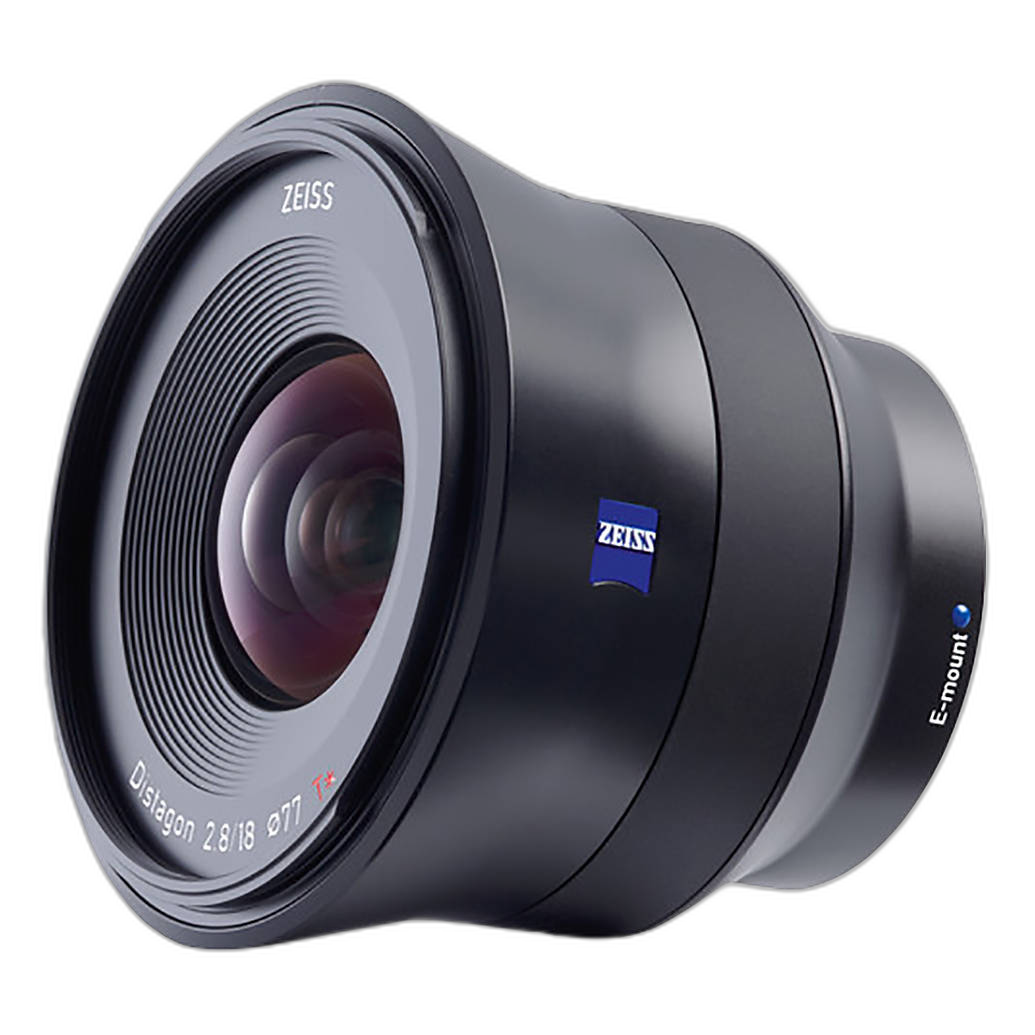
Wide-angle options, in particular, can be eye-opening for beginners exploring scenery, travel, and interiors. The Zeiss Batis 18mm f/2.8 AF is the kind of lens enthusiasts often bring up when discussing premium wide-angle choices in Sony E-mount systems, especially for photographers who want sharp detail and a broad field of view without stepping into ultra-specialized gear.
That doesn’t mean every beginner needs an advanced wide prime on day one. It means you should think about where your money makes the biggest impact. A simpler body with a lens you truly enjoy can be a better learning tool than an expensive body paired with a lens you quickly outgrow.
4. Learn the features that matter most for beginners
Focus on autofocus, stabilization, and usability first
When newcomers compare camera recommendations, the feature list can get overwhelming. In practice, a few core features tend to matter most early on:
- Autofocus: Helpful for portraits, pets, children, and casual everyday shooting
- Image stabilization: Useful when shooting handheld in lower light
- Flip screen: Great for self-recording, vlogging, and awkward angles
- Viewfinder quality: Important for composing in bright outdoor conditions
- Lens ecosystem: Vital if you plan to expand later
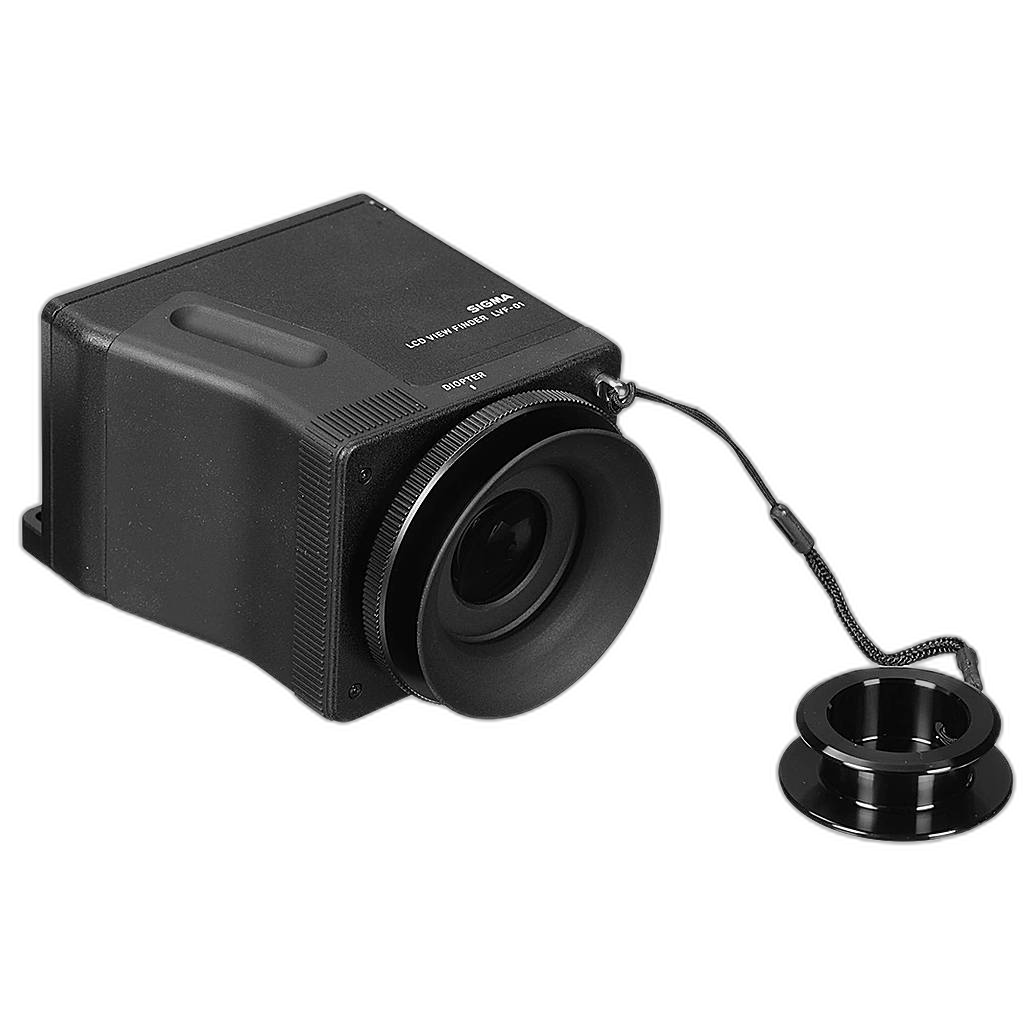
Some beginners also discover that accessories can improve usability more than another spec upgrade. For instance, composing on an LCD in bright light can be frustrating, which is why specialized viewing tools such as the Sigma LVF-01 LCD Viewfinder for Sigma DP Quattro Cameras are appreciated by users who want a clearer, more focused viewing experience outdoors.
5. If you plan to stream or video chat, buy with your workflow in mind
Content creation beginners should think beyond still photos
One thing that comes up more often now in beginner camera debates is webcam and streaming use. A camera that works well for photos can become even more useful if it fits into your online workflow for classes, livestreams, tutorials, or work calls.
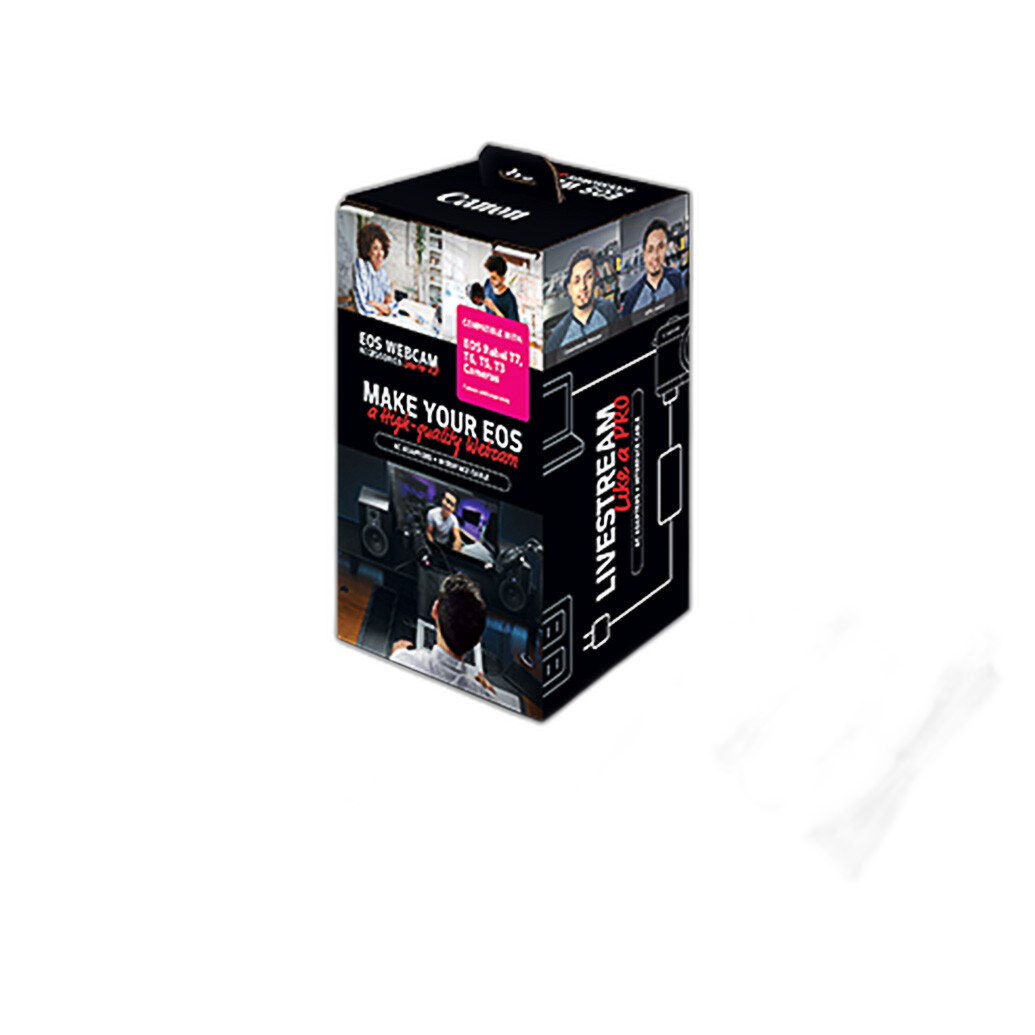
That’s where a practical bundle can make things easier. The Canon EOS Webcam Accessories Starter Kit for EOS Rebel Cameras is a good example of an accessory package that speaks directly to beginners who want to use a compatible Rebel camera for more than still images. Instead of piecing together your setup one item at a time, a starter kit can smooth out the learning curve.
For newcomers balancing photography with content creation, this kind of practical add-on can sometimes be more valuable than chasing one more camera feature on the spec sheet.
6. Don’t ignore accessories—but keep them practical
Buy accessories that solve real problems
Beginner photographers often get two types of advice: either “you need all the accessories” or “don’t buy anything extra.” The truth sits in the middle. Accessories are worth it when they remove friction from shooting.
Useful first-accessory categories include:
- Extra power options
- Camera protection
- Straps and bags
- Memory cards
- Simple lighting tools
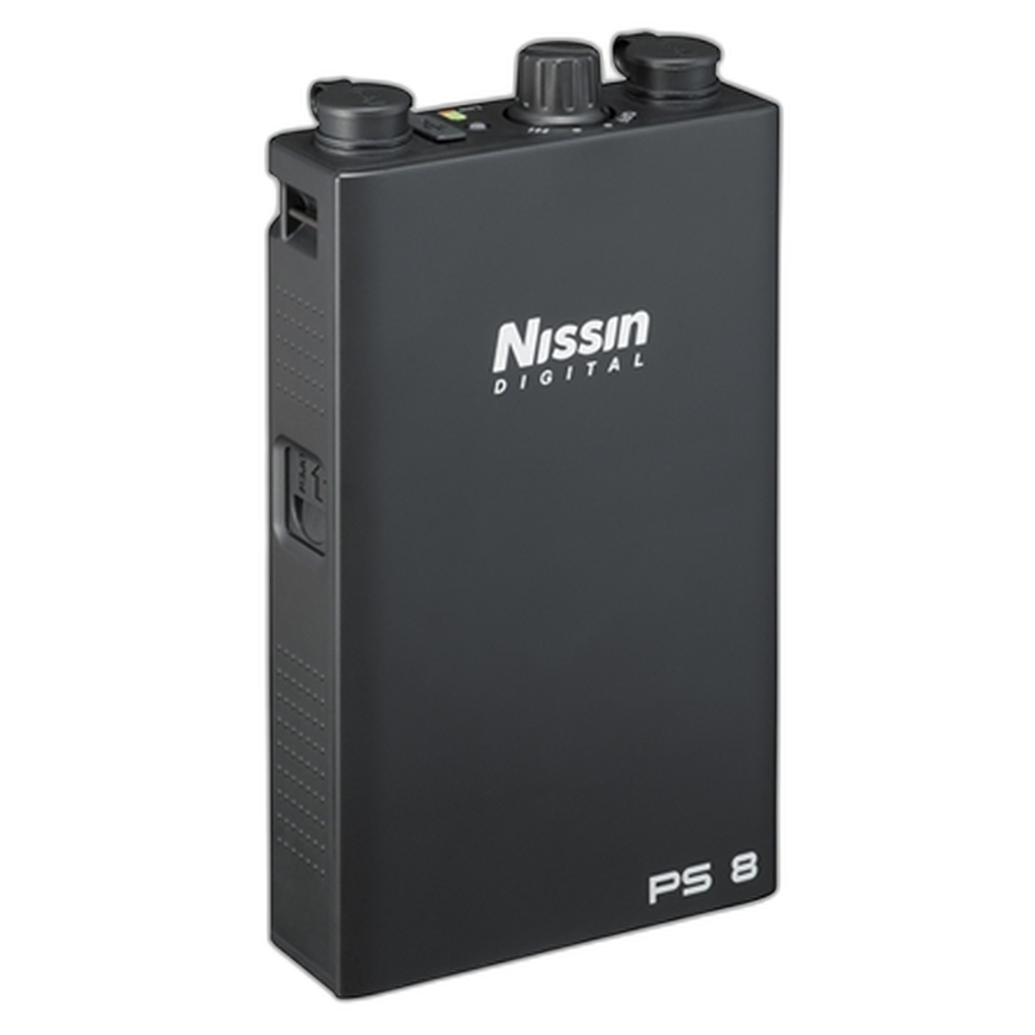
If you begin exploring flash photography, dependable power becomes a real quality-of-life upgrade. The Nissin PS 8 Power Pack for Select Canon Cameras is the kind of accessory that illustrates how specialized power gear can support more demanding shooting situations once you start moving beyond casual snapshots.
For most beginners, the takeaway is simple: let your needs guide the accessory list. Buy the thing that fixes a problem you already have.
7. Personal reviews are helpful—but pay attention to context
Who is giving the recommendation, and how do they shoot?
A beginner reading camera recommendations will quickly notice that one person’s “perfect starter camera” is another person’s “outgrown in three months” option. That doesn’t mean either review is wrong. It usually means the reviewer shoots differently.
When reading opinions, ask:
- Do they shoot photos, video, or both?
- Are they traveling light or working from a tripod?
- Do they value portability over controls?
- Are they reviewing a whole system or just one product?
This same context applies to lens opinions too. A landscape shooter may rave about the edge-to-edge rendering and dramatic perspective of a lens like the Zeiss Batis 18mm f/2.8 AF, while a portrait beginner may find a standard zoom more useful at first. Matching advice to your own goals is more important than finding the loudest opinion.
8. Think about protection and long-term value early
A beginner camera is still an investment
Newcomers sometimes focus so much on choosing the right camera that they forget to think about protecting it. If you’re stretching your budget for gear, warranty coverage or protection plans may be worth considering—especially if video production or professional use could be part of your future.
Options like Canon CarePAK PRO EOS Cinema Cameras - 4000-5499.99 - 2 year warranty and Canon CarePAK PRO EOS Cinema Cameras - 3000-3999.99 - 3 year warranty show how some buyers build support and service into their purchasing decisions from the start. Even if a beginner is not shopping cinema gear today, the broader lesson is useful: think beyond the initial purchase price and consider the full ownership experience.


9. The best beginner setup is the one that keeps you shooting
Confidence, comfort, and repetition matter more than perfection
If there’s one theme that comes through in almost every beginner camera discussion, it’s this: your first camera does not need to be your forever camera. It needs to be a camera you enjoy using. The same goes for lenses and accessories. Start with a setup that feels manageable, versatile, and inspiring enough to carry regularly.
That may mean starting simple with one body and one lens. It may mean choosing practical extras like a webcam kit or viewfinder accessory to support how you actually shoot. Or it may mean investing in one stronger lens that helps you learn composition faster.
Conclusion
Beginner camera advice can feel noisy, but the most useful recommendations usually come down to a few practical truths: buy for your goals, choose lenses carefully, learn the features that matter, and add accessories only when they solve a real problem. As your skills grow, your preferences will become clearer—and that’s a normal part of the journey.
If you’re ready to compare gear, explore lenses, or build out a first setup with confidence, Unique Photo is a great place to keep learning and find equipment that fits where you are now and where you want to go next.