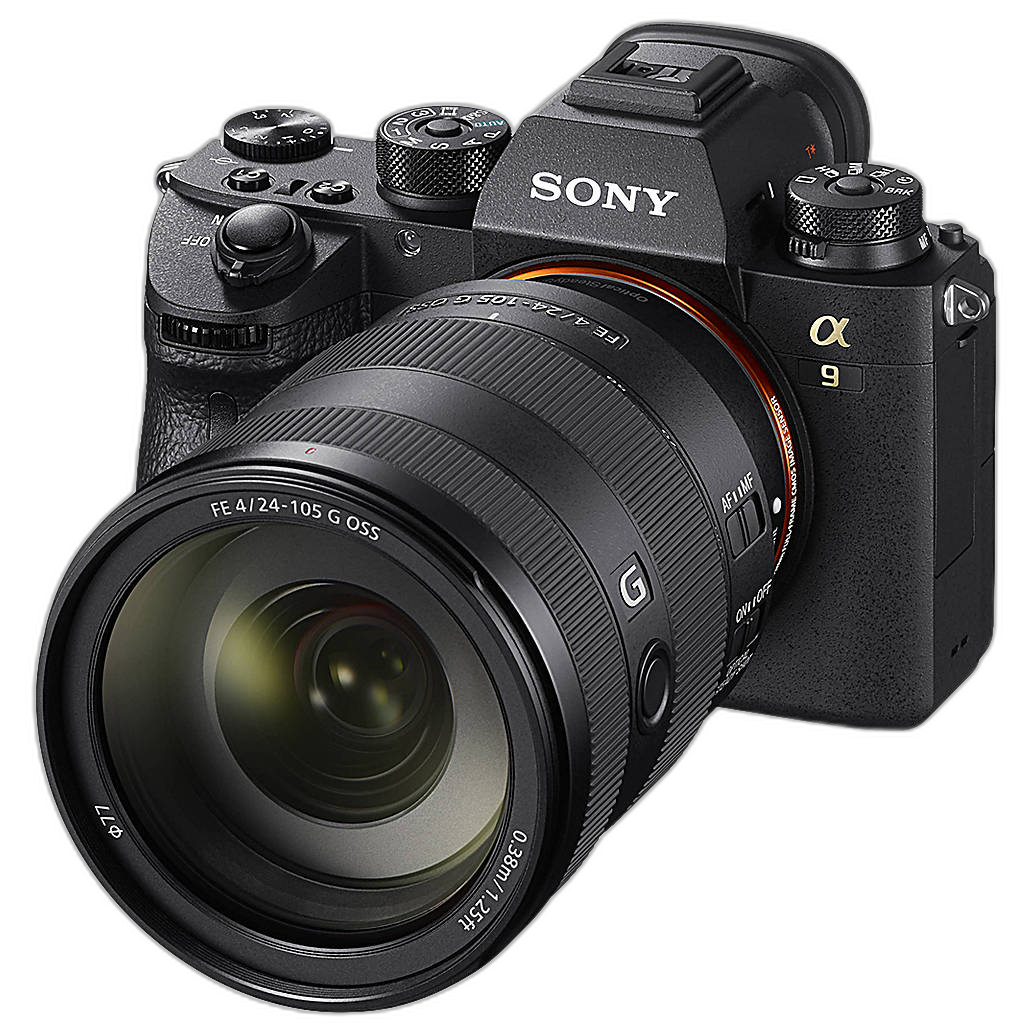
If you shoot both video and stills, choosing the right lens is rarely as simple as picking the sharpest option. Hybrid creators need to balance focal length flexibility, aperture, stabilization, size, autofocus behavior, and how a lens feels in motion as well as in a single frame. Sony Lens Compare Beta is especially useful here because it helps you think beyond spec-sheet shopping and compare how lenses fit real-world hybrid workflows.
This guide is for Sony shooters building a kit for travel, events, documentary work, architecture, landscapes, interviews, and everyday content creation. We’ll focus on two standout Sony full-frame E-mount lenses available at Unique Photo and explain where each fits best for video-first, photo-first, and true hybrid use.
How Hybrid Shooters Should Use Sony Lens Compare Beta
When comparing lenses for hybrid work, it helps to look at four practical questions:
- How wide or versatile is the focal range? Wide zooms are great for gimbals, interiors, real estate, landscapes, and dramatic establishing shots. Standard zooms are often the better all-around choice for events, interviews, portraits, and run-and-gun work.
- How important is aperture for your style? A constant f/2.8 is a major advantage for low light and subject separation. A constant f/4 can still be excellent for hybrid work, especially when paired with stabilization and a useful zoom range.
- Do you need stabilization? For handheld video, optical stabilization can make a real difference, especially if you’re shooting documentary or travel content without a rig.
- Will this lens spend more time on your camera than in your bag? The best hybrid lens is often the one versatile enough to stay mounted through changing shooting conditions.
Quick Comparison for Video vs. Stills
| Lens | Best For Video | Best For Stills | Key Strength | Trade-Off |
|---|---|---|---|---|
| Sony FE 12-24mm f/2.8 GM | Gimbal work, interiors, architecture, landscapes, dynamic wide-angle storytelling | Landscape, architecture, environmental portraits, real estate | Ultra-wide coverage with pro-level f/2.8 performance | Less everyday reach for portraits and event coverage |
| Sony FE 24-105mm f/4 G OSS | Run-and-gun, travel, interviews, handheld documentary, general content creation | Events, portraits, travel, everyday shooting | Extremely useful zoom range plus OSS stabilization | Slower maximum aperture than f/2.8 options |
Our Pick
Our Pick: Sony FE 24-105mm f/4 G OSS Lens
For most hybrid shooters, the Sony FE 24-105mm f/4 G OSS is the smarter all-around buy. Sony Lens Compare Beta makes this clear once you think in terms of total workflow rather than just maximum aperture. The 24-105mm range covers wide establishing shots, normal perspectives, flattering portrait focal lengths, and tighter detail shots, all without changing lenses. Add optical stabilization, and it becomes a dependable choice for handheld video and stills alike.
Recommended Sony Lenses for Hybrid Shooters
Sony FE 24-105mm f/4 G OSS Lens
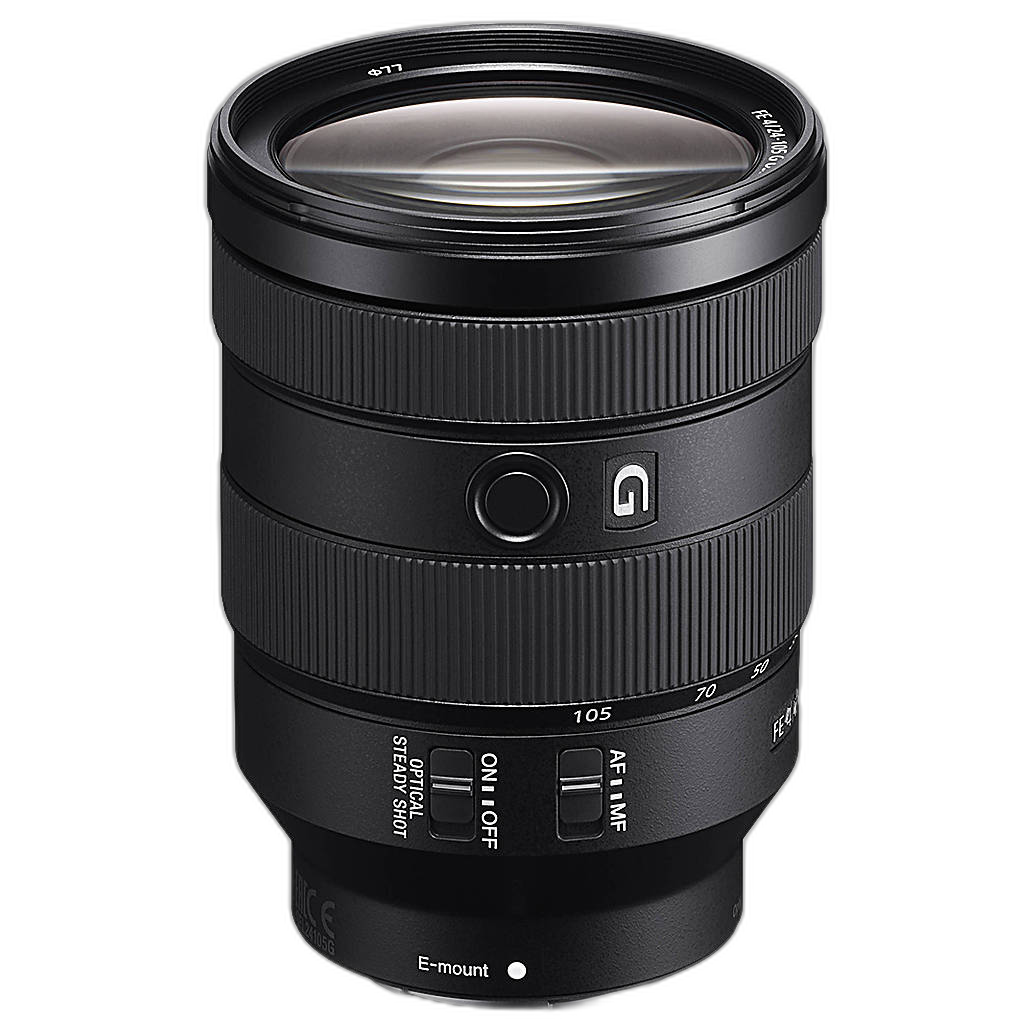
The Sony FE 24-105mm f/4 G OSS Lens is one of the easiest recommendations for hybrid creators because it does almost everything well. If you’re using Sony Lens Compare Beta to narrow down a practical one-lens solution, this is the lens many shooters will land on.
For video, 24-105mm gives you the kind of range that supports real production flow: 24mm for walk-and-talks or environmental framing, midrange focal lengths for interviews and general coverage, and 85-105mm for detail shots or flattering tighter compositions. Optical SteadyShot helps support handheld footage, which is especially useful for travel, events, and documentary-style work.
For stills, it covers family sessions, events, portraits, travel, and general commercial shooting with minimal lens swaps. While f/4 won’t deliver the same low-light performance or subject separation as an f/2.8 zoom, the flexibility is hard to beat.
Buy it if: you want one Sony lens that can credibly handle both stills and video on most shoots.
Best for: hybrid creators, event shooters, travel shooters, documentary work, interviews, and content creators.
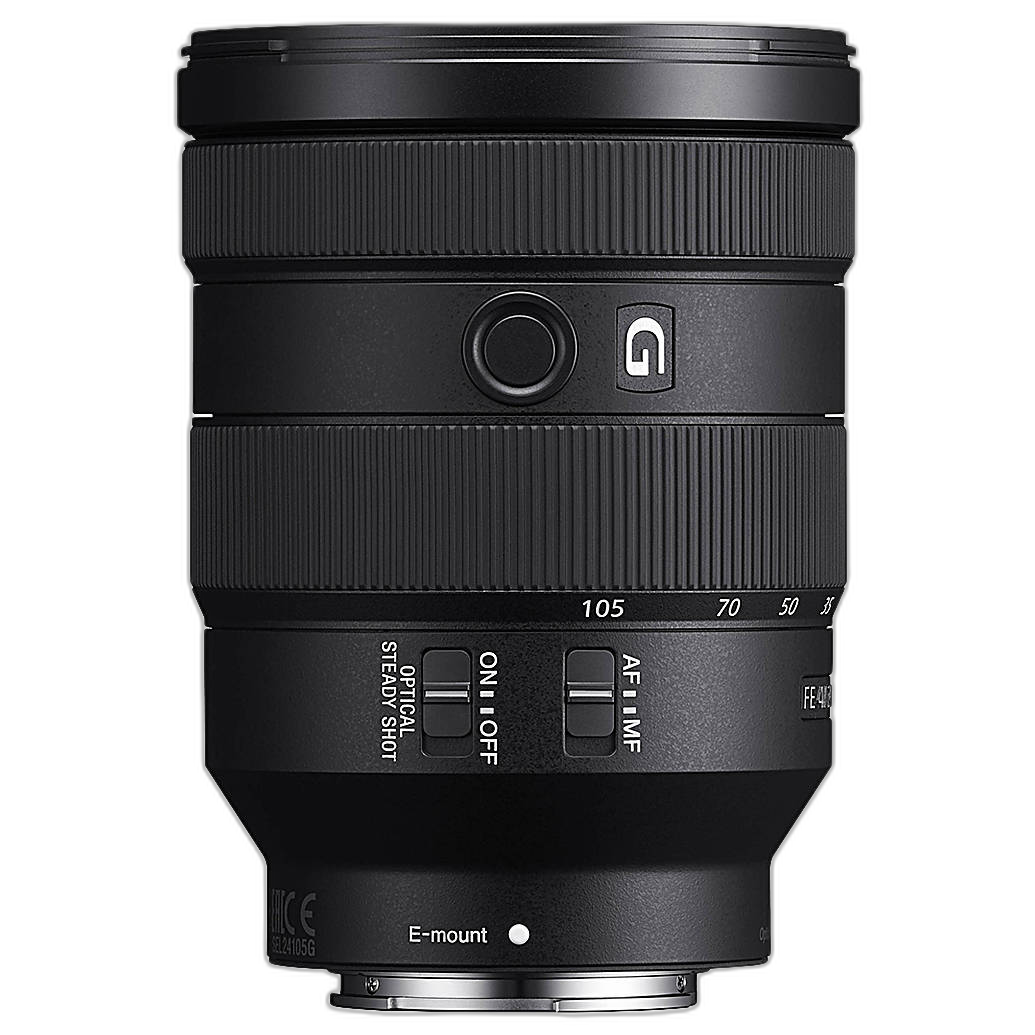
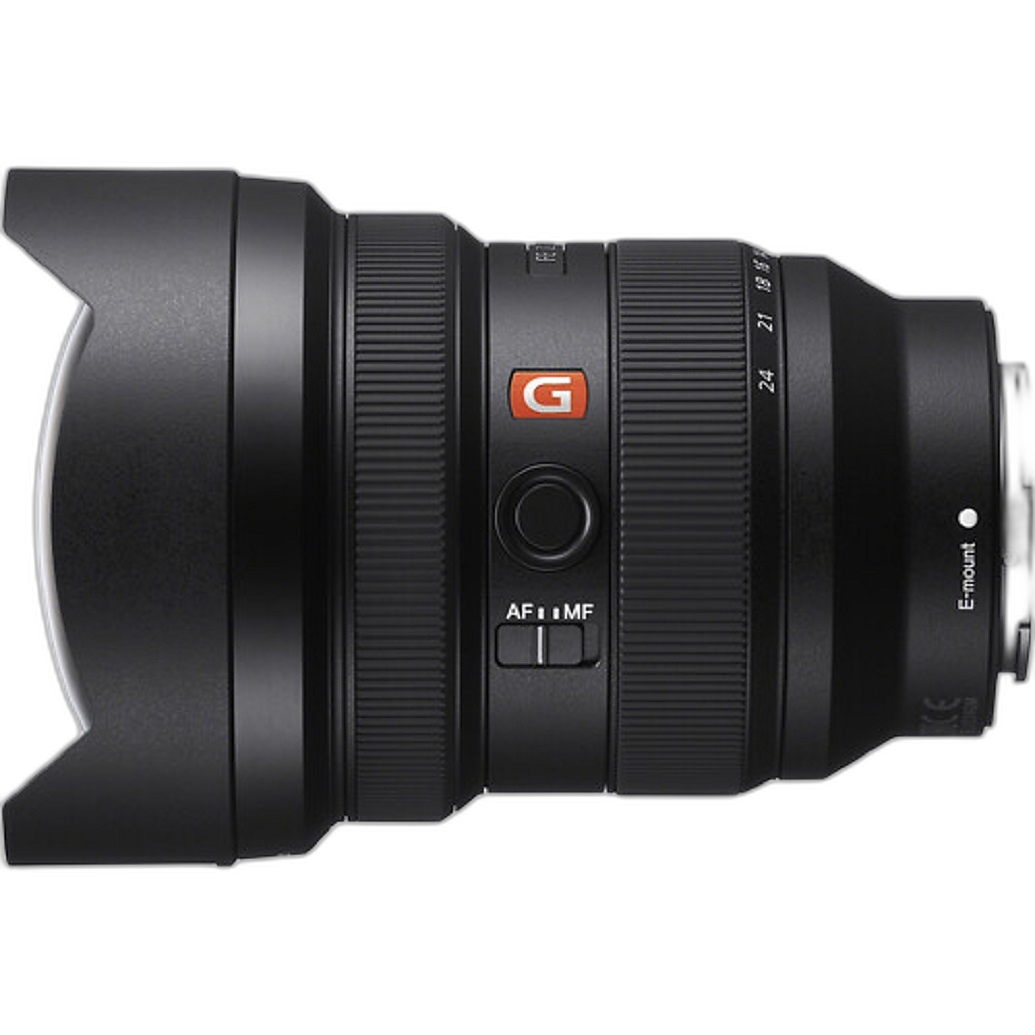
Sony FE 12-24mm f/2.8 GM Lens
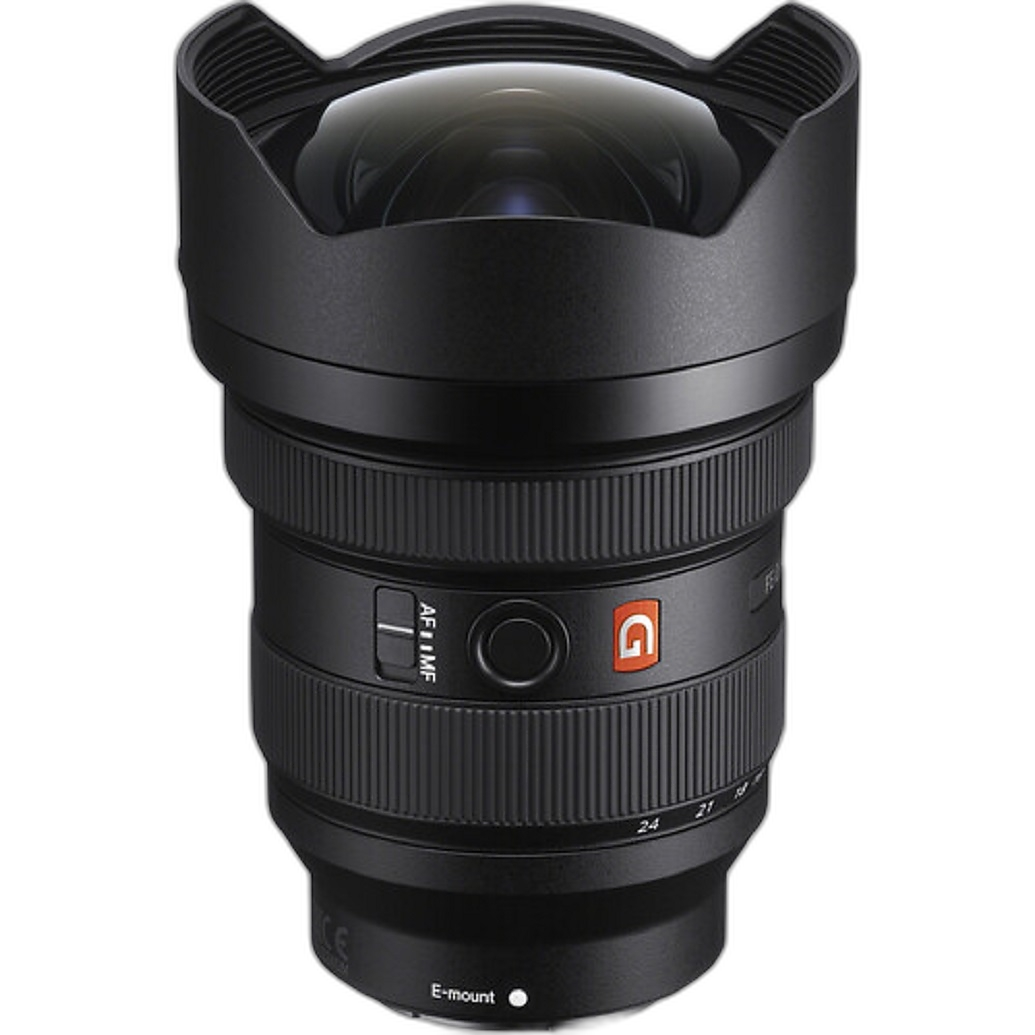
The Sony FE 12-24mm f/2.8 GM Lens is a more specialized tool, but for the right hybrid shooter it can be a game-changer. In Sony Lens Compare Beta, this is the lens that stands out when your work leans heavily into wide-angle storytelling.
For video, it’s ideal for gimbal operation, dramatic establishing shots, interiors, architecture, real estate, music videos, vlogging in tight spaces, and immersive travel footage. The f/2.8 aperture is especially valuable if you shoot in lower light or want more flexibility in controlled productions.
For stills, this lens shines in landscapes, architecture, editorial environmental portraits, and any scene where scale matters. It’s also a strong choice for shooters who need edge-to-edge performance at very wide focal lengths.
The trade-off is simple: this is not your one-lens hybrid solution. It’s your lens for when width, impact, and premium optical performance matter more than all-purpose convenience.
Buy it if: your hybrid work depends on ultra-wide coverage and a fast constant aperture.
Best for: architecture, real estate, landscapes, interiors, gimbal shooters, and creators building a multi-lens Sony kit.
Which Lens Makes More Sense for Your Work?
Choose the Sony FE 24-105mm f/4 G OSS if:
- You need one lens for both client work and personal projects
- You shoot handheld video regularly
- You cover events, interviews, travel, portraits, and general lifestyle content
- You value versatility more than maximum aperture
Choose the Sony FE 12-24mm f/2.8 GM if:
- Your work is heavily focused on ultra-wide compositions
- You shoot architecture, interiors, landscapes, or dynamic gimbal footage
- You want a premium wide zoom to complement a standard zoom in a two-lens kit
- You need f/2.8 performance for wide-angle video or stills
Best Two-Lens Hybrid Strategy
If your budget allows for a more complete Sony setup, these two lenses actually complement each other extremely well. The 12-24mm f/2.8 GM covers your dramatic wide end, while the 24-105mm f/4 G OSS handles the majority of day-to-day hybrid work. Using Sony Lens Compare Beta this way helps you see not just which lens is better, but how lenses can work together to reduce compromises.
Conclusion
For most hybrid shooters, the Sony FE 24-105mm f/4 G OSS Lens is the best starting point thanks to its broad focal range, stabilization, and true all-purpose usability. If your creative style depends on immersive wide-angle work, the Sony FE 12-24mm f/2.8 GM Lens is the premium specialist worth considering.
If you’re comparing Sony lenses for video and stills, Unique Photo is a great place to shop the right fit for your workflow, whether you need a single do-it-all zoom or a more advanced hybrid kit built around multiple lenses.