Paid photo contests can be a smart way to get your work seen, build confidence, and even win useful prizes—but not every entry fee is money well spent. Some competitions are genuinely valuable for networking and exposure, while others are little more than expensive vanity galleries or rights grabs. If you are deciding whether to submit, these tips can help you evaluate the opportunity, protect your images, and make sure your budget goes toward contests that actually support your growth as a photographer.
Start by Asking What You Want From the Contest
1. Define whether you want exposure, feedback, prizes, or credibility
Before you pay an entry fee, be clear about your goal. Are you trying to add a recognizable award to your portfolio, get your images in front of editors, meet curators, or simply challenge yourself with deadlines? A contest that offers judged feedback or an exhibition may be worth more than one that promises a vague “global audience.”
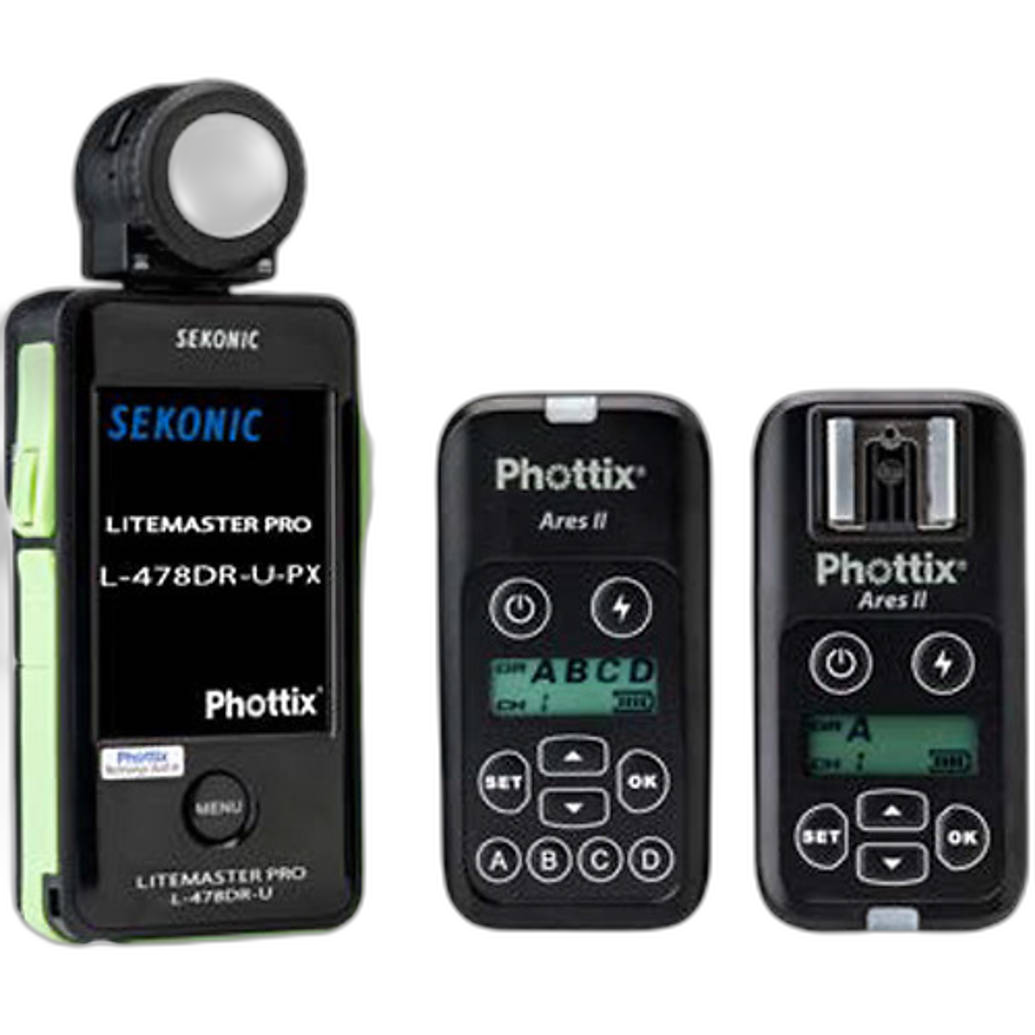
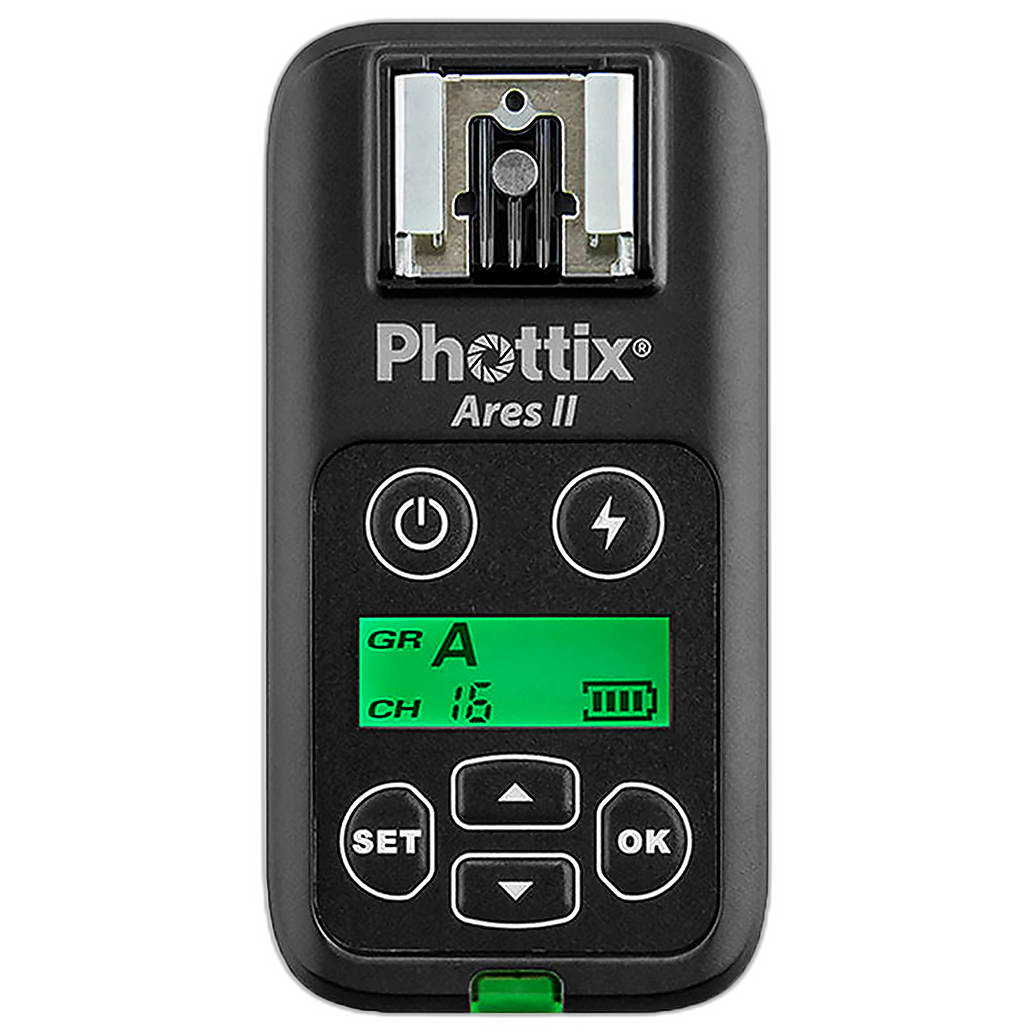
If your goal is improving presentation quality, it can help to review your lighting and technical consistency before submitting. Tools like the Sekonic L-478DR-U-PX Meter with Phottix ARES II Trigger and Receiver are useful for photographers who want repeatable exposure and polished contest-ready files, especially in controlled portrait or commercial work.
Read the Rules Like a Contract
2. Look closely at image rights and usage terms
One of the biggest red flags in paid contests is an overly broad rights clause. A reputable contest may request limited promotional use tied to the competition itself. A questionable one may try to claim perpetual, irrevocable, worldwide rights to every submitted image—even from non-winning entries—without further payment.
If the contest can resell, license, alter, or use your work in advertising without compensation, think carefully before entering. Exposure is not always a fair trade for unlimited usage.
3. Check whether judges, sponsors, and organizers are transparent
Legitimate contests usually identify their judges, partners, deadlines, prize structure, and past winners. If the organizers are vague about who is reviewing the work or where winning images will appear, that is a warning sign. Search for previous editions of the contest and see whether photographers actually received the promised recognition.
Evaluate Whether the Fee Matches the Opportunity
4. Compare the entry cost to the actual benefits
A paid contest can be worth it if the return is meaningful: cash prizes, portfolio reviews, publication, exhibition space, industry access, or respected credentials. But a high fee with little more than a downloadable badge and social media mention may not justify the cost.
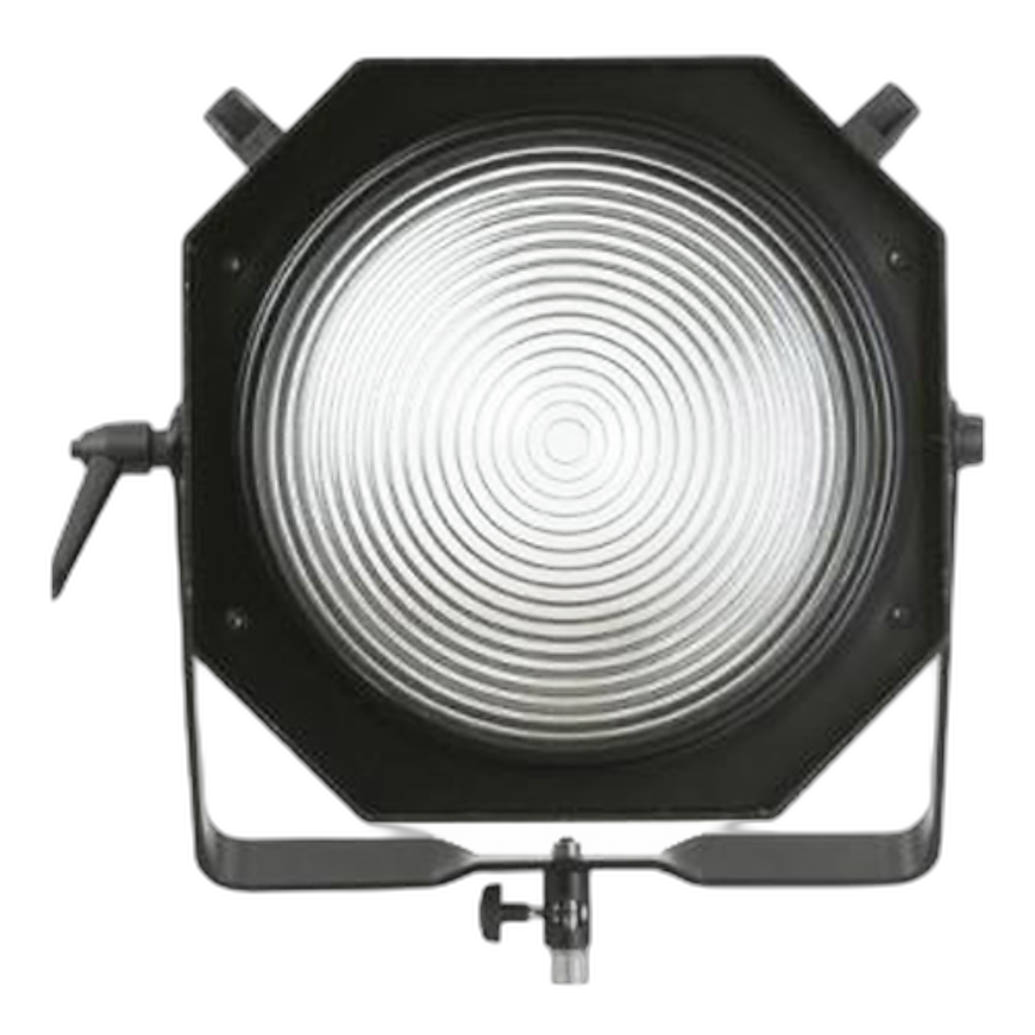
It helps to think of contest fees the same way you think about gear or production expenses. You would not invest in a specialized modifier like the Profoto ProFresnel Spotlight unless it served a clear creative purpose, and the same logic applies to competition entries—spend intentionally, not emotionally.
Watch for Common Scam Signals
5. Be cautious if “everyone wins” or finalist numbers seem inflated
If a contest announces hundreds of finalists, dozens of category winners, and endless paid add-ons for certificates, books, or gallery placements, the real business model may be collecting fees rather than celebrating standout photography. Recognition should feel selective and meaningful.
6. Avoid contests that pressure you into extra purchases
Some questionable competitions make their money after the entry process by upselling framing, exhibition prints, award seals, publication fees, or expensive event tickets. Optional extras are not automatically bad, but they should not be the main point of the contest.
7. Research complaints from past entrants
Search the contest name along with terms like “review,” “scam,” “rights,” and “winners.” Look for discussions in photography communities and forums. If multiple photographers report poor communication, changing rules, or misleading promises, move on.
Submit Stronger Work, Not Just More Work
8. Enter fewer contests, but send your best-edited images
Many photographers waste money by submitting to too many contests with inconsistent work. A tightly edited set that shows a clear point of view has a better chance than a broad mix of unrelated images. Curators and judges often remember coherence more than volume.
If your submission involves studio portraits, fashion, or conceptual work, refined lighting can make a major difference. High-output fixtures such as the Nanlux Evoke 1200B LED Bi-Color Spot Light Kit or the Nanlux Evoke 900C RGBLAC Spot Light are the kind of tools that support polished, intentional image-making when you are building portfolio pieces for higher-level competitions.
Think Beyond Contests for Exposure
9. Use contests as one part of your visibility strategy
Even a good contest should not be your only plan for getting noticed. Pair submissions with portfolio updates, direct outreach, social sharing, local exhibitions, client work, and community involvement. Real exposure usually comes from repeated visibility in the right circles, not one single win.
For wildlife or nature photographers, for example, a distinctive body of work often opens more doors than a single contest placement. Specialty tools like a Used Leica APO-Televid 77 Spotting Scope with Camera Adapter can help create compelling long-range observational images or support fieldcraft in projects that later become strong contest submissions, editorial pitches, or gallery series.
Ask Whether the Contest Fits Your Genre
10. Enter competitions where your work makes sense
A wildlife series may not perform well in a fashion-focused competition, and a fine-art conceptual piece may not resonate in a documentary-driven one. Read past winner galleries and judge bios to understand the visual language the contest tends to reward. You are not just asking whether the contest is legitimate—you are asking whether it is a good match for your work.
That same idea applies when shaping images in production. Controlled lighting, careful metering, and intentional modifiers help you create work that fits a specific market or judging style instead of submitting generic images everywhere.
Protect Your Files and Presentation
11. Watermark only when appropriate, but always keep high-resolution masters secure
Follow the submission rules exactly. If the contest requests unwatermarked files, do not break the rules—but make sure you understand how those files will be used. Keep your original RAW files, exports, and metadata organized. If there is ever a dispute over authorship or unauthorized use, your originals matter.
12. Make your captions and artist statement count
Judges often see many technically strong images. A thoughtful caption or concise project statement can help your work stand out, especially in documentary, nature, and fine-art categories. Be specific, honest, and professional. Strong presentation can elevate a submission without costing anything extra.
Know When a Paid Contest Is Actually Worth It
13. Good contests usually offer at least one of these real advantages
- Respected judges with relevant industry standing
- Clear rights language that protects entrants
- A credible publication, exhibition, or portfolio review opportunity
- Useful prizes, cash, or equipment
- Visible promotion that reaches the right audience
- A strong history of past winners gaining recognition
If a contest checks several of those boxes, a fee may be perfectly reasonable. If it checks none of them, your money may be better spent on printing, education, portfolio reviews, or gear that helps you create stronger work in the first place.
Conclusion
Paid photo contests can be worth it—but only when they align with your goals, respect your rights, and offer meaningful visibility or rewards. Take time to research each opportunity, read the fine print, and submit only your strongest work. A careful approach will help you avoid scams and focus your energy on opportunities that genuinely move your photography forward. For photographers looking to refine their craft and build stronger submissions, Unique Photo offers tools and gear that support better image-making at every level.