Are Paid Photo Contests Legit? A Photographer’s FAQ Guide
Paid photography contests can be worthwhile, but they are not all created equal. Some offer real exposure, meaningful judging, and valuable prizes, while others are built more around collecting entry fees than supporting photographers. At Unique Photo, we recommend evaluating every contest carefully so your time, money, and images are invested wisely.
If you are considering entering a competition, the key is to look beyond the marketing language and focus on transparency, rights terms, judging credibility, and whether the opportunity actually supports your goals as a photographer.
How can you tell whether a paid photo contest is legitimate?
A legitimate contest is usually clear about its rules, deadlines, fees, judging panel, prize structure, and image usage terms. You should be able to find straightforward information about who runs the contest, how winners are selected, and what entrants receive in return. Reputable competitions generally have a visible track record, named judges, a professional website, and terms that do not overreach when it comes to ownership of your photographs.
One of the biggest signs of quality is whether the contest feels connected to the photography community rather than simply focused on entry volume. Organizations that support photographers through education, exhibitions, or events tend to be more trustworthy than operations that only promise vague exposure.
What are the biggest red flags in paid photo contests?
Watch for contests that make grand promises but provide very little detail. Common warning signs include unclear judging criteria, hidden fees, aggressive upselling after you enter, or rules that give the organizer broad rights to use your images forever without compensation. Another concern is when nearly everyone seems to receive an award, badge, or invitation to purchase expensive extras. That can signal a business model centered on participant spending rather than photographic merit.
You should also be cautious if the prizes seem weak compared with the number of entry fees collected, or if the organizer is difficult to verify. Before entering, search for prior winners, read the terms carefully, and ask whether the contest aligns with your personal or professional goals.
Are entry fees ever justified?
Yes, sometimes. Entry fees can make sense when they support real administration costs, qualified judges, gallery exhibitions, printed catalogs, or substantial prizes. A fee can also be reasonable when the competition is selective, respected, and meaningful within a genre such as landscape, documentary, wildlife, or fine art photography.
The important question is not simply whether there is a fee, but whether the fee corresponds to genuine value. If a contest offers thoughtful curation, useful recognition, and credible industry visibility, the cost may be worthwhile. If the only benefit is a digital badge or the chance to pay for more products later, it is usually better to put that budget elsewhere.
Is it better to spend money on contests or on improving your photography?
For many photographers, education and practice produce better long-term results than repeatedly paying entry fees. Building stronger images, refining editing skills, and developing a more cohesive portfolio often have a greater impact than collecting contest submissions. Workshops, field experiences, and critiques can help you create work that is more competitive everywhere, not just in one contest cycle.
For example, hands-on learning opportunities like Unique Photo classes and excursions can be a smart alternative investment. A program such as Macro and Landscape Photography at Duke Farms with Michael Downey can help you strengthen composition, light awareness, and field technique in ways that directly improve your submissions and portfolio.

Likewise, experience-driven events such as Photograph Fluorescent Zinc Ore at Sterling Hill Mine can help you create distinctive images that stand out because they are built on skill and vision, not just contest strategy.

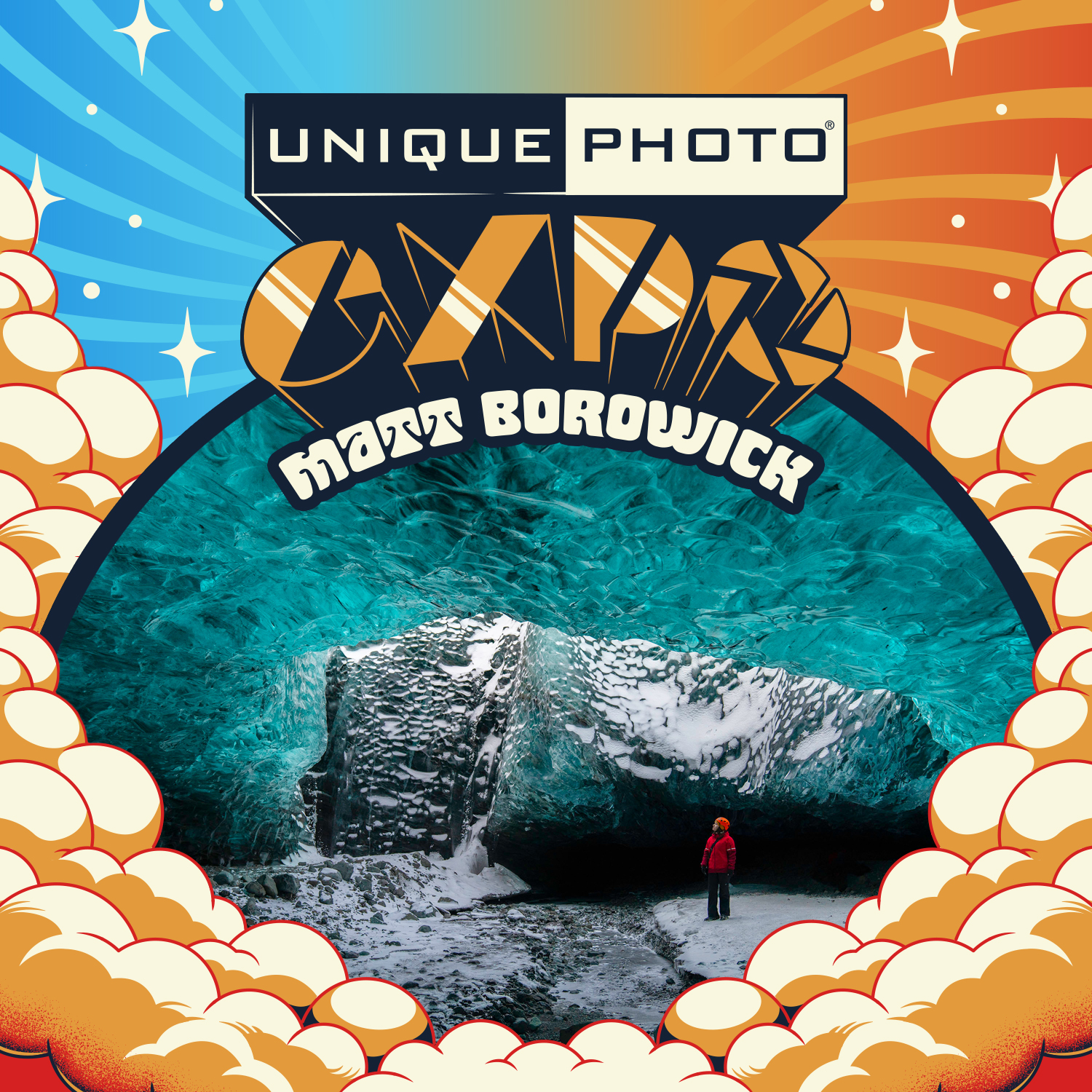
Photographers interested in storytelling and building a stronger body of work may also benefit from programs like EXPO: Stories from the Road - Photography Across Worlds w. Matthew Borowick, which can inspire more intentional, compelling submissions.
What should you look for in the image rights section of contest rules?
The rights section is one of the most important parts of any contest. Ideally, you should retain copyright to your work, while granting the organizer only limited permission to use your image for contest-related promotion. That usually means website galleries, winner announcements, social media promotion, or exhibition materials tied specifically to the competition.
Be wary of terms that allow unrestricted commercial use, sublicensing, perpetual usage without limitation, or blanket ownership transfer. Those clauses can strip significant value from your work. If the contest wants broad rights to all entries, including non-winning images, that is often a poor trade unless compensation is clearly included.
Do paid contests actually help photographers gain exposure?
Sometimes, but the word exposure should be evaluated realistically. Meaningful exposure usually comes from respected judges, publication in a known outlet, exhibition in a real gallery, or visibility within a serious photographic niche. Generic online galleries with thousands of entries typically provide less value than they sound like they do.
Ask yourself who will actually see the work and whether that audience matters to you. If your goal is to attract clients, collectors, or collaborators, the best exposure may come from a polished portfolio, high-quality prints, community events, and educational spaces where your work is seen in the right context.
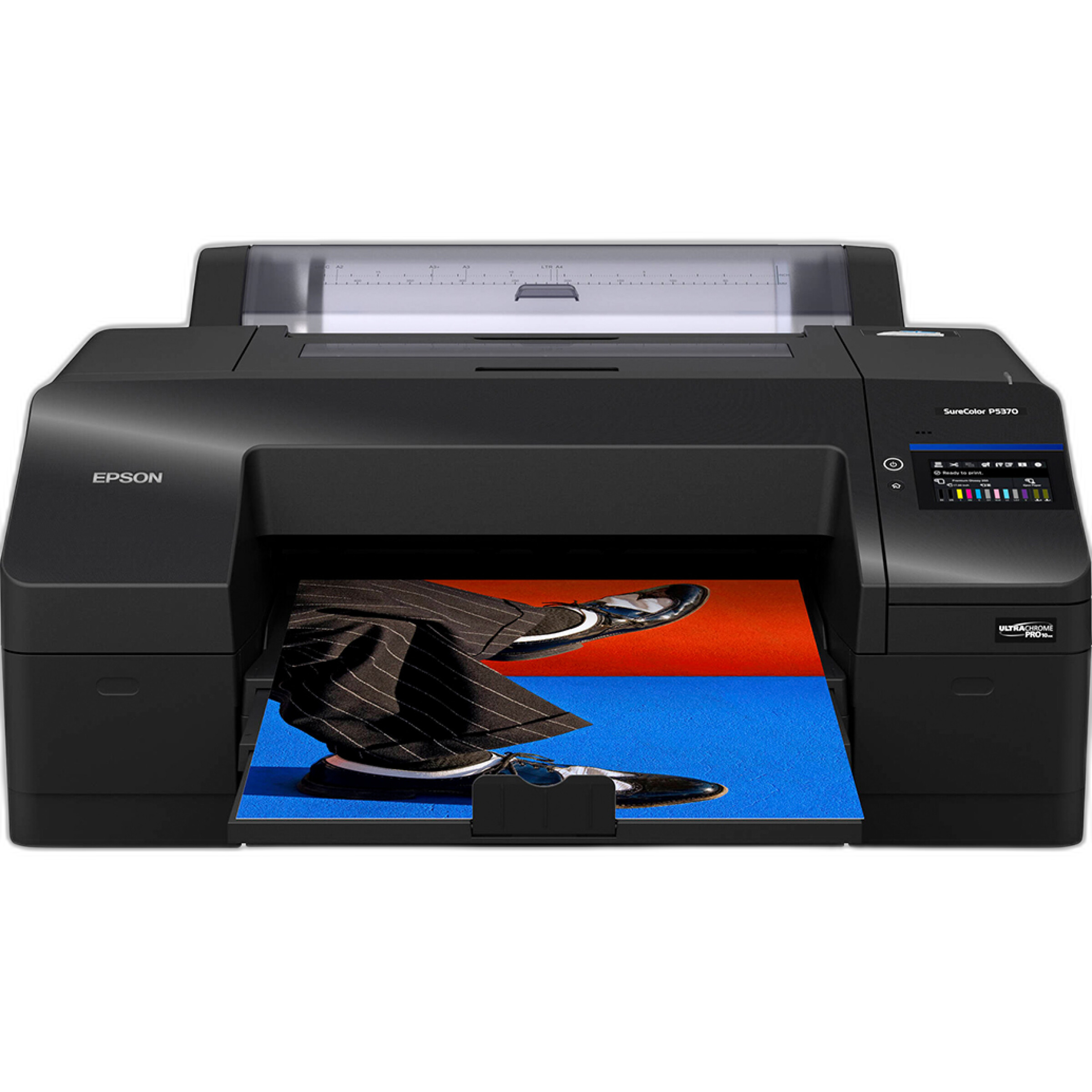
If you want to present your images professionally after creating strong work, a print-focused setup can be especially valuable. The Epson SureColor P5370 17-Inch Professional Photographic Printer is an excellent option for photographers who want gallery-ready output, portfolio prints, or presentation pieces for juried reviews and exhibitions.
Should you print your work before entering contests?
In many cases, yes. Even if the contest accepts digital files only, printing your image can reveal issues that are easy to miss on screen, including weak contrast, over-sharpening, color balance problems, or distracting details near the frame edges. A print gives you a more objective way to judge whether an image is truly competition-ready.
Photographers who regularly review and sequence printed work often make stronger editing decisions overall. Using a capable printer like the Epson SureColor P5370 can help you prepare exhibition-quality prints for contests that require physical submissions or for your own portfolio review process.
How can you keep track of contest entries, acceptances, and printed work?
Staying organized is essential, especially if you are entering multiple contests over time. Keep records of entry dates, files submitted, fees paid, rights terms, deadlines, and results. Many photographers also maintain a print archive or a physical record of accepted work so they can see how their portfolio evolves.
A simple album can be useful for preserving reference prints, event images, and project edits. The Pioneer 4 x 6 In. Bi-Directional Memo Photo Album is a practical choice for organizing small prints alongside notes about when and where each image was shown or submitted.

For photographers who prefer a more classic presentation, the Pioneer TS-246 Oxford Brass Corner Photo Album can also be a helpful way to maintain a tangible archive of project images, contest finalists, or inspiration from your photographic journey.
What is the best strategy for deciding whether to enter a paid contest?
Start by defining your goal. Are you trying to win prize money, build your resume, gain exposure in a specific genre, or simply challenge yourself creatively? Once your goal is clear, compare the contest against that purpose. Read the rules, review prior winners, research the judges, and calculate whether the fee makes sense compared with other ways you could invest in your photography.
A good rule of thumb is to enter selectively. It is often better to submit your strongest work to a few respected opportunities than to spread your budget across many low-value contests. The more intentional your entries, the more likely your efforts will support your broader growth as a photographer.
What are better alternatives if a contest does not seem worth the fee?
If a competition feels questionable, there are plenty of productive alternatives. You can invest in a workshop, take part in a photo walk or excursion, print a portfolio, update your website, build a themed series, or seek critique from experienced photographers. These options usually provide more direct, lasting benefits than a weak contest listing.
At Unique Photo, we often encourage photographers to put at least part of their budget toward education, experience, and presentation. Better skills lead to better images, and better images open more doors—whether that means contests, exhibitions, client work, or personal creative satisfaction.
Paid photo contests are not automatically scams, but they should earn your trust before they earn your entry fee. If you want help building stronger images, producing professional-quality prints, or finding classes and experiences that move your photography forward, explore the gear, printing solutions, and educational opportunities available at Unique Photo.