Are Paid Photo Competitions Worth It? A Photographer FAQ
Paid photography contests can be useful for exposure, motivation, and portfolio building, but they are not all created equal. The key is knowing how to evaluate entry fees, prize structures, usage rights, and organizer credibility before you submit your work.
At Unique Photo, we encourage photographers to approach competitions strategically: choose reputable opportunities, protect your copyright, and invest in contests that align with your goals as an artist or working professional.
How can I tell if a paid photo competition is legitimate?
A legitimate competition is usually transparent about its rules, judges, deadlines, prizes, and image rights. Look for clear contact information, a verifiable organizer, a history of previous winners, and detailed terms explaining exactly how submitted images may be used. If a contest is vague about judging criteria or seems to focus more on collecting fees than celebrating photography, that is a sign to proceed carefully.
Trustworthy competitions also tend to have a professional web presence, realistic prize descriptions, and judges with recognizable industry credentials. Before entering, search for prior editions of the contest and confirm that winners were publicly announced and credited properly.
What are the biggest red flags to watch for?
One of the biggest warning signs is an overly broad rights clause that allows the organizer to use, sell, or distribute your photos without compensation. Another is a contest that promises major exposure but provides no specifics about where winning work will be displayed. Poorly written rules, hidden fees, pressure tactics, or guaranteed-winning language should also raise concern.
Be cautious if every entrant appears to receive an award, if judging is not explained, or if the organization cannot be easily researched. A worthwhile competition should make photographers feel respected, not exploited.
Are entry fees ever justified?
Yes, entry fees can be justified when they support real administrative costs, qualified judging, exhibitions, printed catalogs, or meaningful prizes. A modest fee is not automatically a scam. The real question is whether the value offered matches the cost and whether the contest serves your goals.
For example, if a competition provides juried feedback, exhibition opportunities, or industry visibility, the fee may be a reasonable investment. But if the only return is a vague promise of recognition, your money may be better spent elsewhere, such as education or portfolio development.
Many photographers find stronger long-term value in learning opportunities that improve both craft and business skills. Events like EXPO: Get Paid Twice - Shoot the Client Create the Content with Ray Alvarez can help photographers build income streams beyond competitions.
Should I enter contests for exposure, cash prizes, or portfolio credibility?
That depends on your stage and goals. Emerging photographers may benefit from contests that offer publication, exhibitions, or juried recognition they can add to a portfolio or bio. Working professionals may prioritize competitions with stronger prize packages, licensing opportunities, or industry-specific prestige.
Exposure alone should not be the deciding factor unless it is measurable and relevant. Ask yourself who will actually see the work: editors, curators, art buyers, local audiences, or simply other entrants. The most useful contests place your images in front of people who can help advance your career.
What should I look for in the contest rules before submitting images?
Read the terms carefully, especially the sections covering copyright, licensing, exclusivity, model releases, and permitted image manipulation. You should retain ownership of your work. Many reputable contests request a limited license only for promotion of the competition itself, which is very different from allowing unrestricted commercial use.
You should also check file requirements, category definitions, deadlines, and whether previously published work is allowed. If you shoot film or slide work and plan to submit scanned originals, make sure the contest accepts that format and preserves your authorship clearly. For photographers still working with transparency film, a processing solution like the Fujifilm Pre-Paid Processing Mailer 36 Exp(or 120) E-6/FujiChrome/Ektachrome can be a practical part of your workflow before digitizing competition-ready images.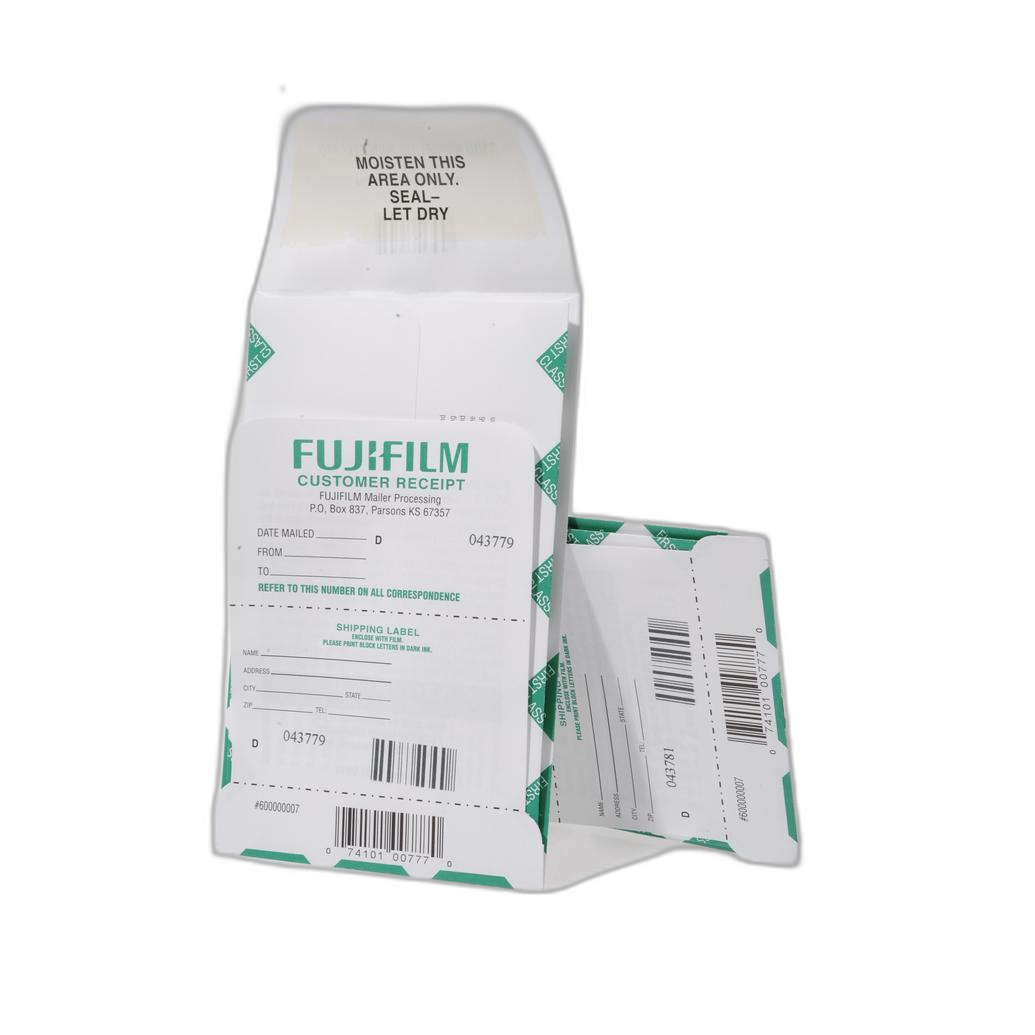
Can photo contests actually help me grow as a photographer?
They can, especially when they encourage you to edit more critically, finish personal projects, and present your work professionally. Preparing for a contest often pushes photographers to refine sequencing, color consistency, captions, and story structure. Even if you do not win, the process can strengthen your portfolio.
That said, contests should be only one part of your growth plan. Workshops, critiques, lighting education, and post-production training often produce more lasting improvement. For example, programs like UUOnline: Share the Light Live Demo with Bob Davis and Westcott or EXPO: My Way, Your Way: Two OCF Perspectives w. Vanessa and Moshe (Profoto) can sharpen your technical skills and help you create stronger work for future submissions.

How do I decide whether a competition fits my style of photography?
Start by reviewing past winners, finalists, and judges. This will show you whether the competition leans toward documentary work, fine art, landscape, portraiture, commercial imagery, or action content. If your work does not align with what the competition tends to reward, even a legitimate contest may not be a wise investment.
Photographers creating fast-paced video or adventure-oriented visual content should also consider opportunities outside traditional still-image contests. Education focused on editing and presentation, such as NJCS: Edit and Share Your GoPro Content with Nick Berger (GoPro), may be more beneficial if your goal is to make action content more polished and shareable.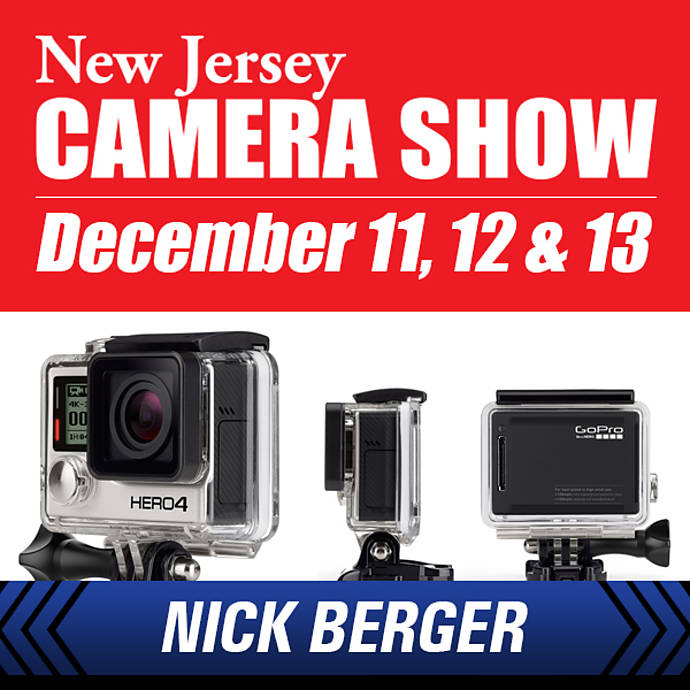
Is it better to spend money on contests or on education and gear?
For many photographers, education delivers a better return than repeated contest entry fees. A strong workshop, lighting seminar, or business class can improve every assignment and personal project you produce afterward. Contest entries can be worthwhile, but they should be selected carefully rather than treated as a volume game.
If your budget is limited, focus first on the essentials that elevate your images consistently: reliable workflow tools, learning opportunities, and presentation quality. Then reserve contest fees for organizations with proven credibility and a clear benefit.
What is the smartest strategy for entering paid competitions?
Be selective. Research the organizer, read the terms, evaluate the judges, and submit only your strongest work to contests that genuinely fit your style and goals. Keep records of fees, deadlines, and rights agreements so you can track which opportunities are worth repeating.
It also helps to build a contest-ready workflow: edit with intention, export properly sized files, write concise captions, and maintain organized archives. The better prepared you are, the easier it becomes to choose worthwhile opportunities without rushing into questionable ones.
Paid photo competitions can be useful when approached with a clear strategy and realistic expectations. If you want to strengthen your photography before your next submission, explore workshops, events, and creative resources at Unique Photo to build skills that pay off long after any contest deadline has passed.