Affordable Beginner Cameras FAQ: New vs. Used, Lenses, and Starter Gear
Choosing your first camera can feel overwhelming, especially when you are balancing budget, ease of use, and room to grow. At Unique Photo, we help new photographers sort through the noise by focusing on what matters most: getting a reliable camera, a practical lens, and a few accessories that make learning easier.
Whether you are considering a current entry-level digital camera, exploring used equipment, or wondering if a kit lens is enough to get started, this FAQ covers the essentials so you can buy with confidence.
What makes a good beginner camera?
A good beginner camera should be easy to operate, offer dependable autofocus and exposure, and leave you room to improve as your skills develop. For most new photographers, that means looking for a camera with intuitive controls, good image quality in everyday lighting, and access to lenses you can add later. The best choice is rarely the most expensive body; it is the one you will actually carry, learn, and shoot with consistently.
Many first-time buyers focus too heavily on specs. In practice, usability matters more. A camera that feels comfortable in your hands and has clear menus is often a better fit than a more advanced model with features you may not use right away.
Should beginners buy new or used camera gear?
Both can be smart options. Buying new typically gives you the latest autofocus features, manufacturer support, and the peace of mind of a full warranty. Buying used can stretch your budget significantly, making it possible to afford better optics, a bag, or other essentials instead of spending everything on the camera body alone.
Used gear is especially appealing if you want to experiment with photography styles without a major upfront investment. At Unique Photo, used equipment can also be a great way to explore film photography or find specialty gear at a more approachable price point.
For example, photographers curious about analog shooting may enjoy a classic instant film option like the used Polaroid SX-70 Alpha 1 with close-up kit. It offers a very different experience from digital capture and can be a fun creative tool for beginners who want a hands-on, intentional process.
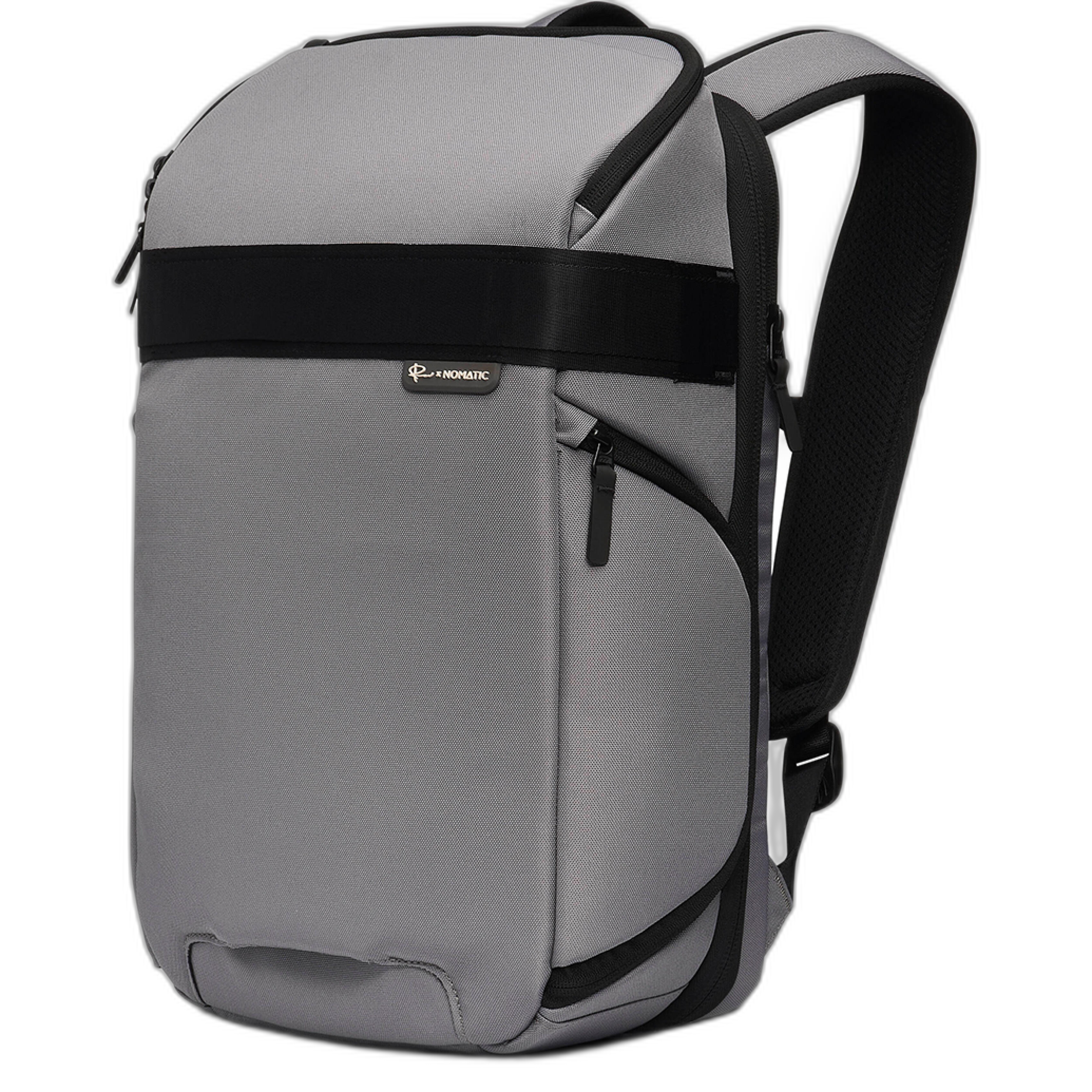
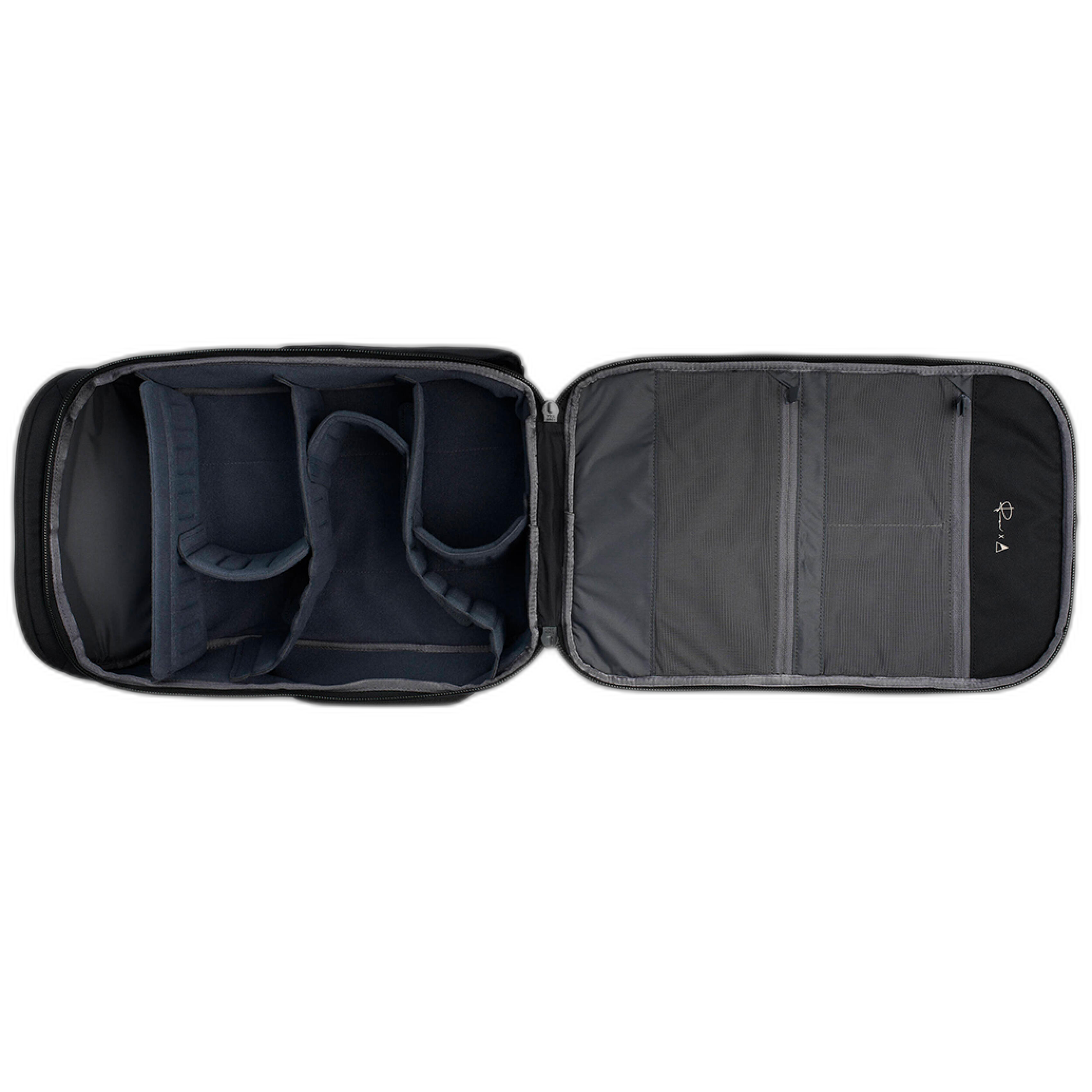
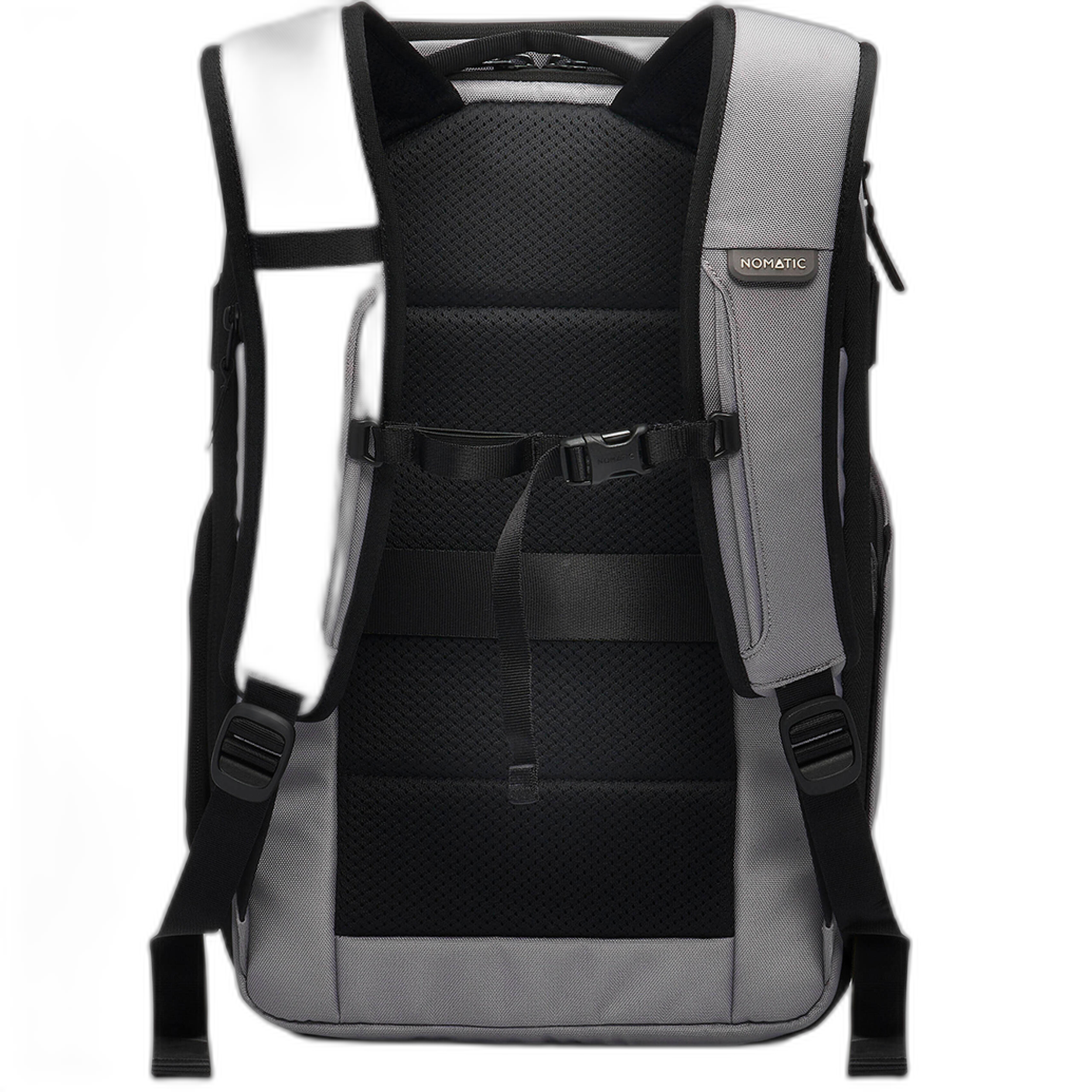
If you are investing in a larger kit, a protective everyday bag also makes a difference. A compact backpack like the Nomatic Luma Camera Pack 18L helps beginners keep gear organized and ready to carry, which often means shooting more often.
Is a kit lens good enough for a novice photographer?
Yes, in many cases a kit lens is exactly where a beginner should start. Kit lenses are designed to be versatile, lightweight, and affordable. They usually cover a practical zoom range for portraits, travel, family photos, and everyday shooting, which makes them ideal for learning composition and exposure before investing in specialized lenses.
For new photographers, a kit lens teaches important fundamentals. You can experiment with framing, perspective, and focal length without changing lenses constantly. Once you identify what you enjoy most, such as landscapes, portraits, sports, or street photography, it becomes much easier to choose your next lens intelligently.
There is no need to rush past the kit lens. Many great images are made with one every day. Upgrading lenses becomes more valuable when you know what limitation you are actually trying to solve, whether that is low-light performance, subject separation, or wider coverage.
When should a beginner upgrade from a kit lens?
The right time to upgrade is when your current lens is limiting the kind of work you want to do regularly. If you find yourself needing a wider field of view for interiors or landscapes, wanting stronger low-light performance, or looking for sharper edge-to-edge image quality, then it may be time to move beyond the kit lens.
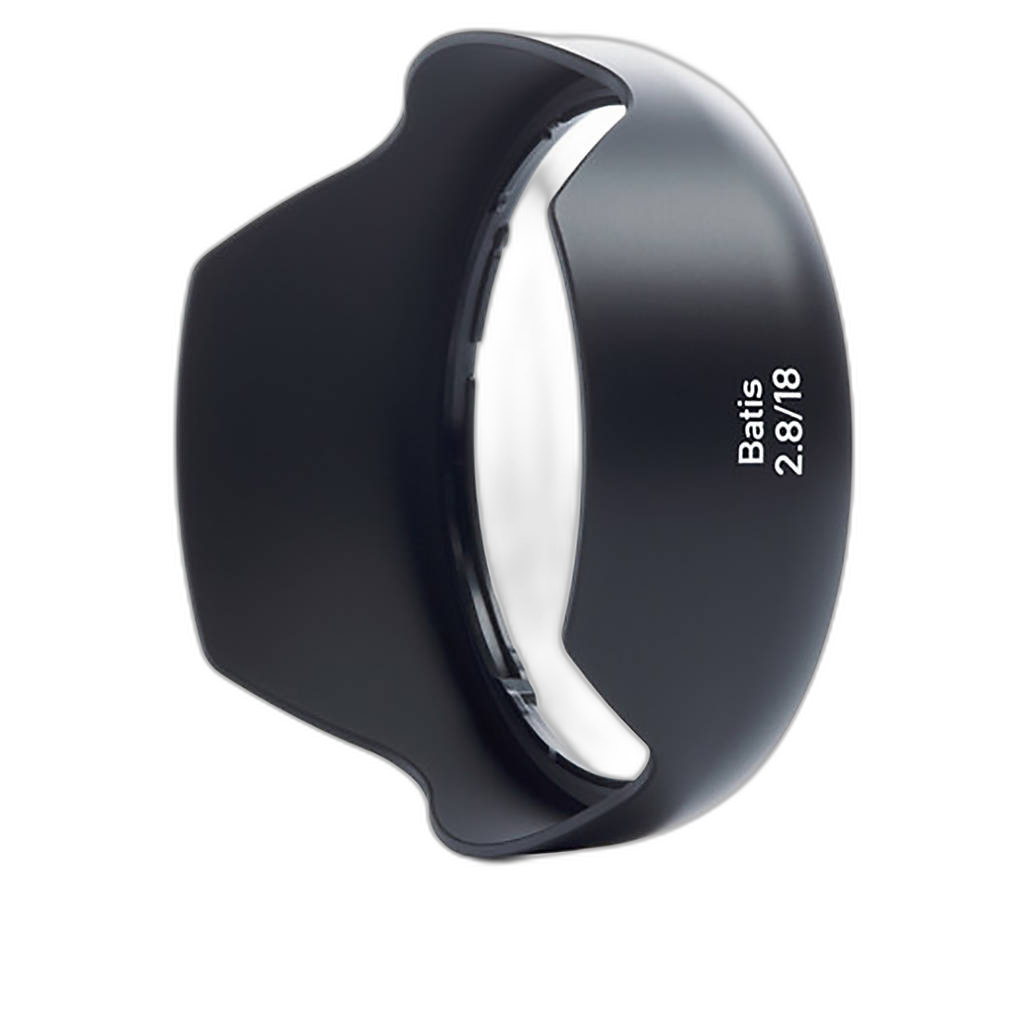
For Sony full-frame users interested in dramatic wide-angle photography, the Zeiss Batis 18mm f/2.8 is a strong example of a premium upgrade. It is not a first-day purchase for most beginners, but it illustrates what a more specialized lens can offer once your shooting style becomes clear.
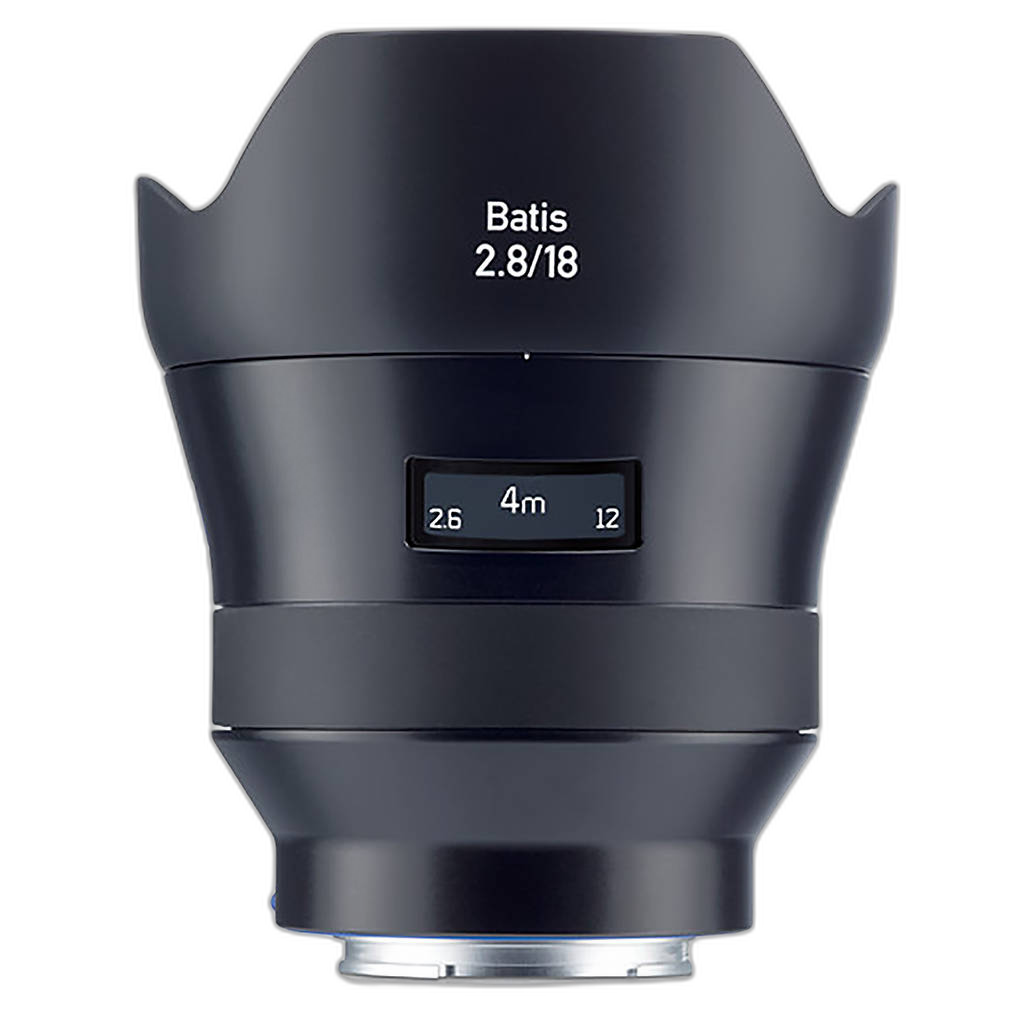
A lens like this is particularly useful for architecture, travel, interiors, and landscapes. The key takeaway for beginners is that specialty lenses are most rewarding when they match your real-world needs, not just your wish list.
Is film photography a good place for beginners to start?
It can be, depending on your goals. Film slows the process down and encourages careful shooting, which can help new photographers build stronger habits around composition and timing. However, film also comes with ongoing costs for film stock and processing, and there is less immediate feedback than with digital.
If your main goal is to learn exposure and shoot often, digital is usually the simpler and more budget-friendly starting point. If your goal is to explore a tactile, creative process and embrace a different visual character, a used film camera can be a rewarding path. Instant options and classic film bodies each offer their own learning experience.
Just be realistic about maintenance and condition when shopping vintage gear. Older cameras can be wonderful, but they may require servicing, especially if they are sold as-is or need mechanical work.
What accessories should a beginner buy first?
Most beginners do not need a huge accessory list. Start with the basics that protect your gear and make it easier to shoot comfortably. A good strap, a practical bag, extra power, and media are usually more valuable than buying too many specialty add-ons too early.
A comfortable strap can make a major difference if you plan to carry your camera for long walks, day trips, or events. The PGYTECH Camera Strap Slim is the kind of simple upgrade that improves everyday usability without adding bulk. For carrying your full setup, the Nomatic Luma Camera Pack 18L is a smart choice for organizing a camera, lens, and personal items in one place.
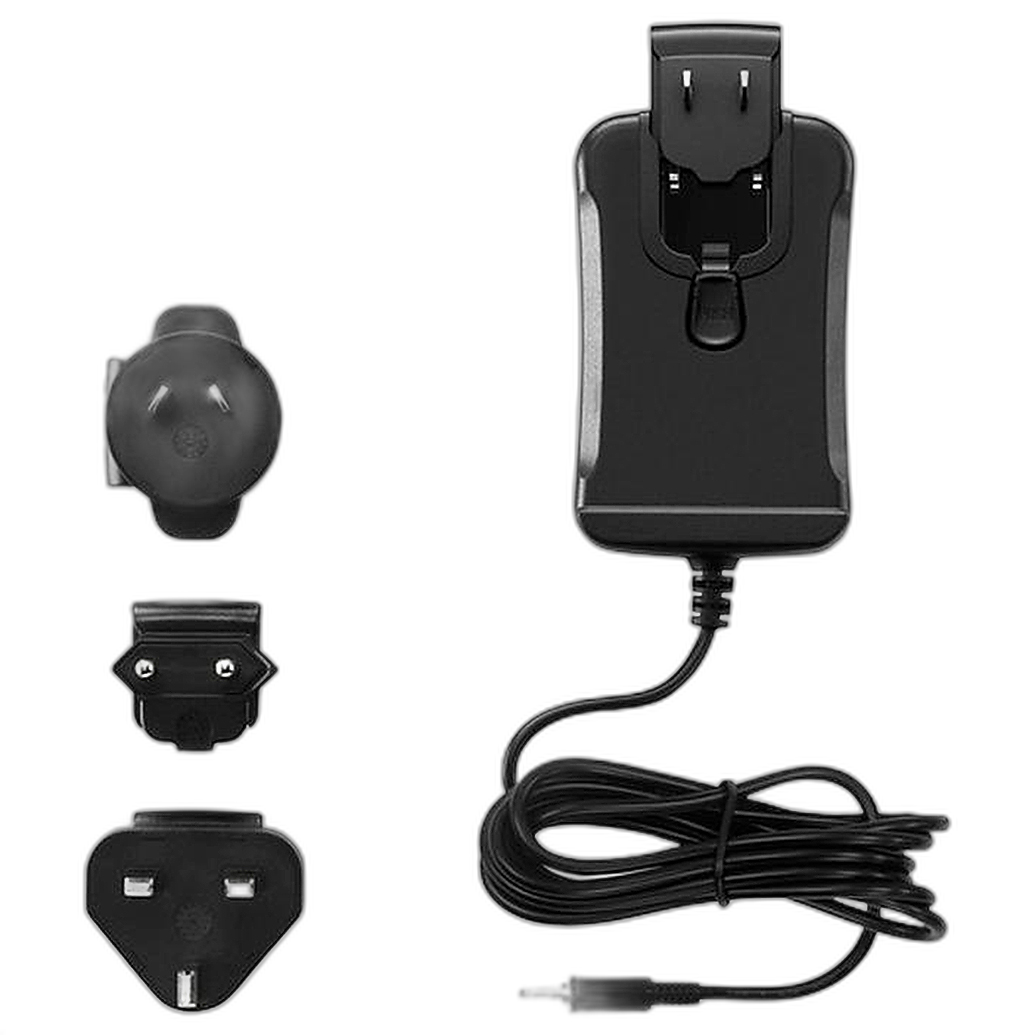
If you are using a video-focused camera system, reliable power matters as well. Accessories like the Blackmagic Design Power Supply for Pocket Cinema Camera are a reminder that your support gear should match your camera system and shooting style.
How important is a camera bag for a first-time buyer?
It is more important than many beginners expect. A proper camera bag protects your gear from bumps, keeps accessories organized, and makes it easier to bring your camera along regularly. That last point matters because the best way to improve is simple repetition. If your camera is difficult to carry or store, you are less likely to use it.
A compact everyday option like the Nomatic Luma Camera Pack 18L works well for photographers who want enough room for a camera body, a lens or two, and personal essentials without carrying a full-size roller or oversized backpack. For students, commuters, and travel shooters, a well-designed bag can be one of the most practical first purchases.
Do beginners need an extended warranty or protection plan?
Not always, but it is worth considering if you are investing in a new camera system that you plan to keep for several years. Protection plans can be especially appealing for higher-value bodies, for frequent travelers, or for anyone who wants extra peace of mind beyond the standard manufacturer coverage.
Warranty options vary by brand and product type. For example, there are brand-specific plans such as Nikon Care coverage and extended protection for professional systems like RED. While many entry-level shoppers may focus first on the camera, lens, and bag, adding protection can be a sensible step once you know your purchase is the right long-term fit.

What is the smartest way to build a beginner photography kit on a budget?
The smartest approach is to prioritize the pieces that affect your day-to-day shooting the most. Start with a dependable camera body, a versatile lens, and one or two accessories that improve portability and comfort. In most cases, that means skipping expensive specialty lenses at the beginning and putting more of your budget toward a balanced starter setup.
A practical entry path looks like this: choose a beginner-friendly camera, use the included kit lens, add a comfortable strap, and carry everything in a protective bag. If you later discover that you love landscapes, portraits, or low-light photography, then upgrade your lens based on experience rather than guesswork. Used gear can also help stretch your budget if you are comfortable evaluating condition and intended use.
At Unique Photo, we recommend building slowly and intentionally. The best beginner kit is not the one with the most gear; it is the one that helps you learn, practice often, and enjoy photography from day one.
If you are ready to start, Unique Photo can help you compare new and used options, choose practical accessories, and find gear that fits your budget and goals. Explore our camera, lens, and used equipment selection to build a starter kit you will actually want to use.