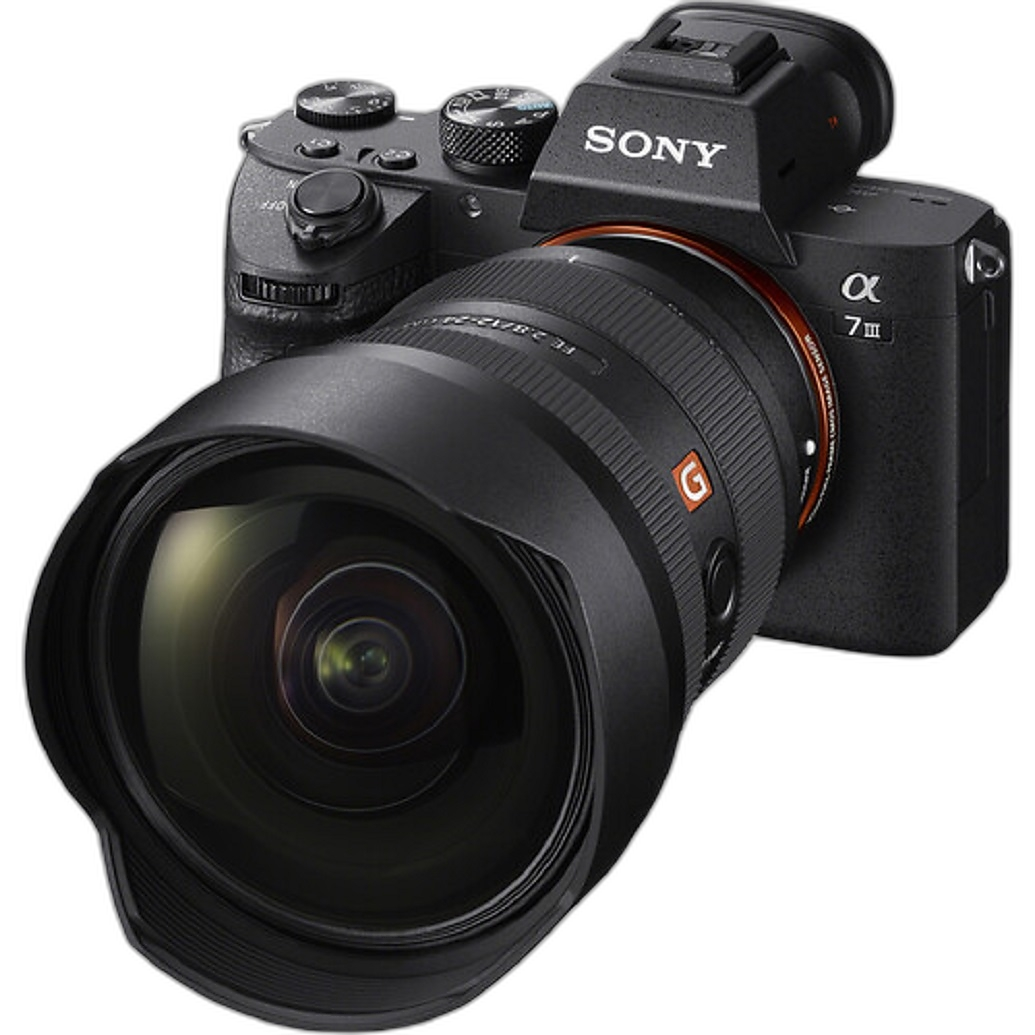
If you’re shopping for a Sony portrait lens and wondering whether Sony Lens Compare Beta recommendations are actually useful, this guide is for you. Lens recommendation tools can be a helpful starting point, but portrait photography is one of the clearest examples of why context matters more than simple spec matching. A lens that looks great in a comparison engine may not always be the most flattering, flexible, or practical choice for headshots, environmental portraits, or lifestyle work.
Below, we look at a few Sony-compatible options from Unique Photo’s current selection and explain where automated recommendations can be accurate, where they can be misleading, and which lenses make the most sense depending on your portrait style.
How reliable are Sony Lens Compare Beta recommendations for portraits?
In general, Sony Lens Compare Beta-style tools are fairly accurate for identifying focal length coverage, system compatibility, and general-purpose versatility. They are less accurate when judging the artistic qualities portrait photographers care about most, such as:
- Background separation and bokeh character
- Facial rendering at flattering focal lengths
- Working distance for headshots
- Perspective distortion at wider focal lengths
- How a lens feels during real-world portrait sessions
For portrait photography, recommendation engines often favor lenses that are broadly useful rather than lenses that are specifically ideal for flattering people. That means a zoom like a 24-105mm may rank well because it covers many scenarios, while a portrait specialist prime might be better artistically even if it seems less versatile on paper.
What matters most in a portrait lens?
Before judging any recommendation tool, it helps to know what portrait photographers usually want:
- 50mm to 135mm equivalents are commonly preferred for flattering perspective
- Wider apertures help with subject separation
- Reliable autofocus matters for eye detection and moving subjects
- Zoom flexibility can be more important than maximum aperture for events and fast-paced sessions
This is where recommendation tools can be partly right and partly wrong. They may correctly suggest a versatile zoom, but they may not fully account for the classic portrait look photographers expect.
Best available options to consider
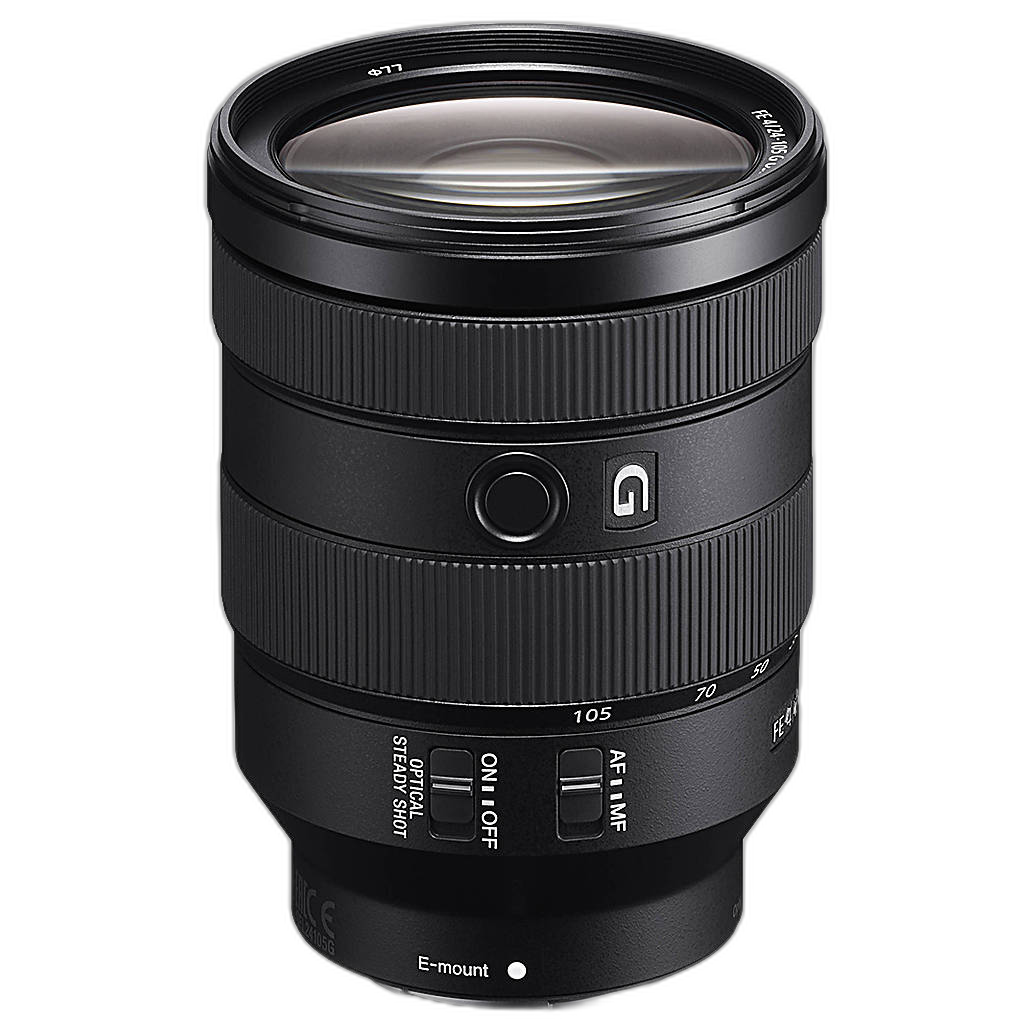
Sony FE 24-105mm f/4 G OSS Lens
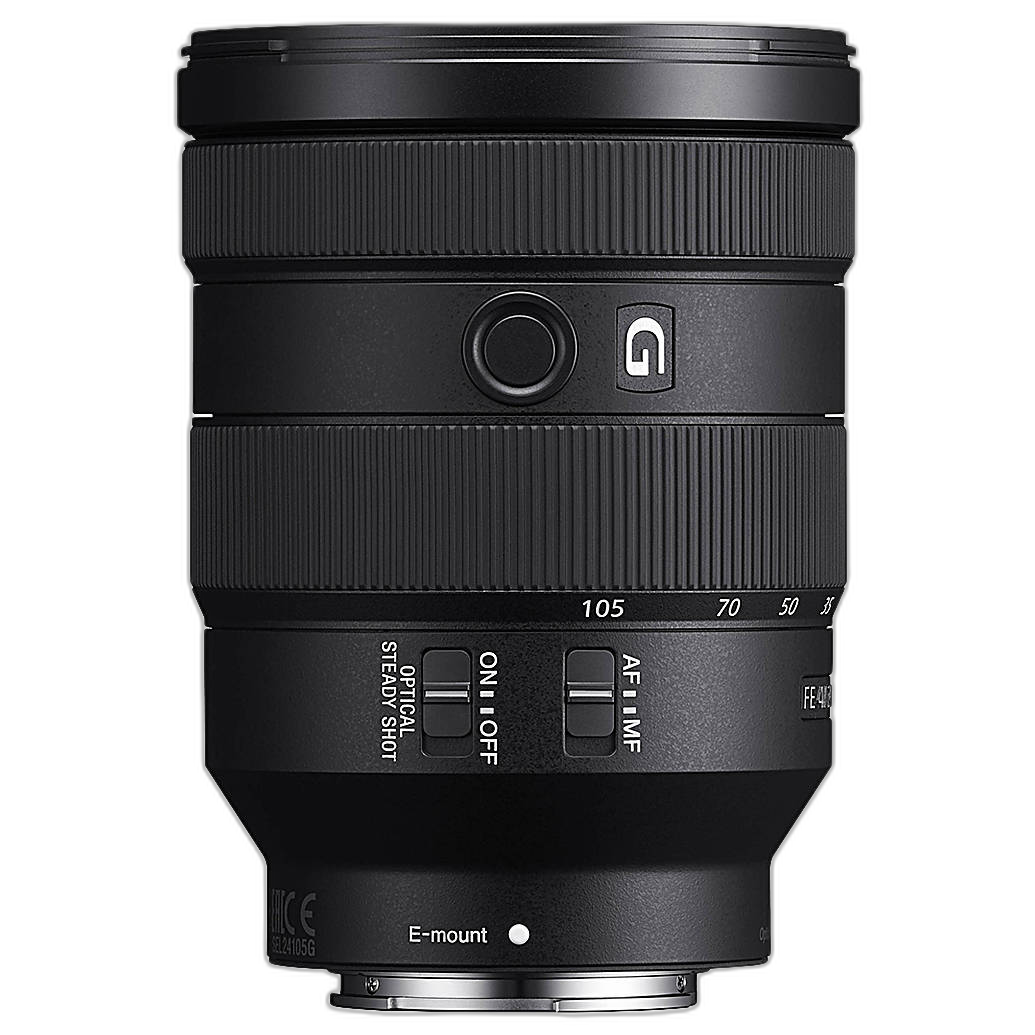
The Sony FE 24-105mm f/4 G OSS is the strongest match here if you want to evaluate how accurate Sony Lens Compare Beta is for portrait recommendations. Why? Because this is exactly the kind of lens an automated system often recommends—and for many photographers, that recommendation is legitimately good.
For portraits, the sweet spot is toward the longer end of the zoom range, especially around 70mm to 105mm. That gives you more flattering compression than 24mm or 35mm, while still allowing flexibility for environmental portraits, couples, and event coverage. Optical stabilization also makes it useful for handheld shooting in varied conditions.
Where the recommendation is accurate:
- Excellent versatility for portrait sessions
- Useful range for half-body, full-body, and tighter compositions
- Great option for photographers who shoot portraits plus travel, events, or commercial work
- Strong all-around value for Sony full-frame users
Where it may fall short:
- f/4 won’t blur backgrounds like a fast portrait prime
- Wider focal lengths in the range are less flattering for close facial work
- If your goal is maximum subject isolation, this is not the most specialized portrait choice
Bottom line: If Sony Lens Compare Beta recommends this lens for portraits, that recommendation is practical and often accurate—especially for photographers who want one lens to do almost everything.
Sony FE 12-24mm f/2.8 GM Lens
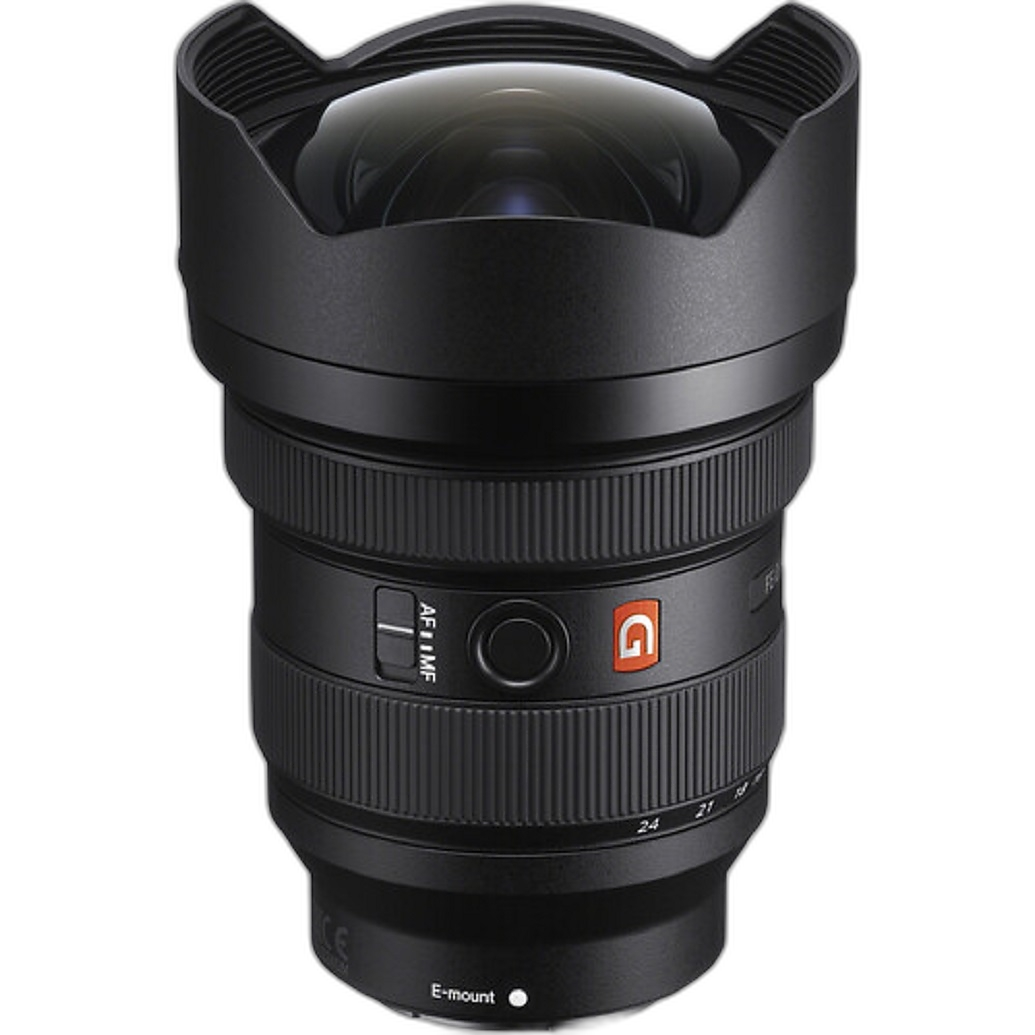
The Sony FE 12-24mm f/2.8 GM is a superb lens, but it also shows why recommendation tools can be misleading for portrait photography if they over-prioritize premium optics and fast apertures without considering portrait-specific rendering.
This lens is outstanding for architecture, interiors, landscapes, dramatic environmental compositions, and creative editorial work. But for conventional portraiture, ultra-wide focal lengths can exaggerate facial features and distort perspective when used close to the subject.
Where the recommendation is inaccurate for portraits:
- 12-24mm is generally not a flattering range for traditional headshots
- Close working distances can distort faces
- Background separation is not the main strength of this lens, despite the f/2.8 aperture
Where it can still work:
- Environmental portraits with dramatic context
- Fashion/editorial concepts
- Creative storytelling portraits where distortion is part of the look
Bottom line: If a comparison engine suggests this as a top portrait option, the recommendation is only accurate for a very specific creative style, not for most portrait shooters.
Used Canon FD 50mm f/1.8 Lens - Good
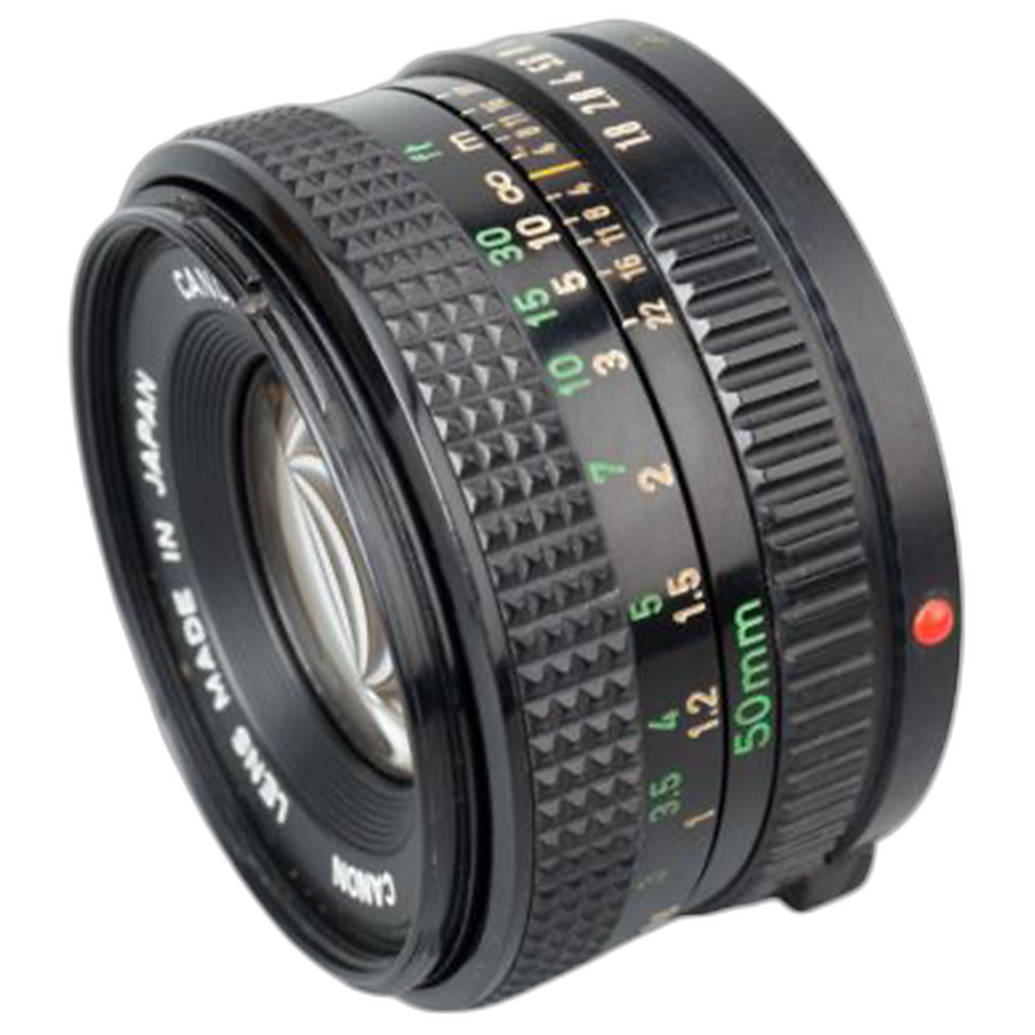
While not a native Sony lens, the Used Canon FD 50mm f/1.8 is an interesting example of how human judgment can outperform recommendation software. On paper, it may not rank highly in a Sony lens tool due to mount compatibility and manual adaptation requirements. But creatively, a 50mm f/1.8 is a classic portrait focal length with pleasing subject separation and a natural perspective.
Why portrait photographers might still care:
- 50mm is highly versatile for portraits
- f/1.8 can deliver a softer, more isolated look than an f/4 zoom
- Vintage rendering may appeal to photographers who want character over clinical perfection
The limitation: It’s not the obvious choice for Sony users who want native autofocus convenience. So while a recommendation tool may ignore it, some portrait photographers may still prefer this kind of lens for a more artistic result.
Bottom line: This is a great reminder that recommendation engines tend to favor system logic, while photographers often choose based on rendering and feel.
Portrait recommendation comparison table
| Lens | Best Portrait Use | Strengths | Potential Drawbacks | How Accurate a Beta Recommendation Would Be |
|---|---|---|---|---|
| Sony FE 24-105mm f/4 G OSS | General portrait sessions, events, lifestyle, family | Flexible zoom range, flattering long-end options, stabilization | Less background blur than faster primes | High |
| Sony FE 12-24mm f/2.8 GM | Environmental and editorial portraits | Premium optics, dramatic perspective, creative compositions | Not ideal for flattering traditional portraits | Low to Moderate |
| Used Canon FD 50mm f/1.8 | Classic portraits, artistic adapted setups | Natural perspective, faster aperture, vintage character | Adapted/manual workflow, not native Sony convenience | Low in software, higher in real creative value |
When Sony Lens Compare Beta gets it right
The tool is most useful when your priorities are:
- Native Sony compatibility
- Versatility over specialization
- Reliable autofocus and practical focal range
- One-lens simplicity
In those cases, a lens like the Sony FE 24-105mm f/4 G OSS is a strong recommendation and an easy choice for many portrait photographers.
When to trust your shooting style more than the tool
You should look beyond automated recommendations if:
- You mainly shoot tight headshots
- You want maximum bokeh and shallow depth of field
- You prefer classic portrait primes
- You create stylized editorial or vintage-inspired work
Portrait photography is deeply visual and personal. A recommendation engine can point you in the right direction, but it cannot fully judge how a lens renders skin tones, transitions focus, or shapes a scene emotionally.
Final verdict
So, how accurate are Sony Lens Compare Beta recommendations for portrait photography? Fairly accurate for practical lens shopping, but incomplete for artistic portrait decisions. If the tool recommends the Sony FE 24-105mm f/4 G OSS, that’s a smart and dependable suggestion for most photographers who want flexibility and strong all-around portrait performance. If it pushes ultra-wide glass as a top portrait pick, you’ll want to be more skeptical unless your work is highly environmental or editorial.
For most buyers shopping at Unique Photo, the best choice from this set is the Sony FE 24-105mm f/4 G OSS Lens. It’s the recommendation that makes the most sense both on paper and in real portrait shooting.