Introduction: A Mid-Range Showdown With a Clear Twist
If you are shopping for a capable mid-range camera in 2024, the usual conversation starts with Sony, Canon, and Fujifilm. But based on the products available here, this shootout leans heavily toward real-world Sony and Fujifilm options you can actually buy now from Unique Photo. While Canon is part of the broader market conversation, the contenders in this comparison come from Sony’s hybrid and cinema-focused lineup and Fujifilm’s enthusiast-friendly X Series bodies.
That makes this review especially useful for buyers deciding between two very different philosophies: Sony’s video-first, full-frame performance versus Fujifilm’s compact, style-forward, stills-and-hybrid appeal. If your budget sits in the middle tier and you want the most camera for your money, these are exactly the kinds of models worth comparing.
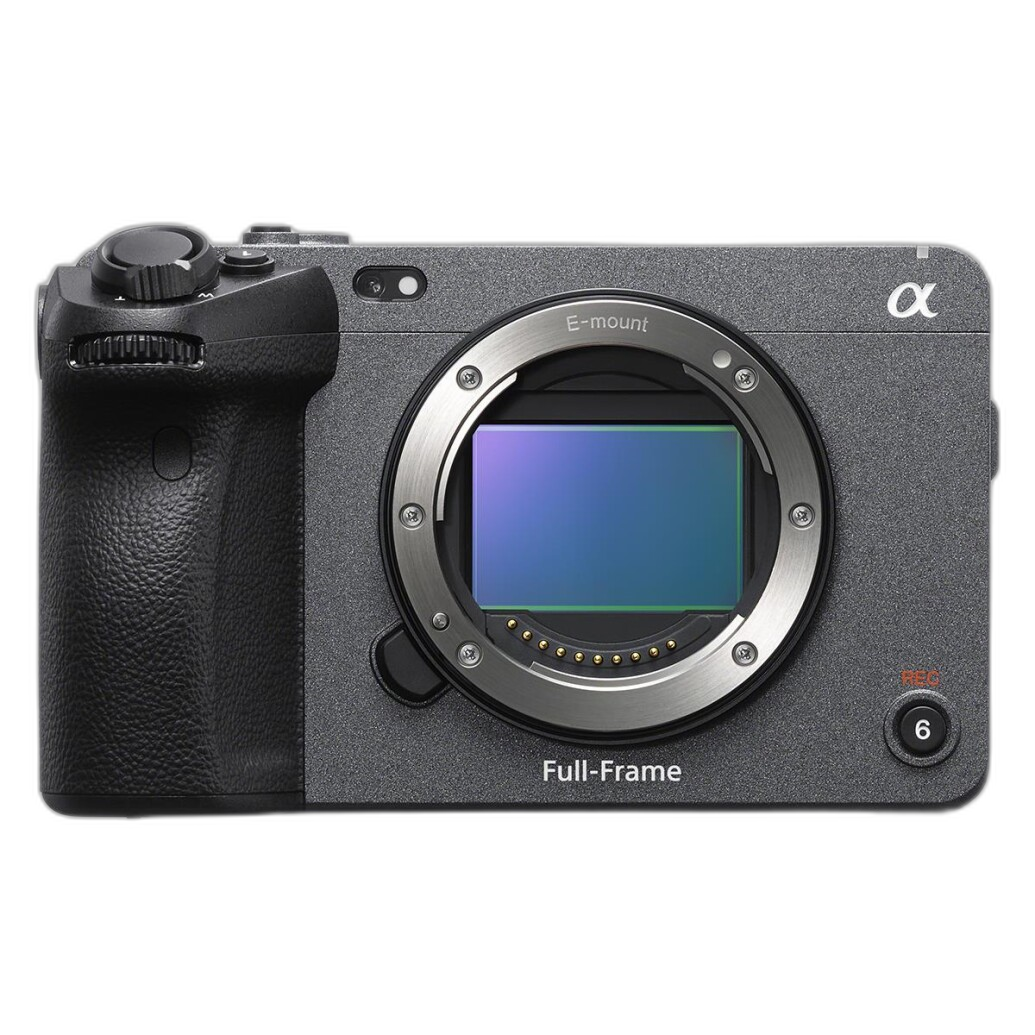
In this shootout, the Sony FX3 and Sony FX5 represent the serious creator side of the market, while the Fujifilm X-T50 and X-T4 represent the enthusiast hybrid side. These are not identical cameras, but that is precisely why this comparison matters. Some buyers need maximum video quality and professional audio options. Others want a camera that feels great in hand, delivers strong image quality, and keeps size and cost under control.
The Contenders at a Glance
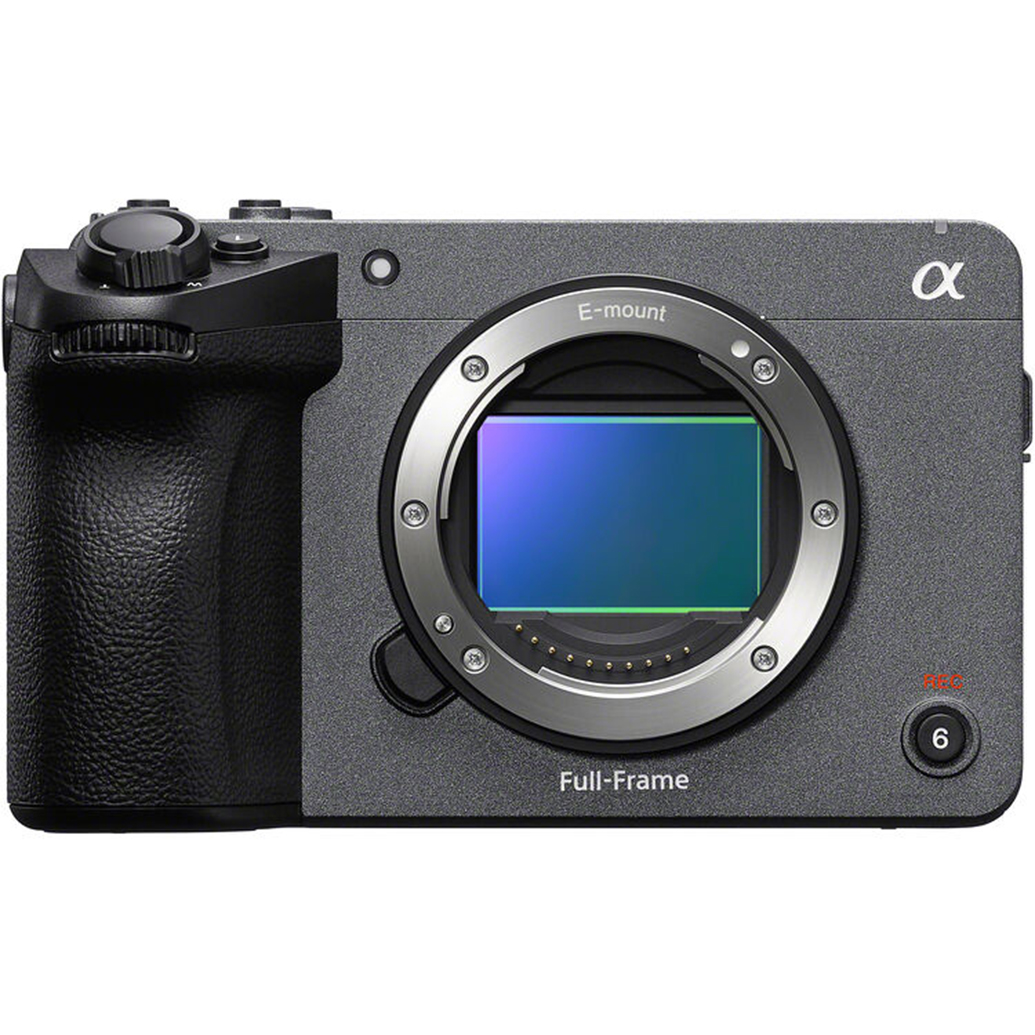
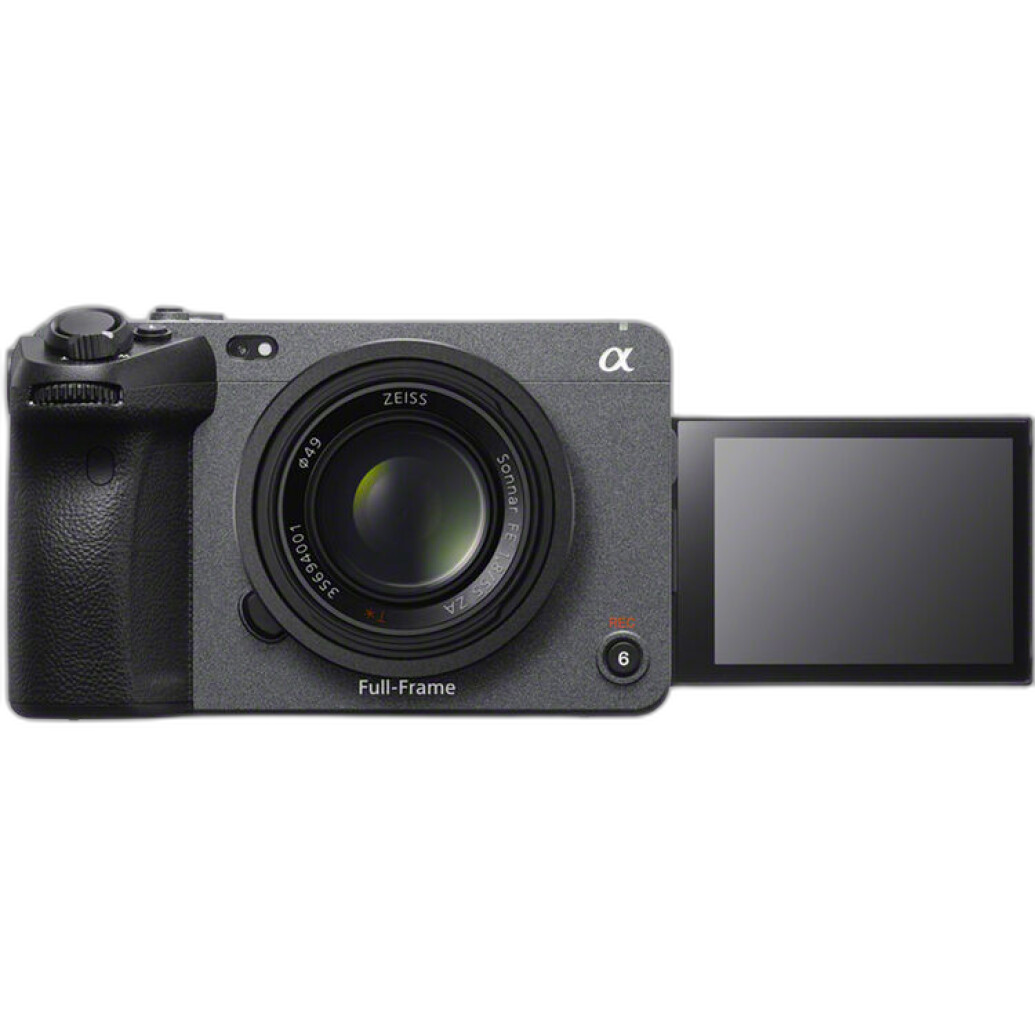
Sony FX3 Full-Frame Cinema Camera is the most obvious choice here for video-first creators who want a compact cinema tool with full-frame look, excellent low-light performance, and a body that fits solo operators, gimbal users, and documentary shooters.
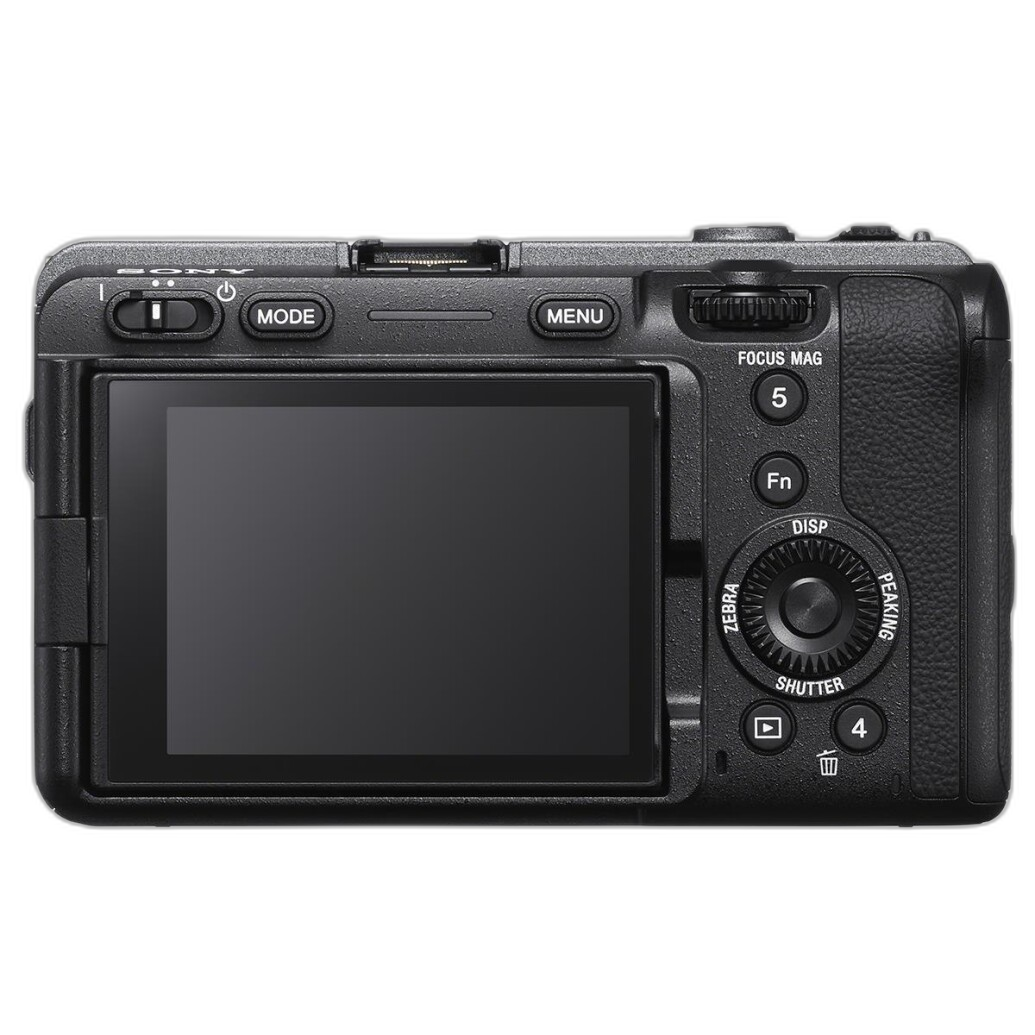
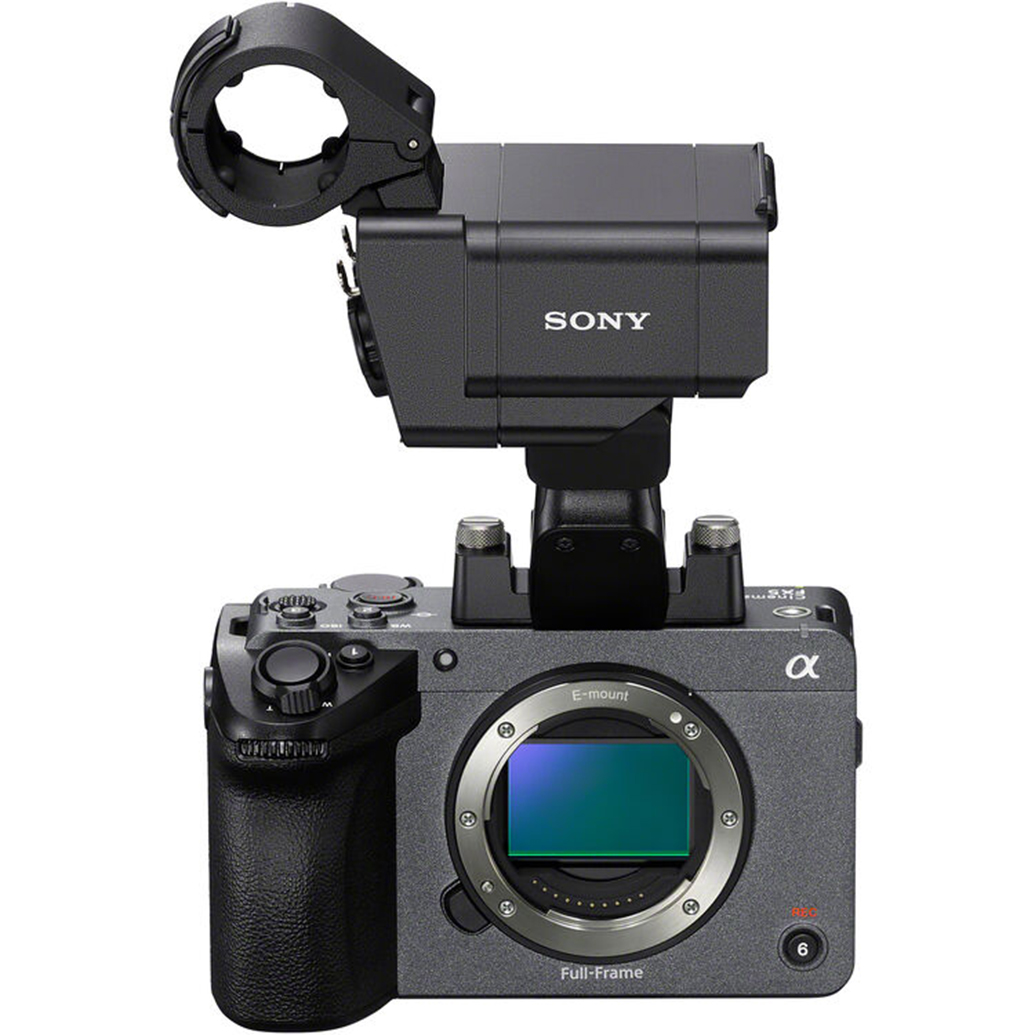
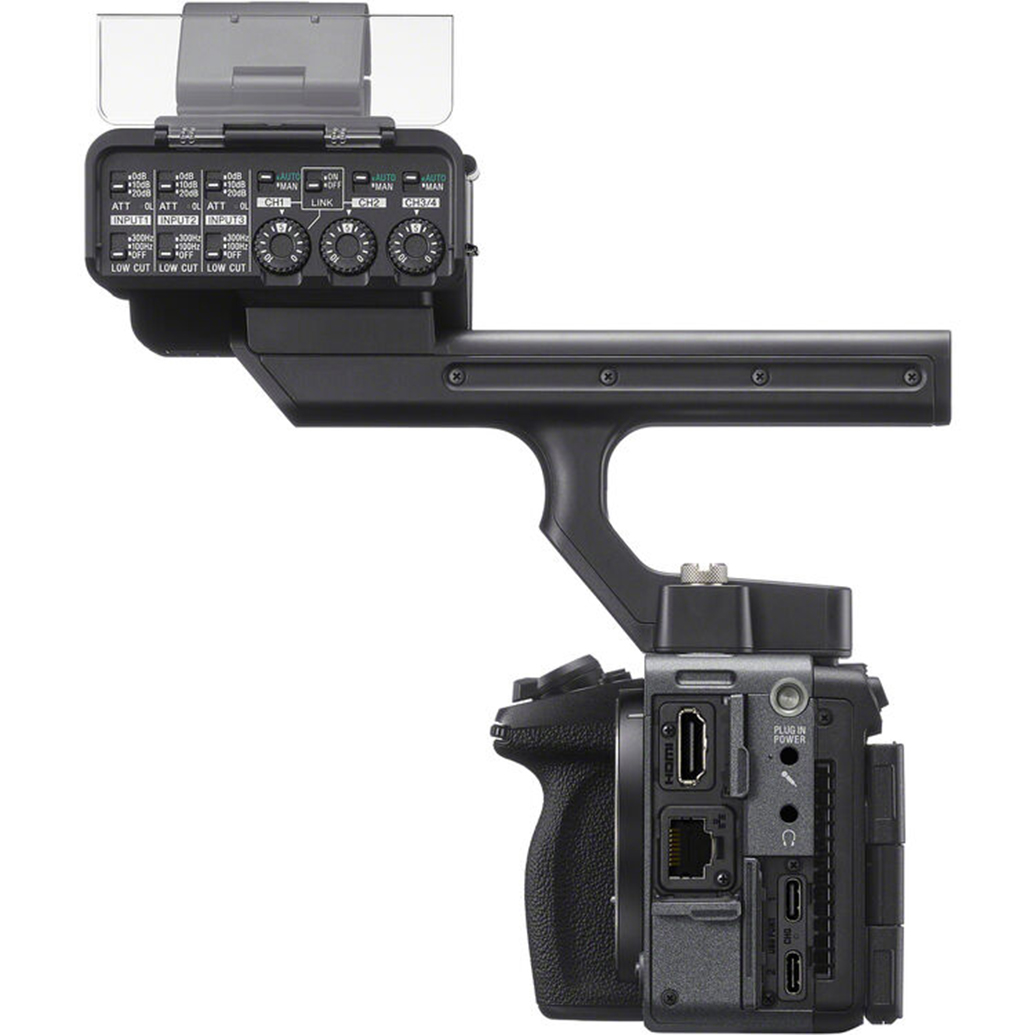
Sony FX5 Cinema Camera and Sony FX5 Cinema Camera with XLR Handle Unit aim higher into professional production territory, giving users a more robust cinema-style feature set and stronger on-set flexibility.
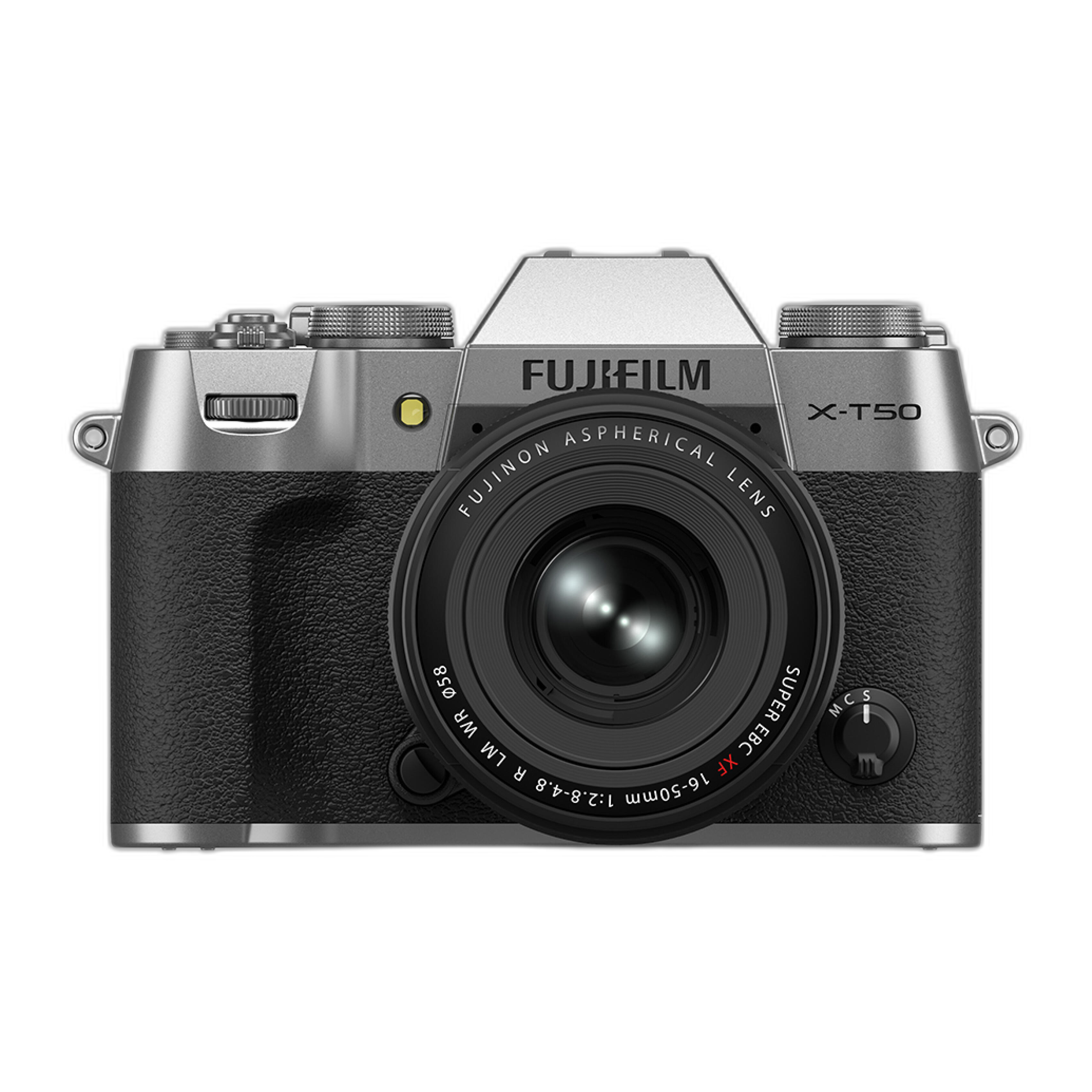
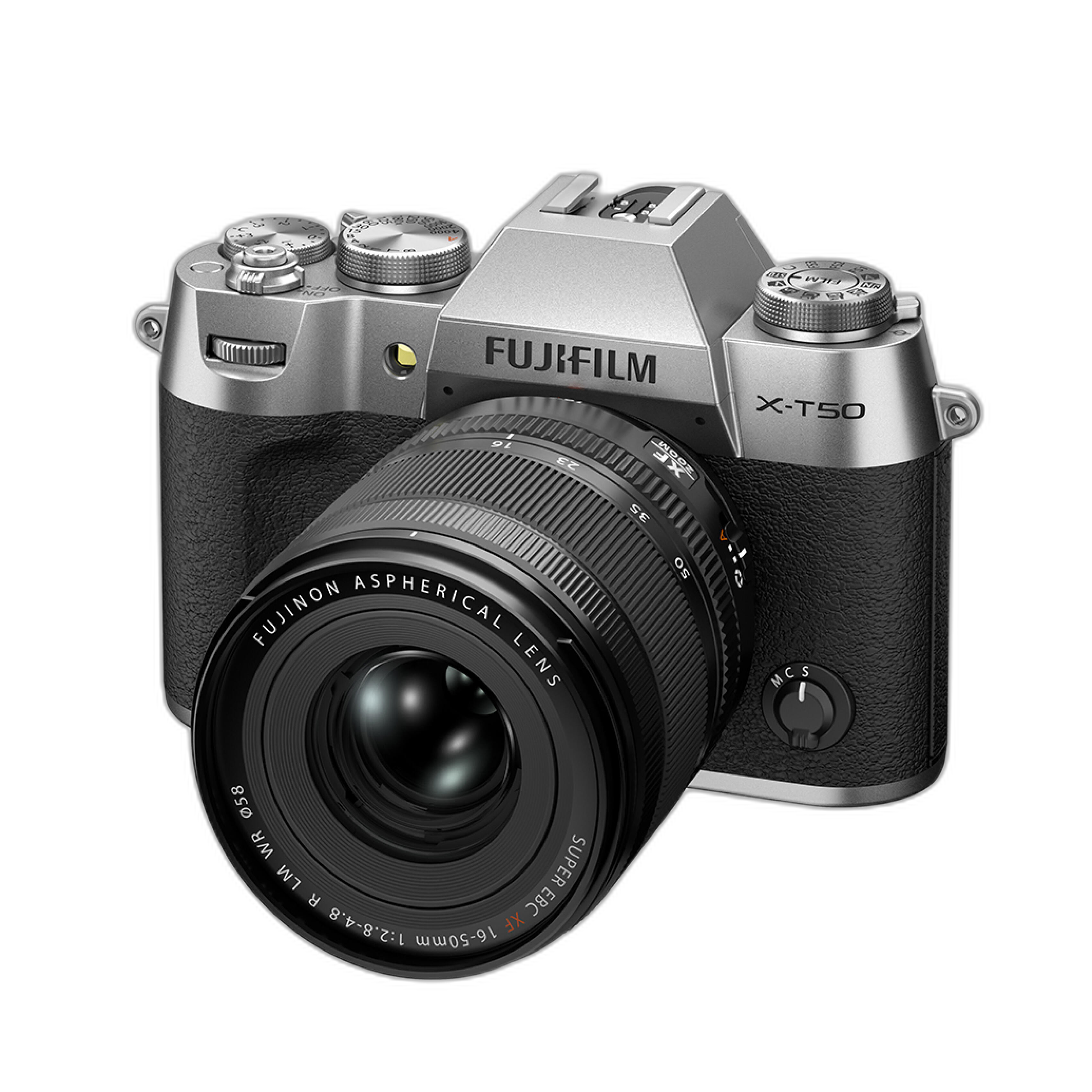
Fujifilm X-T50 Digital Camera with XF 16-50mm Lens is a very appealing mid-range mirrorless option for photographers and hybrid shooters who want modern features, compact portability, and Fuji’s signature color science.
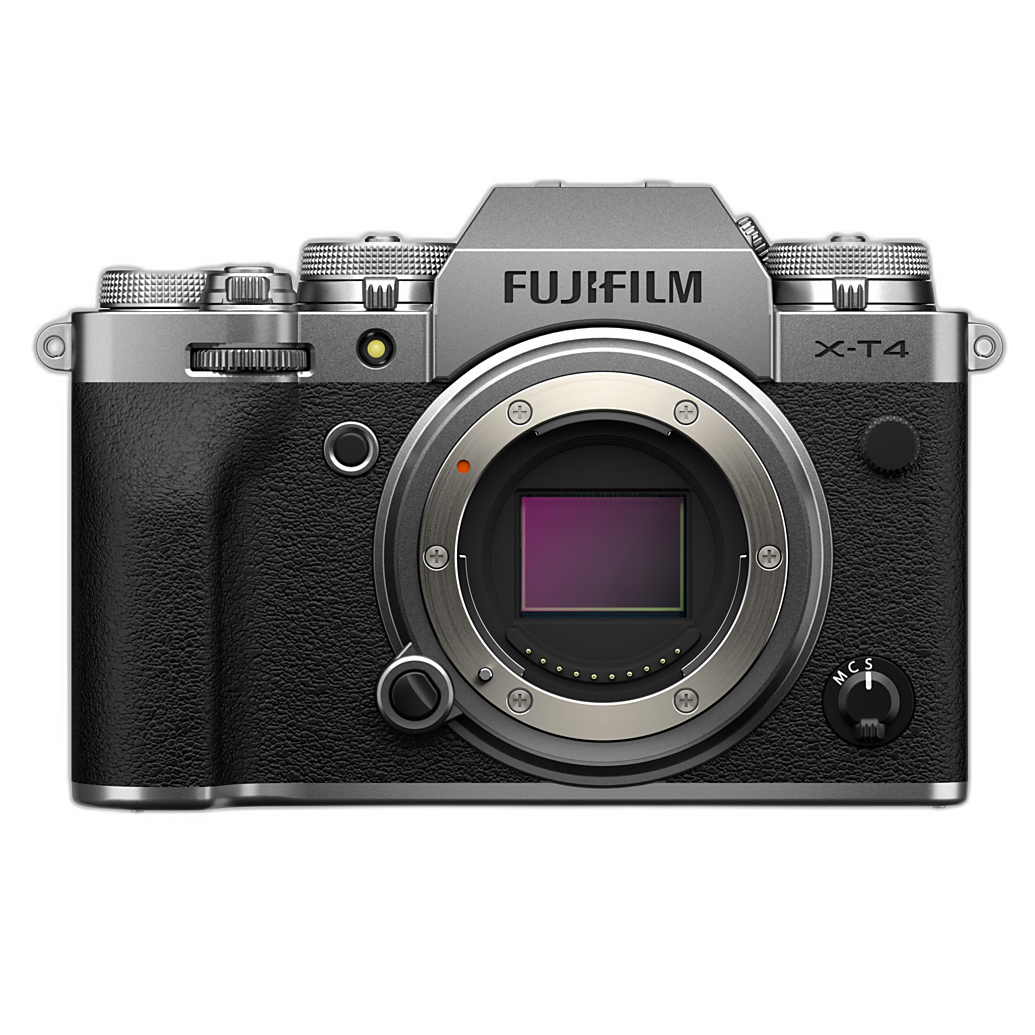
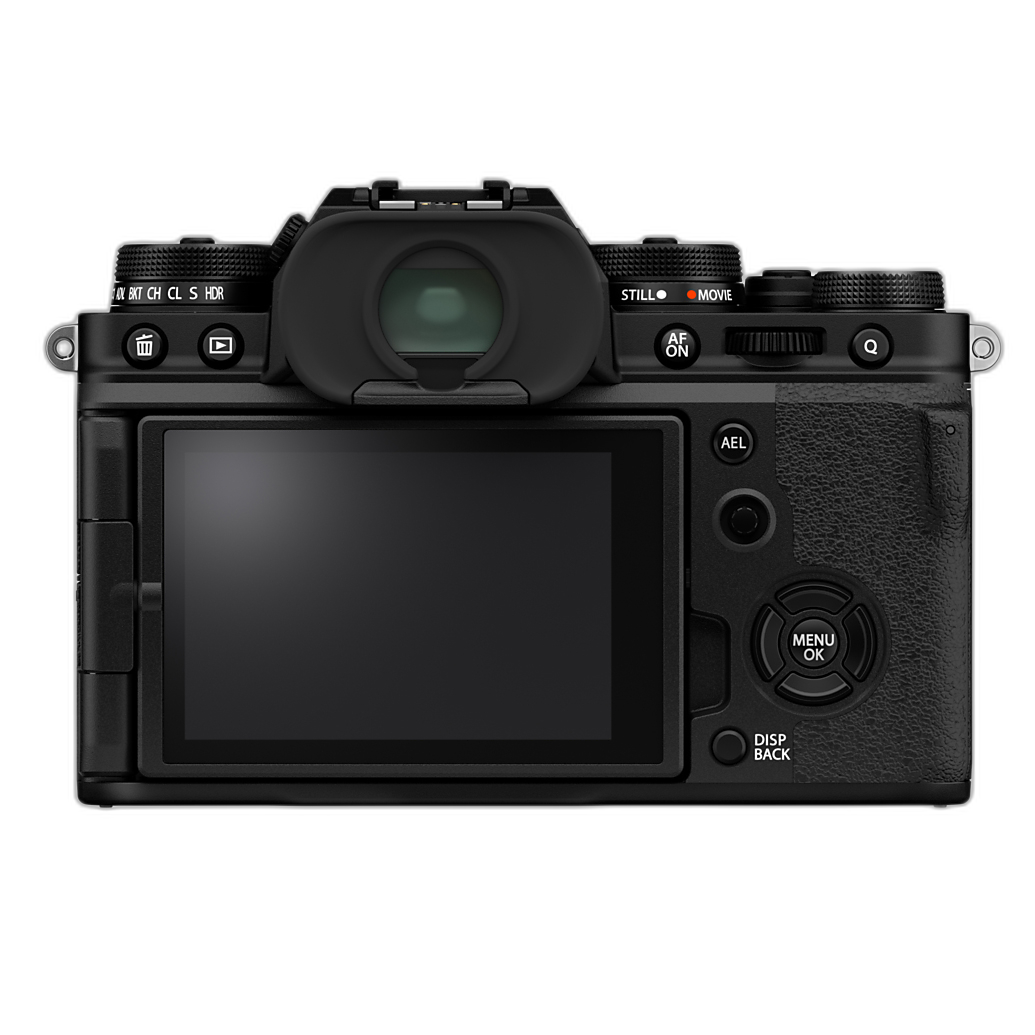
Fujifilm X-T4, represented here in used condition options, remains one of the most compelling value picks for enthusiasts who want a balanced hybrid camera with strong ergonomics and proven performance.
How These Cameras Position Themselves
Sony: The Video-First Choice
Sony’s strength in this group is obvious: if your main priority is filmmaking, content creation, commercial work, interviews, documentary production, or cinematic solo shooting, Sony is the safer and stronger buy. The FX3 in particular has become a favorite because it bridges the gap between a mirrorless body and a dedicated cinema camera. It is compact, highly usable, and designed for creators who care more about footage than photo specs.
The FX5 line pushes that further by adding more professional intent. Buyers considering these cameras are usually less concerned with casual still photography and more focused on production reliability, better audio workflows, mounting flexibility, and a more serious cinema setup.
Fujifilm: The Hybrid Enthusiast Favorite
Fujifilm approaches the mid-range market from another direction. The X-T50 and X-T4 are more traditional mirrorless cameras for people who shoot photos first, or at least want a more balanced camera that handles both stills and video well. Fujifilm’s appeal lies in its tactile controls, compact designs, attractive JPEG rendering, and overall shooting experience. These are cameras that make photography fun without giving up modern capability.
For travel, family, street, portraits, and general content creation, Fuji’s bodies can feel more approachable and better sized for everyday use than Sony’s cinema-oriented models.
Key Features That Matter Most
Sensor Format and Image Style
The first big dividing line is full-frame versus APS-C. Sony’s FX3 and FX5 cameras bring full-frame advantages, particularly in low light, depth of field control, and that broader cinematic aesthetic many filmmakers want. For event work, documentary environments, and night shooting, Sony has a clear edge.
Fujifilm’s X-T50 and X-T4 use APS-C sensors, which remain extremely capable and often help keep size and lens cost down. For many photographers, APS-C is still the sweet spot. You get strong image quality, lighter kits, and often better value per dollar spent.
Video Capability
If video is your primary reason for buying, Sony dominates this matchup. The FX3 is purpose-built for serious video creators. Its compact cinema design, professional workflow orientation, and strong full-frame output make it one of the most attractive cameras in this category.
The FX5 models push even further into cinema territory. For creators building out rigs, running external audio, or working on client productions, the version with the XLR Handle Unit is especially compelling because it speaks directly to practical production needs.
Fujifilm’s X-T50 and X-T4 are solid hybrid options, but they are not as specialized. They are better described as cameras that can shoot very good video, rather than cameras designed around video-first workflows.
Handling and Portability
Portability is more nuanced than it seems. The Sony FX3 is compact for a cinema camera, but its body design still clearly targets production use. It is efficient, practical, and rig-friendly rather than classically photographic. The FX5 goes farther in that direction.
Fujifilm’s X-T50 is the easiest camera here to recommend to casual enthusiasts and travel shooters. It is compact, attractive, and less intimidating. The included XF 16-50mm lens also makes it a more complete out-of-the-box package.
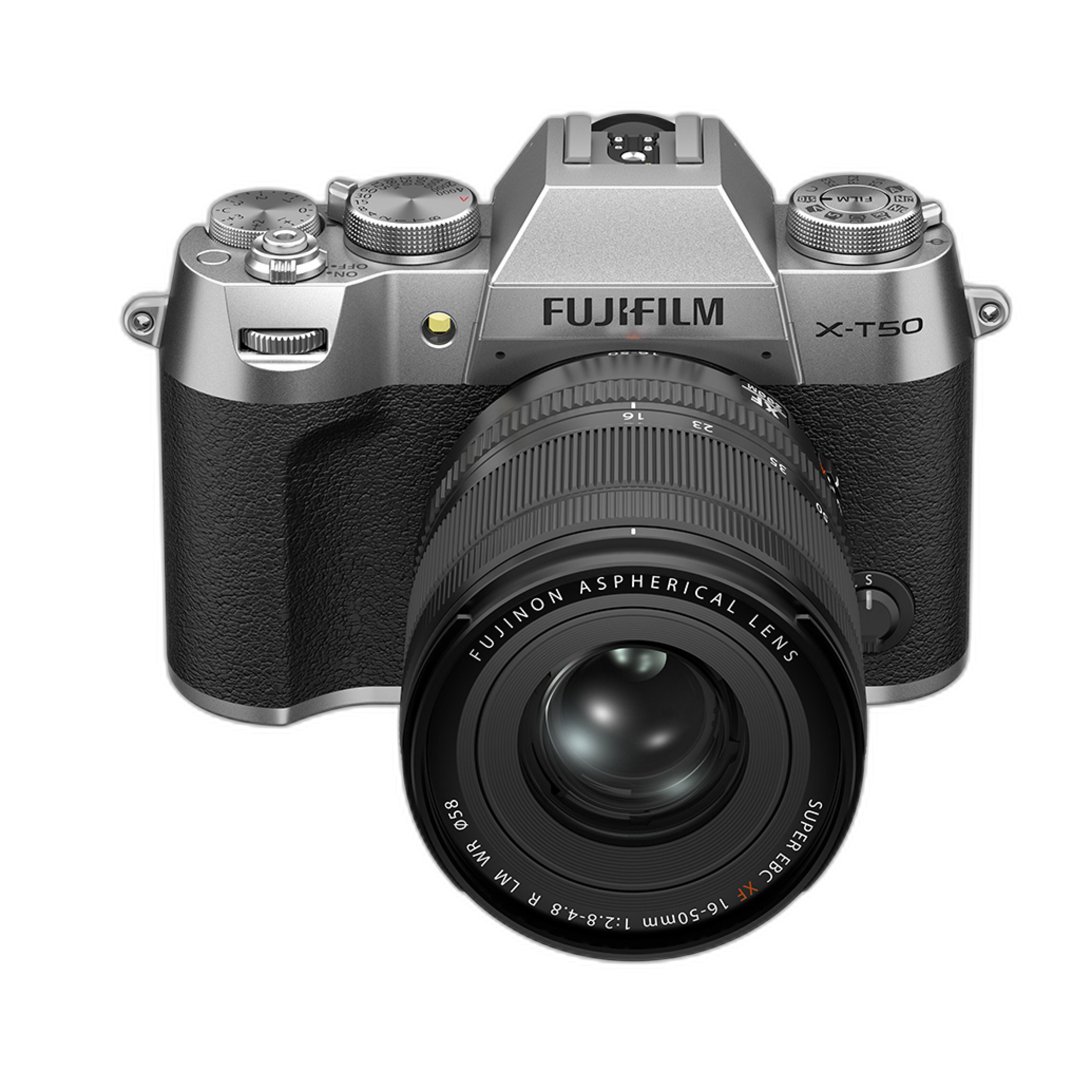
The X-T4 remains one of the more comfortable hybrid bodies for users who want physical controls and a traditional shooting feel. Its balance of usability and performance still holds up well.
Value and Buyer Type
This is where the decision becomes easier. The Sony FX3 and FX5 are not really mid-range in the same way the Fujifilm cameras are. They occupy a more professional segment, and buyers will pay accordingly for that performance and specialization.
The Fujifilm X-T50 is the better value for most hobbyists, travelers, and hybrid creators. The used X-T4 options are especially interesting for shoppers who want a lot of camera without stretching into newer pricing. Buying used from a trusted retailer like Unique Photo can be a smart move for value-conscious enthusiasts.
Pros and Cons
Sony FX3 / FX5 Strengths
- Excellent full-frame video performance
- Strong low-light capability
- Cinema-oriented body design and workflow
- More suitable for professional creators and filmmakers
- XLR handle option adds real production value
Sony FX3 / FX5 Limitations
- Overkill for casual photographers
- Less appealing for photo-first users
- Higher investment overall, especially once rigged out
- Not the most natural choice for everyday carry
Fujifilm X-T50 / X-T4 Strengths
- Strong hybrid performance for stills and video
- Compact and travel-friendly bodies
- Excellent user experience and physical controls
- Great color rendering and JPEG appeal
- Better value for enthusiasts and general creators
Fujifilm X-T50 / X-T4 Limitations
- Not as video-specialized as Sony cinema bodies
- APS-C look may not satisfy buyers seeking full-frame cinematic depth
- Less production-focused for audio and rigging needs
So What About Canon?
Canon absolutely belongs in any larger 2024 camera conversation, especially for hybrid shooters and creators comparing autofocus, color, and lens ecosystems. However, in this specific lineup of available products, Sony and Fujifilm are the real choices on the table. If you are deciding based on what you can buy right now from these options, the comparison is effectively Sony versus Fuji.
Verdict: Which One Should You Buy?
If you are a filmmaker, solo video creator, documentarian, or commercial shooter, Sony is the winner. The Sony FX3 Full-Frame Cinema Camera is the standout choice for creators who want serious video performance in a compact body, while the Sony FX5 Cinema Camera with XLR Handle Unit makes even more sense for users building a more production-ready setup.
If you are a photographer, traveler, hybrid enthusiast, or content creator who values portability and overall versatility, Fujifilm is the smarter buy. The Fujifilm X-T50 with XF 16-50mm Lens is the most approachable and well-rounded package here, while the Fujifilm X-T4 remains a strong value pick for buyers open to used gear.
Final recommendation: choose Sony if video is your business, choose Fuji if photography and everyday hybrid shooting are your priority. For the best place to shop these cameras, check availability at Unique Photo, where you can compare current inventory, including new and used options, and find the right fit for your budget and workflow.