Introduction
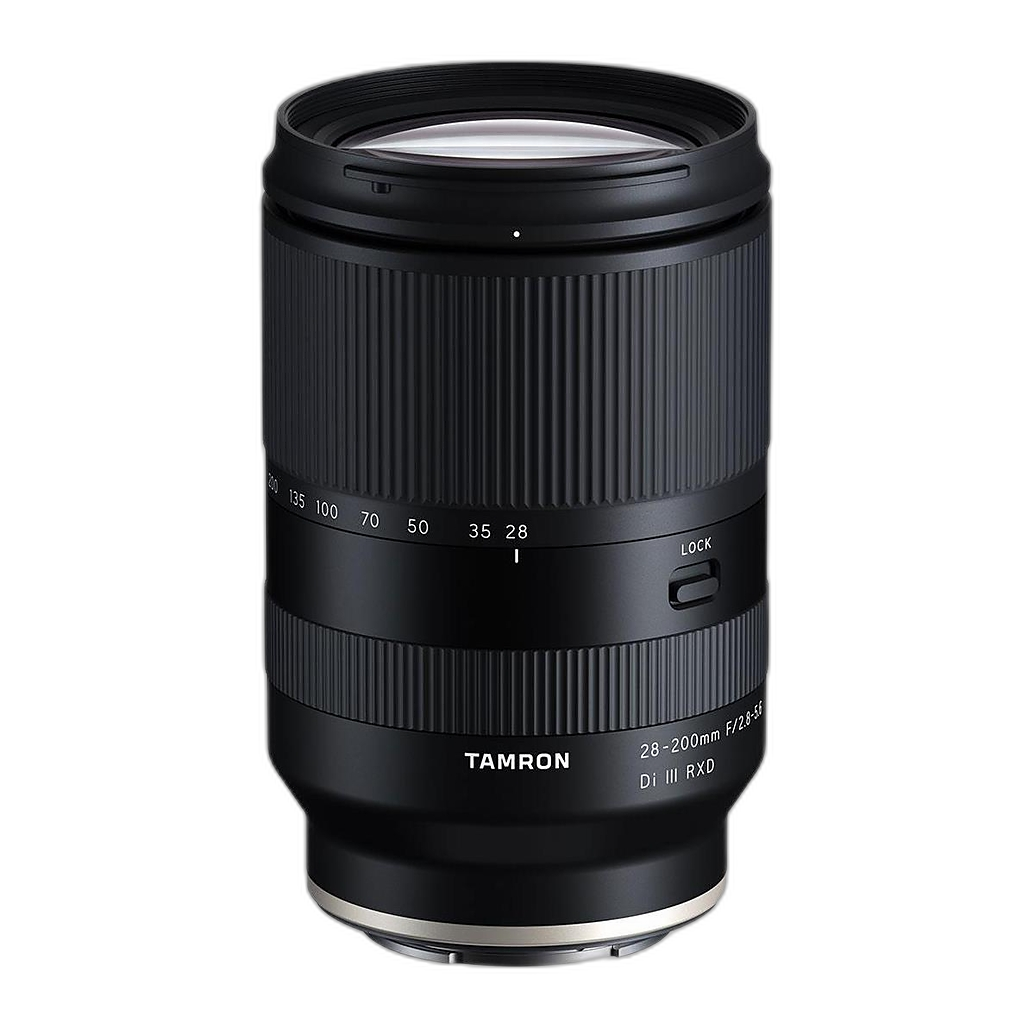
If you want one lens that can realistically stay on your camera for most of a trip, the Tamron A071 28-200mm F/2.8-5.6 Di III RXD for Sony FE makes one of the strongest cases in the travel-lens category. Travel photography is all about compromise: pack light, stay flexible, and be ready for everything from wide city scenes and food photos to portraits and distant details. Some lenses give you speed but not reach, while others give you reach but ask you to sacrifice image quality or low-light capability. This Tamron stands out because it balances those demands unusually well.
For Sony full-frame travelers, it hits a sweet spot. The wide end is bright at f/2.8, which is rare for a superzoom-style travel lens, and the long end stretches all the way to 200mm, giving you much more compositional freedom than a standard 24-70mm or 28-70mm. If your goal is to bring a single lens on vacation, a weekend city break, a cruise, or an international trip where space matters, this is arguably one of the best all-around answers available at Unique Photo.
Why This Lens Makes Sense for Travel
The main reason the Tamron 28-200mm works so well as a travel lens is simple: it covers the focal lengths most travelers actually use. At 28mm, you can shoot street scenes, architecture, hotel interiors, and environmental portraits. In the middle range, it handles everyday walkaround photography with ease. At 200mm, it becomes useful for compressing landscapes, isolating distant subjects, capturing candid moments, and getting closer to details without physically moving.
That versatility means fewer lens changes, less gear to carry, and less chance of missing a shot while swapping lenses in a crowded market or on a windy overlook. For travel photographers, convenience is not a minor feature—it often determines whether you get the shot at all.
Key Features
28-200mm Zoom Range That Truly Covers a Trip
This is the headline feature, and it is the reason this lens deserves serious attention. A 28-200mm range gives you an enormous amount of flexibility in a single package. You can shoot wide enough for general sightseeing, yet long enough for wildlife in a park, mountain details, or portraits taken from a comfortable distance.
Compared with a lens like the Sigma 28-70mm f/2.8 Contemporary, the Tamron gives up some constant-aperture simplicity but massively expands your shooting options. Compared with APS-C superzooms like Tamron’s 18-300mm options, this lens is especially appealing to full-frame Sony shooters who want a one-lens setup without abandoning sensor coverage.
Bright f/2.8 at the Wide End
One of the most appealing aspects of this lens is that it starts at f/2.8 on the wide end. That gives it an edge over many travel zooms that begin at f/3.5 or slower. In practical use, this helps when photographing indoors, in cafes, at museums where permitted, or during early morning and evening walks. It also allows for better subject separation than many all-in-one zooms can deliver at their widest setting.
This brightness does not remain constant throughout the zoom range, but the fact that Tamron gives travelers f/2.8 where it is often most useful is a major strength.
Portable Design for a Full-Frame Travel Setup
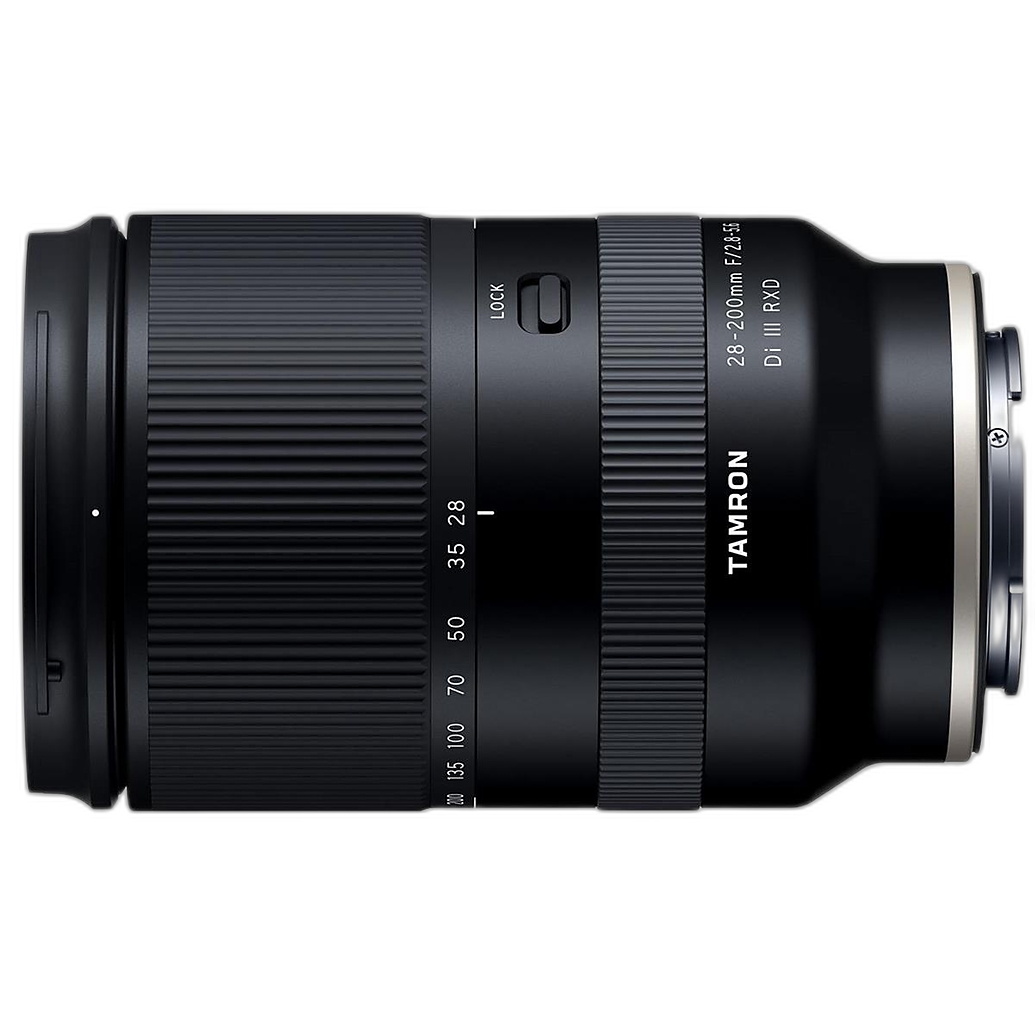
Travel photographers often end up choosing smaller lenses not because they are technically better, but because they are more likely to be carried all day. The Tamron 28-200mm is attractive because it gives full-frame Sony users an extended zoom range without becoming unreasonably bulky. It is much more practical for day-long sightseeing than carrying multiple lenses to cover the same focal range.
That makes it ideal for travelers who want to pack one body, one lens, and maybe a small accessory pouch instead of a full shoulder bag full of glass.
Strong Everyday Image Quality
No superzoom is magic, and it is fair to say that a lens with this much range will involve some optical compromise compared with more specialized zooms or primes. But in real-world travel photography, the Tamron performs well enough to satisfy a broad range of enthusiasts and even many advanced users. For social sharing, photo books, general printing, and personal documentary work, it delivers the kind of image quality that makes the convenience worthwhile.
What matters is that the lens lets you make images you otherwise would not have captured. That is often more important on a trip than chasing marginal sharpness differences at the edges of the frame.
Fast, Quiet Autofocus for Modern Mirrorless Use
Tamron’s RXD autofocus system helps this lens feel at home on Sony mirrorless bodies. For travel, autofocus matters in subtle ways: locking onto people walking through a scene, grabbing a quick portrait before the moment passes, or focusing smoothly during casual video clips. A lens like this benefits from being responsive and unobtrusive, and that is part of what makes it such a good fit as a daily-use travel optic.
Real-World Travel Performance
On an actual trip, the Tamron 28-200mm shines because it keeps your kit simple. Imagine walking through a European city in the morning: you start with a wide shot of a plaza, switch to a tighter frame of architectural details on a cathedral, then zoom to 200mm for a portrait or a distant rooftop scene. Later in the day, you use the same lens for food photography, candid family moments, and sunset landscapes. That sort of flexibility is exactly what travel lenses are supposed to provide.
Where this lens is especially smart is for travelers who do not want to stop and think about gear decisions all day. It lowers friction. And on vacation, that matters.
How It Compares to Other Travel Lens Options
Vs. Sigma 28-70mm f/2.8 Contemporary
The Sigma 28-70mm f/2.8 is the better choice if you prioritize a constant bright aperture and do not need telephoto reach. It is a superb standard zoom. But for travel, the Tamron 28-200mm is more versatile by a large margin. If you want one lens for nearly everything, the Tamron is the more practical travel pick.
Vs. Sigma 28-105mm f/2.8 Art
The Sigma 28-105mm f/2.8 offers premium performance and a constant aperture, but it is more of a high-end do-it-all standard zoom than a true one-lens travel solution. If your priority is image quality first and packing light second, Sigma’s Art lens is compelling. If your priority is flexibility and lighter travel, the Tamron 28-200mm is easier to justify.
Vs. OM System 12-200mm f/3.5-6.3
The OM System 12-200mm is an outstanding range monster for Micro Four Thirds users, especially if you want an equivalent field of view that reaches from ultra-wide to super-telephoto. But for Sony full-frame photographers, the Tamron remains one of the best-balanced options in this category thanks to its bright 28mm f/2.8 starting point and strong portability.
Vs. Tamron 18-300mm for Sony E or Fujifilm X
The 18-300mm lenses are fantastic for APS-C travelers who want maximum reach and convenience. However, if you shoot Sony full-frame and want to maintain that format while still traveling light, the 28-200mm is the more natural fit.
Pros and Cons
Pros
- Excellent 28-200mm range for true one-lens travel shooting
- Unusually bright f/2.8 maximum aperture at the wide end
- Portable and practical for a full-frame travel setup
- Reduces lens changes and keeps your kit simple
- Useful for landscapes, portraits, street scenes, and distant details
- Good autofocus performance for stills and casual video
Cons
- Not as wide as 24mm, which some travelers may miss for architecture and interiors
- Variable aperture means less low-light consistency as you zoom in
- Won’t match the edge-to-edge performance of more specialized premium zooms or primes
- Best suited specifically to Sony FE users, so it is not a universal recommendation across all systems
Verdict
So, what’s the best all-around travel lens for your next trip? If you shoot Sony full-frame and want the most practical single-lens solution, the Tamron 28-200mm F/2.8-5.6 Di III RXD is one of the smartest choices available. It offers the kind of range that genuinely changes how lightly you can pack, while still giving you a bright wide end and image quality that holds up very well in real-world travel use.
It is not the most specialized lens, the fastest telephoto, or the widest option on the market. But as an all-around travel lens, it gets the balance right. That is why it stands out. For photographers who want to travel lighter, shoot more, and worry less about changing lenses, this Tamron is easy to recommend.
If you are ready to build a practical travel kit around one highly versatile zoom, Unique Photo is a great place to buy the Tamron 28-200mm and compare it with other travel-friendly options for your system.