Documentary Filmmaking Lens Value: Zoom Versatility vs Prime Image Quality
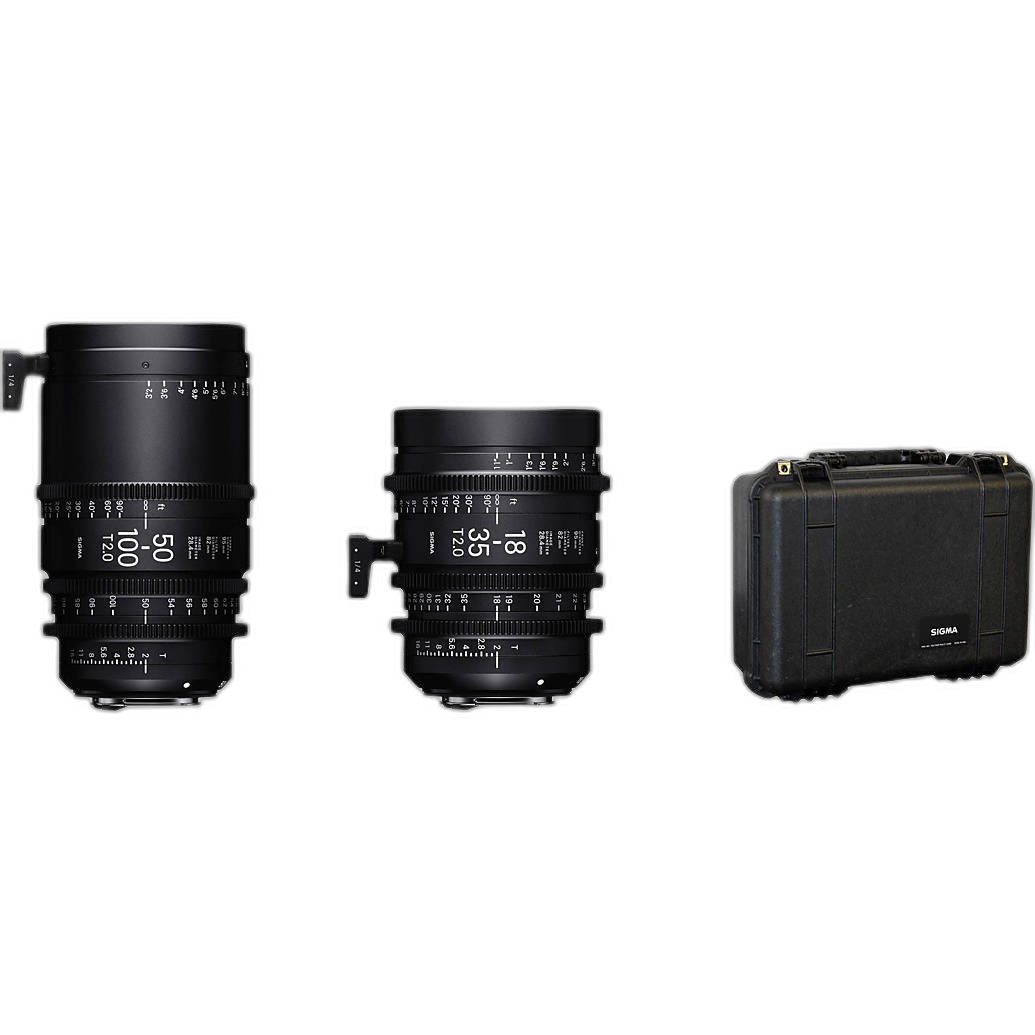
Documentary filmmakers constantly balance speed, flexibility, and image quality. In fast-moving real-world production, the "best value" lens is rarely just the cheapest option—it is the one that delivers the most usable focal lengths, dependable low-light performance, and practical handling for the way you actually shoot. For this comparison, we are looking at three serious cinema-oriented options available from Unique Photo: the Sigma 18-35mm T2 and 50-100mm T2 Fully Luminous Lenses with Case, the Canon CN-E 20-50mm T2.4 LF Cinema EOS Zoom Lens paired conceptually with the Canon CN-E 45-135mm T2.4 LF Cinema EOS Zoom Lens, and the Sigma 14/135mm T2 FF High-Speed Fully Lum. Prime Lens Kit.
These choices represent the core documentary debate: do you prioritize the run-and-gun convenience of zooms, the consistency and reach of a premium full-frame cinema zoom setup, or the optical performance and speed of a prime kit? We will compare focal range, speed, coverage, usability, and overall value for real documentary work.
Side-by-Side Specs
| Product | Lens Type | Focal Coverage | Max Aperture | Format | Mount | Best Use Case |
|---|---|---|---|---|---|---|
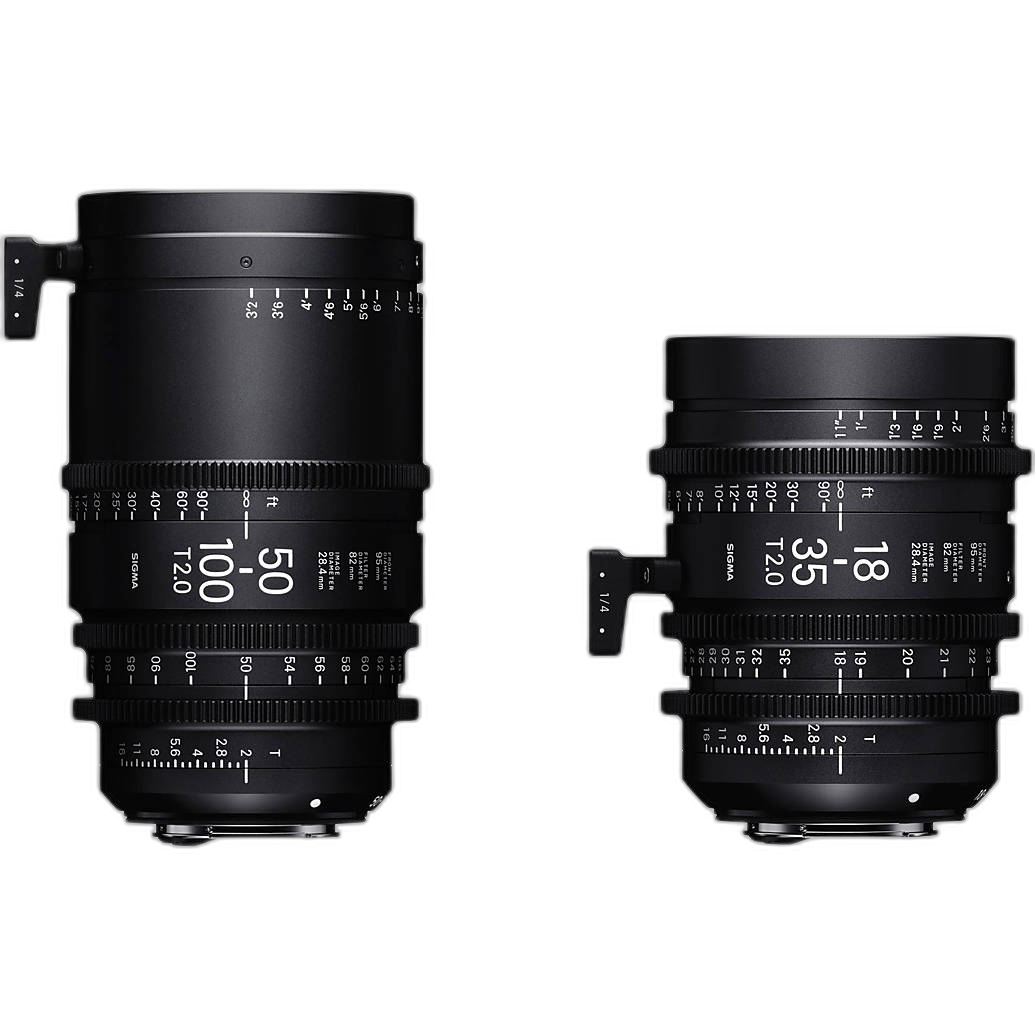
| Sigma 18-35mm T2 and 50-100mm T2 Fully Luminous Lenses with Case | 2-lens zoom set | 18-100mm across two lenses | T2 | Super 35 / APS-C oriented cinema coverage | Canon EF | High-value doc, interviews, handheld and gimbal work |
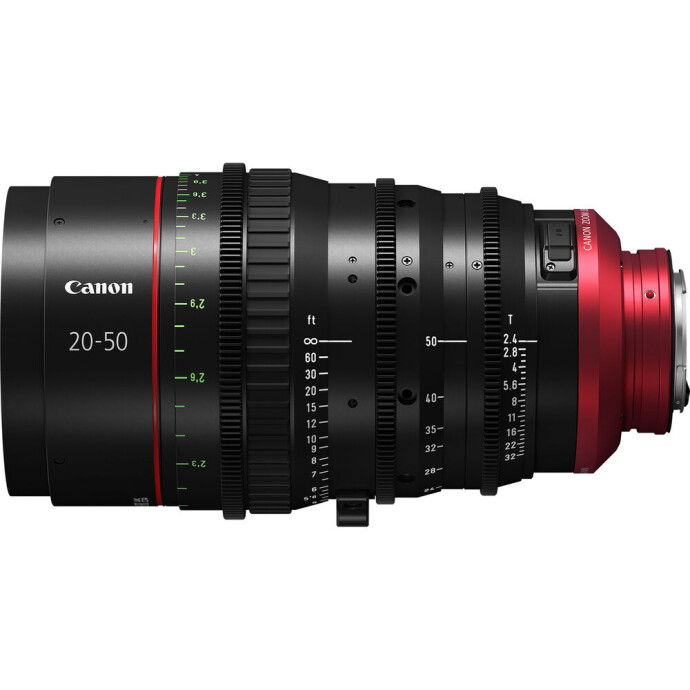
| Canon CN-E 20-50mm T2.4 LF Cinema EOS Zoom Lens | Cinema zoom | 20-50mm | T2.4 | Full-frame / large format | EF | Premium wide-to-normal documentary coverage |
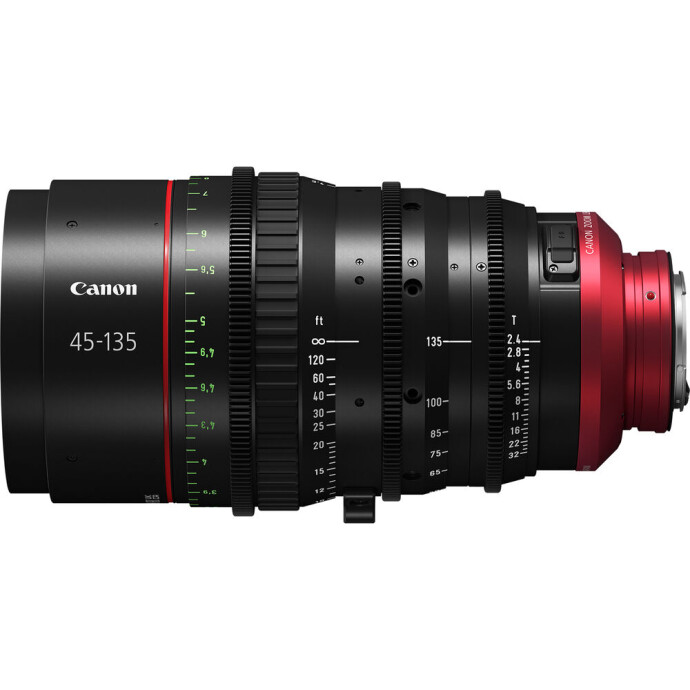
| Canon CN-E 45-135mm T2.4 LF Cinema EOS Zoom Lens | Cinema zoom | 45-135mm | T2.4 | Full-frame / large format | EF | Portrait, verite, interview, compressed observational work |
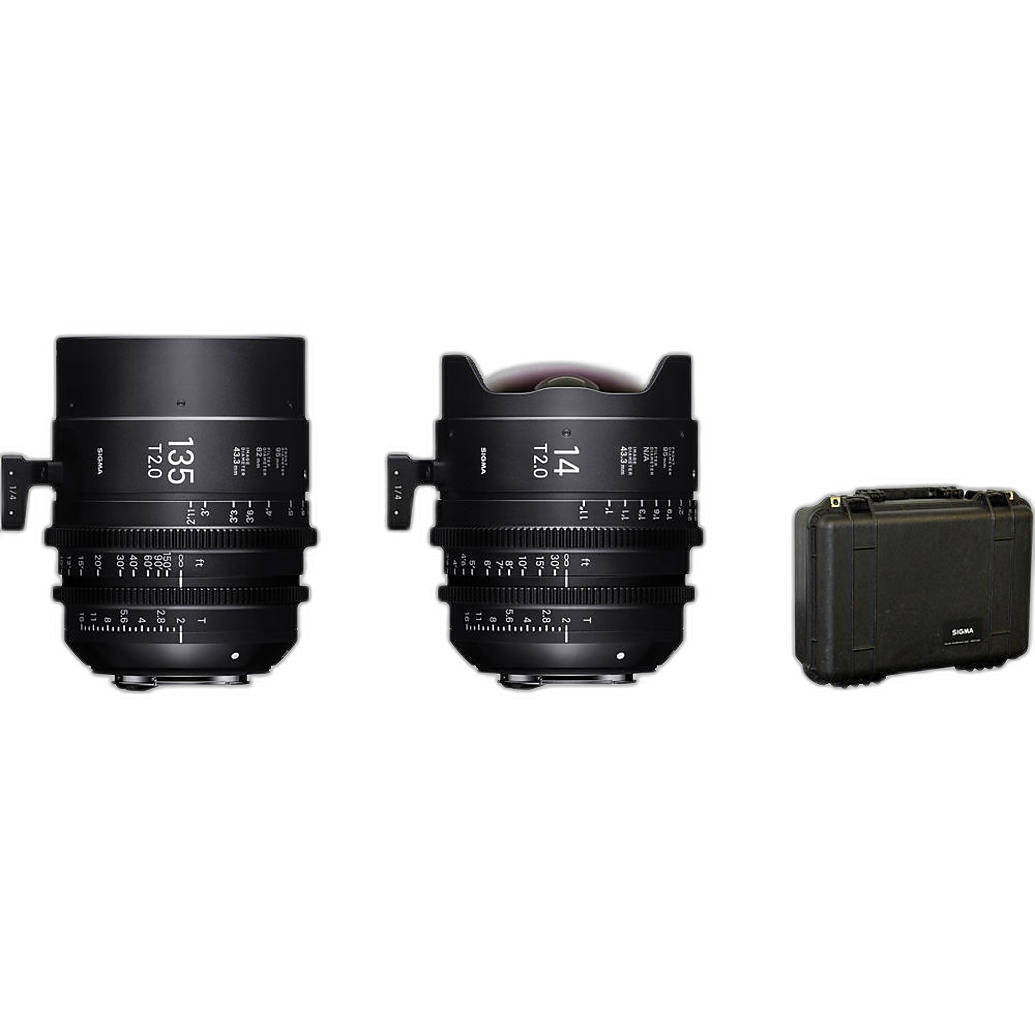
| Sigma 14/135mm T2 FF High-Speed Fully Lum. Prime Lens Kit | Prime lens kit | 14mm to 135mm set | T2 | Full-frame | Canon EF | Highest optical control and cinematic discipline |
Zooms vs Primes for Documentary Filmmaking
The biggest practical divide here is not brand—it is workflow. Documentary shooters often need to react instantly. A zoom can save a shot when you cannot physically move, when a subject changes distance unexpectedly, or when you need to go from establishing frame to close detail without interrupting the moment. That makes both the Sigma zoom pair and the Canon CN-E zooms compelling.
Primes, however, still have a strong place in documentary production. They can encourage more intentional framing, often provide strong optical character, and maintain a fast, consistent T-stop across the set. For filmmakers building a hybrid style that mixes observational footage with carefully lit interviews, a prime kit can offer major image-quality upside.
Value and Versatility
For pure value, the Sigma 18-35mm T2 and 50-100mm T2 package is extremely strong. Together, these two lenses cover focal lengths that documentary filmmakers rely on constantly: moderately wide, normal, and short telephoto. The T2 aperture is especially useful for available-light production, night exteriors, and interview setups where you want shallow depth of field without pushing ISO too hard.
The Canon CN-E zoom pair, by contrast, sits in a more premium category. The 20-50mm and 45-135mm lenses deliver large-format coverage and a polished cinema-oriented shooting experience. For documentary teams already working on full-frame cinema bodies and wanting top-tier mechanics, they make a lot of sense—but they are not the first answer to a value-focused debate.
The Sigma prime kit offers broad focal-length coverage, but not the same immediate speed of operation in unpredictable situations. Lens changes cost time, and in doc work, time can cost moments.
Aperture and Low-Light Performance
Low-light capability matters enormously in documentary work because so much shooting happens in uncontrolled environments. Here, the Sigma options have an edge on paper thanks to their T2 speed. That slight advantage over T2.4 can be meaningful when shooting interior verite sequences, dim venues, or natural-light interviews.
The Sigma zoom duo is especially attractive because it combines fast aperture with practical coverage. The Sigma prime kit also offers T2 speed across a broad cinematic set, which is ideal for filmmakers who want that faster look while maintaining consistent exposure behavior across lenses.
The Canon CN-E zooms at T2.4 are still clearly professional low-light tools, but if your documentary style regularly pushes into difficult ambient-light conditions, Sigma's T2 offerings stand out from a value perspective.
Coverage and Sensor Format
Sensor coverage can influence buying decisions as much as focal length. The Canon CN-E 20-50mm and 45-135mm are designed for large-format/full-frame cinema capture, making them a stronger fit for productions built around full-frame cameras and the aesthetic that comes with them. If you are shooting on a full-frame cinema platform and want lenses designed to match it cleanly, Canon makes a compelling case.
The Sigma 18-35mm and 50-100mm pair is famously practical for Super 35-style shooting. That makes it a natural match for many documentary cameras and shooters who do not need full-frame coverage to get the job done. In many documentary scenarios, Super 35 remains a highly usable and even preferable format due to its focus behavior and familiar field of view.
The Sigma 14/135mm T2 FF prime kit gives filmmakers full-frame coverage with the flexibility of a broad prime set, though with the operational tradeoff of frequent swaps.
Handling in Real Documentary Situations
Handling is where the value conversation gets real. In observational documentary work, a lens can be optically brilliant and still be the wrong tool if it slows you down. The Sigma 18-35mm T2 and 50-100mm T2 setup is likely the most balanced choice here: it gives you two highly practical zoom ranges, a fast T2 aperture, and a relatively straightforward two-lens workflow. That means less compromise between image quality and responsiveness.
The Canon CN-E zoom combination is excellent for documentary crews with support, planning, and a larger-format workflow. It offers premium cinema ergonomics and a very useful 20-135mm combined range, but this is a more investment-heavy path and better suited to shooters who prioritize top-end build and full-frame coverage over budget efficiency.
The Sigma prime kit rewards a more deliberate working style. It is fantastic for sit-down interviews, stylized inserts, planned sequences, and documentary projects with a strong cinematic visual identity. It is less ideal for one-operator run-and-gun work where changing lenses repeatedly can be disruptive.
Stabilization and Practical Tradeoffs
One of the key tradeoffs documentary filmmakers debate is stabilization. None of these cinema lenses are being highlighted here as stabilization-first solutions, so support choices matter. If your work depends heavily on handheld shooting, shoulder rigs, monopods, gimbals, or stabilized camera bodies become part of the equation. Because of that, the better value lens is often the one that reduces the need to swap setups or lenses mid-scene.
That again favors zooms over primes for many documentary shooters. A zoom cannot replace stabilization, but it can reduce missed moments and keep operators more fluid in unpredictable environments. The Sigma zoom pair stands out because it provides this flexibility without giving up a fast T2 aperture.
Optical Quality and Look
All of these are serious cinema tools, so the conversation is less about "good versus bad" and more about what kind of image-making discipline you want. The Canon CN-E zooms are a premium full-frame cinema choice with the kind of rendering and mechanical confidence many professionals expect on higher-end productions. The Sigma prime kit likely offers the strongest route for filmmakers who want to maximize cinematic control shot by shot.
But when the topic is best value and versatility for documentary filmmaking, the Sigma 18-35mm and 50-100mm combo is unusually persuasive. It gives filmmakers a practical focal span, fast aperture, and cinema-style consistency in a package that aligns well with real-world doc shooting needs.
Our Pick
Our Pick: Sigma 18-35mm T2 and 50-100mm T2 Fully Luminous Lenses with Case (Canon EF)
If you are a documentary filmmaker trying to maximize both value and versatility, this Sigma two-zoom package is the strongest overall recommendation. It covers the most useful real-world focal lengths for interviews, handheld observational work, b-roll, and controlled documentary setups. The constant T2 speed helps in low light, and the two-lens approach is far more practical for fast production than carrying a full prime set.
The Canon CN-E zooms are the better fit for filmmakers committed to a premium full-frame cinema ecosystem and willing to invest accordingly. The Sigma full-frame prime kit is the better artistic choice for highly controlled documentary productions. But for the broadest mix of affordability, usability, and image-making flexibility, the Sigma zoom pair wins.
Conclusion
For documentary filmmakers, lens value is about more than price—it is about how often a lens helps you get the shot without slowing you down. The Canon CN-E zooms offer a premium large-format cinema route, and the Sigma prime kit offers outstanding creative control. Still, the Sigma 18-35mm T2 and 50-100mm T2 combination remains the most compelling all-around choice for many documentary shooters who want versatility, speed, and strong overall value. If you are building a documentary lens package, Unique Photo offers several excellent cinema-lens options to match your shooting style and production needs.