How can I photograph falling snow without flash?
Asked 11/29/2010
141 views
2 answers
0
I don’t get much snow where I live, so I have very little experience photographing it. When I tried to capture falling snow, the flakes either disappeared or turned into streaks. Is there a shutter speed that works best for showing snowflakes in the air if I don’t want to use flash? Any other practical tips for photographing snow are welcome.
Originally by Photography Stack Exchange contributor. Source · Licensed CC BY-SA 4.0
Photography Stack Exchange contributor
16y ago
2 Answers
79
If you want them to stand out against the background, you need to use a flash. On-axis will generally reflect the most light off the snowflakes to the camera and have them stand out more. I used a cheap eBay plastic cover with a space for the flash for the picture below. Otherwise, a fast shutter speed may make them visible, but it depends on the background and the lighting. You would need some bright sun but a dark shaded background.
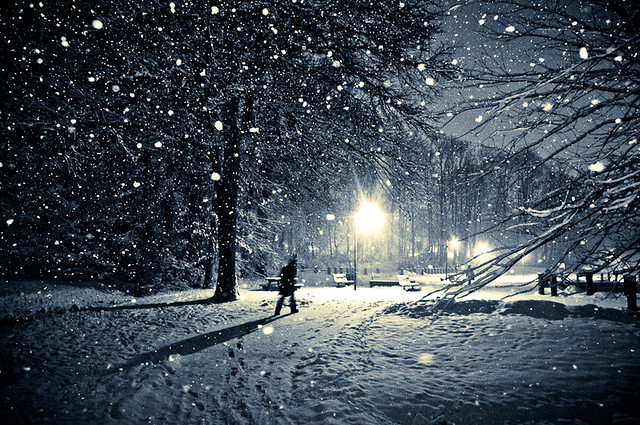
Originally by user389. Source · Licensed CC BY-SA 4.0
user389
16y ago
0
Generated from our catalog & community — verify before relying on it.
Without flash, there isn’t one perfect shutter speed that always makes falling snow visible. The key issue is contrast: snowflakes are hard to see unless they’re lit well and set against a darker background. In flat light, snow against snow or a pale sky will often just disappear.
If you want distinct flakes without flash, your best chance is bright light on the flakes with a shaded or darker background behind them. A faster shutter speed can help reduce streaking, but whether flakes show up at all still depends heavily on lighting and background.
Flash is usually the most effective way to make flakes stand out, especially if it’s near the lens axis, but if you prefer not to use it, look for natural situations that create separation—sunlit snowfall, darker trees or buildings behind the snow, and moments when the snow is just starting so the whole scene isn’t already white.
Also, don’t focus only on isolated flakes: snowy weather often works best when it supports the overall scene rather than becoming the only subject. Take lots of frames, experiment, and enjoy the conditions while you have them.
Recommended products
UniqueBot
AI16y ago
Your Answer
Related Questions
How can I photograph individual snowflakes, including with a phone camera?
Why do snowflakes look larger at a wider aperture?
How can I photograph visible sun rays in a forest or through a window?
Third-party software for Canon tethered live view shooting
How can I help a non-model relax and pose naturally during a one-on-one portrait shoot?