
Moving to full frame is one of the most meaningful upgrades a photographer can make, especially when image quality, low-light performance, dynamic range, and wide-angle rendering are high on the priority list. But the full-frame conversation is never just about camera bodies. It is also about lens compatibility, handling, and whether your current system can truly take advantage of a larger sensor.
For Sony users considering the jump to full frame, the Zeiss Batis 18mm f/2.8 AF lens for Sony Full Frame E-Mount Cameras stands out as a strong example of what makes the system appealing. It combines a genuinely expansive field of view with premium optics, autofocus convenience, and a form factor that complements Sony's mirrorless full-frame bodies well. While discussions about Canon, Nikon, Sony, and other brands often revolve around sensor quality and body ergonomics, lenses like the Batis 18mm are what help define the real-world experience of switching systems or fully committing to full frame.
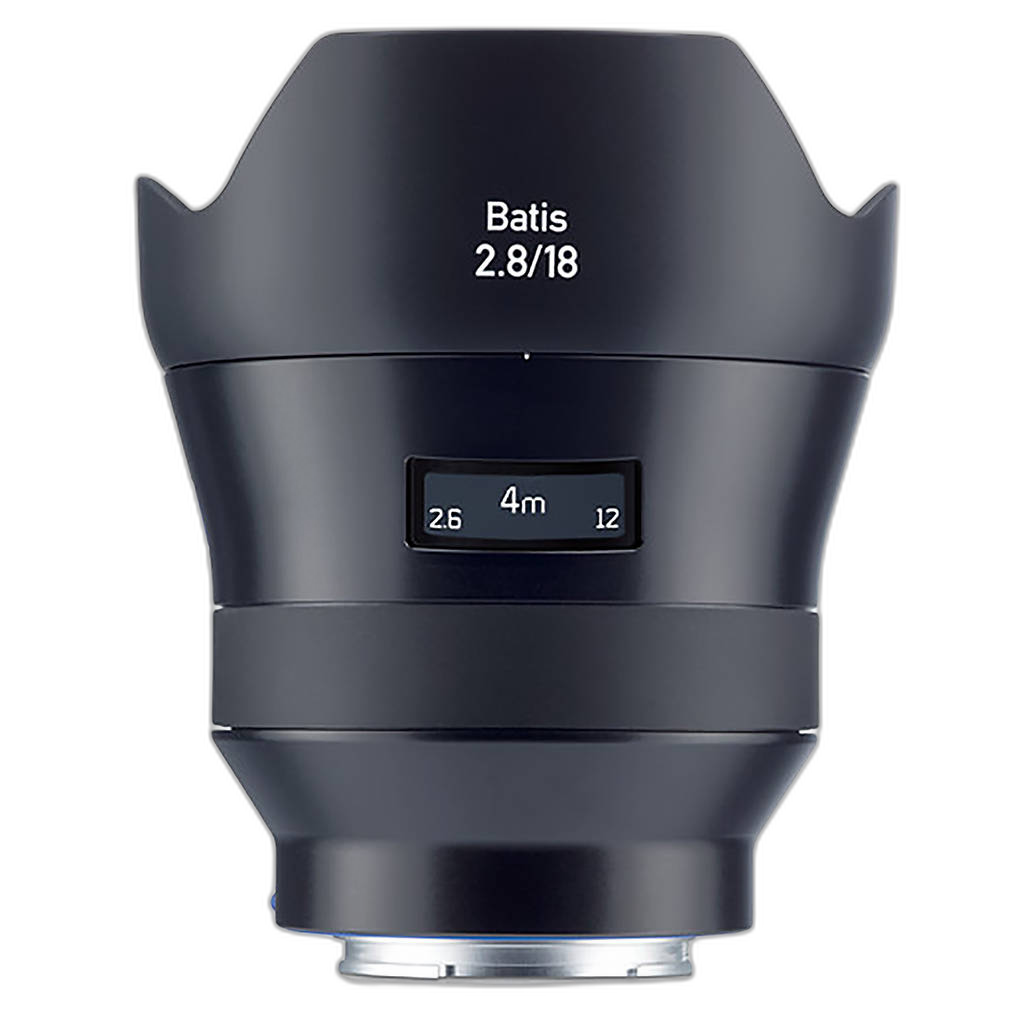
In practical use, this lens is particularly compelling for landscape photographers, travel shooters, architecture specialists, environmental portrait artists, and content creators who want a wide perspective without stepping into the bulk of many DSLR-era ultra-wide designs. It also reinforces one of Sony full frame's biggest advantages: access to native E-mount glass that is both optically ambitious and physically manageable.
Why This Lens Matters in the Full-Frame Upgrade Conversation
When photographers debate the benefits of moving to full frame, several points usually come up: cleaner high ISO files, better tonal depth, improved control over perspective and depth of field, and wider true focal lengths compared to crop systems. A lens like the Zeiss Batis 18mm f/2.8 helps bring those benefits into focus immediately.
On APS-C, many shooters rely on ultra-wide zooms or adapted DSLR lenses to achieve dramatic coverage. On a Sony full-frame body, an 18mm prime like this gives you the full visual impact of a truly wide focal length with edge-to-edge performance designed for the format. That means less compromise at the corners, stronger overall sharpness, and better exploitation of the sensor's capabilities.
Just as important, lens compatibility is a central factor for anyone comparing brands. Sony users already invested in E-mount can often transition from APS-C to full frame more smoothly than users in some legacy DSLR ecosystems, provided they choose lenses designed for full-frame coverage. The Batis 18mm is exactly that kind of lens: a native full-frame option that makes the upgrade path more attractive and more coherent.
Design and Build Quality
Premium Construction With a Modern Mirrorless Feel
The Zeiss Batis line is known for its clean industrial design, and the 18mm f/2.8 fits that identity perfectly. The barrel is sleek, understated, and refined, pairing nicely with Sony Alpha full-frame bodies. It looks and feels like a lens designed specifically for modern mirrorless shooting rather than an adapted holdover from the DSLR era.
That matters because ergonomics are a major part of brand comparison. Some photographers prefer the deeper grips and more traditional control layouts found in other systems, while others appreciate Sony's compact ecosystem and modular handling. The Batis 18mm supports the latter philosophy well. It keeps the setup relatively portable while still feeling substantial enough for serious work.
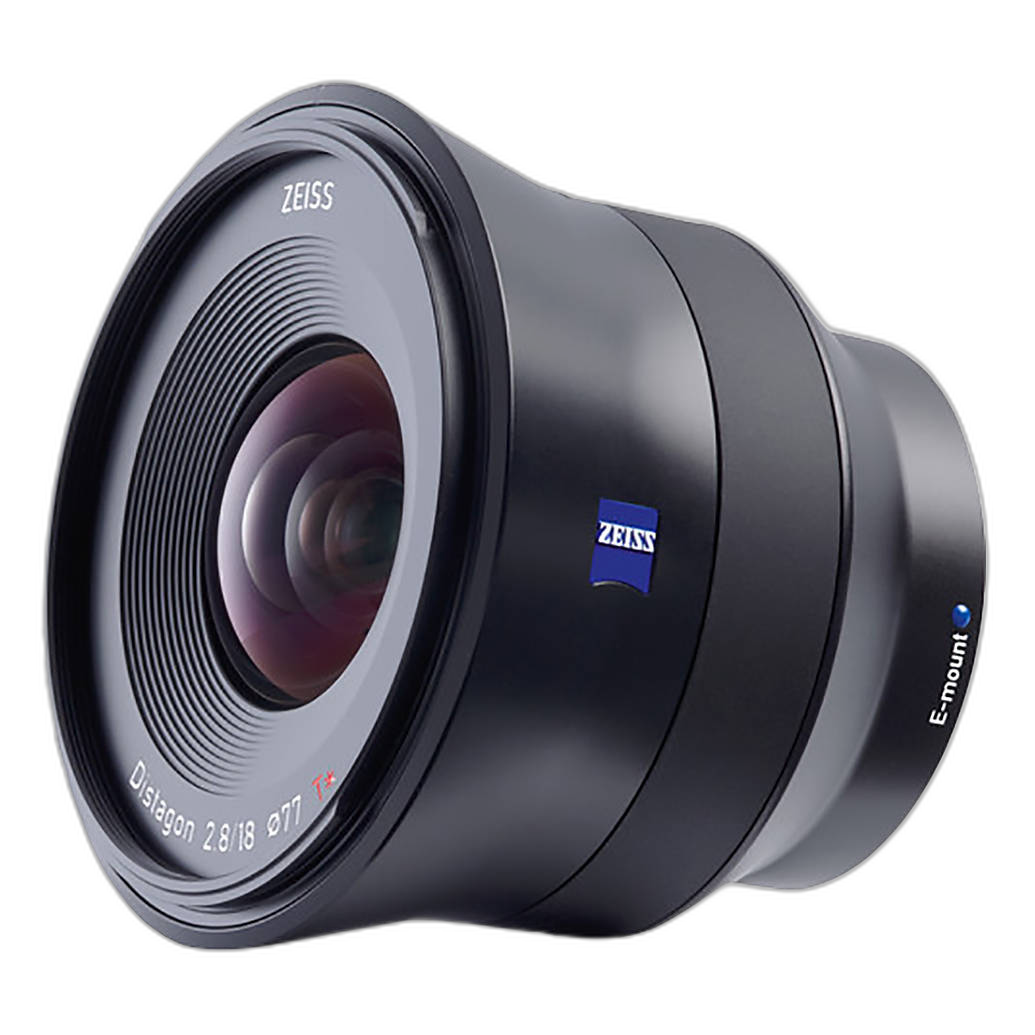
The lens is also weather-sealed, which adds confidence for landscape and travel use. For photographers moving to full frame specifically to pursue more ambitious outdoor work, that feature is more than a bonus. It is part of the lens's professional appeal.
Optical Performance
Excellent Sharpness Across the Frame
One of the clearest benefits of premium full-frame glass is the ability to deliver high resolving power across a large image circle, and the Zeiss Batis 18mm performs very well here. Center sharpness is excellent, but more importantly for an ultra-wide lens, the edges and corners remain impressively controlled when stopped down slightly. That makes it highly suitable for landscape and architectural images where corner detail matters.
For photographers evaluating sensor quality among brands, this is a useful reminder: the body only tells part of the story. A strong sensor paired with a weak lens leaves performance untapped. The Batis 18mm helps Sony full-frame shooters realize the benefits of high-resolution sensors in a meaningful way.
Contrast, Color, and Zeiss Rendering
Zeiss lenses are often appreciated for their crisp microcontrast and polished rendering, and this lens continues that reputation. Images have a clean, vivid look with strong separation between fine details. Landscape scenes benefit from that extra sense of clarity, while interiors and architectural subjects gain a more refined tonal structure.
If you are comparing brands based on color science discussions online, remember that lenses contribute to image character as much as bodies do. The Batis 18mm gives Sony users a premium rendering style that many photographers find both distinctive and dependable.
Wide-Angle Control for Real-World Use
At 18mm, controlling distortion, coma, flare, and corner softness is always a challenge. The Batis handles these issues admirably. It is especially appealing for astrophotography-adjacent landscape work and dramatic environmental scenes where wide open performance and clean corners can make a major difference.
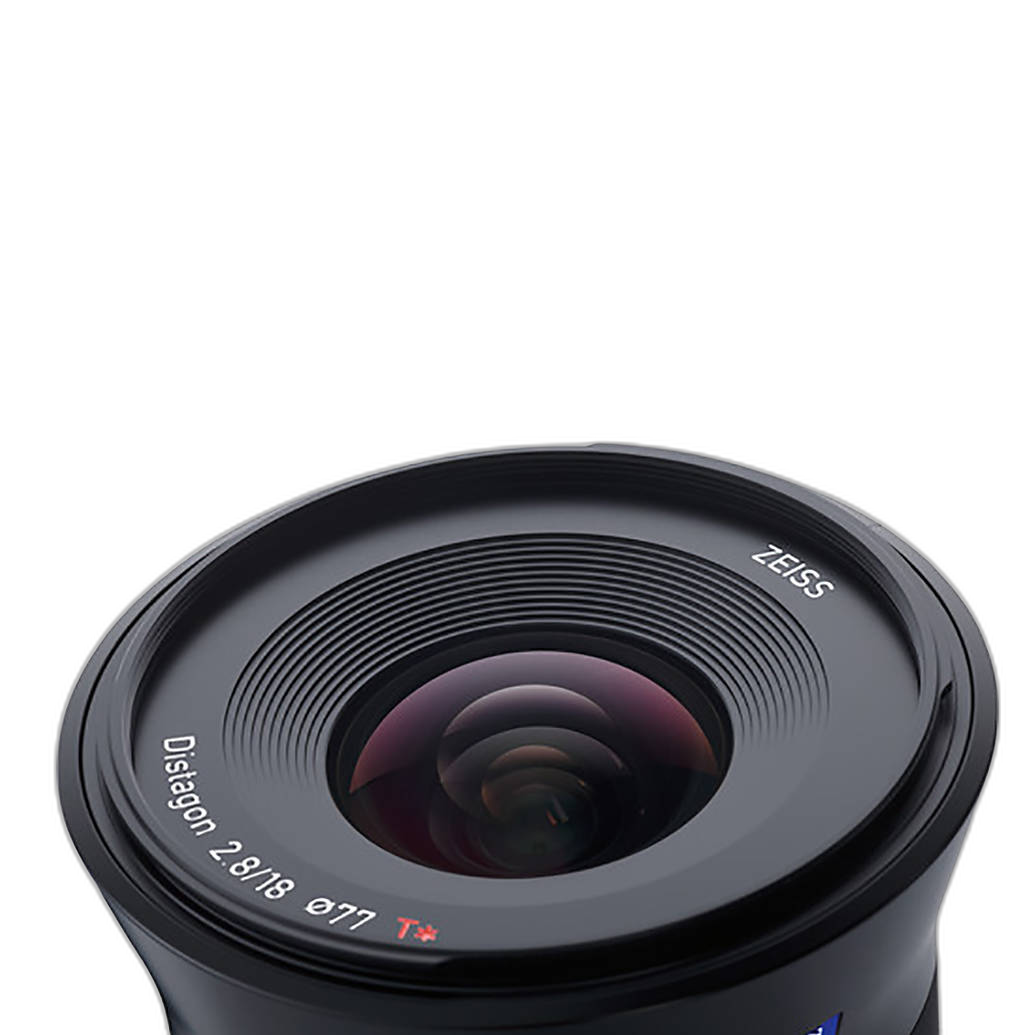
No ultra-wide lens is entirely free of optical compromises, but this one keeps them well managed. For photographers moving up from crop systems or older wide-angle DSLR lenses, the result is likely to feel like a significant step forward.
Autofocus and Handling
Fast, Native AF for Sony Full Frame
One of the strongest arguments for choosing a native mirrorless lens over adapted alternatives is autofocus performance. The Zeiss Batis 18mm offers autofocus that integrates smoothly with Sony's full-frame bodies, giving users a more seamless shooting experience than many adapted DSLR lenses can provide.
That is especially relevant when comparing systems based on compatibility with existing lenses. If you already own adapted glass, you may be able to keep using it, but native lenses like this demonstrate the real benefit of a mature mirrorless ecosystem: better balance, better communication with the camera, and fewer compromises in speed and reliability.
Balanced Ergonomics on Sony Bodies
Ergonomics remain a subjective issue in the camera world. Some photographers still prefer the feel of Canon or Nikon bodies in hand, while others have fully embraced Sony's smaller full-frame setups. The Batis 18mm is a good match for the latter approach. It preserves the portability advantage of Sony mirrorless while delivering image quality worthy of full-frame investment.
For travel and walkaround use, that balance is especially important. A full-frame system that is too large or heavy often gets left behind. This lens helps keep the system practical.
Who Should Consider the Zeiss Batis 18mm f/2.8?
This lens is best suited to photographers who want to maximize the benefits of Sony full frame with a premium ultra-wide prime. It makes particular sense for:
- Landscape photographers seeking excellent edge-to-edge sharpness
- Architecture and interior shooters needing a dramatic but controlled wide perspective
- Travel photographers who want high image quality without oversized DSLR-era glass
- Sony APS-C users planning a move to full frame and wanting native lens compatibility
- Creators who value premium optics, weather sealing, and autofocus convenience
It is less ideal for buyers who need the flexibility of a zoom or who are trying to build a full-frame kit on the tightest possible budget. But for photographers prioritizing image quality and native system integration, it is a very persuasive option.
Pros and Cons
Pros
- Excellent sharpness with strong corner performance for an ultra-wide prime
- True full-frame 18mm perspective is highly useful for landscapes, architecture, and travel
- Native Sony E-mount autofocus offers a better experience than many adapted alternatives
- Premium Zeiss contrast and rendering
- Weather-sealed build adds durability for field use
- Compact enough to preserve the portability advantage of Sony mirrorless full frame
Cons
- Premium pricing may be difficult for budget-conscious upgraders
- Prime lens design lacks the flexibility of an ultra-wide zoom
- 18mm can feel very specialized for photographers who do not regularly shoot wide
- Some users may still prefer the ergonomics of other camera brands overall, even if the lens itself is excellent
Full-Frame Upgrade Perspective: Sony, Brands, and Lens Compatibility
In the broader discussion of moving to full frame, Sony remains highly competitive because of its sensor performance, expanding native lens ecosystem, and ability to support both compact and professional-grade setups. Canon and Nikon also offer excellent full-frame image quality and increasingly strong mirrorless systems, but Sony's mature E-mount lens catalog is still one of its biggest strengths.
The Zeiss Batis 18mm f/2.8 is a strong illustration of that advantage. It gives Sony shooters a native, premium ultra-wide option that feels fully optimized for the system. For users already in Sony APS-C, it also represents a practical long-term lens investment if full frame is on the horizon. Instead of replacing your entire lens strategy later, you can begin building around full-frame-ready glass now.
That kind of compatibility is a major part of making the jump successfully. Sensor quality may attract photographers to full frame, but lens readiness often determines whether the transition feels smooth or expensive.
Verdict
The Zeiss Batis 18mm f/2.8 AF lens for Sony Full Frame E-Mount Cameras is an excellent example of why moving to full frame can be so rewarding when paired with the right optics. It delivers the expansive field of view, strong image quality, refined rendering, and native-system handling that serious Sony users expect from a premium ultra-wide prime.
It will not be the right lens for every photographer, especially those who need zoom versatility or are still undecided about which full-frame system best fits their hands and workflow. But for Sony shooters who value sensor performance, clean ergonomics, and future-proof lens compatibility, this is a compelling investment.
If you are considering a move to Sony full frame or want to strengthen your current E-mount kit with a high-end wide-angle prime, the Zeiss Batis 18mm deserves a close look. You can buy it from Unique Photo, a trusted destination for camera gear, lenses, and expert support.