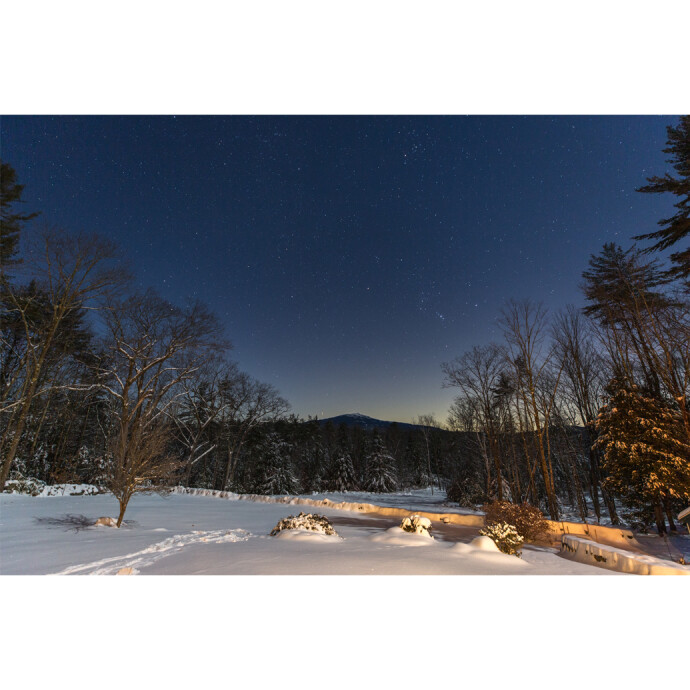
Local photography competitions are one of the best ways to grow as an image-maker. Whether you shoot landscapes, night skies, macro details, travel stories, or even film, contests push you to refine your technique, edit more carefully, and think harder about what makes an image stand out. This buying guide is for photographers who want to improve their chances of placing in local contests by choosing the right learning tools, sharpening their workflow, and avoiding the common mistakes judges notice immediately.
Unlike a simple gear checklist, winning competitions usually comes down to three things: choosing a genre that fits your strengths, presenting polished work, and building the technical consistency to execute under pressure. The products below are especially useful for photographers preparing entries for community exhibitions, camera club contests, seasonal fair competitions, and local gallery calls.
What Helps You Win Local Photography Competitions?
Most local competitions are judged on impact, composition, technical quality, and originality. That means your “gear” advantage is not always a new camera body—it can just as easily be stronger editing skills, better genre-specific technique, or clearer storytelling. If you already own a capable camera, investing in education can often improve your results faster than buying another lens.
When building your competition strategy, focus on:
- Genre fit: Enter categories where you can make distinctive work.
- Technical polish: Exposure, sharpness, color, and print-ready editing matter.
- Presentation: A strong photo can lose if it looks overprocessed or poorly cropped.
- Consistency: Many judges reward images that feel intentional from capture through final edit.
Best Learning Tools for Competition-Ready Photography
If you already have a camera and need the most practical edge for local competitions, post-processing education is often the smartest investment. Strong editing helps elevate landscapes, nature images, and other competition favorites without crossing into distracting overprocessing.
Editing and Enhancing Landscape and Nature Photography with Photoshop
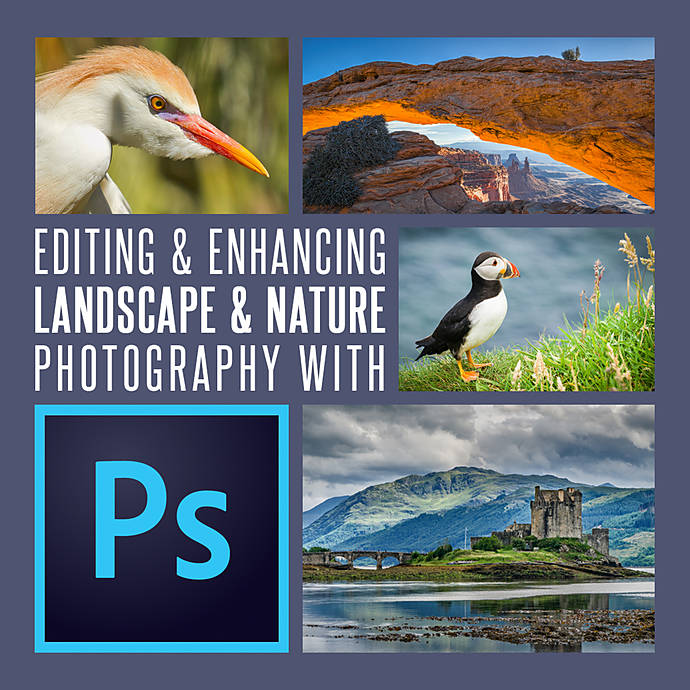
Landscape and nature categories are staples in local competitions, but they are also highly competitive. This class is a smart recommendation for photographers who already capture good files and need to improve their finishing. Judges often see the same recurring problems: muddy contrast, oversaturated greens, unnatural HDR effects, haloing around trees, and weak local adjustments. A focused editing course helps you avoid those mistakes.
This option is especially useful if you routinely enter scenic, wildlife-adjacent, outdoor, or seasonal categories and want cleaner, more professional image presentation.
Best for: Landscape, nature, scenic, and outdoor contest entries
Why it stands out: Better editing often has a bigger impact on competition results than buying more gear
Macro and Landscape Photography at Duke Farms with Michael Downey

If your local competition includes macro, floral, garden, or landscape categories, this class can help you build stronger capture skills in two contest-friendly genres. Macro photography is a favorite at local contests because it reveals details many viewers do not normally see, while landscape remains a perennial judge-pleaser when composition and light are handled well.
For competition shooters, this kind of hands-on instruction can help improve framing, depth of field decisions, subject isolation, and the patience needed to make a common subject look exceptional.
Best for: Macro, flowers, insects, gardens, landscapes, and nature categories
Why it stands out: Covers two of the most frequently entered local competition genres
UUOnline: Astrophotography 4-Part Series with Temu Nana

Astrophotography can be a powerful differentiator in local contests because it is less commonly entered than landscapes or portraits, yet it has strong visual impact when done well. This 4-part series is ideal for photographers who want to develop a specialized genre that can stand out on the judging table.
Night sky images require more than just dark conditions. Exposure balancing, focusing in low light, star rendering, and noise control all matter. A structured series can dramatically shorten the learning curve.
Best for: Night sky, astro, creative landscape, and specialty competition categories
Why it stands out: Helps you build a unique portfolio niche that can separate your work from more common entries
UUOnline: Astrophotography 4-Part Series with Temu Nana (Session 2)

For photographers already exploring astrophotography, Session 2 is a great way to keep improving rather than relying on a single lucky frame. Contest-winning work usually comes from repeatable technique, not one-off success. If you want to refine your process and increase consistency, advanced or follow-up instruction is a smart investment.
Best for: Intermediate astro shooters entering local specialty categories
Why it stands out: Supports skill progression and consistency, both of which matter in judged competition
EXPO: Stories from the Road - Photography Across Worlds w. Matthew Borowick
Many local competitions include travel, documentary, or storytelling categories, and even open categories often reward images with a strong narrative. This expo-style program is a good fit for photographers who want more than technical perfection—they want images that communicate something memorable.
Judges often respond strongly to photographs that combine composition with context, mood, and a sense of place. If your work feels technically solid but emotionally flat, developing your storytelling eye can make a real difference.
Best for: Travel, documentary, street, editorial, and open-theme competitions
Why it stands out: Encourages stronger visual storytelling, a major advantage in judged categories
Product Photography and Post Production Editing with Blake Taylor

Not every local contest is about landscapes and portraits. Commercial, still life, and creative object categories can offer great opportunities for photographers willing to control every part of the frame. Product and tabletop work teaches lighting discipline, intentional composition, and meticulous post-production—skills that transfer well to competition photography in general.
This is especially useful if you enjoy creating entries indoors, where weather and timing are less of a limitation.
Best for: Still life, commercial, conceptual, and creative object categories
Why it stands out: Helps build precision lighting and editing skills that judges notice
Nikon D850 Guide to Digital SLR Photography by David Busch
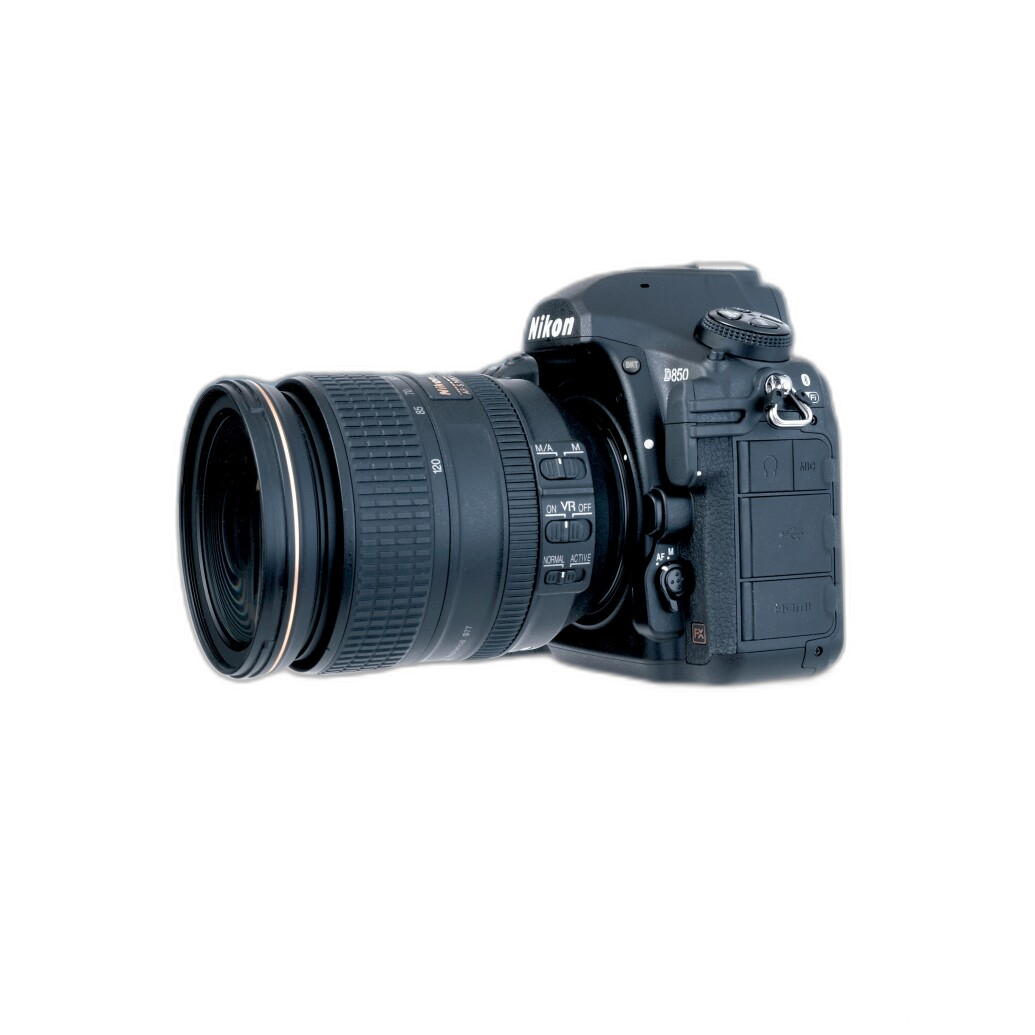
If you are shooting a Nikon D850 for competition work, mastering the camera you already own can be more valuable than shopping for upgrades. High-resolution files are excellent for prints and detailed judging, but only if focus settings, exposure technique, and file handling are fully under control.
A camera-specific guide is a practical recommendation for photographers who know they have the hardware but are not yet getting consistent results from it.
Best for: Nikon D850 users preparing images for local contests and prints
Why it stands out: Maximizes the performance of a proven competition-capable camera body
Film Lovers Event: Intro to Film Photography (Philly)
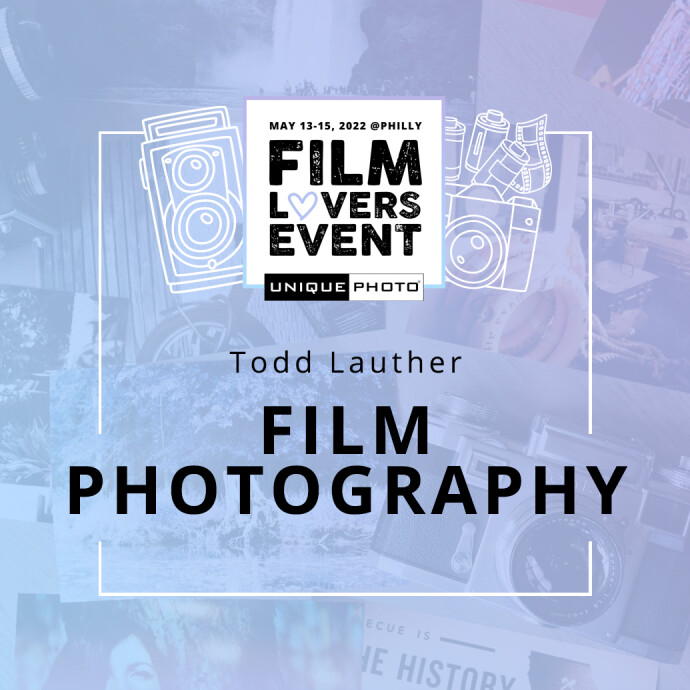
Film can be a compelling way to stand out, especially in local competitions that welcome alternative processes, analog work, or open-format entries. Film images often carry a different rhythm, tonal feel, and intentionality than digital work, which can help your portfolio feel distinct.
This event is best for photographers curious about entering a less crowded lane or adding analog work to a broader competition strategy.
Best for: Film, analog, creative, and open-format categories
Why it stands out: Offers a different visual language that can help your entries feel unique
Comparison Table
| Product | Best For | Competition Advantage | Skill Level |
|---|---|---|---|
| Editing and Enhancing Landscape and Nature Photography with Photoshop | Landscape and nature shooters | Cleaner final presentation and stronger polish | Beginner to advanced |
| Macro and Landscape Photography at Duke Farms with Michael Downey | Macro and scenic categories | Improved field technique and composition | Beginner to intermediate |
| UUOnline: Astrophotography 4-Part Series with Temu Nana | Astro and night sky work | More distinctive entries in less crowded categories | Beginner to intermediate |
| UUOnline: Astrophotography 4-Part Series with Temu Nana (Session 2) | Developing astro photographers | Greater consistency and refinement | Intermediate |
| EXPO: Stories from the Road - Photography Across Worlds | Travel and documentary shooters | Stronger narrative impact | All levels |
| Product Photography and Post Production Editing with Blake Taylor | Still life and commercial categories | Better lighting control and precision | Beginner to intermediate |
| Nikon D850 Guide to Digital SLR Photography by David Busch | D850 owners | Better use of existing camera capabilities | All levels |
| Film Lovers Event: Intro to Film Photography (Philly) | Analog and open-format entries | Distinctive visual style | Beginner |
Common Pitfalls That Hurt Competition Entries
Even strong photographers lose points to avoidable errors. Before entering your next local competition, watch for these common issues:
- Overediting: Heavy-handed sharpening, HDR halos, extreme saturation, and obvious AI-looking retouching can distract judges.
- Weak subject emphasis: If viewers cannot tell what the image is about immediately, it may not hold attention during judging.
- Poor category fit: A good image entered in the wrong category often underperforms.
- Technical misses: Slight focus errors, clipped highlights, and muddy shadows become more visible in prints and projected judging.
- Derivative ideas: Familiar scenes need exceptional execution or a fresh perspective.
- Ignoring storytelling: Especially in open categories, emotional impact can separate winners from technically competent entries.
How to Choose the Right Product for Your Competition Goals
If you already know your preferred genre, choose a learning tool that directly supports it. Landscape and nature photographers should prioritize editing and capture refinement. Astro shooters should develop technical consistency in low light. Travel and documentary photographers should focus on storytelling. Still life photographers can gain a lot from controlled lighting and post-production training.
If you are unsure where to start, ask yourself one simple question: What is currently holding my entries back most—capture, editing, storytelling, or camera mastery? Your answer should guide the purchase.
Final Recommendation
For most photographers trying to win local competitions, the best value comes from improving the quality and consistency of the images they already know how to make. That is why Editing and Enhancing Landscape and Nature Photography with Photoshop is our top overall pick: better editing translates directly into stronger presentation, which matters in nearly every judged category.
If you want to stand out in a less crowded field, the UUOnline: Astrophotography 4-Part Series with Temu Nana is an excellent genre-building option. If your biggest weakness is visual storytelling, EXPO: Stories from the Road - Photography Across Worlds is a smart choice.
Whatever your style, investing in the right education can be the difference between a nice image and a competition-ready one. To prepare for your next local contest, explore these classes, events, and guides at Unique Photo.