Buying used photography gear can be one of the smartest ways to stretch your budget, try classic tools, and build a kit with real character. It can also come with a few risks, especially when descriptions are vague, testing is limited, or you are tempted by a deal that looks too good to ignore. The good news is that experienced photographers tend to agree on a simple truth: a careful inspection process and a reputable seller make all the difference. Below are practical tips inspired by real-world buying experiences, common mistakes, and the kinds of used gear photographers often hunt for.
Why used gear is worth considering
Used equipment often delivers the best value in photography. A well-kept lens or tripod can perform beautifully for years, and older cameras can offer handling, rendering, and build quality that many photographers still love. Whether you are looking at a compact film camera, a manual-focus prime, or a specialty medium format lens, buying used can open up options that might otherwise be out of reach.
Tips for buying used photography equipment
1. Start with the seller, not just the price
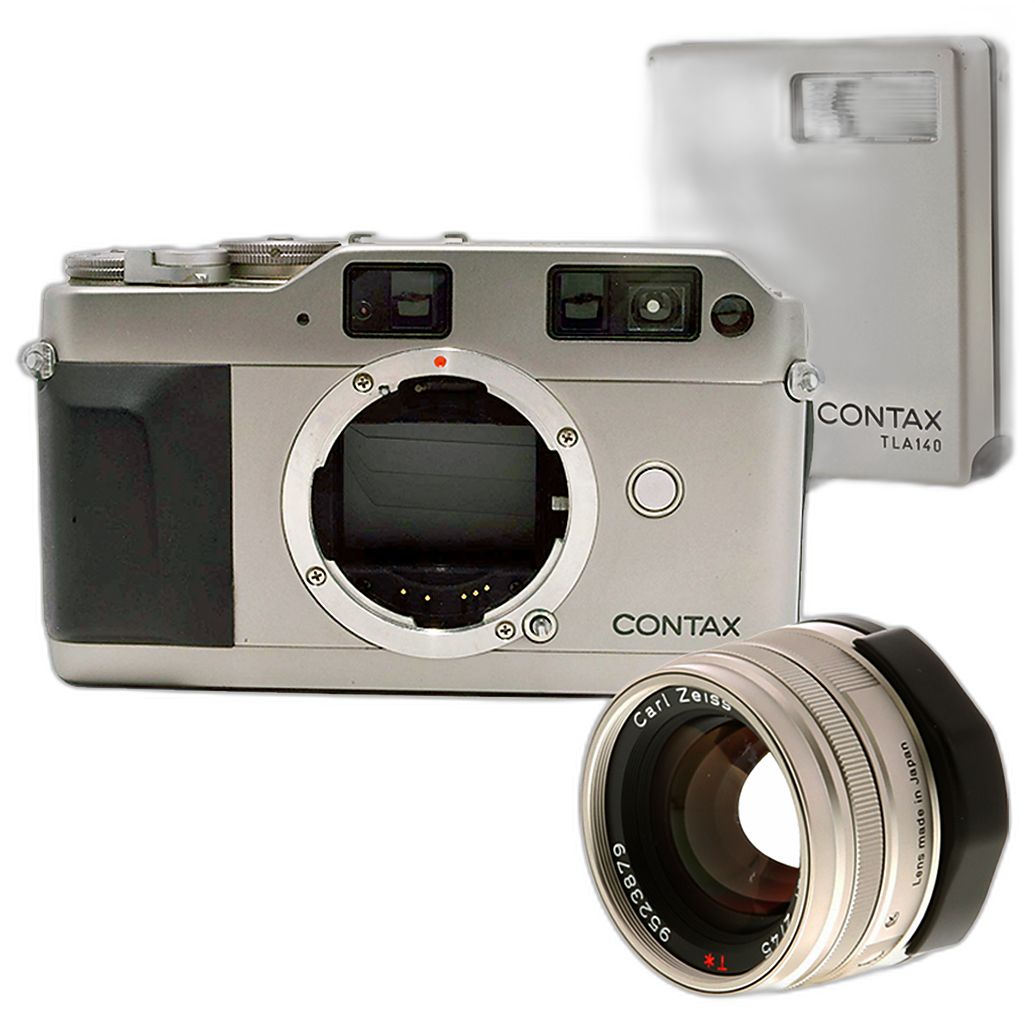
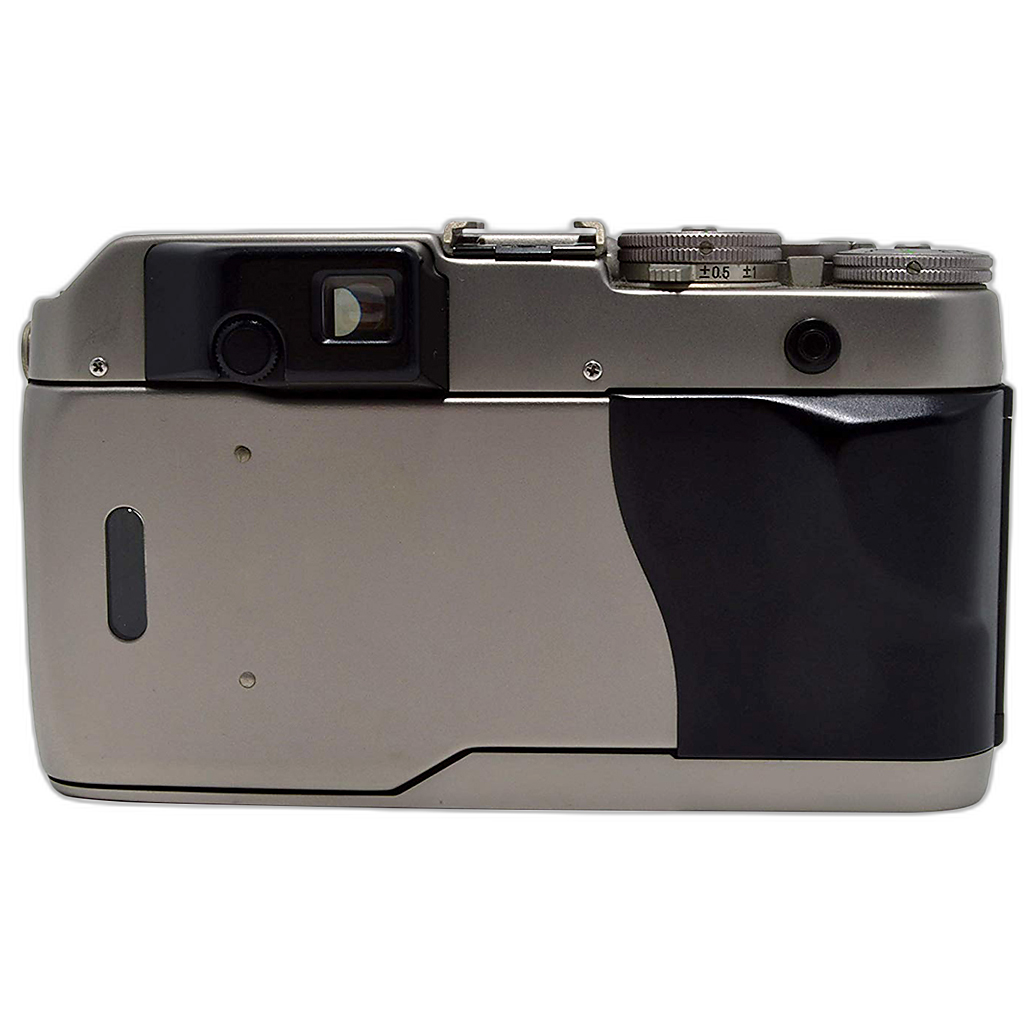
One of the biggest benefits of buying from a reputable retailer is confidence in grading, condition notes, and customer support. That matters a lot more than saving a few extra dollars from an unknown listing. When shoppers share success stories, they usually mention clear photos, honest condition descriptions, and a seller who understands camera gear. That is especially important with items like a Used Contax G1 w/ 45mm f/2 and TLA140 Flash - Good, where autofocus, film transport, battery contacts, and flash communication all deserve careful evaluation.
Ask yourself:
- Does the seller clearly explain cosmetic and mechanical condition?
- Are there return policies or inspection periods?
- Do the product photos show the actual item, not just stock imagery?
- Is the grading consistent across listings?
2. Inspect lenses methodically
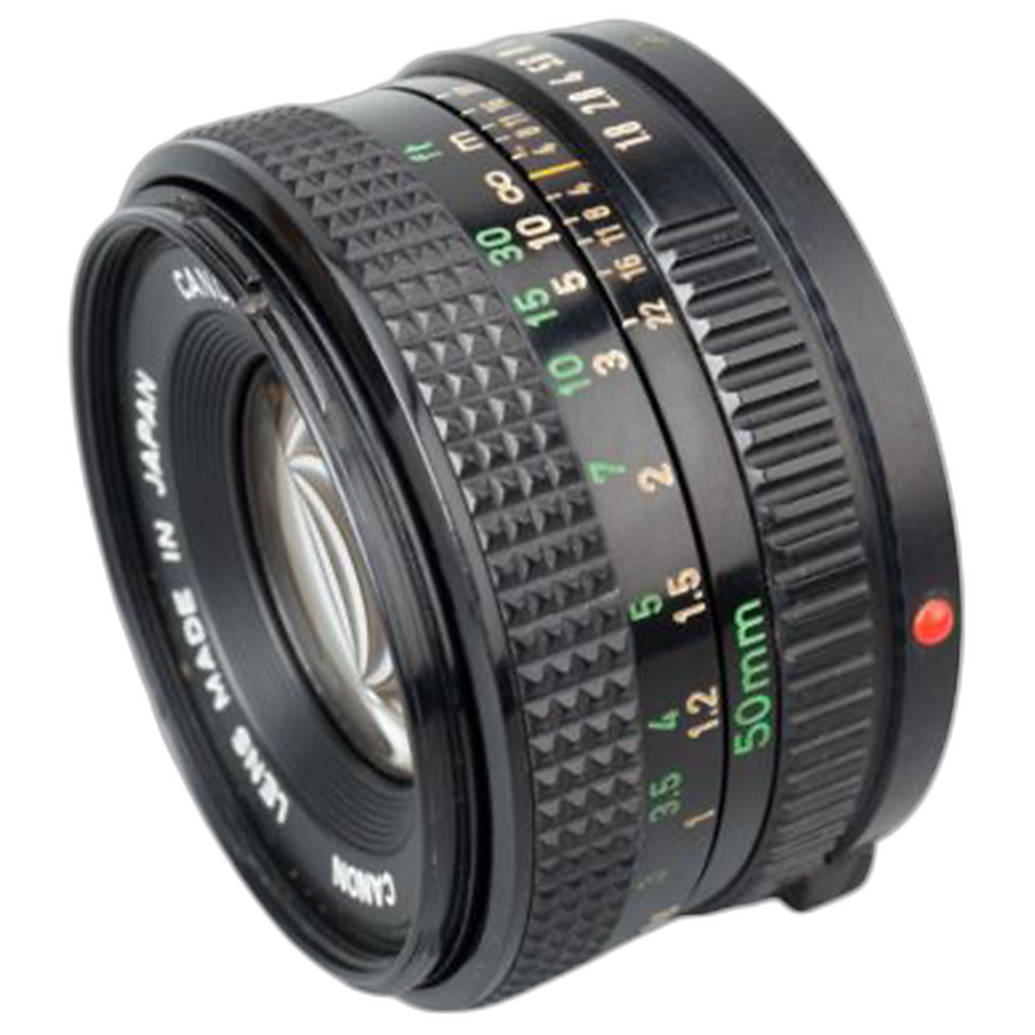
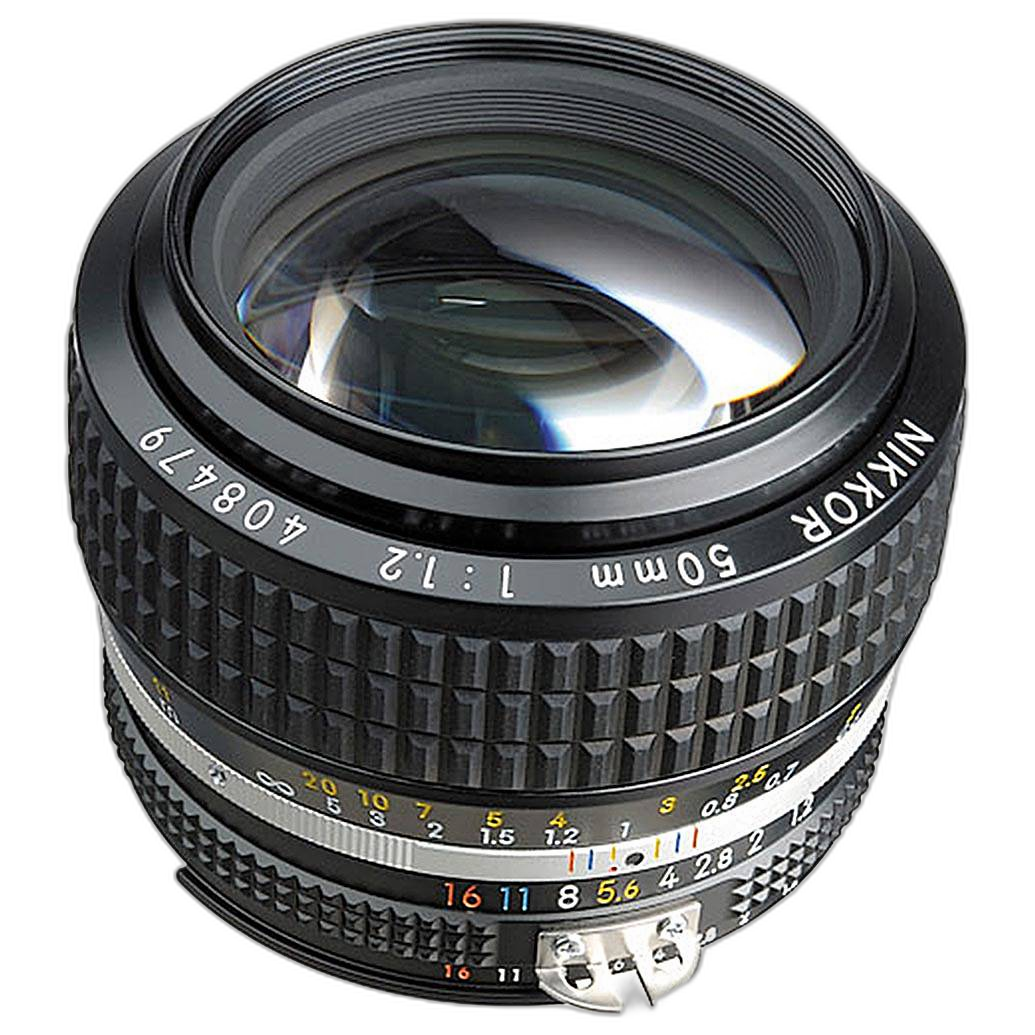
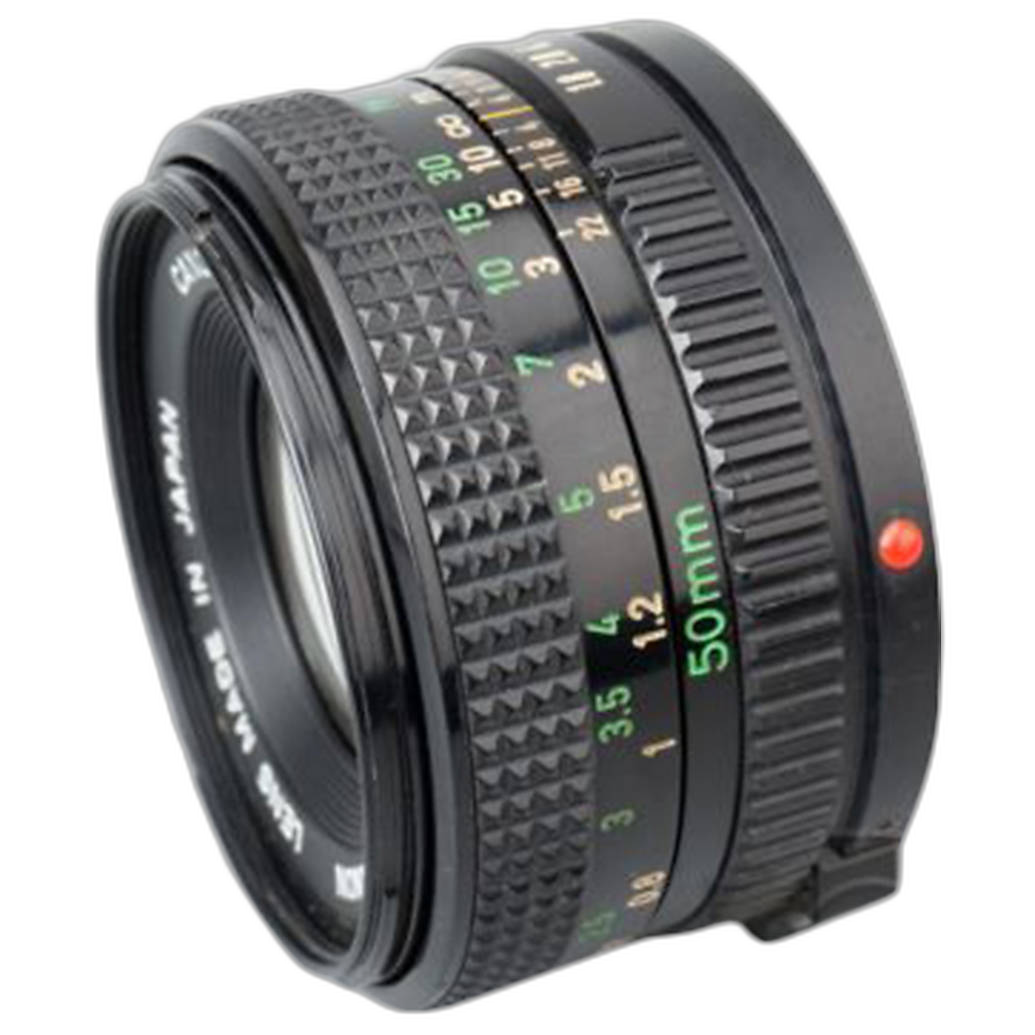
Used lens buyers often do well because they follow a checklist instead of relying on a quick glance. A lens may look clean externally but still have haze, fungus, oil on the aperture blades, or focus issues. When considering a classic option like the Used Canon FD 50mm f/1.8 Lens - Good or the Used Nikon 50mm f/1.2 Ai - Good, inspect the fundamentals carefully.
- Check front and rear elements for scratches, cleaning marks, haze, and fungus.
- Open and close the aperture to confirm the blades are snappy and free of oil.
- Turn the focus ring through its full range and feel for rough spots or stiffness.
- Inspect the mount for wear or damage.
- Ask whether the lens has been film- or sensor-tested recently.
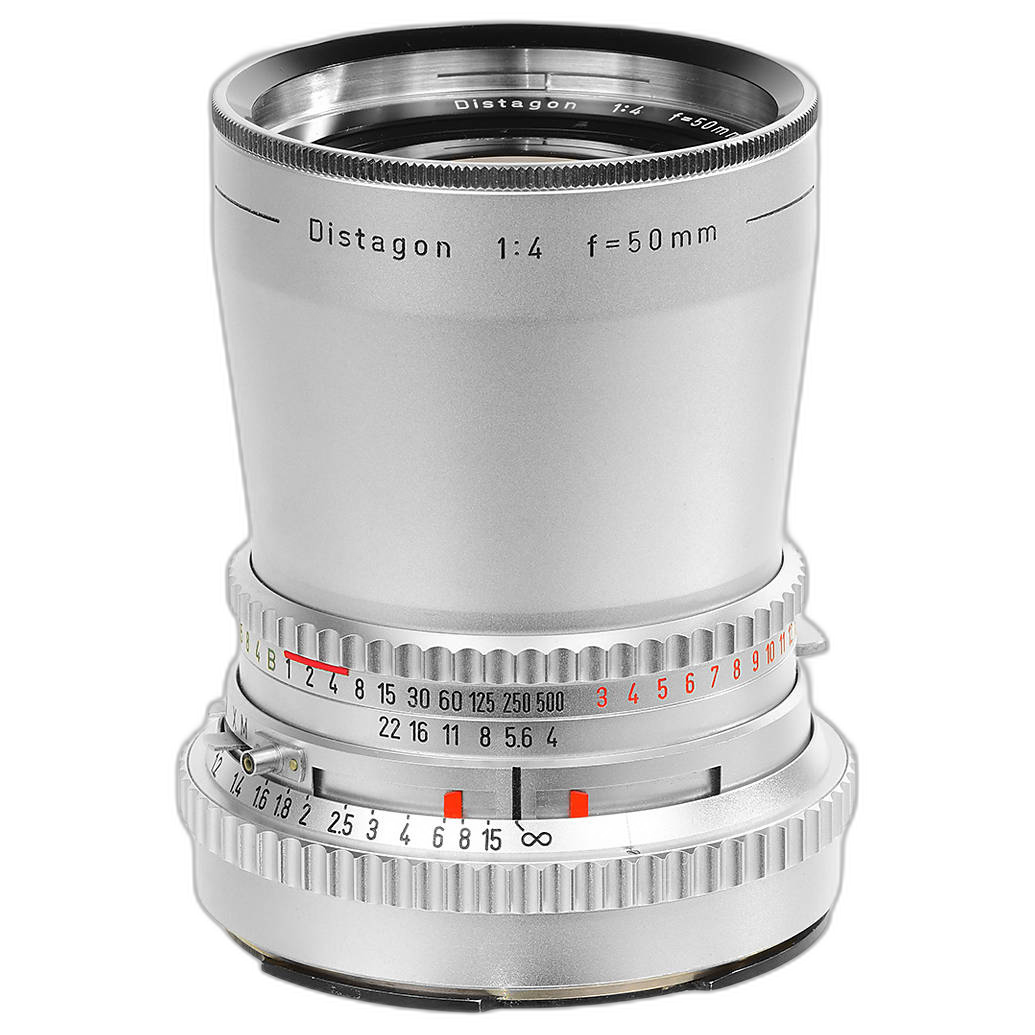
For higher-end optics, that same discipline matters even more. A lens such as the Used Hasselblad 50MM F/4 CF T* - Excellent may be a fantastic long-term investment, but medium format buyers should still confirm shutter accuracy, glass condition, and smooth mechanical operation before committing.
3. Read condition terms carefully, especially “as is”
Many photographers have a story about a bargain that turned into a repair project. Sometimes that is part of the fun. Sometimes it becomes a money pit. Listings marked as is should be approached with clear expectations. A camera like the Used Ermanox Ernemann Camera With 100MM F/2 - As Is *Needs Shutter Replacement may appeal to collectors, tinkerers, or photographers who specifically want a restoration candidate. It is not the same as buying a ready-to-shoot body.
Before buying an “as is” item, ask:
- Is the problem isolated, or could it indicate wider issues?
- Are parts and service available?
- Would the repair cost exceed the value of a working example?
- Am I buying this to use, collect, or restore?
That simple pause can prevent one of the most common used-gear mistakes: confusing a project with a bargain.
4. Test camera bodies beyond shutter release
A camera body can power on and still have hidden issues. Film cameras and compact point-and-shoot models deserve extra care because repairs can be less predictable. If you are considering something like the Used Konica Big Mini Zoom TR BM-610Z, check zoom action, battery compartment condition, flash operation, viewfinder clarity, and whether the transport functions behave normally.
For interchangeable-lens film cameras, build a quick checklist:
- Meter operation
- Shutter consistency across speeds
- Frame spacing and film advance
- Light seal condition
- Battery compartment corrosion
- Viewfinder brightness and cleanliness
- Flash sync and hot shoe performance
The more electronic the camera, the more valuable it is to buy from a seller that knows how to evaluate those systems properly.
5. Don’t ignore support gear
Used support gear can be one of the safest and smartest categories to shop. Tripods, heads, and accessories often age well if they were treated properly. A quality support option like the Used Excellent Peak Design Pro Tall Tripod Black Carbon Fiber Legs can offer premium performance at a more approachable price than buying new.

- Extend every leg section and lock it firmly.
- Check for cracks, dents, or deep gouges in carbon fiber or metal parts.
- Inspect hinges, collars, and feet for wear.
- Confirm the head locks securely and moves smoothly.
- Look for missing plates, tools, or accessories.
Many photographers report their best used purchases are sturdy accessories rather than camera bodies, because there are fewer hidden electronic surprises.
6. Match the deal to your actual shooting needs
One mistake buyers often admit is purchasing a famous item because it is collectible, not because it fits their workflow. A lens can be legendary and still be the wrong choice for your camera, subjects, or budget. For example, the Used Nikon Nikkor-W 135MM F/5.6 - Excellent may be a compelling option for photographers working in large format or specialty setups, but it would not make sense as an impulse buy unless it serves a real purpose in your kit.
Ask yourself:
- Do I already have the mount or system for this gear?
- Will I actually use the focal length and format?
- Am I comfortable with manual operation or adaptation?
- Is this purchase solving a problem or just creating another shelf item?
7. Look for signs of a careful previous owner
One of the quiet benefits of buying used is that gear often tells a story. Clean battery compartments, intact caps, smooth controls, and thoughtfully stored accessories can all point to an owner who took care of their equipment. This is often true with classic primes such as the Used Nikon 50mm f/1.2 Ai - Good, where even a cosmetically used copy may still perform wonderfully if it was handled with respect.
Good signs include:
- Original caps or protective filters included
- No corrosion in battery areas
- Even wear rather than impact damage
- Smooth, consistent ring movement
- Honest wear that matches the condition grade
8. Budget for maintenance, not just the purchase price
Even a successful used purchase may need a little follow-up care. Light seals, lubrication, calibration, or a routine cleaning can still leave you ahead financially compared to buying new. This is especially true when buying vintage film equipment or precision lenses. If you are eyeing a classic setup like the Used Contax G1 w/ 45mm f/2 and TLA140 Flash - Good, it is wise to leave room in your budget for batteries, film testing, and any preventative maintenance that keeps the camera reliable.
9. Ask for a real inspection checklist when possible
The best used-gear experiences usually come from transparency. If a seller can confirm what was actually checked, you have a much stronger basis for deciding. For lenses, that might mean glass, aperture, and focus. For a tripod, locks and extensions. For a film camera, shutter, meter, transport, and seals. Detailed inspection notes are often what separate a trustworthy used listing from a gamble.
For example, if you are comparing a budget-friendly standard prime such as the Used Canon FD 50mm f/1.8 Lens - Good with a more premium or specialized optic, the inspection details may matter more than the brand name alone.
10. Learn from other photographers’ mistakes
When photographers talk about bad used purchases, the same themes come up again and again: rushing, skipping compatibility checks, underestimating repair costs, and buying from sellers with poor documentation. On the other hand, the success stories usually involve patience, realistic expectations, and buying from a known source.
A carefully graded used item can be an excellent way to step into systems or formats you have always wanted to try, whether that means a compact film camera, a fast manual lens, or a premium support tool. The key is not to chase the cheapest option. It is to find the most trustworthy one.
Final thoughts
Used photography equipment can be an incredible value when you shop thoughtfully. Inspect methodically, buy for your real needs, and favor sellers who clearly communicate condition and testing. From a classic lens like the Used Hasselblad 50MM F/4 CF T* to a practical everyday tool like the Used Peak Design Pro Tall Tripod, the right used purchase can serve you for years. If you are ready to explore pre-owned gear with more confidence, Unique Photo is a great place to start looking for carefully listed equipment and your next favorite find.