Win Photo Club & Online Competitions: Pro Tips from Unique Photo
Entering photo contests is a fantastic way to sharpen your craft and get your work seen. As New Jersey’s home for photo education, printing, and gear, we’ve judged and coached countless entries. This FAQ distills what actually helps images stand out—on the club wall and on the web.
What do judges really look for in winning photos?
Most competitions score on a combination of impact and craft. While every club or online contest differs, the consistent standouts share these traits:
- Immediate visual impact: A clear subject, strong moment, or striking light draws attention fast.
- Technical excellence: Clean exposure, confident use of contrast and color, and critically sharp focus where it matters.
- Composition with intent: Purposeful framing, balance, and edges free of distractions or mergers.
- Originality and story: A fresh perspective or compelling narrative beyond a pretty picture.
- Presentation quality: For prints, paper choice, tonality, and physical condition can push a good image into the winner’s circle.
Before you submit, ask: What is the subject? Why should a judge care? And does every pixel support that idea?
How do I build a reliable selection and editing process?
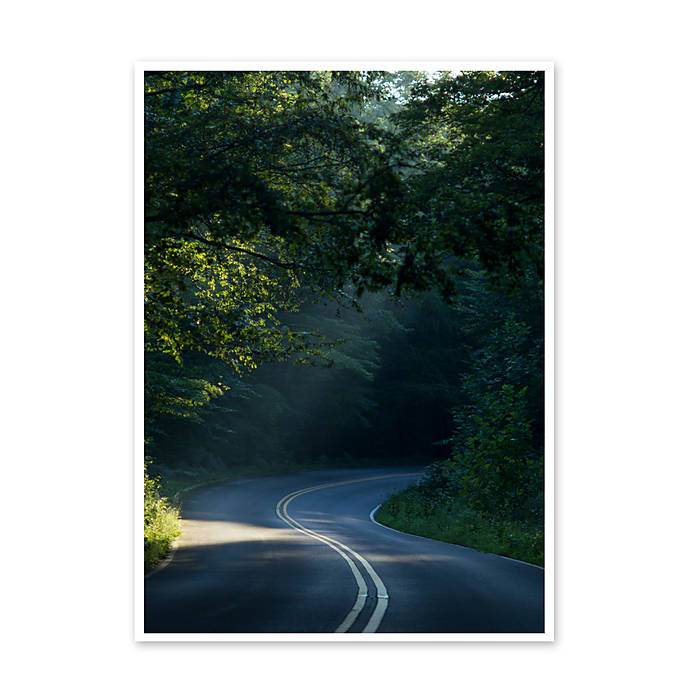
Create a repeatable pipeline to move from a large take to a few exceptional entries. We recommend a three-pass cull (impact, technical, emotional resonance), followed by a focused edit on 2–4 finalists. Print small test proofs to evaluate tonal transitions, color casts, and retouching that’s easy to miss on backlit screens. Our lab’s affordable 4x6 proofs are ideal for quick iteration and annotation before committing to a large print.
How do I prepare prints that win at club competitions?
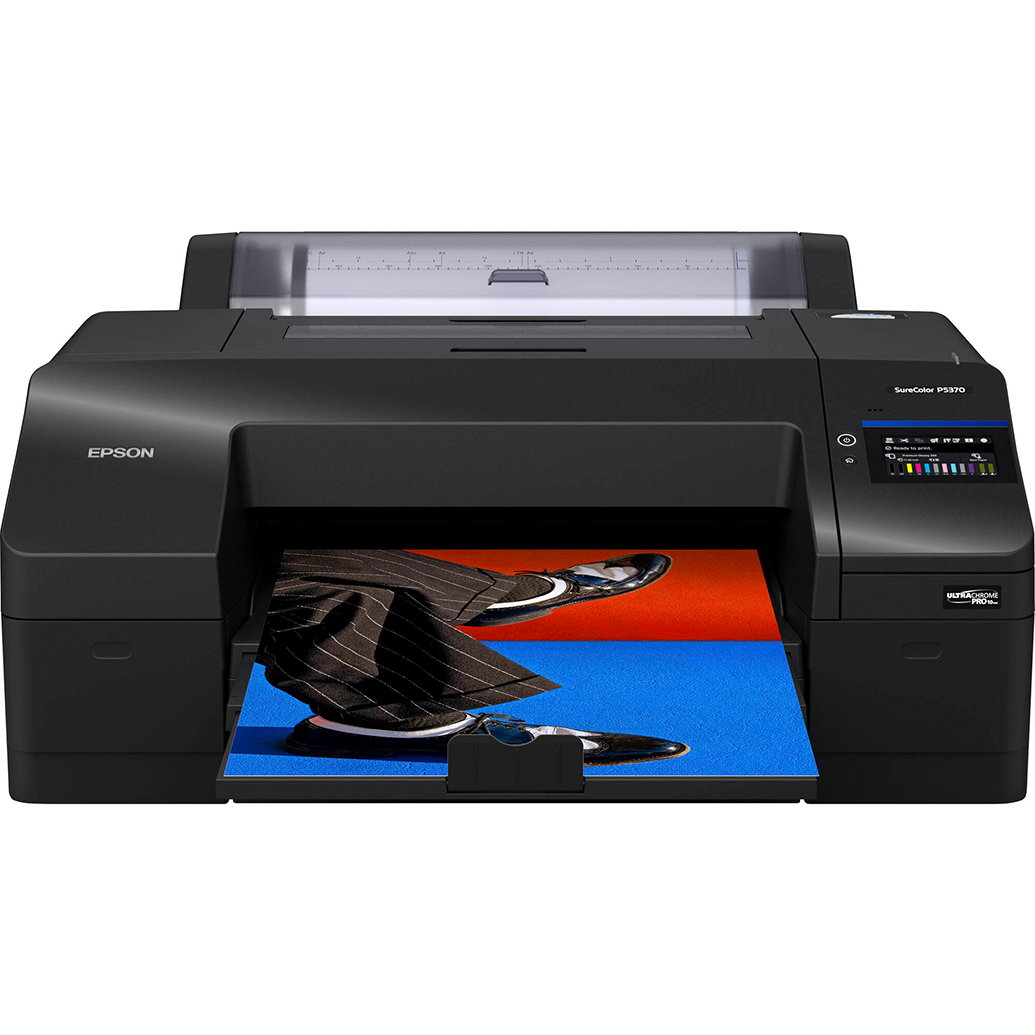
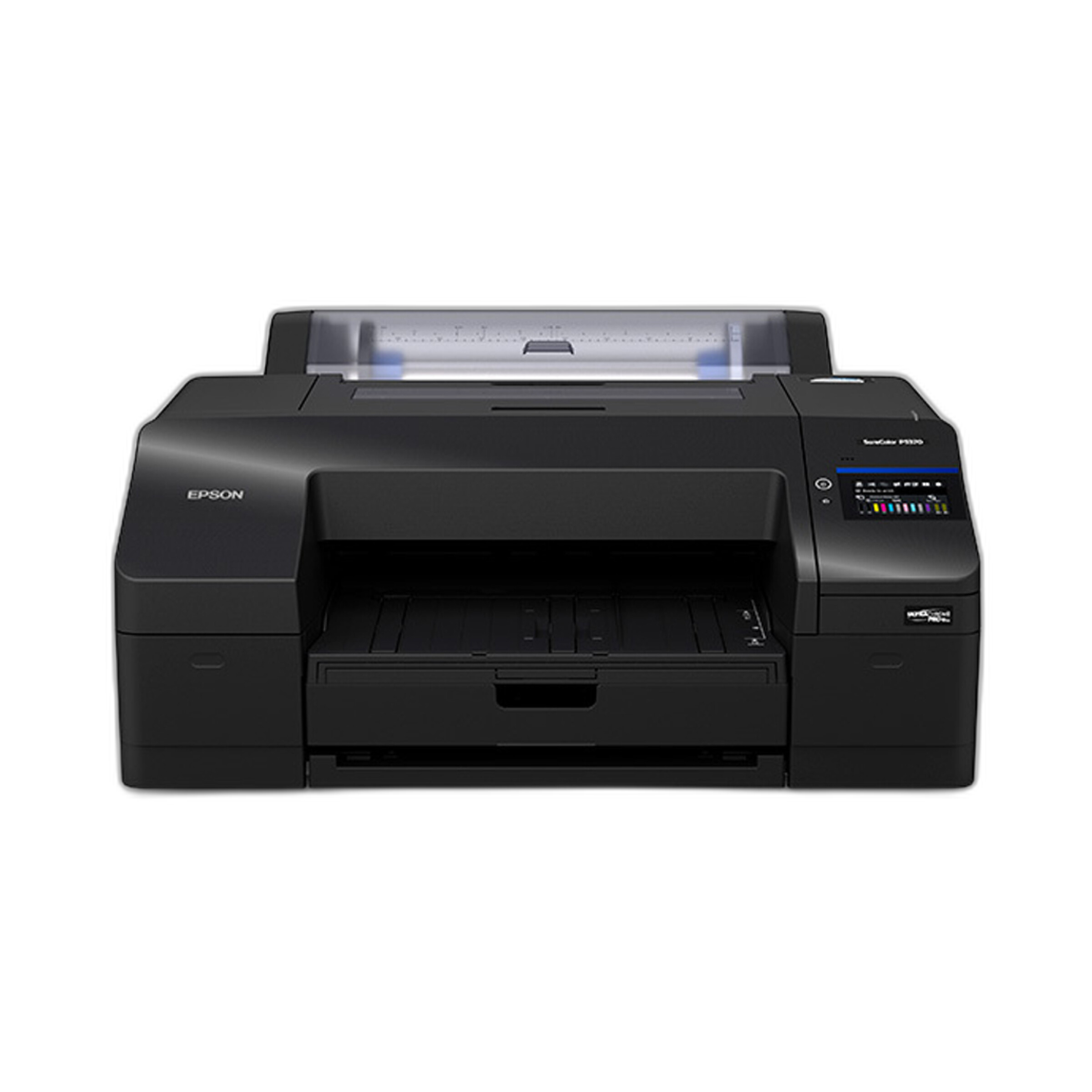
Print competitions reward control. Calibrate your monitor, soft-proof for your chosen paper, and print with consistent settings. A capable desktop printer gives you repeatability and fine control over blacks, neutrals, and saturation. The Epson SureColor P5370 is a standout 17-inch professional printer for competition-quality output—smooth gradations, excellent monochrome, and pigment longevity for handling under judging lights.
Mind the finish: gloss and metallic papers amplify contrast and sheen for vivid subjects; matte and semimatte can suit softer, contemplative work. Add a subtle border for handling, and be meticulous about surface cleanliness.
Which paper should I choose for maximum impact?
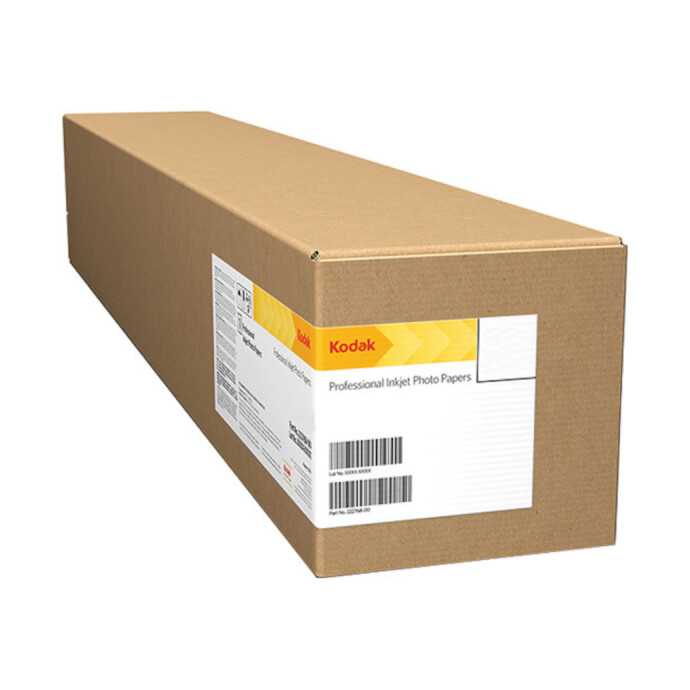
Match paper to subject and mood. For high-contrast scenes, night cityscapes, chrome, or vivid macros, metallic paper can add depth and a luminous pop that reads brilliantly under judge lamps. If you print at home and want a show-stopping surface, Kodak Professional Metallic rolls are a proven option—dramatic Dmax, crisp highlights, and a slick finish that turns heads.
For portraits and subdued landscapes, a luster or baryta-style paper may be kinder to skin tones and texture. If you’re using our lab, ask for paper recommendations based on your image’s intended look.
How should I present and store prints for club nights?
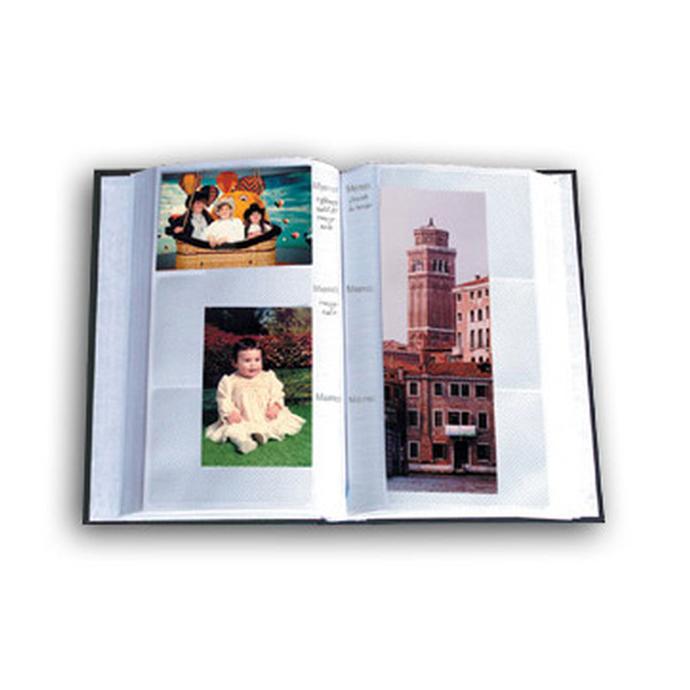
Beyond mounts and mats specified by your club, bring backups and keep prints pristine. A compact album lets you transport proofs and alternates, track judge feedback, and plan future submissions. The Pioneer 4x6 Bi-Directional Memo Photo Album holds 200 prints and includes memo lines for notes—perfect for prototyping sequencing and recording critique takeaways.
As your test print stack grows, add Pioneer refill pages to keep your system organized and ready for the next competition cycle.
How do I craft titles and descriptions that help (not hurt)?
Judges rarely award points for titles, but a concise, evocative title can prime viewers to read your intent. Avoid literal file names or overly explanatory captions. Choose a title that supports the mood or story without telling viewers how to feel. For online contests, keep descriptions brief, avoid technical jargon, and let the picture lead.
What file settings work best for online submissions?
Follow the host’s specs precisely. In general:
- Color space: sRGB unless otherwise stated.
- Dimensions: Export to the requested long-edge size (e.g., 2048–4000 px).
- Sharpening: Output sharpen for screen modestly; avoid crispy halos.
- Compression: JPEG quality 80–90 to balance detail and file size.
- Watermarks: Skip them—most contests discourage marks that distract from judging.
Always check that EXIF or identifying metadata is allowed if the contest is blind-judged.
How can I find unique subjects that stand out?
Originality isn’t just about going farther—it’s about seeing differently. Field workshops and specialty shoots push you into fresh light and technique. Our Macro and Landscape Photography at Duke Farms with Michael Downey is designed to sharpen composition and close-up skills in a subject-rich environment.
Looking for something truly unexpected? Photograph fluorescent zinc ore at the Sterling Hill Mine—UV illumination transforms minerals into surreal, neon landscapes that judges haven’t seen a thousand times.

What common mistakes cost otherwise good images points?
A few frequent pitfalls:
- Overprocessing: Crunchy sharpening, clipped blacks, or oversaturated colors.
- Messy edges: Bright pulls near borders and unnoticed distractions.
- Rule slips: Wrong size, missing mat, or mislabeled file disqualifies fast.
- Last-minute entries: Rushed edits and untested prints undermine great captures.
- Weak series cohesion: For multi-image sets, inconsistent color and style dilute impact.
Slow down, proof thoughtfully, and let trusted peers critique before submitting.
Ready to level up? From competition-ready prints and papers to workshops and critiques, Unique Photo has you covered. Visit our lab for proofs, explore pro printers and media, and join our classes and excursions to build your next winning image.