Photo Contest Secrets: Themes, Editing, and Presentation FAQs
Submitting to a photo contest is more than uploading your favorite shot—it’s about telling a clear story with impeccable presentation. From theme selection to editing restraint and sequencing, our Unique Photo experts break down what judges actually respond to and how to make your entry stand out.
What themes tend to resonate with contest judges?
Judges are drawn to themes that feel both universal and personal. Think transformation, resilience, community, identity, or the relationship between people and place. The keys are specificity and intent: pick a theme you can interpret with authority, and avoid clichés unless you can subvert them with a fresh perspective. Give yourself a tight brief—one location, one time of day, one recurring motif—and repeat those choices to build cohesion.
If a contest publishes past winners, reverse-engineer what they value: documentary authenticity, conceptual storytelling, formal design, or technical mastery. Then plan accordingly—without imitating. Originality wins.
How do I build a cohesive series or submission?
Sequencing matters as much as single-image strength. Establish a visual rhythm: opener (context), body (varied perspectives), closer (resolution or a powerful quiet). Keep color palettes, aspect ratios, and contrast levels consistent across the set. Avoid near-duplicates and choose one definitive image per micro-idea.
Lighting consistency is often the glue of a series. If you’re refining your light language, consider live instruction that demonstrates repeatable setups like feathered soft light and edge accents. Our UUOnline: Share the Light Live Demo with Bob Davis and Westcott focuses on building controllable, repeatable studio and location lighting.

What presentation formats help an entry stand out—without gimmicks?
Keep it clean, consistent, and competition-compliant. For digital entries, export high-quality sRGB JPEGs at the contest’s required longest edge; avoid heavy watermarks and ornate borders. For print competitions, choose a paper that supports your intent: matte for subtle tones and texture, luster for punch and detail. Maintain consistent borders and mounting across the set, and label discreetly according to the rules.
Before submission, soft-proof for your chosen paper or the contest’s projection environment, and verify that your files meet all size, naming, and resolution specifications.
How far should I push editing?
Judges typically favor deliberate but restrained processing. Aim for clean tonal separation, protected highlights, and solid black points without crushing detail. Use local adjustments to direct attention, keep skin tones believable, and beware of oversaturation and halos from aggressive sharpening or clarity. If you composite or use AI-assisted tools, check the rules and disclose as required.
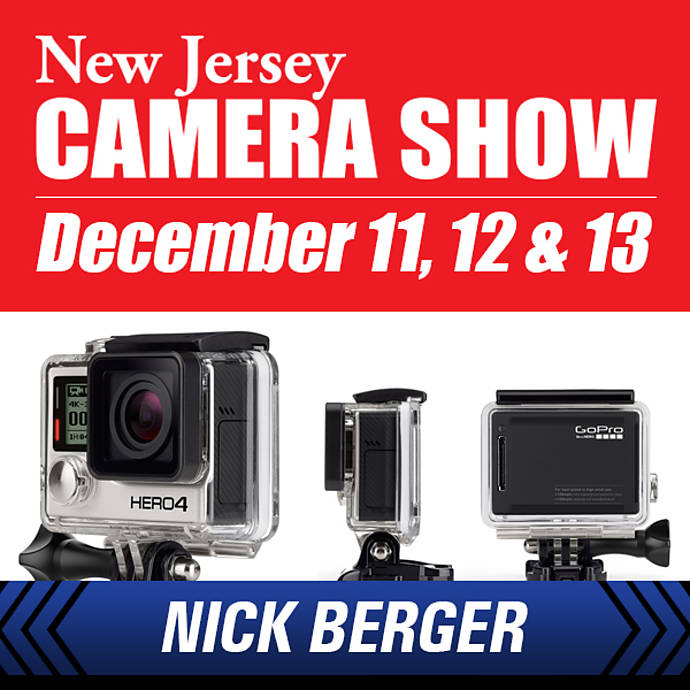
To sharpen your workflow and finishing discipline, dig into a practical editing session. Our NJCS: Edit and Share Your GoPro Content with Nick Berger covers efficient culling, timeline building, and exporting—skills that translate directly to stills and multimedia contest entries.
What gear choices subtly impress judges?
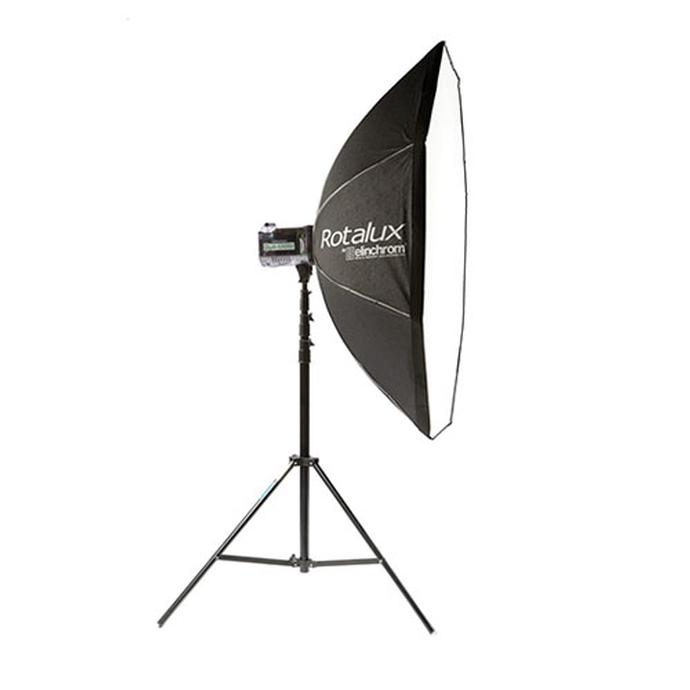
Gear won’t win a contest—vision will—but controlled light and intentional lens character can elevate your look. For portraits and narrative work, a broad, soft source yields dimensional skin tones and gentle transitions. The Elinchrom 53 Inch Rotalux Junior Octa Softbox adds wraparound light with refined falloff that reads beautifully in prints and digital projections.
Selective use of character glass can make your rendering memorable. Consider exploring used lenses for unique signatures:
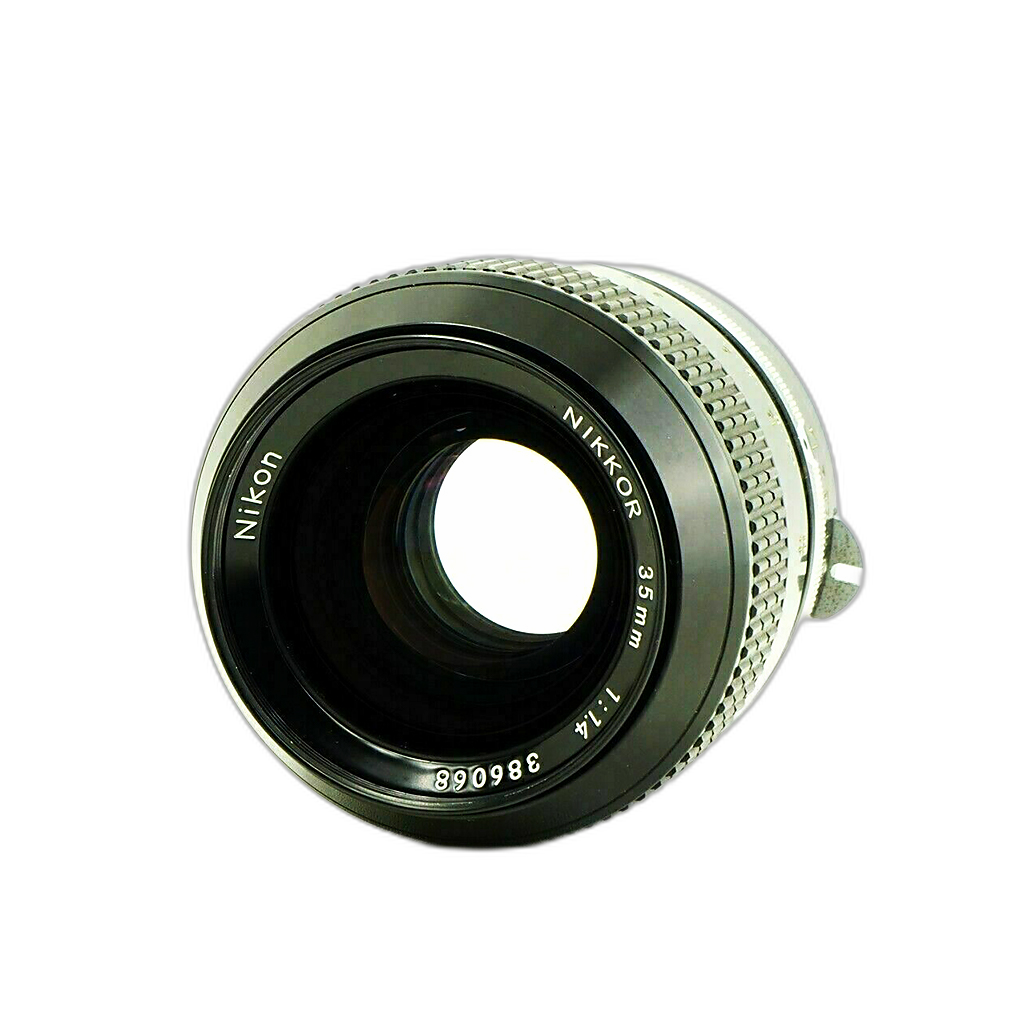
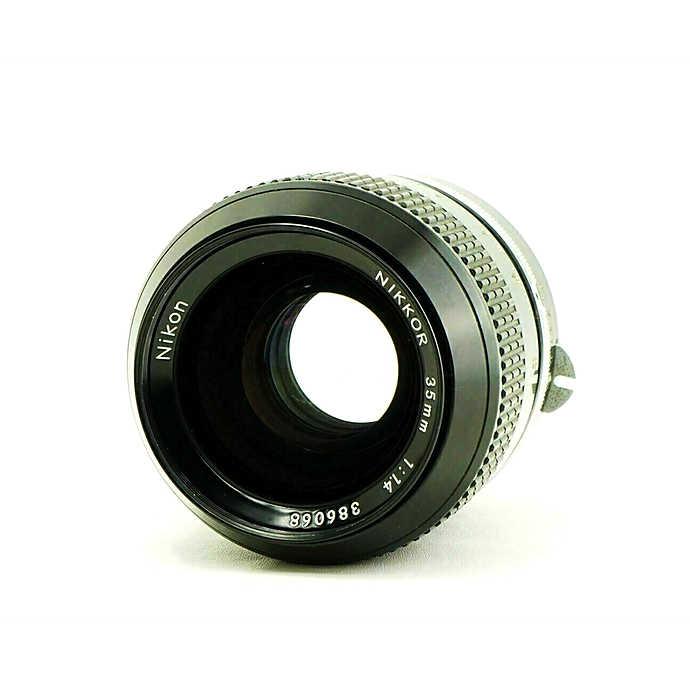
- Used Nikon 35mm f/1.4 Non-AI (As Is): This classic manual lens offers a vintage look; the listing notes yellowed internal elements and “as-is” condition—test to see if its warm bias or flare suits your aesthetic.
- Used Contax 80mm f/2 645 (As Is): Known for medium-format character and depth rendition; the listing notes a loose internal part but operational status—evaluate carefully and embrace its rendering if it complements your theme.
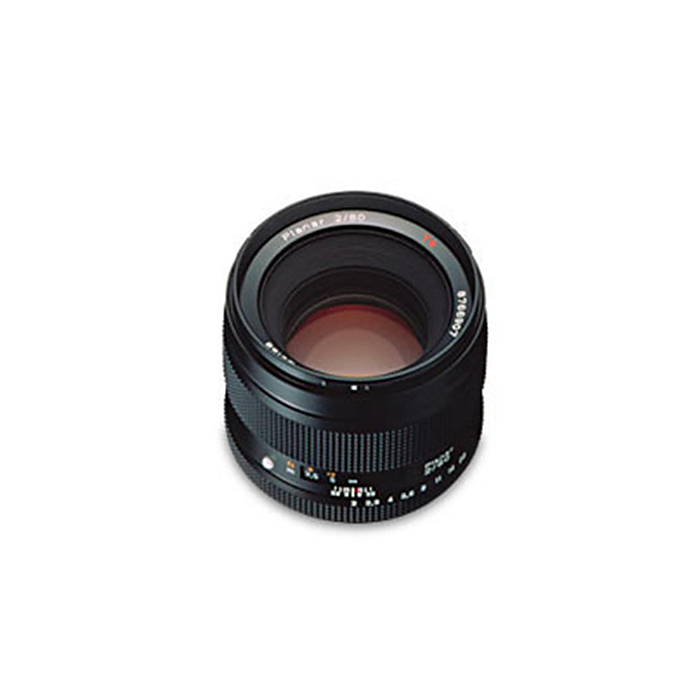
Always confirm compatibility and condition, and test before critical shoots.
How can I make portraits pop in boudoir or editorial categories—tastefully?
Lead with narrative and respect. Choose a concept, refine wardrobe and set, and craft soft, directional light that flatters while preserving shape. Feather your main source, control spill, and keep backgrounds simple. Posing should express personality, not cliché.
For hands-on insight into tasteful, story-driven boudoir workflow, our EXPO: Naked with Natalie - Inside a Boudoir Session offers guidance on lighting, posing, and client comfort—skills you can translate directly to contest-ready sets. Pair that instruction with a large softbox for elegant, forgiving light.

What common mistakes get strong images passed over?
- Off-brief storytelling: Great photo, wrong category or weak alignment to the theme.
- Over-processing: Halos, plastic skin, clipped channels, or gaudy saturation.
- Inconsistent series: Mixed color casts, divergent aspect ratios, or repetitive frames.
- Technical misses: Soft focus on the hero image, blown highlights, or crushed shadows.
- Distractions: Dust spots, crooked horizons, messy edges, or busy type treatments.
- Rule issues: Incorrect file sizes, missing captions, or unlabeled prints.
Build a preflight checklist to catch these before you submit.
How do I write captions and titles that help (not hurt) my entry?
Keep titles concise and evocative; avoid editorializing. Captions should add context the image can’t show: who, what, where, when, and why it matters—especially for documentary categories. If you used composites or advanced retouching, disclose when the rules require transparency. For series, craft a one-paragraph statement that links the images with intent and method.
Is there a final-week submission checklist I can follow?
- Theme alignment: Re-read the brief; tighten your selection to the core idea.
- Color: Convert to sRGB (unless specified), check skin tones and neutrals.
- Detail: Inspect at 100% for dust, banding, halos, and noise.
- Consistency: Match white balance, contrast, aspect ratio, and borders across the set.
- Export: Correct pixel dimensions, file naming, and metadata as per rules.
- Prints: Soft-proof, test one print, verify borders and mounts.
- Backup: Keep your originals and submission files organized.
- Second look: Get feedback from a peer or instructor; small tweaks can pay off.
Need structured guidance? Join a lighting demo like our UUOnline: Share the Light Live Demo with Bob Davis and Westcott to finalize a repeatable look before the deadline.
Ready to elevate your next submission? Visit Unique Photo for expert advice, hands-on classes through Unique University, and the gear that helps your vision shine—from softboxes to characterful used lenses.