Online photo competitions move fast, and so do judge preferences. Consider this a lively thread of field‑tested strategies: what’s winning now, how to pick categories that play to your strengths, and a few practical gear tweaks that quietly raise your hit rate. Let’s turn great images into award‑ready submissions.
Trends judges are rewarding now
-
Lead with story and context
Across documentary, street, and portrait categories, judges are leaning toward environmental storytelling—frames that say who, where, and why in one glance. Favor moments over polish, gestures over gimmicks, and let supporting details in the scene do the heavy lifting.
-
Minimalism and bold shape
Clean geometry, negative space, and color blocking continue to pop on the judging screen. If your landscape feels crowded, isolate a graphic element and build a minimalist composition. Many contests now have dedicated “Minimalist,” “Color,” or “Abstract” sub‑categories—use them.
-
Authenticity over heavy retouching
Expect stricter disclosure rules on compositing and AI. Keep edits ethical and traceable, and be ready to provide RAWs. Natural color, accurate skin, and believable tonal range are trending stronger than hyper‑processed looks.
-
Mobile‑first formats
Vertical compositions and mobile‑only categories are growing. If you’re shooting phone work, treat it with the same rigor as your main kit—solid lighting, clean horizons, and intentional framing win, regardless of device.
Choose categories strategically
-
Audit past winners and entry volume
Scan the last 2–3 years of winners to map “hot” looks and over‑subscribed categories. Often, niche buckets—macro, still life, architecture details—draw fewer entries and give standout images more oxygen than broad “Open” or “Landscape” bins.
-
Match strengths to definitions
Read category descriptions word‑for‑word and align your edge. For environmental portraits or low‑light narratives, a fast wide lens like the Used Canon 24mm f/1.4L II EF can blend subject and setting beautifully while keeping ISO down for cleaner files.
-
Submit the right version of the right image
One frame can fit multiple categories with small crops or color treatments. Enter the minimalist crop to “Abstract/Minimal,” and the wider storytelling version to “Travel/People.” Avoid duplicate submissions of the exact same file in adjacent categories.
-
When a series is stronger than a single
If a competition accepts series, consider a tight 3–5 image set with a consistent palette and perspective. Cohesion often scores higher than variety. Think “one visual voice” across the set.
Capture and prep like a pro
-
Lock your horizon in seconds
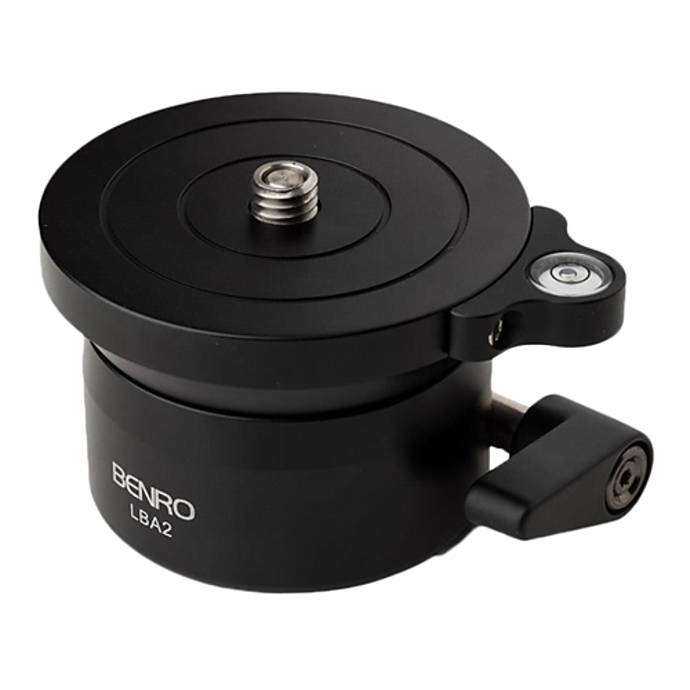
Level images read cleaner and more intentional. A compact leveling base lets you square up the camera quickly—especially helpful for architecture and still life. The Benro LBA2 Leveling Base (dual camera thread) adds fast, precise leveling between tripod and head, saving time in the field and pixels in post.
-
Build a rock‑solid tabletop or product rig
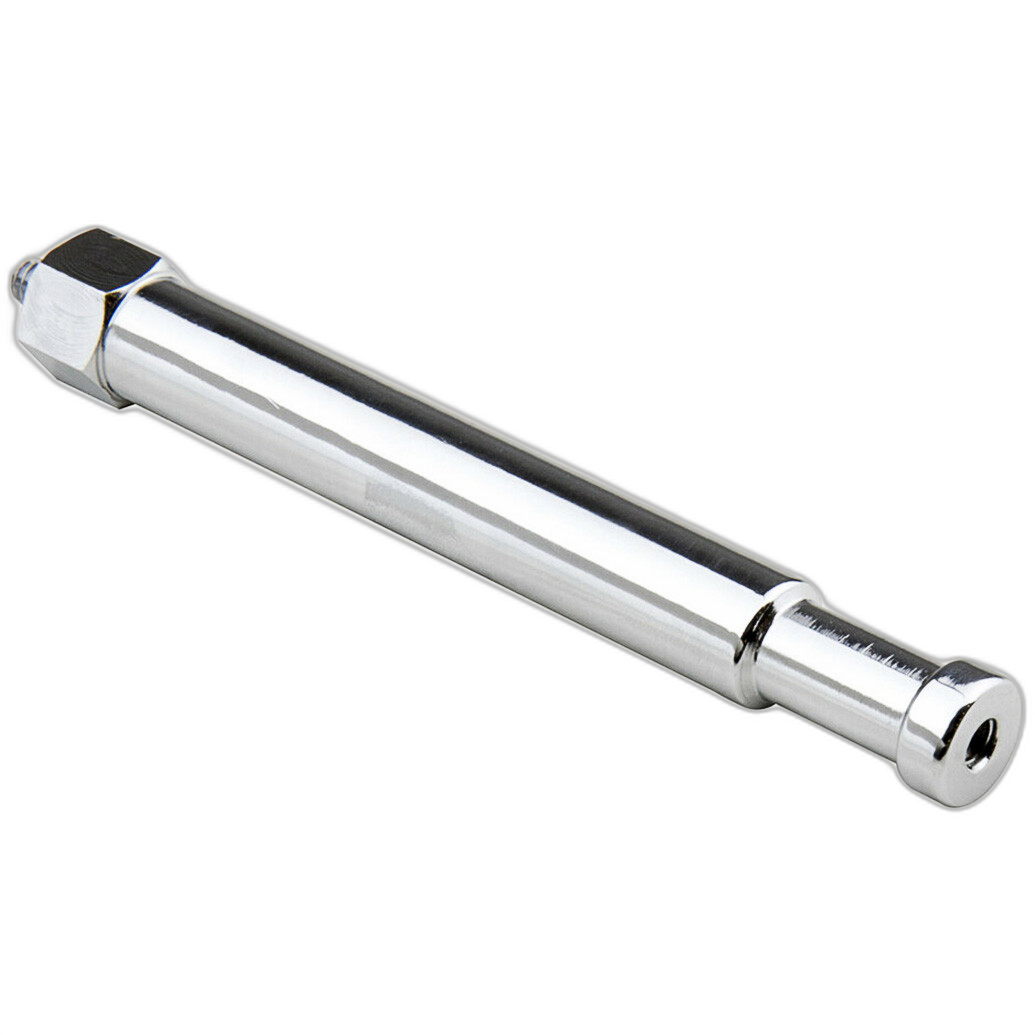
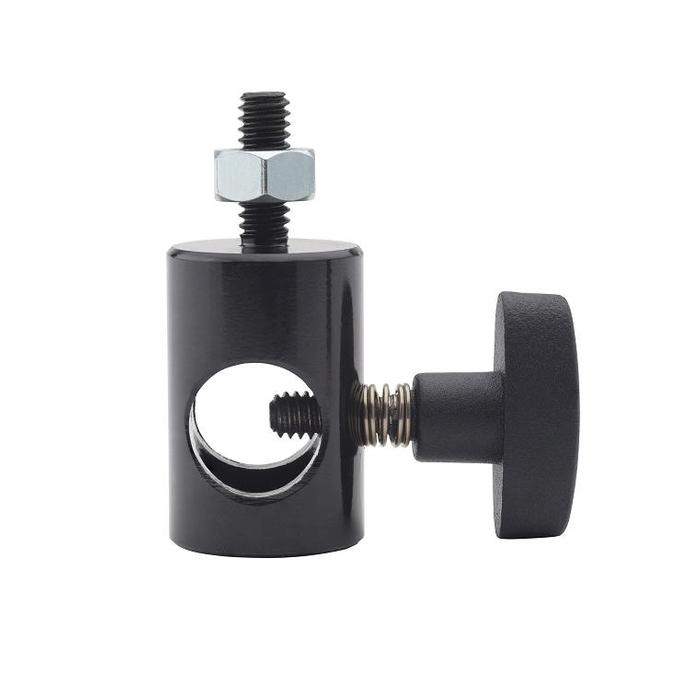
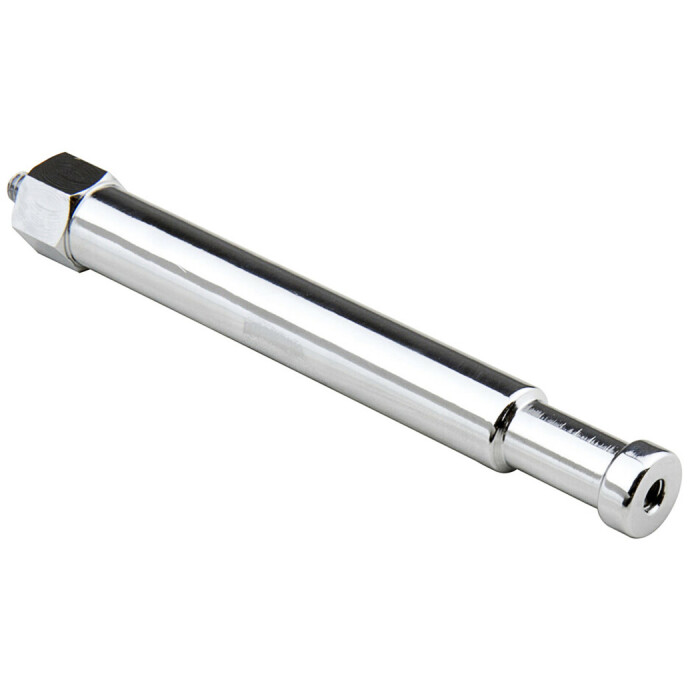
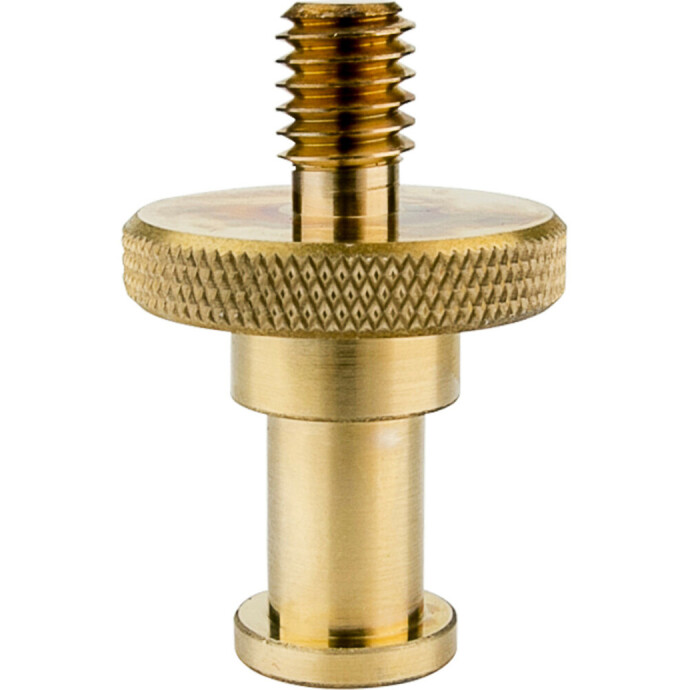
Clean still‑life entries win on stability and micro‑adjustability. Mix and match grip components to place flags, bounce cards, or small lights exactly where they need to be. A 5/8" receiver with a 1/4"‑20 thread makes stands and accessories play nicely with camera gear, while a baby pin and an adapter stud bridge the rest.
-
Get creative angles without wobble
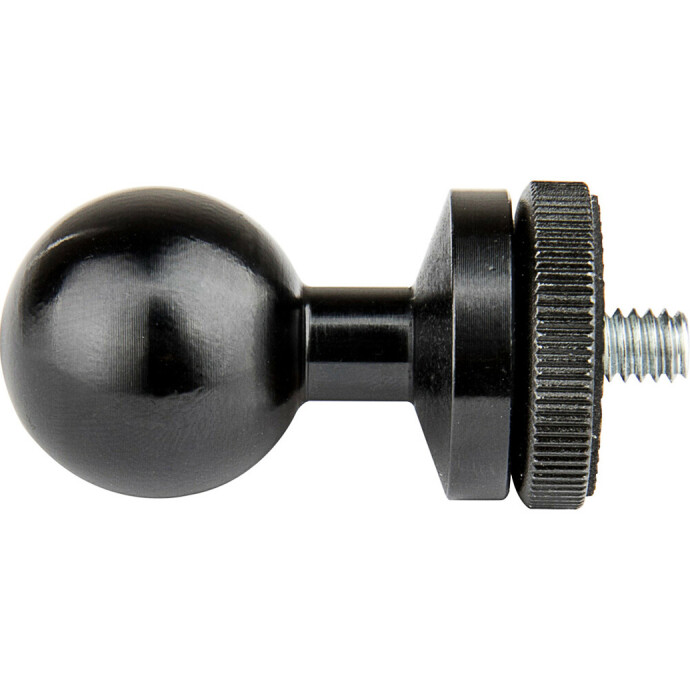
Low, overhead, or off‑axis camera placements can turn a good frame into a winner—if they’re secure. A compact articulating joint like the Kupo Super Knuckle Ball with 1/4"‑20 male thread helps position lightweight accessories, monitors, or small cameras with confidence.
-
Lens and device choices that fit the brief
For immersive people stories, a fast 24mm like the used Canon 24mm f/1.4L II EF renders environment and subject in a single, narrative‑rich frame. Competing in mobile‑only categories? A Khronos 17mm Thread Lens Adapter for iPhone can give you a wider, cleaner look while keeping your kit pocketable.
-
Tether for critical focus and color
Judges scrutinize technicals. Tethering lets you evaluate focus, edges, and color on a larger screen before you leave the set. Accessory thread kits like Tether Tools AeroTrac (3/8"‑16) help mount clamps and trays neatly to your platform for a tidy, efficient station.
Submit like a strategist
-
Export exactly to spec
Follow pixel dimensions, file size, color space (sRGB unless stated), and naming conventions. Sharpen for screen and remove metadata that could identify you in blind‑judged rounds unless rules require it.
-
Caption with purpose
A tight 1–2 sentence caption that adds context—not a novel—can lift your score. Use accurate titles and brief location info when allowed. Avoid cliché titles; clarity beats clever.
-
Protect your rights and plan your calendar
Read licensing carefully; keep RAWs and release forms handy. Track deadlines and time zones, and submit early to avoid portal traffic or upload hiccups. Iterate: enter, get feedback, refine, and re‑enter stronger work in the right categories.
Final frame: Winning consistently is part vision, part strategy, and part disciplined prep. Lean into current trends, submit to categories that amplify your strengths, and tighten your workflow with a few smart hardware helpers. When you’re ready to fine‑tune your rig, visit Unique Photo for grip, support, lenses, and expert guidance that help your next entry land on the podium.