What's Your Go-To Method for Achieving Sharp Focus in Low Light?
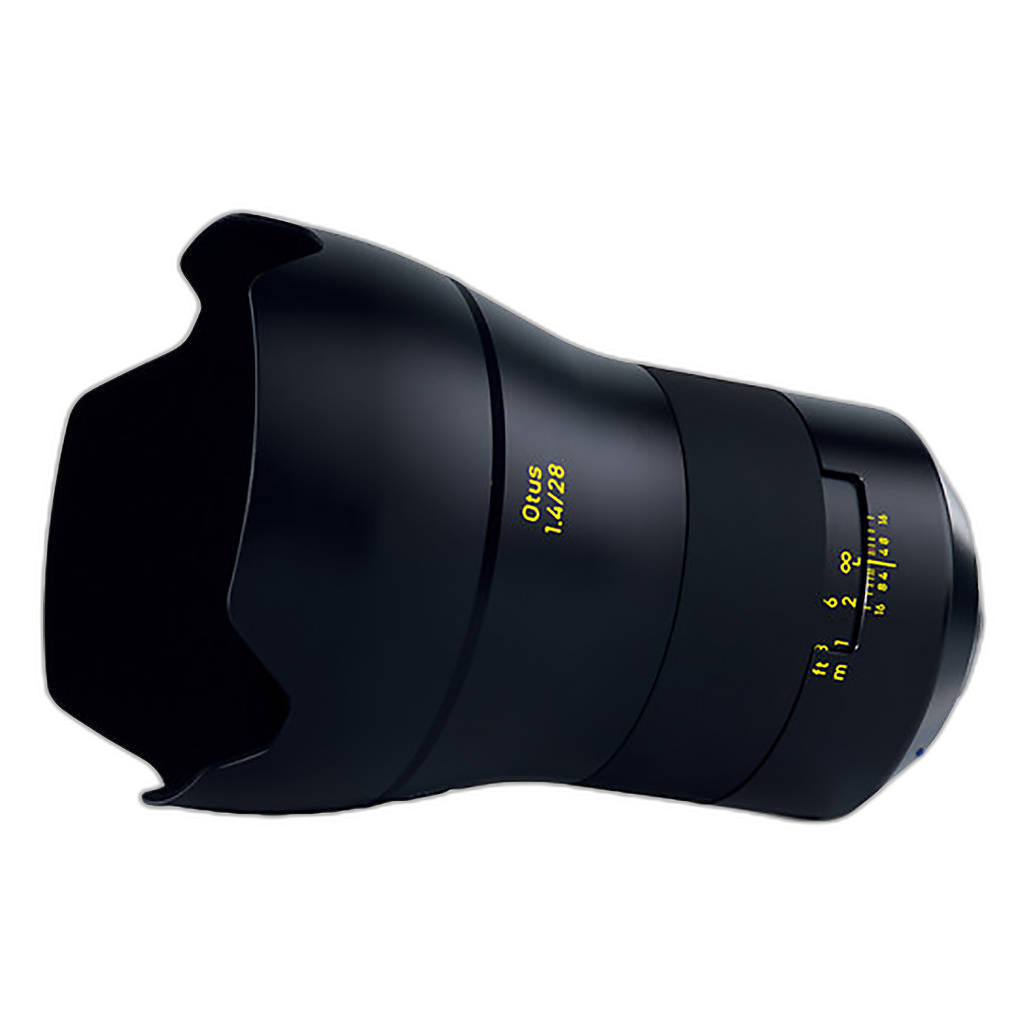
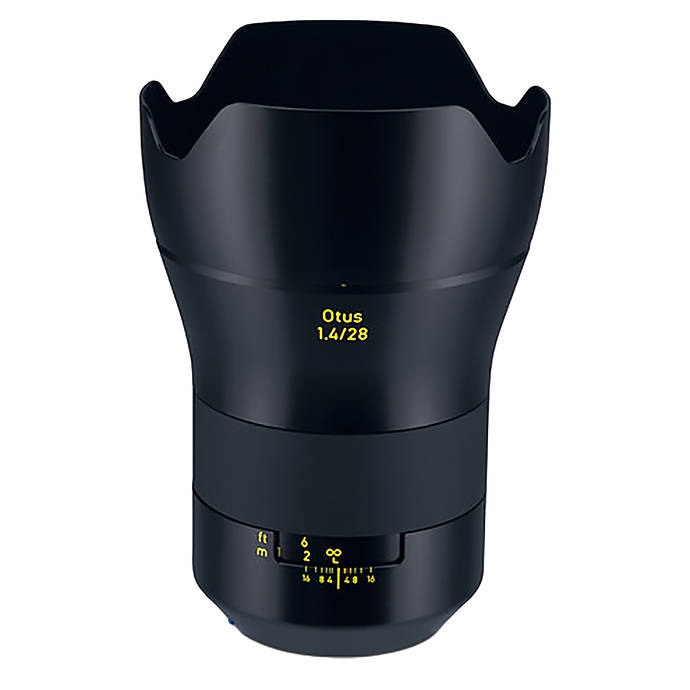
When the lights drop, two proven approaches help you lock in critical focus: a fast, high-contrast manual lens that gives you a bright, precise view of your subject, and a precision focusing rail that lets you move the entire camera/lens assembly in micro‑increments. In this head‑to‑head, we compare the Zeiss 28mm f/1.4 OTUS Manual Focus Lens for Nikon ZF.2 and the Kaiser Macro Focusing Stage to help you choose the right method for your low‑light work.
Side-by-Side Specs
| Feature | Zeiss 28mm f/1.4 OTUS (ZF.2) | Kaiser Macro Focusing Stage |
|---|---|---|
| Type | Manual-focus prime lens | Macro focusing rail (camera movement stage) |
| Primary Use | Low‑light scenes, night cityscapes, environmental portraits, wide‑field astro | Macro, still life, product photography, focus stacking |
| Low‑Light Advantage | Bright f/1.4 viewing; high micro‑contrast aids manual focus; long, precise focus throw | Micrometric fore‑aft adjustment for exact focus when AF struggles; works with any lens |
| Mount/Interface | Nikon F (ZF.2) | Standard 1/4"‑20 tripod/camera interfaces; requires tripod/solid support |
| Focusing Method | Manual helicoid focusing through the lens | Move the entire camera/lens to the focus plane |
| Power/Software | None required | None required |
| Portability | Substantial all‑metal lens; field‑ready | Compact rail; add‑on to tripod setup |
| Best For Subjects | People, architecture, street/night scenes | Static, close‑up subjects |
Category-by-Category Analysis
Speed: Acquiring Focus Quickly
For moving subjects in dim conditions, the Zeiss OTUS’s f/1.4 aperture delivers a bright view and shallow depth of field that makes focus cues obvious. With live view magnification or focus peaking (on compatible bodies/adapters), you can confirm tack sharpness fast. The Kaiser rail excels when you can take your time—think tripod‑mounted, static scenes—where micro‑adjustments are needed more than speed.
Precision and Repeatability
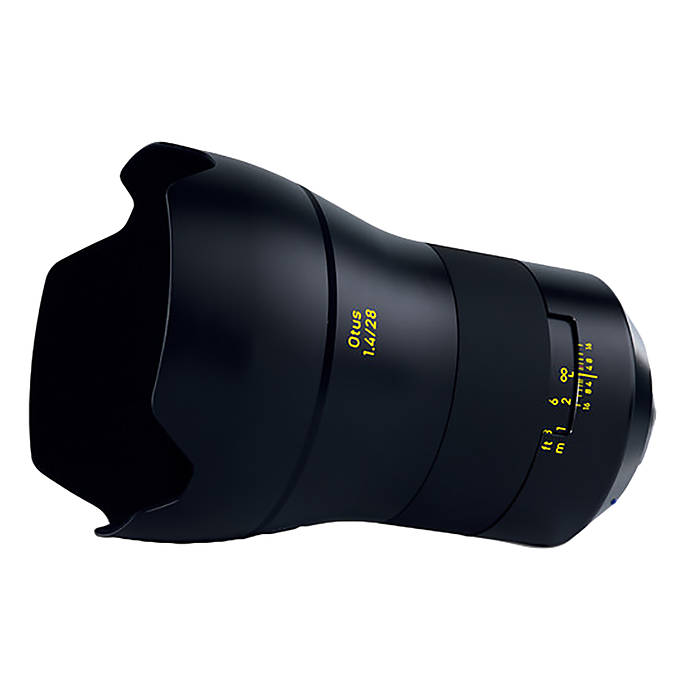
Both solutions are precision tools, but they shine in different scenarios. The OTUS is renowned for its long, damped focus throw and superb micro‑contrast—ideal for nailing critical focus by eye. The Kaiser rail offers repeatable, incremental shifts along the optical axis, the gold standard for macro focus and controlled focus stacking where depth of field is razor thin.
Versatility Across Subjects
If your low‑light work spans events, environmental portraits, and nightscapes, the Zeiss lens is the more versatile, handheld‑friendly option. The Kaiser rail is specialized—unbeatable for tabletop and macro subjects but less practical for spontaneous or moving scenes.
Ergonomics and Handling in the Dark
With the Zeiss OTUS, engraved distance/DOF markings and a grippy, well‑damped ring make manual focusing intuitive, even in low light. The Kaiser rail requires a tripod and stable setup, but its knurled controls and scale markings enable precise, tactile adjustments once you’re locked down.
Learning Curve
Manual focusing a fast lens has a short learning curve—especially with live view magnification. The focusing rail method asks for a bit more setup knowledge (tripod discipline, subject staging), but rewards you with exceptional repeatability for technical work.
System Compatibility
The Zeiss 28mm f/1.4 OTUS (ZF.2) mounts to Nikon F bodies and to many mirrorless systems via adapters. The Kaiser rail is system‑agnostic and works with virtually any camera/lens combination that can be tripod‑mounted.
Value for Your Kit
If you regularly shoot handheld or with moving subjects in low light, a fast, optically elite prime like the OTUS delivers consistent results and doubles as a top‑tier creative lens. If your low‑light challenge is all about macro and product accuracy, a focusing rail delivers the biggest focusing gains for the least cost and works with lenses you already own.
Pro Tip: Add Light to Focus Smarter
Sometimes the fastest route to sharp focus is simply raising your working illuminance for a moment—then dial back for the actual exposure. Learning to shape narrow, controlled light can dramatically improve focusing speed and accuracy.
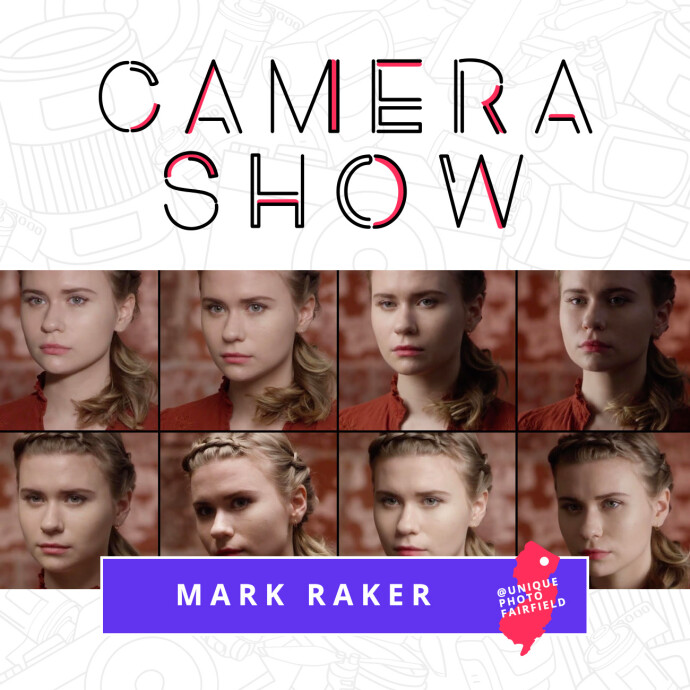
Consider sharpening your lighting skills with our educational offerings like “Key Lighting Methods with Mark Raker (Nanlite).” Mastering small, precise light sources makes it easier for your camera—and your eyes—to confirm critical focus in the dark.
Our Pick
For most photographers seeking sharp focus in low light across a wide range of subjects, we recommend the Zeiss 28mm f/1.4 OTUS Manual Focus Lens for Nikon ZF.2. Its bright f/1.4 aperture, exceptional micro‑contrast, and long, precise focus throw make it a reliable, fast‑working solution when light levels drop. If your primary challenge is macro or tabletop work, the Kaiser Macro Focusing Stage is the superior choice for micrometric precision.
Conclusion
Both methods are proven paths to tack‑sharp images in dim conditions—choose the OTUS for versatile, handheld low‑light work, and the Kaiser focusing rail for meticulous macro accuracy. Explore these solutions and more at Unique Photo—your resource for the right tools, education, and support for shooting after dark.