What’s the Best Camera for Portrait Photography in 2024?
The best portrait camera isn’t a single model—it’s the system that fits your lenses, lighting, workflow, and subjects. In 2024, nearly every major brand makes a body that can produce gorgeous portraits. The real difference comes down to how it renders skin tones, how confidently it finds eyes, and how well it fits your hand and style. Use the tips below to confidently select the right portrait camera and build a setup that elevates your work.
10 tips to choose your portrait camera
1) Start with your lenses, then pick the body
Portraits live and die by glass. Before chasing the newest body, make sure the system offers the portrait lenses you want:
- Fast primes: 50mm f/1.4 or f/1.8, 85mm f/1.8–f/1.2 for classic subject isolation.
- Compression zooms: 70–200mm f/2.8 for headshots and candids with beautiful background blur.
- Specialty: 135mm primes for razor‑thin DOF; 24–70mm f/2.8 for versatile on-location work.
Once you’ve identified the lens roadmap you’ll actually use, choose a body in that mount that offers the AF, ergonomics, and features below.
2) Choose a sensor/resolution sweet spot for your workflow
- 24–33 MP full-frame: Excellent balance for fast AF, clean files, and efficient editing—ideal for lifestyle, events, and family portraits.
- 45–61 MP full-frame: Extra detail for large prints and editorial retouching—best if you have a strong computer and refined technique.
- APS‑C: Great value and reach; pair with fast primes for shallow depth-of-field on a budget.
- Medium format: Maximum tonality and skin rendition for controlled studio work.
Pick the resolution you can process quickly without bogging down your retouching pipeline.
3) Prioritize eye-detection AF that’s reliable, not just flashy
Modern portraits rely on face/eye AF that locks on through movement, glasses, and backlight. Test for:
- Consistency across lighting conditions and angles.
- Customizable AF behavior (stickiness, subject switching).
- Accurate AF at wide apertures (f/1.2–f/2).
Bring a friend to the store and try eye AF with real movement—nothing replaces hands-on testing.
4) Look for pleasing color and skin tones (and shoot RAW)
Every brand offers great color today, but their profiles differ. Shoot RAW to maximize flexibility, and test a few profiles to see which you prefer for skin. If color is mission-critical, create a repeatable workflow with custom presets and a white balance target.
5) Lighting beats megapixels—invest in your light
Even the best camera struggles in poor light. A little lighting knowledge can transform skin tone, texture, and mood. Consider a hands-on class like Portrait Lighting Made Easy with Joel Grimes to refine your on- and off-camera techniques.
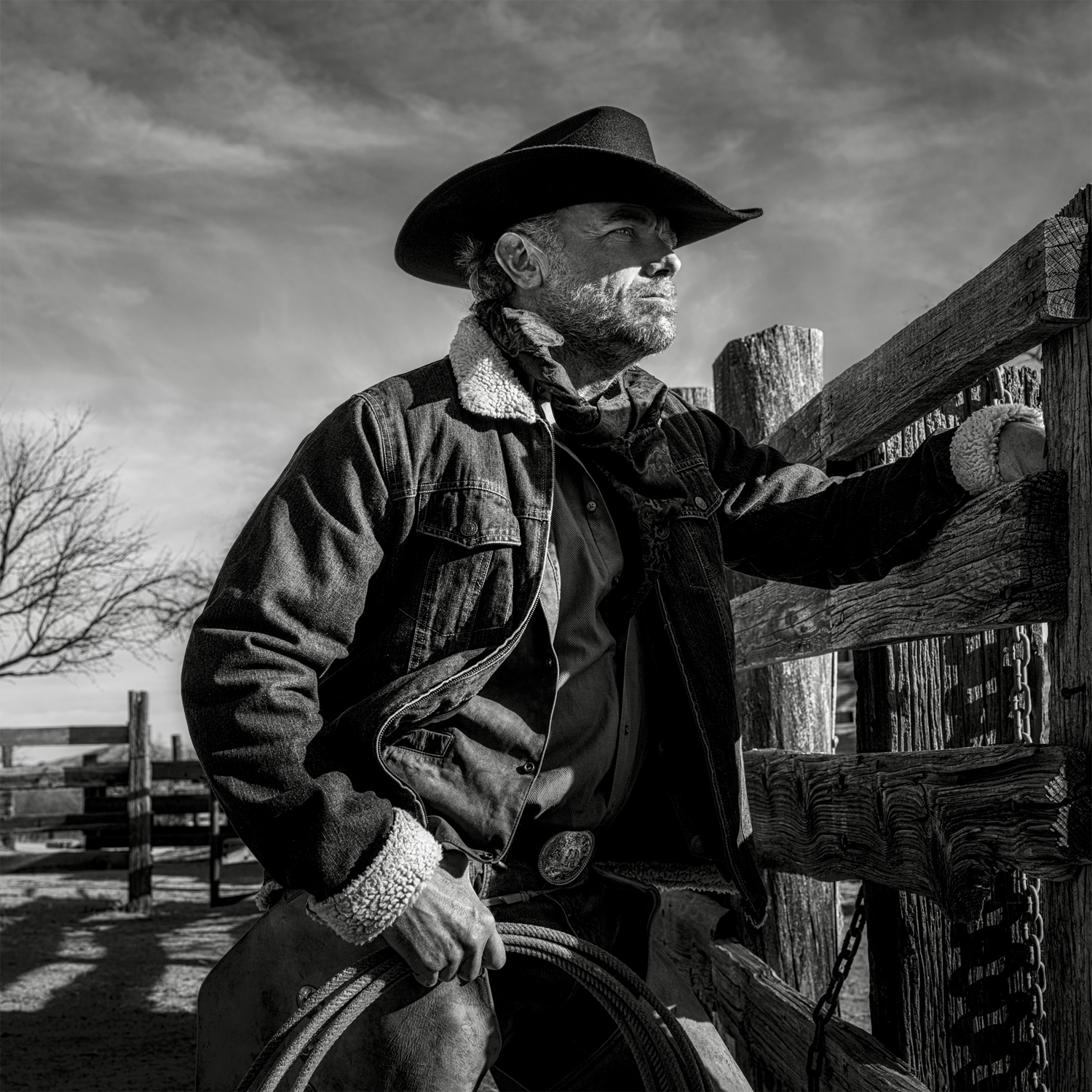
Mastering a single key light, reflector, and background control will often elevate your portraits more than a body upgrade.
6) Check shutter options, flash sync, and studio friendliness
- Stacked sensors and fast readouts reduce rolling shutter and improve silent shooting under ambient light.
- Flash users: Make sure your camera plays nicely with your triggers and supports the HSS/TTL features you need.
- Leaf-shutter film cameras and vintage options can create a unique look and sync at higher speeds—our Used & Trades department often has creative tools like a Polaroid SX‑70 or other classics for distinctive portrait sessions.
7) Ergonomics, stabilization, and the “feel” test
Great portraits require steady hands and confident handling. In-body stabilization (IBIS) helps in low light and for available-light looks. Also, a comfortable strap improves your session flow—something simple and secure like the PGYTECH Camera Strap Slim - Vintage Olive Green keeps the camera ready while you direct your subject.
8) Test in real scenarios and keep learning
Visit Unique Photo to handle bodies with your favorite lenses and practice real-world setups. For inspiration and technique that translate back to portrait sessions, check out community events and field workshops.


Hearing how pros solve problems in the field or practicing composition and light outdoors can sharpen the skills you bring to portrait sessions.
9) Protect your investment with the right coverage
Professional tools deserve professional protection—especially if you shoot for clients.
- Brand warranties like Nikon Care (2‑Year Camera Warranty, price tiered to body cost) add peace of mind for working portrait shooters.
- Hybrid creators stepping into cinema bodies can extend coverage with options like the RED Extended Warranty for KOMODO‑X (if you’re building a photo/video portrait workflow).

10) Match the camera to your portrait style
- Families, events, candid lifestyle: Fast AF, great eye/face tracking, solid 24–33 MP sensor, reliable skin tones.
- Studio/editorial/beauty: Higher resolution (45–61 MP), robust tethering, flicker-free modes, and precise color control.
- Environmental/available light: Strong IBIS, low-light performance, and silent shutter for unobtrusive shooting.
- Hybrid photo + video: Excellent AF in video, 10‑bit recording, and clean skin tones across both mediums.
Once you know your core use case, choosing the best camera becomes much easier—and you’ll buy gear that directly improves your portraits.
Final thought
The best portrait camera in 2024 is the one that delivers reliable eye AF, skin tones you love, and a lens lineup that matches your vision—supported by lighting and technique. Visit Unique Photo to try bodies and glass side-by-side, sharpen your skills with our classes and events, and build a portrait kit that truly fits you.