Introduction
Entering photo contests can teach photographers far more than simply whether an image wins. The real lessons often come from comparing approaches: education versus experience, presentation versus output, and digital submission versus physical print preparation. If you have ever wondered what photographers actually gain from entering contests—and yes, sometimes losing them—this comparison looks at several useful paths for growth.
Some photographers sharpen their eye by studying in the field. Others improve by hearing how experienced image-makers build stories. Many discover that printing and presentation reveal weaknesses that screens hide. And for those assembling portfolios or preserving work, albums and archival presentation tools can become part of the learning process too.
Below, we compare classes, experiences, printing tools, and presentation products that reflect the main lessons photographers often learn through contest participation.
Side-by-Side Comparison
| Product | Type | What It Teaches | Best For | Image |
|---|---|---|---|---|
| Macro and Landscape Photography at Duke Farms with Michael Downey | Workshop | Seeing light, composition, and detail in the field | Photographers refining contest-worthy capture skills | 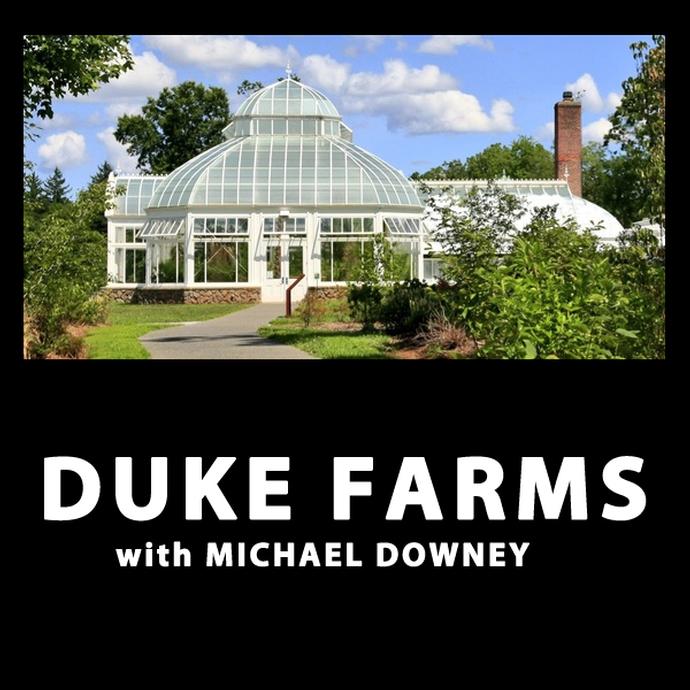 |
| EXPO: Stories from the Road - Photography Across Worlds w. Matthew Borowick | Talk / Educational Event | Storytelling, perspective, and body-of-work thinking | Photographers learning how judges respond to narrative depth |  |
| Photograph Fluorescent Zinc Ore at Sterling Hill Mine | Excursion | Creative problem-solving in unusual lighting conditions | Photographers building standout images with unique subjects |  |
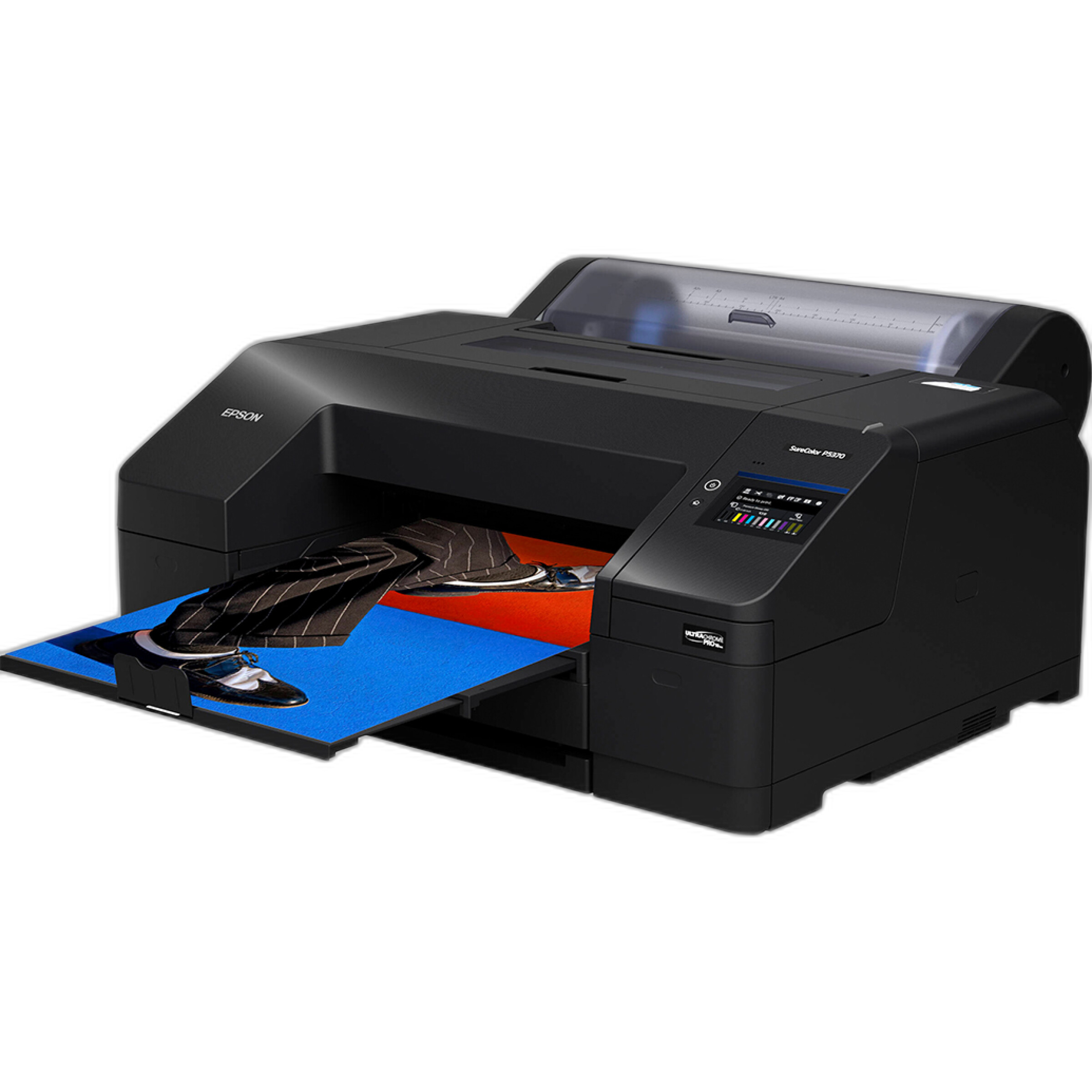
| Epson SureColor P5370 17-Inch Professional Photographic Printer | Printer | Critical evaluation through printing, tonal control, and output quality | Contest entrants preparing exhibition or submission prints | 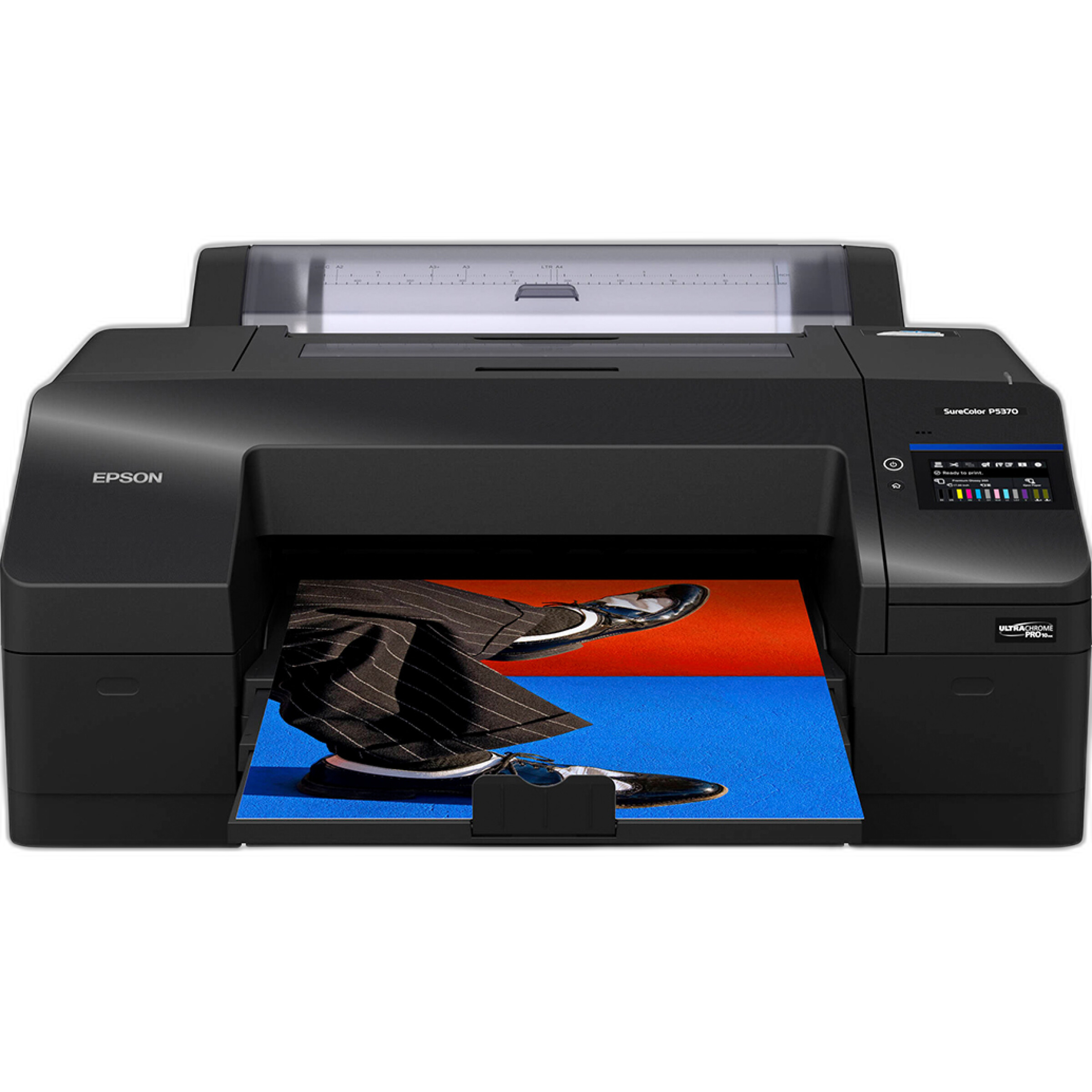 |
| Kodak Professional Metallic Photo Inkjet Paper 44 x 100 Roll | Paper | How surface and finish affect impact, color, and presentation | Photographers seeking dramatic print presentation | 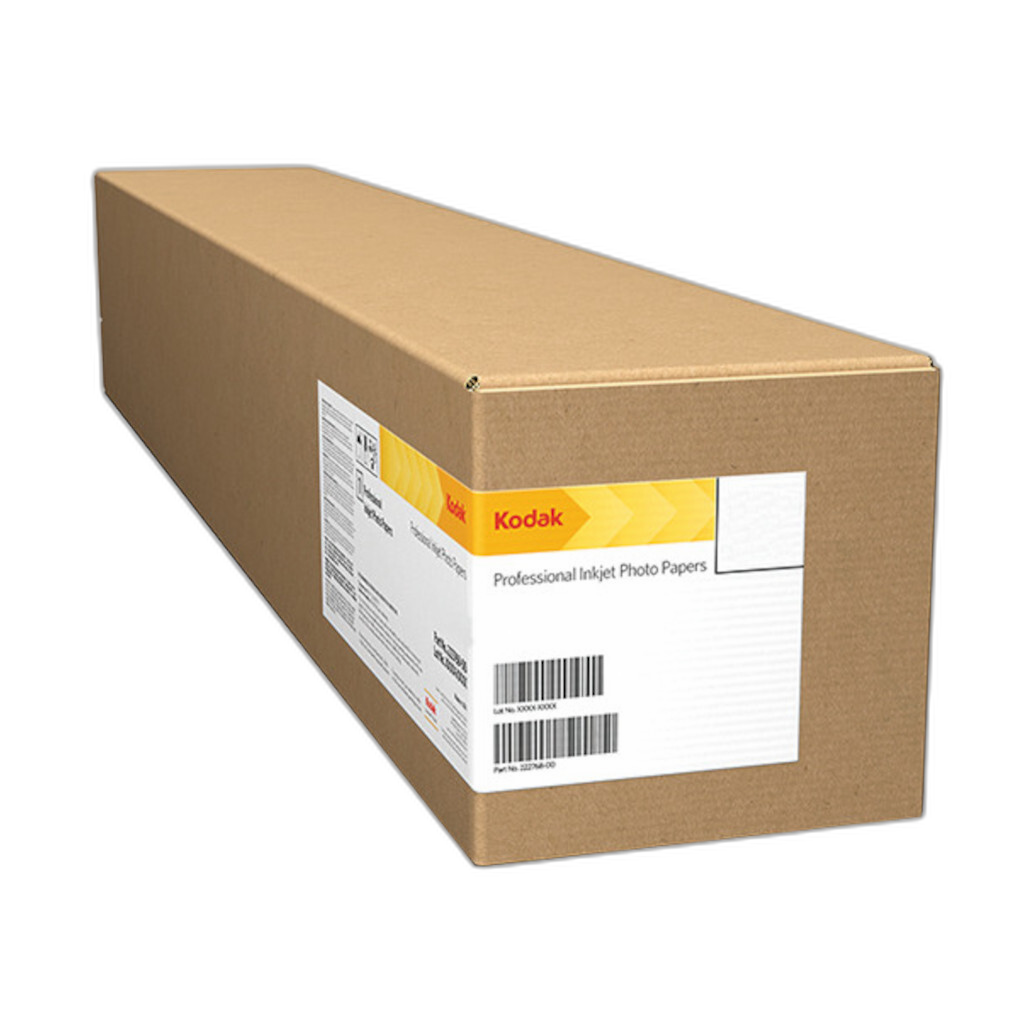 |
| Pioneer 4 x 6 In. Bi-Directional Memo Photo Album (200 Photos) - Black | Album | Sequencing, editing, and reviewing a body of work over time | Photographers organizing contest entries and feedback cycles | 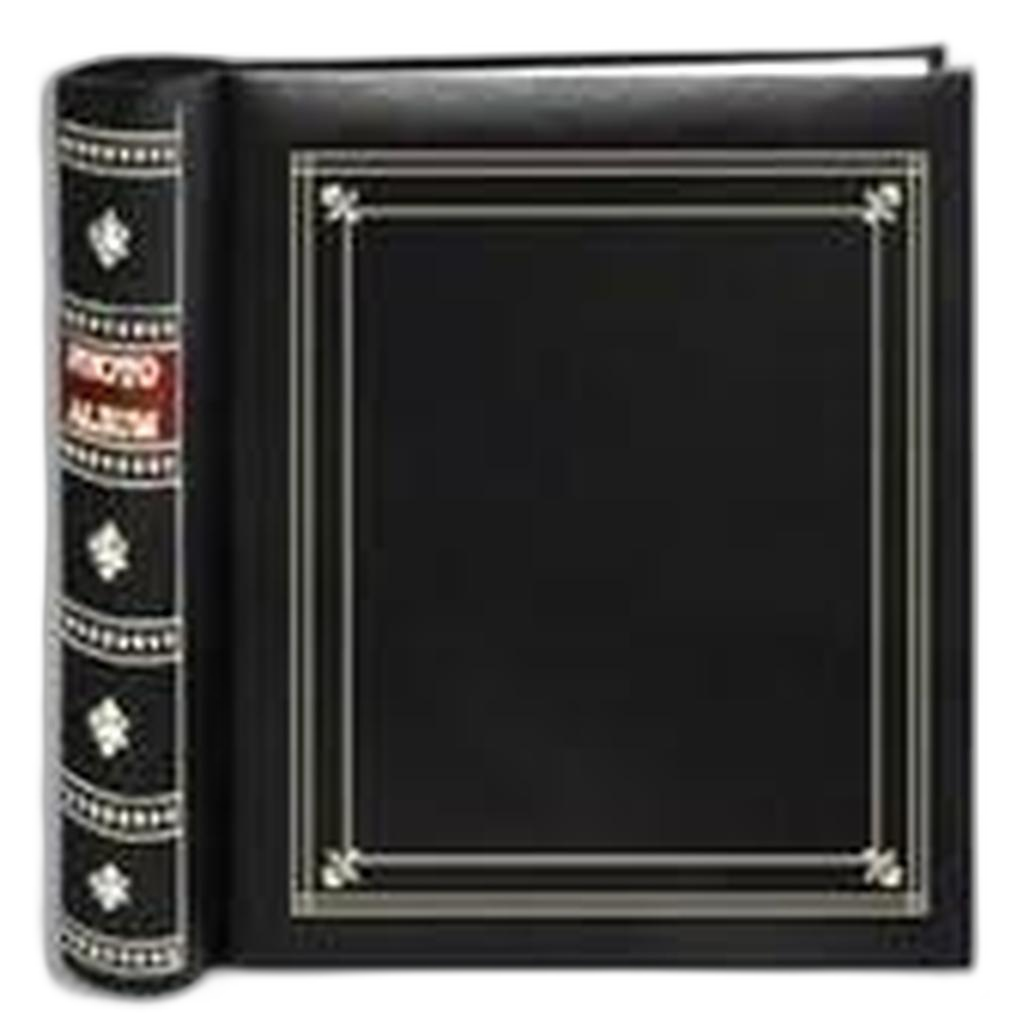 |
| Pioneer Album Refill Pages for BP-200 Album (30 Photos) | Album Accessory | Expanding long-term review and iterative editing | Photographers tracking progress across multiple contests | 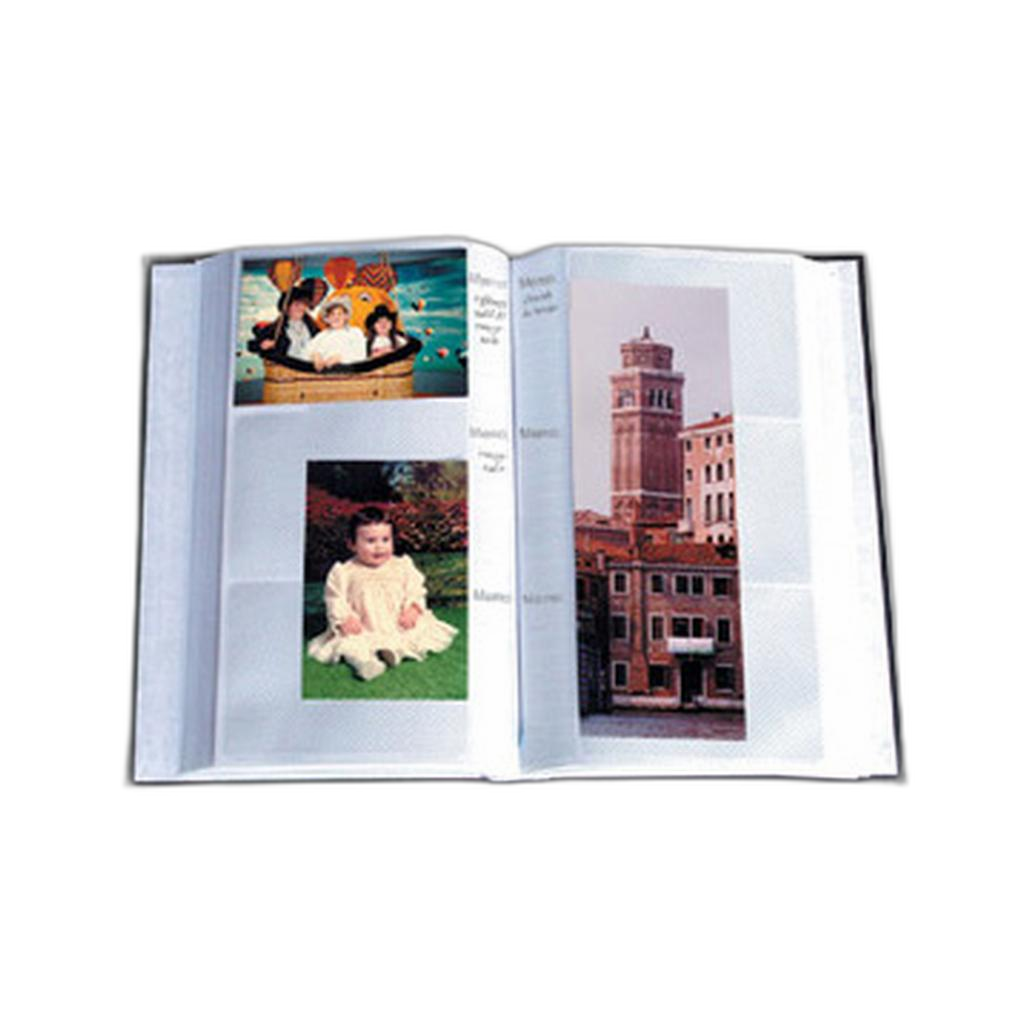 |
What Losing a Contest Usually Teaches First
The first lesson many photographers learn is that a strong image is not always the same thing as a successful contest image. Judges often respond to clarity, immediate impact, technical consistency, and emotional or narrative focus. That means losses can reveal whether your work needs better composition, stronger editing, more original subject matter, or simply more cohesive presentation.
This is where educational experiences often outperform gear alone. A class or live presentation can help you understand why certain photos resonate and others do not.
Learning to See Better: Field Workshops vs. Inspirational Talks
Macro and Landscape Photography at Duke Farms with Michael Downey is the more hands-on option in this comparison. If contests have shown you that your images lack precision, intention, or visual discipline, a field workshop is a smart response. It emphasizes observation, framing, and working a subject thoroughly instead of settling for the first acceptable frame.
EXPO: Stories from the Road - Photography Across Worlds w. Matthew Borowick, by contrast, represents a different lesson from contest participation: judges and audiences often remember stories, not just single pretty frames. If your contest entries are technically good but feel isolated or generic, this kind of event can help you think beyond one-off images and toward meaning, sequence, and personal voice.

Comparison takeaway: workshops are often better for improving image-making mechanics, while talks and presentations are especially valuable for developing point of view and narrative sophistication.
Standing Out: Conventional Subjects vs. Distinctive Experiences
Another common lesson from losing contests is that familiar subjects need an uncommon treatment. If your landscapes, portraits, or travel scenes feel competent but not memorable, pursuing a more unusual shooting environment can be helpful.
Photograph Fluorescent Zinc Ore at Sterling Hill Mine stands out here because it is built around an unusual subject and dramatic visual conditions. Experiences like this teach adaptability: difficult light, uncommon color, and a need to interpret a scene creatively instead of relying on standard formulas.
Comparison takeaway: a distinctive shooting experience can help create more attention-grabbing contest images, but it still needs strong composition and editing to succeed.
The Print Lesson: Screens Can Hide Your Mistakes
Many photographers discover after a contest loss that their files looked better on a backlit display than they do under serious review. Printing is one of the fastest ways to become more self-critical in a productive way. It reveals weak sharpening, muddy shadows, blocked highlights, color imbalance, and compositional distractions near the frame edges.
Printer vs. Paper: Which Matters More?
The Epson SureColor P5370 17-Inch Professional Photographic Printer is the core tool for photographers who want control over final output. For contest work, especially print competitions or portfolio reviews, a dedicated photo printer allows repeatable results and close calibration between capture, edit, and print. It teaches one of the most valuable contest lessons of all: presentation is part of the image.
Kodak Professional Metallic Photo Inkjet Paper 44 x 100 Roll highlights a related but different insight. The same image can feel dramatically different depending on paper choice. Metallic surfaces can enhance depth, contrast, and visual punch, which may be especially useful for contest images with vivid color, architecture, night scenes, or high-impact commercial aesthetics.
Comparison takeaway: the printer gives you output control, while the paper shapes emotional impact and finish. If you are serious about contests, both matter—but the printer is the more foundational investment.
Our Pick
Our Pick: Epson SureColor P5370 17-Inch Professional Photographic Printer
If entering and losing contests has taught photographers anything, it is that final presentation can be the difference between a near miss and a winner. The Epson SureColor P5370 is our pick because it turns critique into action. Instead of guessing how your image holds up, you can print it, evaluate it honestly, and refine your work with professional intent. For photographers serious about growth, that feedback loop is invaluable.
Editing and Growth Over Time: Albums as Learning Tools
Contest improvement is not only about making better individual images. It is also about recognizing patterns in your own work. Which images do you submit repeatedly? Which themes are overdone? Which photographs still hold up months later?
Album Organization vs. Expandability
Pioneer 4 x 6 In. Bi-Directional Memo Photo Album (200 Photos) - Black is a practical tool for reviewing prints, sequencing small portfolios, and tracking progress. Physical albums slow down the editing process in a useful way. They make it easier to compare similar frames, notice repetition, and write notes about why an image did or did not work in competition.
Pioneer Album Refill Pages for BP-200 Album (30 Photos) are less about first presentation and more about continuity. They support the lesson that contest growth is cumulative. Over time, seeing multiple rounds of work together can reveal whether your eye is evolving or just circling the same habits.
Comparison takeaway: a dedicated album is better for structured review, while refill pages help build a longer-term archive of progress.
Which Type of Photographer Benefits Most From Each Option?
| If You Learned This From Contests... | Best Match | Why |
|---|---|---|
| My images need stronger composition | Macro and Landscape Photography at Duke Farms with Michael Downey | Field-based learning reinforces visual decision-making |
| My work feels technically fine but emotionally thin | EXPO: Stories from the Road - Photography Across Worlds w. Matthew Borowick | Storytelling and perspective can deepen impact |
| I need more original subject matter | Photograph Fluorescent Zinc Ore at Sterling Hill Mine | Unique environments can produce standout frames |
| My presentation is holding me back | Epson SureColor P5370 | Professional printing exposes flaws and improves final delivery |
| I want my prints to have more visual punch | Kodak Professional Metallic Photo Inkjet Paper | Surface finish can elevate image presence |
| I need to edit more thoughtfully | Pioneer 4 x 6 Memo Photo Album | Physical sequencing helps evaluate work over time |
Conclusion
What do photographers really learn from entering—and sometimes losing—photo contests? Usually, they learn that improvement is multi-layered. Better seeing comes from practice and guidance. Better storytelling comes from studying other photographers. Better presentation comes from printing and material choices. Better long-term growth comes from thoughtful editing and review.
If you are ready to turn contest experience into real progress, Unique Photo offers educational events, creative excursions, printing tools, and presentation solutions that support every stage of that journey.