Photography contests can feel mysterious from the outside, but most judges are looking for a clear mix of impact, intention, technique, and originality. A strong image usually does more than look pretty—it communicates something quickly, holds attention, and shows that the photographer made deliberate creative choices. If you want your submissions to stand out, it helps to think like a judge before you hit upload.
Below are practical tips to help you evaluate your own work more critically and enter contests with more confidence.
1. Make a Strong First Impression
Grab attention in the first few seconds
Judges often review many images in a limited amount of time, so immediate visual impact matters. Look for photographs with a clear subject, strong light, and a composition that guides the eye right away. If the viewer has to work too hard to figure out what the image is about, it may not rise to the top of the pile.
Building that instant impact starts in the field. Experiences like Macro and Landscape Photography at Duke Farms with Michael Downey can help photographers sharpen their sense of framing, timing, and subject isolation in natural settings.

2. Show a Clear Point of View
Judges notice intention, not just technical skill
A contest-winning image often feels purposeful. Ask yourself: what am I trying to say with this photograph? Whether the image is dramatic, intimate, documentary, humorous, or surreal, judges respond to work that feels intentional rather than accidental.
Storytelling can be especially powerful here. Programs such as EXPO: Stories from the Road - Photography Across Worlds w. Matthew Borowick are a great reminder that memorable images often come from personal perspective and lived experience, not just perfect settings.
3. Prioritize Technical Excellence
Sharpness, exposure, and control still matter
Even highly creative images can lose points if the technical execution feels careless. Judges commonly look for accurate focus where it matters, well-managed highlights and shadows, strong color or tonal control, and clean presentation. Of course, blur, grain, or unconventional exposure can work beautifully—but only when they feel deliberate.
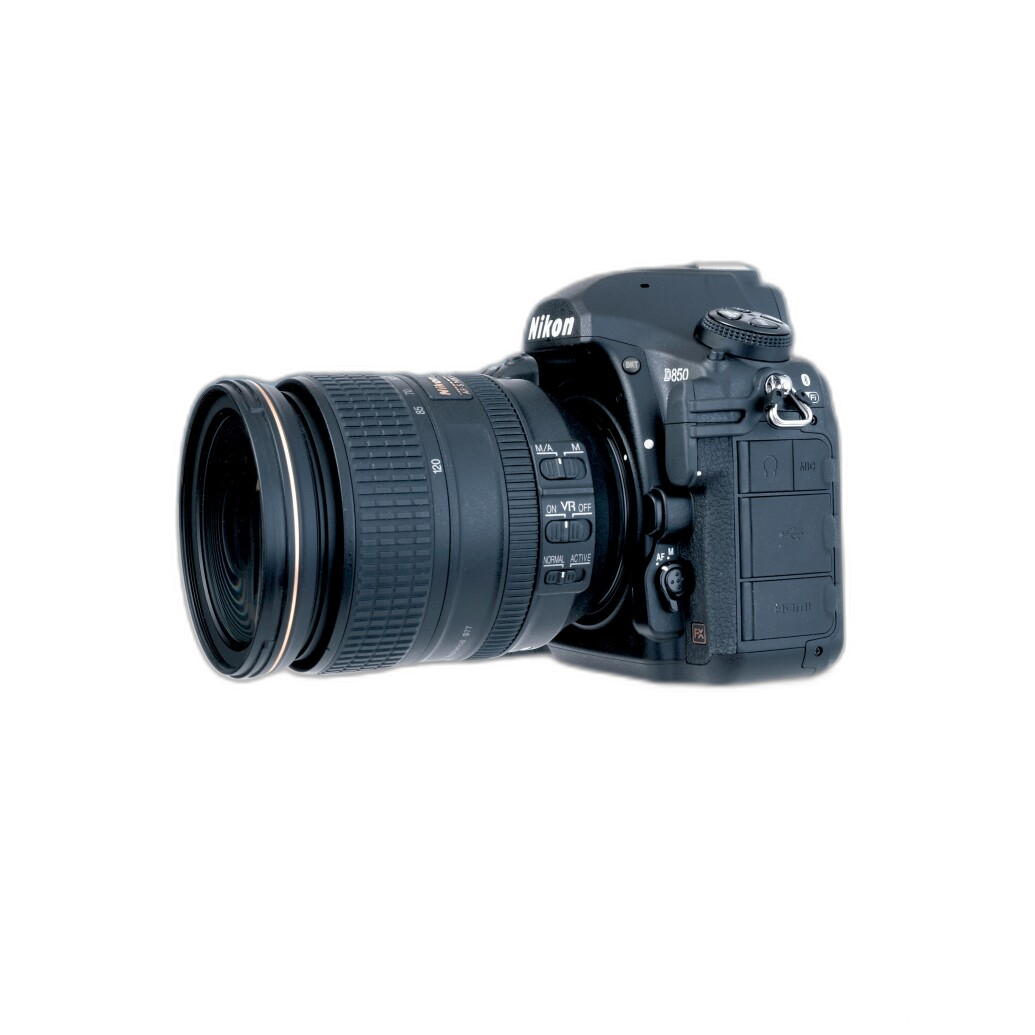
If you are refining your camera skills, a resource like the Nikon D850 Guide to Digital SLR Photography by David Busch can help you get more consistent control over exposure, autofocus, and image quality.
4. Edit With Restraint and Purpose
Good post-processing supports the image instead of overpowering it
Judges can usually tell when editing has elevated a photograph—and when it has gone too far. Oversaturated colors, heavy-handed HDR effects, crunchy sharpening, or artificial-looking skin and skies can distract from an otherwise strong submission. Clean, polished editing that preserves the integrity of the image tends to perform better.
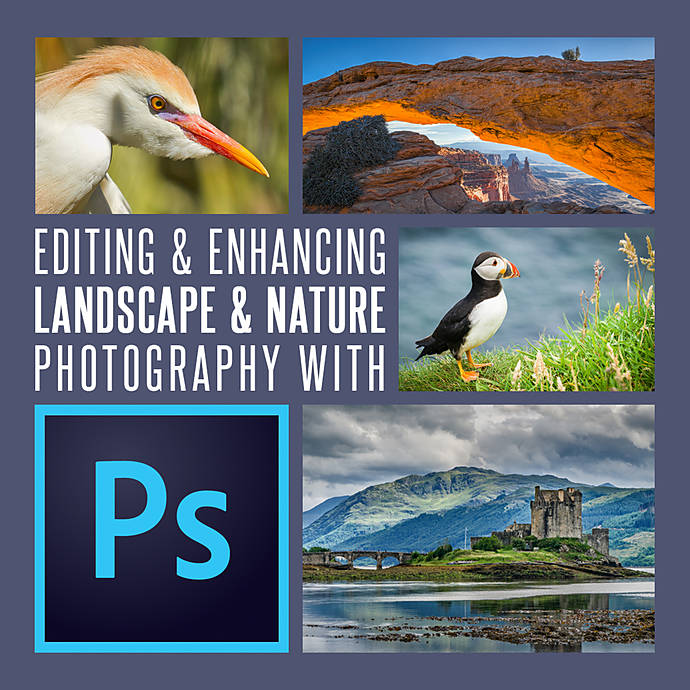
That is why post-production skills matter so much. Editing and Enhancing Landscape and Nature Photography with Photoshop is a useful example of the kind of training that can help photographers strengthen images without losing realism or mood.
5. Match the Category Carefully
One of the biggest mistakes is entering a great image in the wrong category
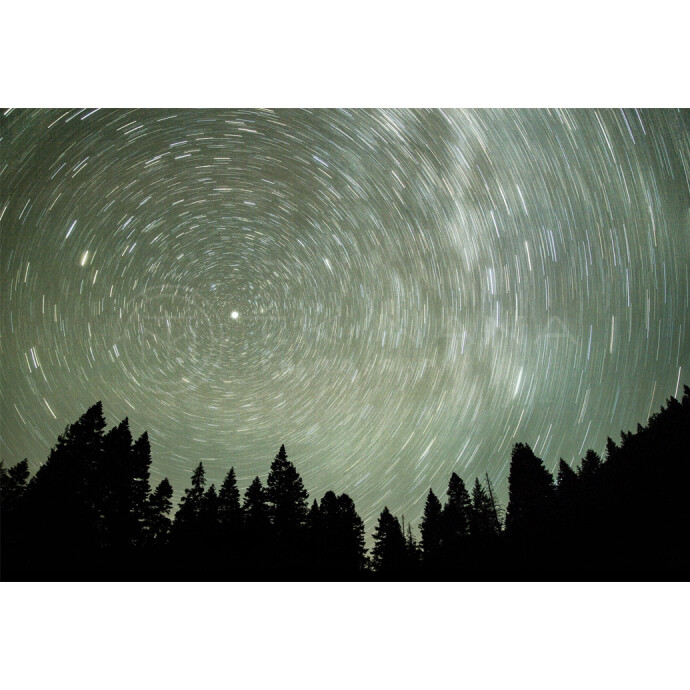
Judges evaluate based on the rules and expectations of a contest. A beautiful image may still fall short if it does not fit the theme, category, or submission criteria. Read the prompt closely, and make sure your image clearly belongs there. If the category is portraiture, for example, the human presence should likely feel central. If it is astrophotography, the night sky should be more than a background element.
For photographers exploring specialized genres, classes like UUOnline: Astrophotography 4-Part Series with Temu Nana can help you better understand what makes an image successful within a specific category and style.

6. Present a Polished Final File
Details in presentation can influence perception
Judges are not only seeing your photo—they are seeing your presentation choices. Cropping, aspect ratio, file quality, borders, and color consistency all affect the overall impression. Dust spots, awkward edges, banding, or poor export settings can make an entry feel unfinished.
This is especially important in genres where precision is everything. Product Photography and Post Production Editing with Blake Taylor highlights the value of careful finishing, controlled lighting, and clean retouching—skills that translate well to contest submissions of all kinds.

7. Originality Often Separates Finalists from Everyone Else
Judges remember images they have not seen a hundred times before
Popular locations, classic subjects, and trending editing styles can still succeed, but originality gives an image a major advantage. That does not always mean photographing something rare. It can also mean using unusual light, a fresh composition, a surprising moment, or a personal approach that makes familiar subjects feel new.
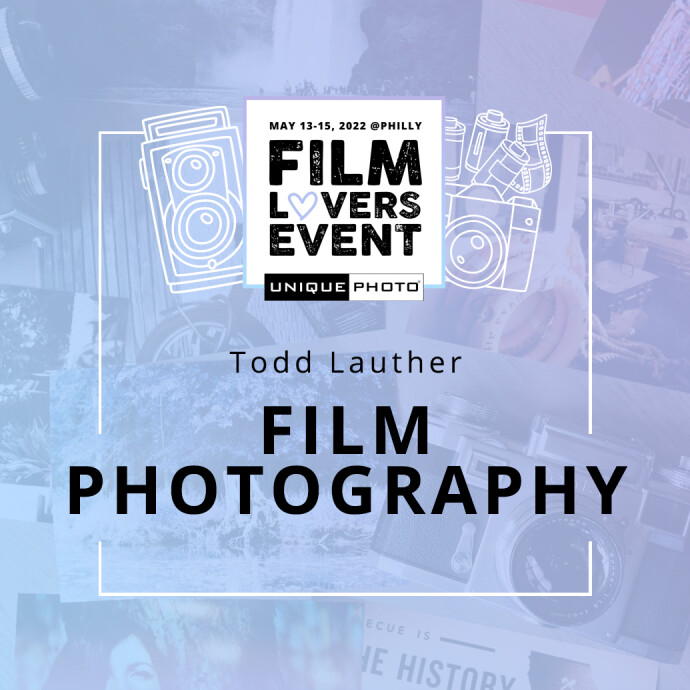
Exploring different photographic traditions can help expand your eye. An event like Film Lovers Event: Intro to Film Photography (Philly) can encourage slower, more intentional image-making and inspire visual choices that stand apart from more predictable digital workflows.
8. Emotional Connection Can Be the Deciding Factor
The best entries make judges feel something
When technical skill, editing, and composition are all strong, emotional impact often becomes the deciding factor. A photograph that creates wonder, tension, joy, curiosity, or empathy tends to linger in memory. This is especially true in travel, documentary, portrait, and fine art categories, but it matters in nearly every contest.
Story-driven learning opportunities like EXPO: Stories from the Road - Photography Across Worlds w. Matthew Borowick or focused creative study through the UUOnline: Astrophotography 4-Part Series with Temu Nana (Session 2) can help photographers think beyond exposure settings and into mood, narrative, and audience response.


Conclusion
If you want better contest results, start by editing your own work the way a judge would: look for impact, clarity, originality, technical control, and emotional resonance. Sometimes the difference between a good submission and a standout one is simply more thoughtful selection and stronger finishing. Keep practicing, keep studying strong images, and keep entering. Unique Photo offers classes, events, and educational resources that can help you build the skills judges notice most.